



Meiji Enamel Charger
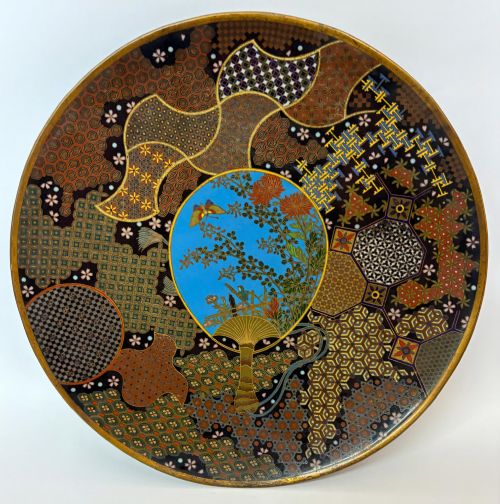
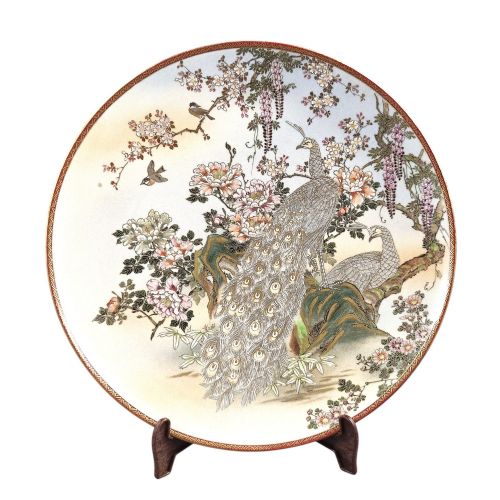
When you search for a meiji enamel charger, you are examining Japanese metalwork and ceramic plates created during the late nineteenth and early twentieth centuries.
Meiji Enamel Charger
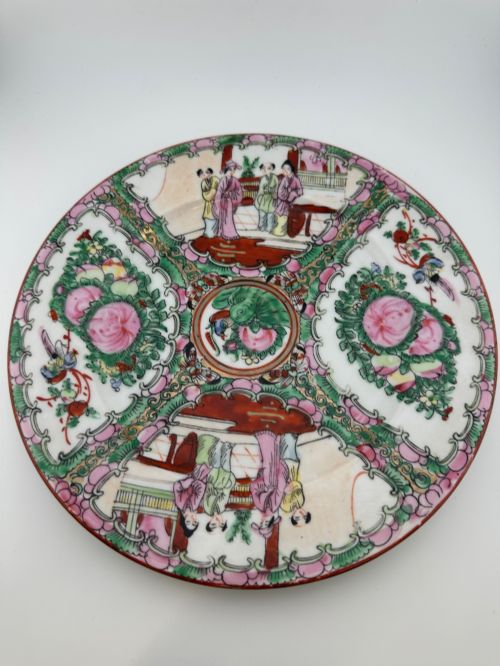
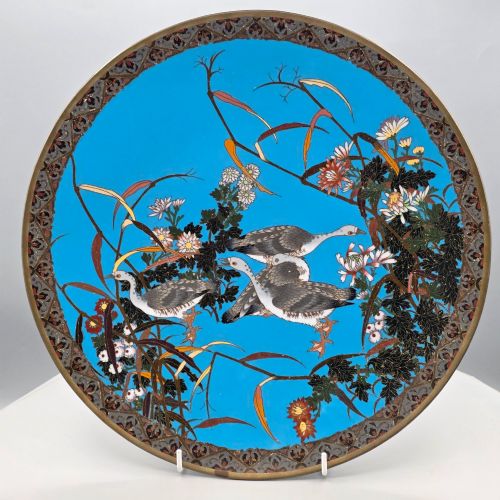
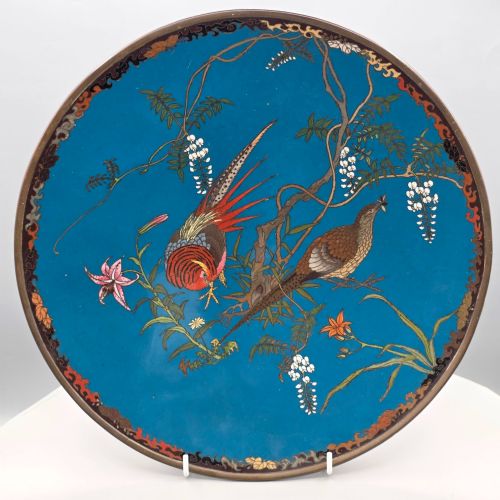
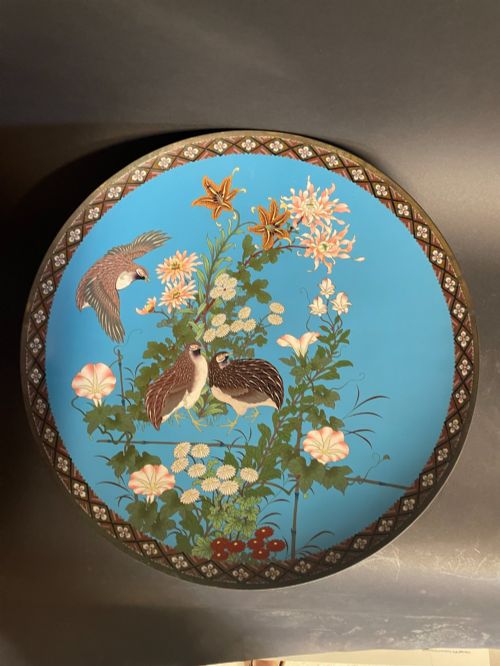
A meiji enamel charger is a large decorative plate produced in Japan during the Meiji period, typically measuring across significant diameters to display intricate pictorial designs. These items serve primarily as wall-hanging or table-resting display pieces rather than functional tableware.
The objects frequently depict natural subjects such as birds, dragons, flowers, and landscapes, alongside cultural motifs like samurai and deities. Most examples on this page date from the 1870s through to the 1900s, reflecting the peak of export craftsmanship.
Makers utilised various material combinations, producing cloisonne enamel on copper bases alongside porcelain formats finished with surface glazes and wirework. Formats range from circular chargers to square trays and scalloped bowls.
What varies in quality
The refinement of the wirework and the density of the enamel fill dictate the visual intricacy of a charger, with superior examples exhibiting microscopic cell divisions and flawless colour gradients. Simpler designs rely on broader fields of colour and heavier wire outlines.
Signatures from notable workshops or individual artists introduce a tier of distinction, as does the complexity of the subject matter, such as detailed multi-figure samurai scenes or precise rendering of fauna.
Among the birds and landscapes, a lone frog finds its place immortalised in enamel alongside a butterfly.
Meizan·Kinkozan·Nagoya
The Meiji Enamel Charger Glossary
- Cloisonne Enamel
- A metalwork technique where flat wire is soldered to a base to form cells that hold coloured glass paste before firing. This method allows for sharp outlines and detailed pictorial designs.
- Totai Shippo
- A specific technique applying enamel and wirework directly onto a porcelain body rather than metal. This creates a hybrid surface often styled to resemble textured tree bark.
- Charger
- A large decorative plate intended for display on walls or stands rather than for serving food. These pieces measure significantly larger than standard dinner plates.
- Satsuma
- A type of earthenware pottery featuring an ivory-colored cracked glaze decorated with polychrome enamels and raised moriage details. It originates from the Satsuma province in Japan.
- Imari
- Japanese porcelain decorated in underglaze blue and overglaze red, gold, and green. This ware was widely produced for export during the Edo and Meiji periods.
Meiji Enamel Charger: Frequently Asked Questions
How were these chargers displayed originally?
These decorative plates were intended primarily for interior display on walls, cabinets, or dedicated wooden stands within domestic settings.
Export demand during the period led to households in both Japan and the West mounting them as focal points in reception rooms.
What subjects appear on these pieces?
Motifs draw heavily from the natural world, including birds like cranes and ibis, koi fish, dragons, and seasonal flora such as chrysanthemums and wisteria.
Figurative scenes featuring samurai, demons, and cultural symbols also feature prominently across the surviving examples.
How do you distinguish metal-based from porcelain-based pieces?
Metal-based chargers utilise copper or brass foundations visible on the reverse, whereas porcelain variants reveal ceramic bodies beneath the glaze.
Pieces utilising totai shippo combine ceramic cores with surface wirework that mimics organic textures like tree bark.
What periods do these items represent?
The inventory spans the late nineteenth and early twentieth centuries, centring firmly on the Meiji period from 1868 to 1912.
Individual dates marked on pieces or recorded in descriptions point toward decades such as the 1870s, 1880s, 1890s, and early 1900s.