


Enamel Display Plate
An enamel display plate brings vibrant hand-painted colour and intricate metalwork into a room, offering a striking focal point for a wall or cabinet.
Enamel Display Plate
When searching for an enamel display plate, collectors encounter substantial chargers and decorative dishes originating primarily from the Japanese Meiji period and Qing Dynasty China, alongside European porcelain and copper pieces.
The objects span from the eighteenth century through the early twentieth century, taking the form of wide decorative chargers, shallow bowls, and plaques intended purely for presentation rather than dining.
Japanese cloisonne enamel pieces depicting dragons, koi, and birds dominate the selection, sitting alongside hand-painted Chinese export porcelain and British Victorian earthenware.
How they were made
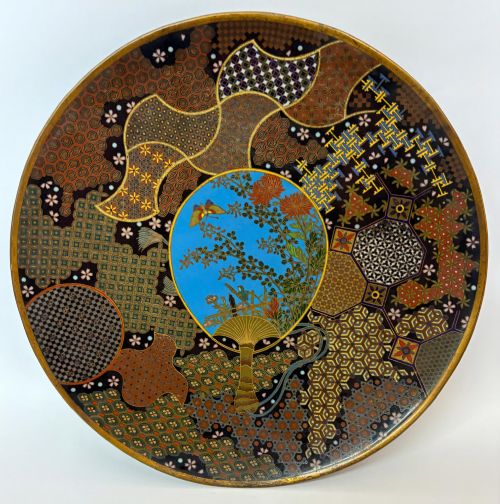
Cloisonne pieces utilise thin copper or brass wire soldered to a metal base to form cells, which artisans then fill with coloured enamel pastes before firing and polishing.
Porcelain examples combine hard-paste ceramic bodies with delicate hand-painted polychrome glazes, occasionally incorporating gold leaf or raised jewel-like enamel details.
Totai shippo technique applies cloisonne enamel directly onto a porcelain base, merging ceramic forms with metallic wirework.
Several Meiji chargers capture rather startled frogs contemplating large leaping koi and chrysanthemums.
What varies in quality
The precision and complexity of the wirework in cloisonne pieces separate standard output from masterworks, with finer lines allowing for intricate rendering of feathers, scales, and facial expressions.
The depth of the palette and the clarity of the enamel after firing determine the visual impact of a charger, distinguishing flat, dull surfaces from luminous, rich compositions.
Signatures by recognised makers or workshops add a layer of distinction, indicating higher standards of craftsmanship and artistic intent.
Shuzan for Yasuda·Meizan·Shozo
The Enamel Display Plate Glossary
- Cloisonne Enamel
- A decorative technique where metal wires create compartments on a base to hold coloured glass pastes. These pastes are fused through firing and polished smooth.
- Charger
- A large ornamental plate or shallow dish not intended for everyday dining. They were traditionally displayed on sideboards or hung on walls.
- Totai Shippo
- A Japanese method where enamel cloisonne designs are applied over a porcelain body rather than metal. It requires careful firing to bond the disparate materials.
- Famille Rose
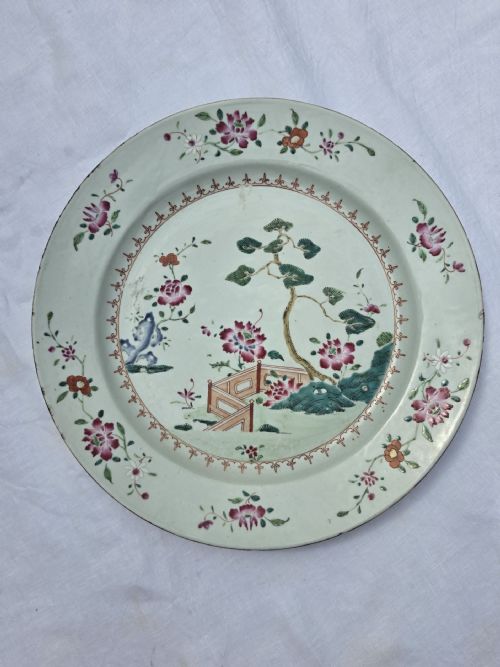
- A major palette of Chinese ceramic glazes introduced in the eighteenth century, distinguished by opaque pink or rose enamel colours. The style depicts floral and figural scenes.
- Kakiemon
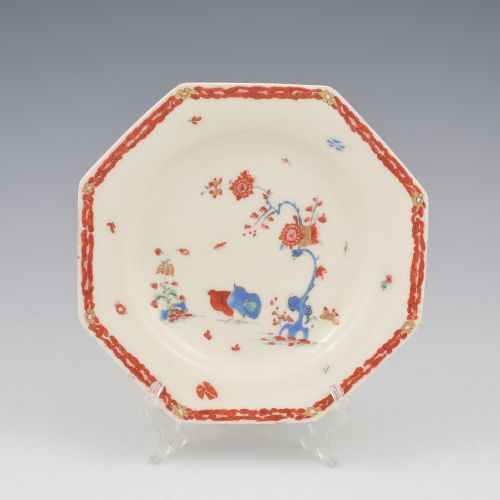
- An asymmetric style of Japanese enamel decoration featuring fine porcelain painted with distinctive iron-red, blue, green, and yellow enamels. The motifs often include birds and quails.
Enamel Display Plate: Frequently Asked Questions
How do I hang a heavy charger?
Large chargers require robust, adjustable brass or coated wire display hangers that distribute the weight evenly across the rim. Ensure the wall fixing is secured directly into a stud or uses a proper masonry plug.
Avoid spring-loaded clips with excessive tension that might chip the enamel or porcelain edge. Period plaques often benefit from custom-built wooden wall brackets.
Are these plates meant for food?
Display plates and large chargers serve a purely decorative function rather than a culinary one. Historic pigments and metallic foils are not formulated to withstand acidic foods or modern cutlery.
Cleaning should be limited to gentle dusting with a dry microfibre cloth to protect the delicate enamel and gilt surfaces.
What is the difference between Satsuma and cloisonne?
Satsuma ware consists of cream-coloured earthenware with a finely cracked ice glaze, painted with intricate multi-figure scenes and gold highlights. Cloisonne relies on metal wires and vitreous enamel pastes to build up images.
Both styles flourished during the Meiji period but utilise entirely distinct foundational materials and manufacturing processes.
How do I date a Japanese Meiji piece?
The Meiji period spans from 1868 to 1912, a time of rapid industrialisation and artistic export in Japan. Earlier pieces from the nineteenth century often display heavier copper bases and more subdued enamel tones.
Signed works frequently point to specific workshops active during the later decades of this era.