
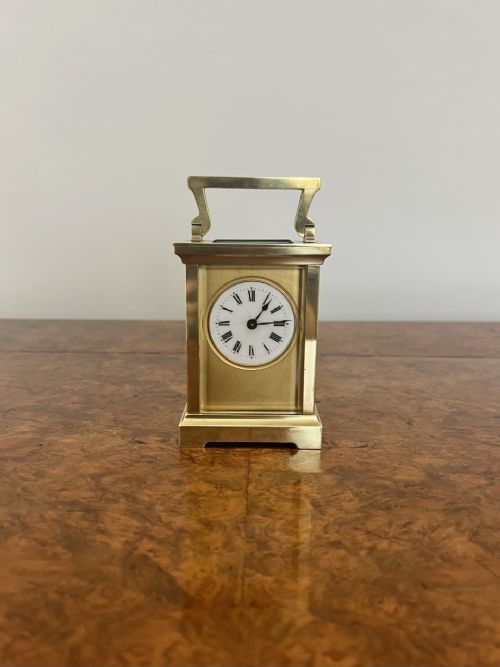


Mechanical Travel Clock
A mechanical travel clock is a portable timepiece designed for the road, offering precision timekeeping in a robust case.

Mechanical Travel Clock
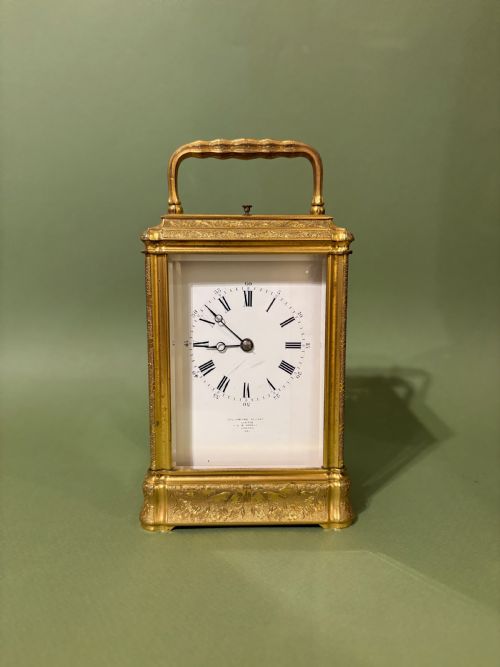
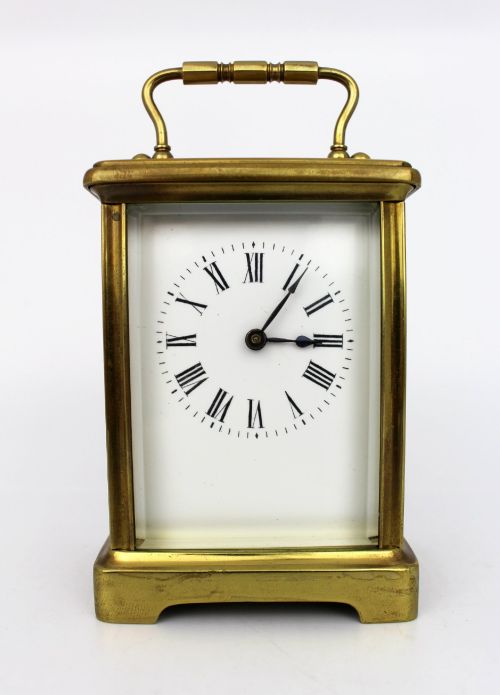
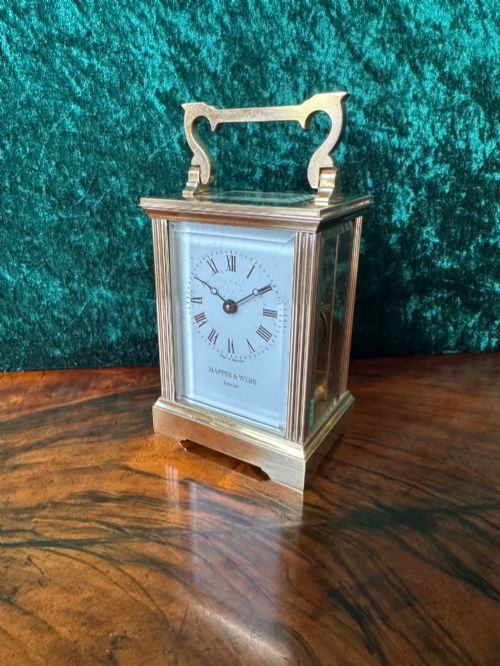
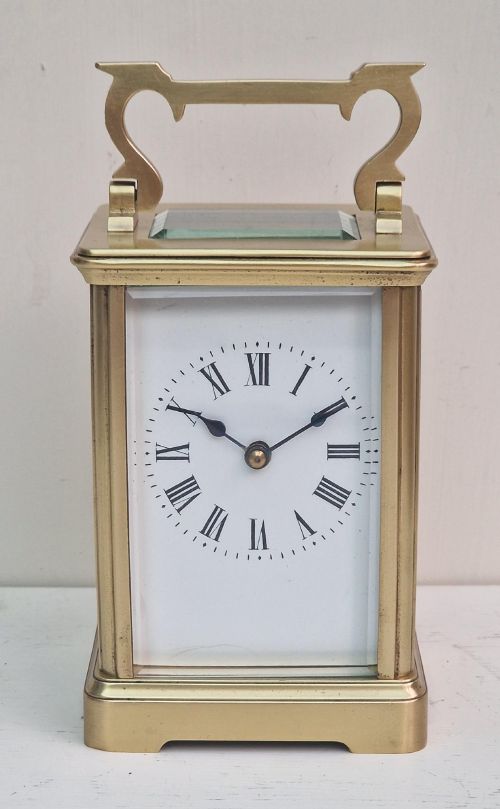
When you search for a mechanical travel clock, you are looking at portable timepieces primarily represented here by carriage clocks and travel watches originating from the nineteenth and twentieth centuries.
These instruments range from simple timepieces to complex examples featuring striking mechanisms, repeaters, and alarms designed for mobility.
Materials and construction
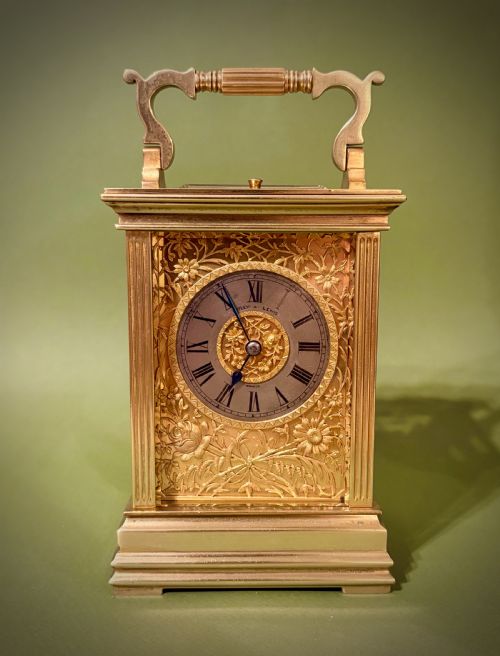
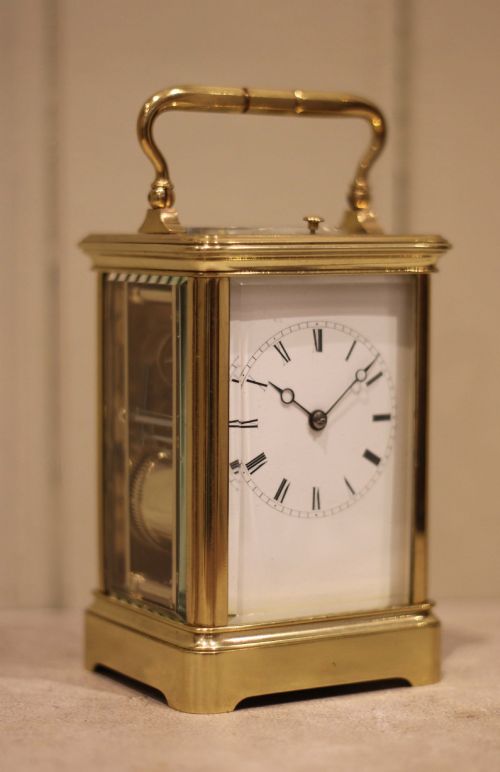
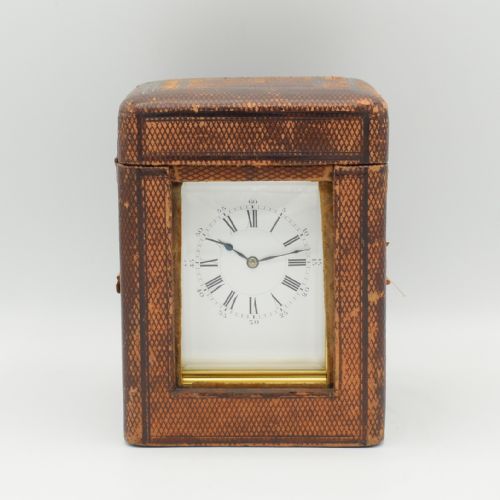
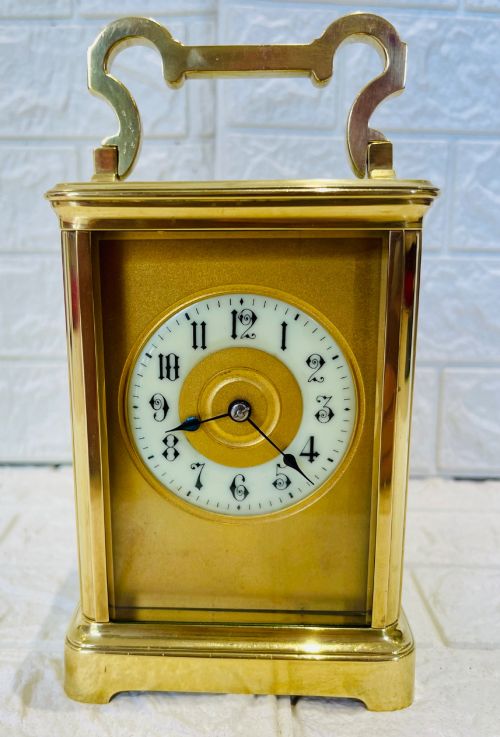
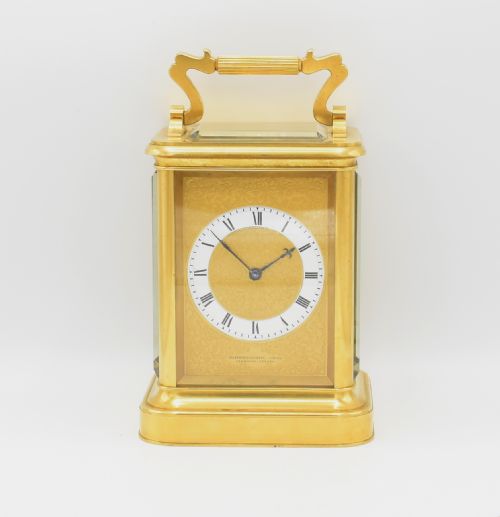
Makers built these clocks using robust metals such as brass, gilt brass, and gilt bronze, often housing them in protective leather travel cases.
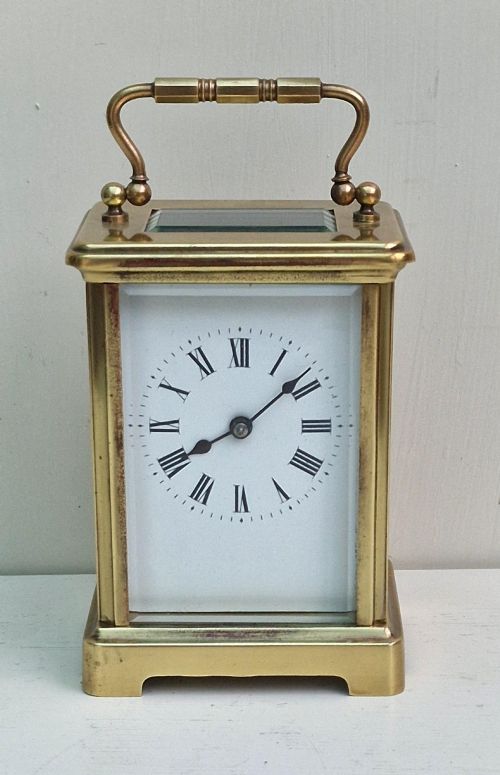
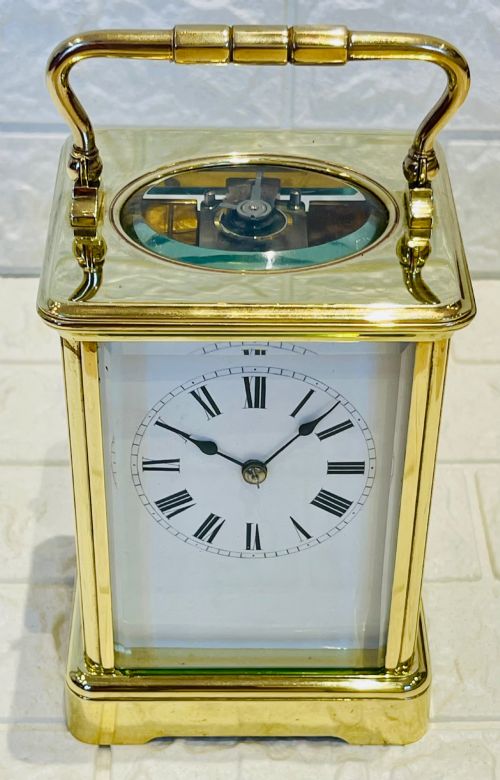
Glass panels frame the movements to allow visibility of the internal gears, while white enamel dials display the hours with distinct numerals.
Mechanical Travel Clock Retail Price Guide 2026
Typical asking prices for mechanical travel clock among the pieces listed under this phrase on Sellingantiques today, from the lower quarter to the upper quarter. They describe what is for sale here now, not the wider market.
French workshops dominate the origins, alongside notable British retailers and makers.
Qualities of distinction
The distinction between ordinary and superior examples lies in the complexity of the movement, such as the inclusion of quarter-striking or repeating functions rather than a simple time-only mechanism.
Engraving detail on the gilt brass cases and the presence of signed maker movements elevate certain pieces above standard production.
HENRI JACOT·Goldsmiths Alliance Ltd·Mappin and Web·Drocourt Paris·T. Martin & Co·C. Detouche Paris·Brunelot·Duverdrey & Bloquel·Latshea & Sons Edinburgh·Paul Garnier
The Mechanical Travel Clock Glossary
- Carriage clock
- A small, spring-driven clock designed for travel during the nineteenth century. These portable timepieces typically feature a rectangular brass case with glass viewing panels and a carrying handle on top.
- Repeater
- A mechanism that chimes the hours and quarters on demand when a lever or button is pressed. This complication allowed travellers to check the time in the dark.
- Pendule d'Officier
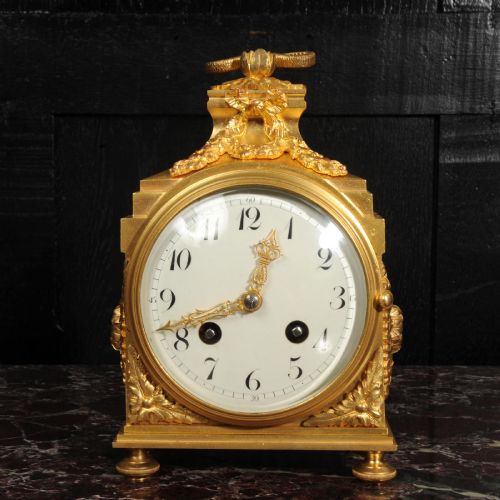
- A military-style officer's clock from the nineteenth century. These compact portable clocks were traditionally carried by officers on campaign.
Mechanical Travel Clock: Frequently Asked Questions
How do I wind a mechanical travel clock?
Use the dedicated winding key on the backplate to turn the arbors clockwise until resistance is felt. Care must be taken not to overwind the mainspring.
Time setting is typically handled via a separate arbor or a small lever located on the underside of the movement base.
Why does my carriage clock not strike correctly?
Striking trains can fall out of synchronization if the hands are moved backward or if the clock runs down during a strike sequence. Letting the mechanism complete its cycle usually resolves the issue.
Professional adjustment may be required if the internal rack and snail components are misaligned.
What is the purpose of the leather travel case?
Original leather cases protected the gilt brass frames and glass panels from the bumps and knocks of nineteenth-century journeys. They often featured a small viewing window so the dial remained visible.
Finding a mechanical travel clock with its fitted outer case adds significantly to its historical completeness.
How do repeating mechanisms work?
A repeating mechanism uses a train of gears and small gongs to sound the last elapsed hour and quarter-hour when activated by the user. It relies on a separate spring wound alongside the time train.
This intricate complication allowed nineteenth-century travellers to ascertain the time during the night without striking matches.