


Antique Musical Clock
An antique musical clock brings time and mechanics together, offering both precision timekeeping and mechanical melodies that collectors prize.
Antique Musical Clock
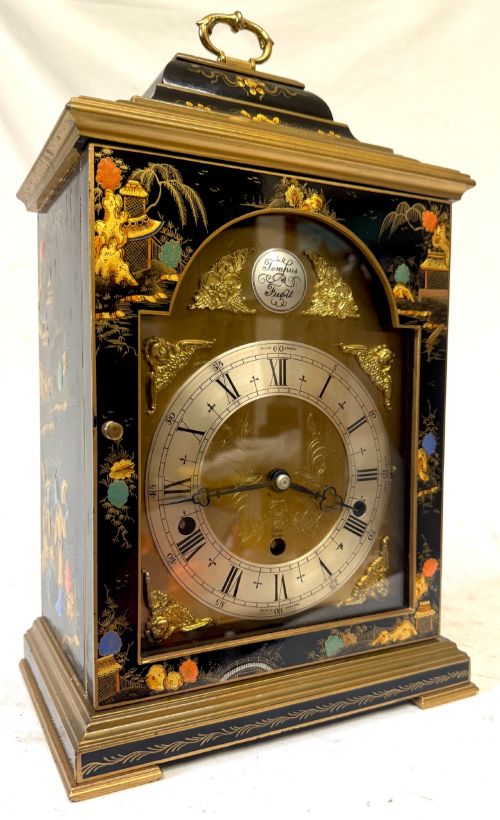
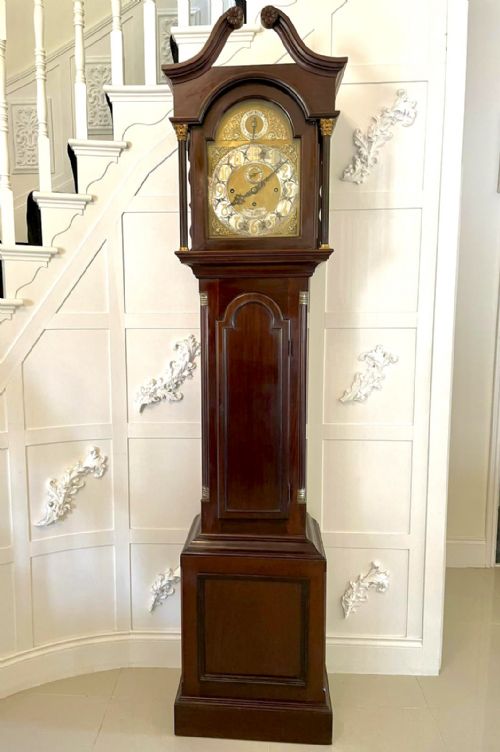
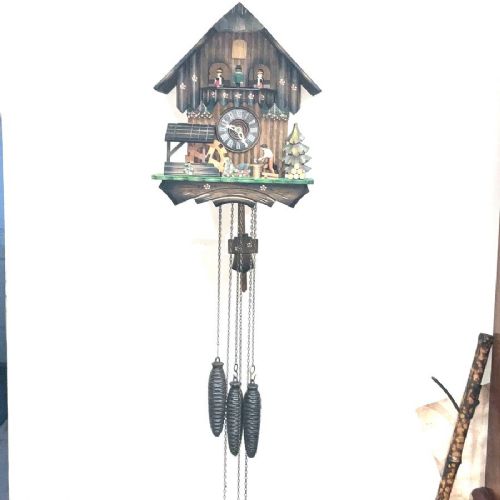
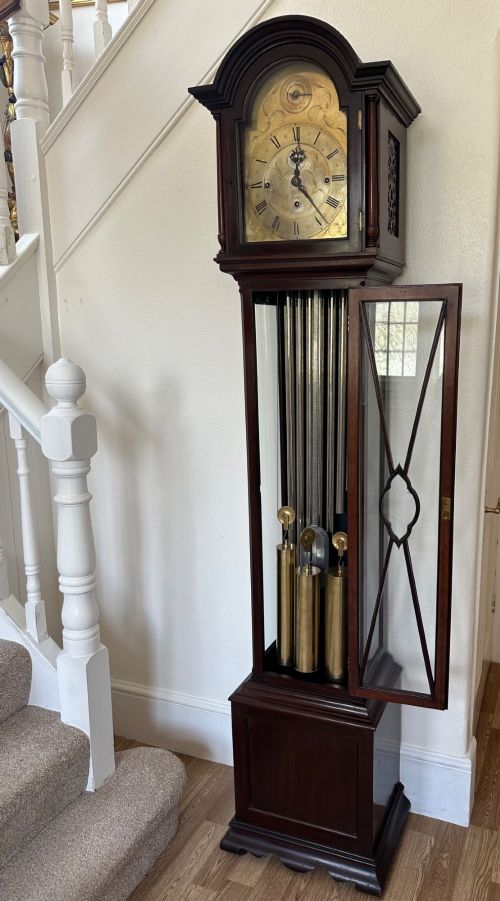
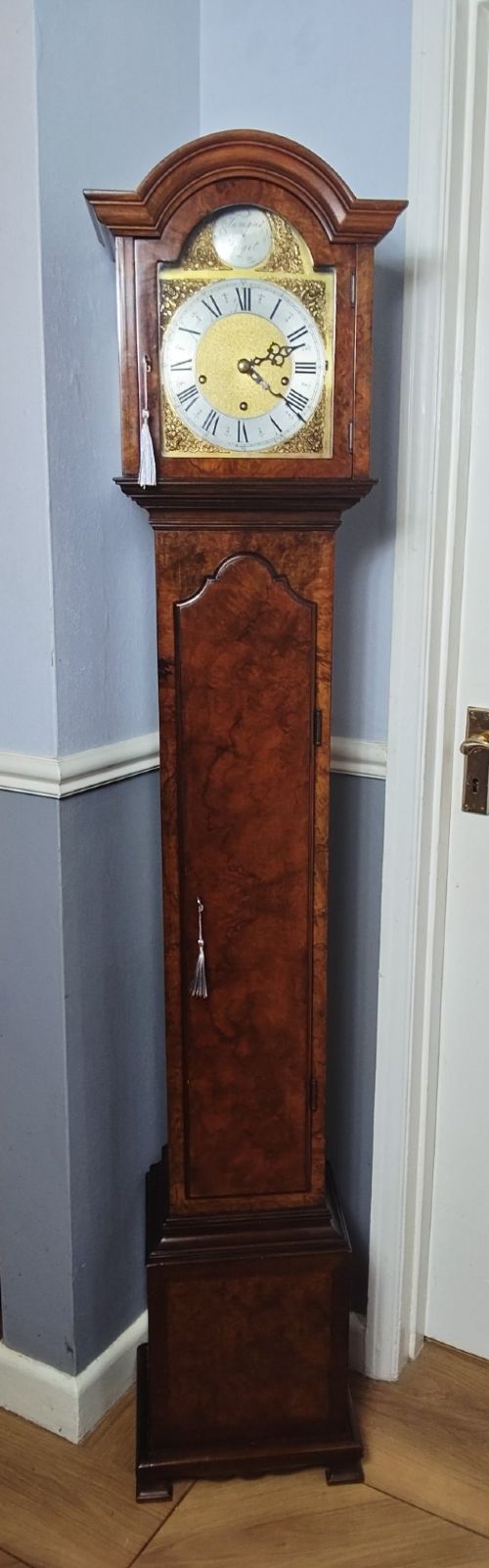
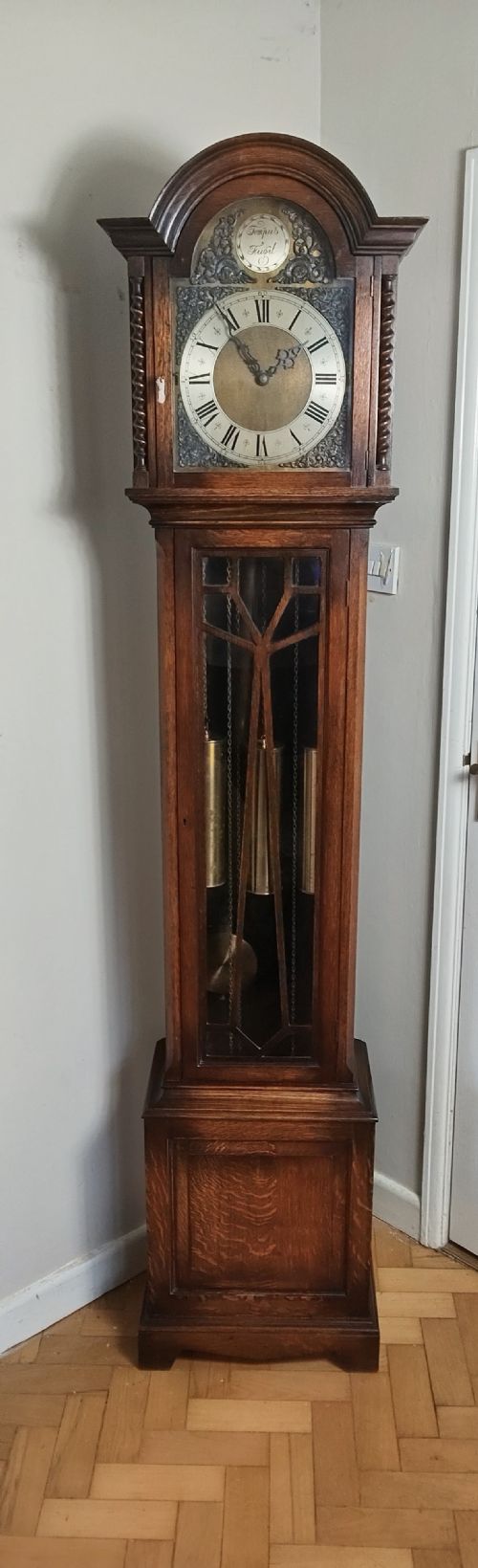
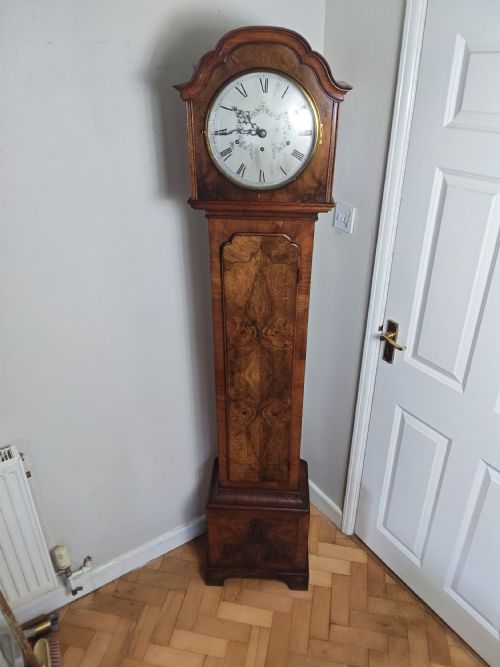
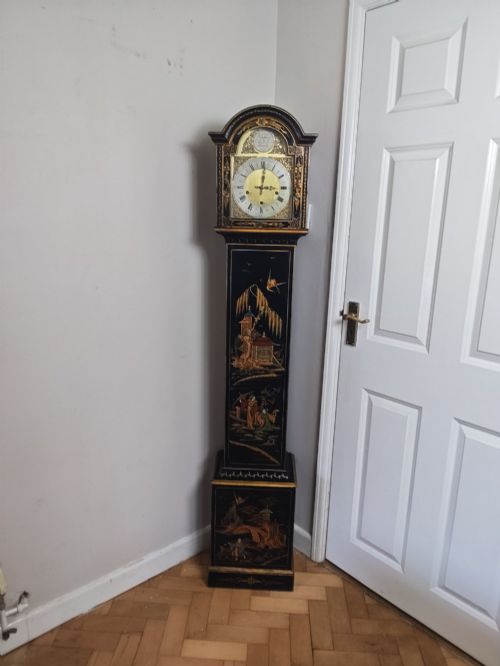
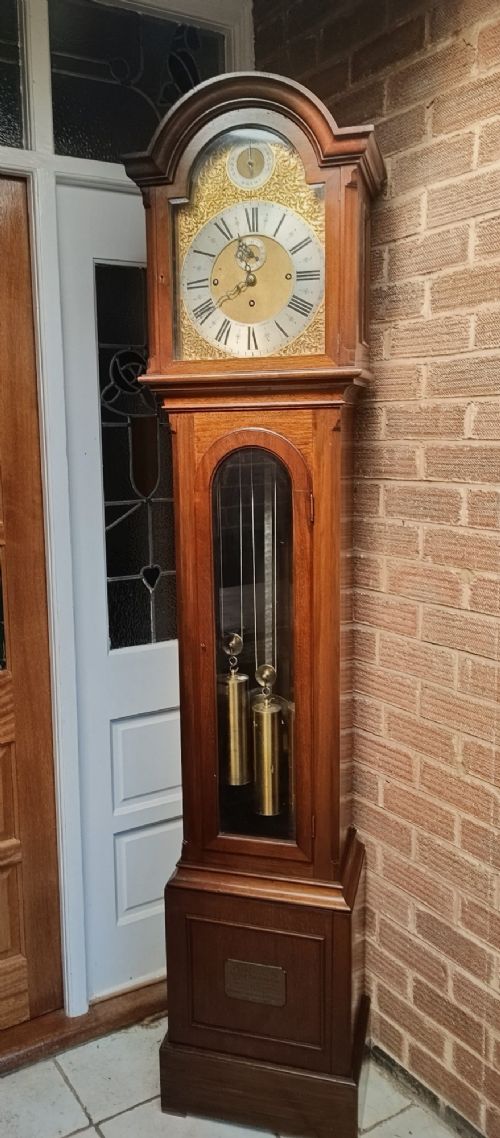
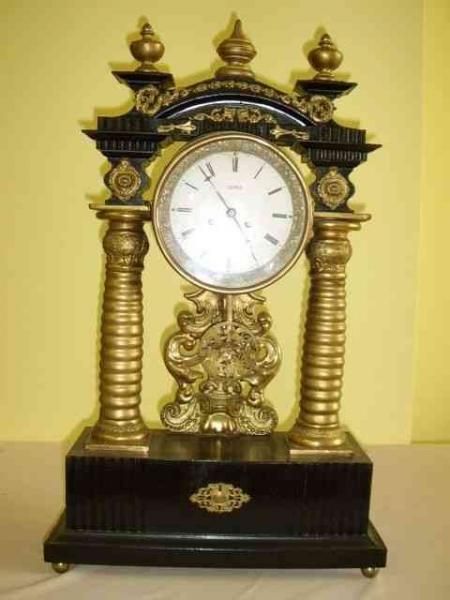
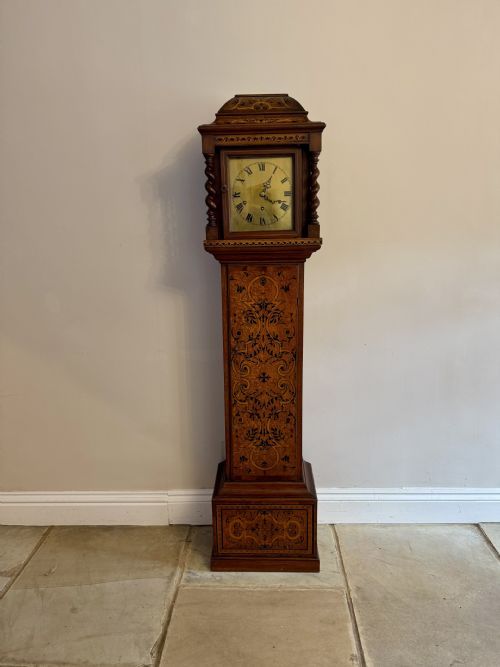
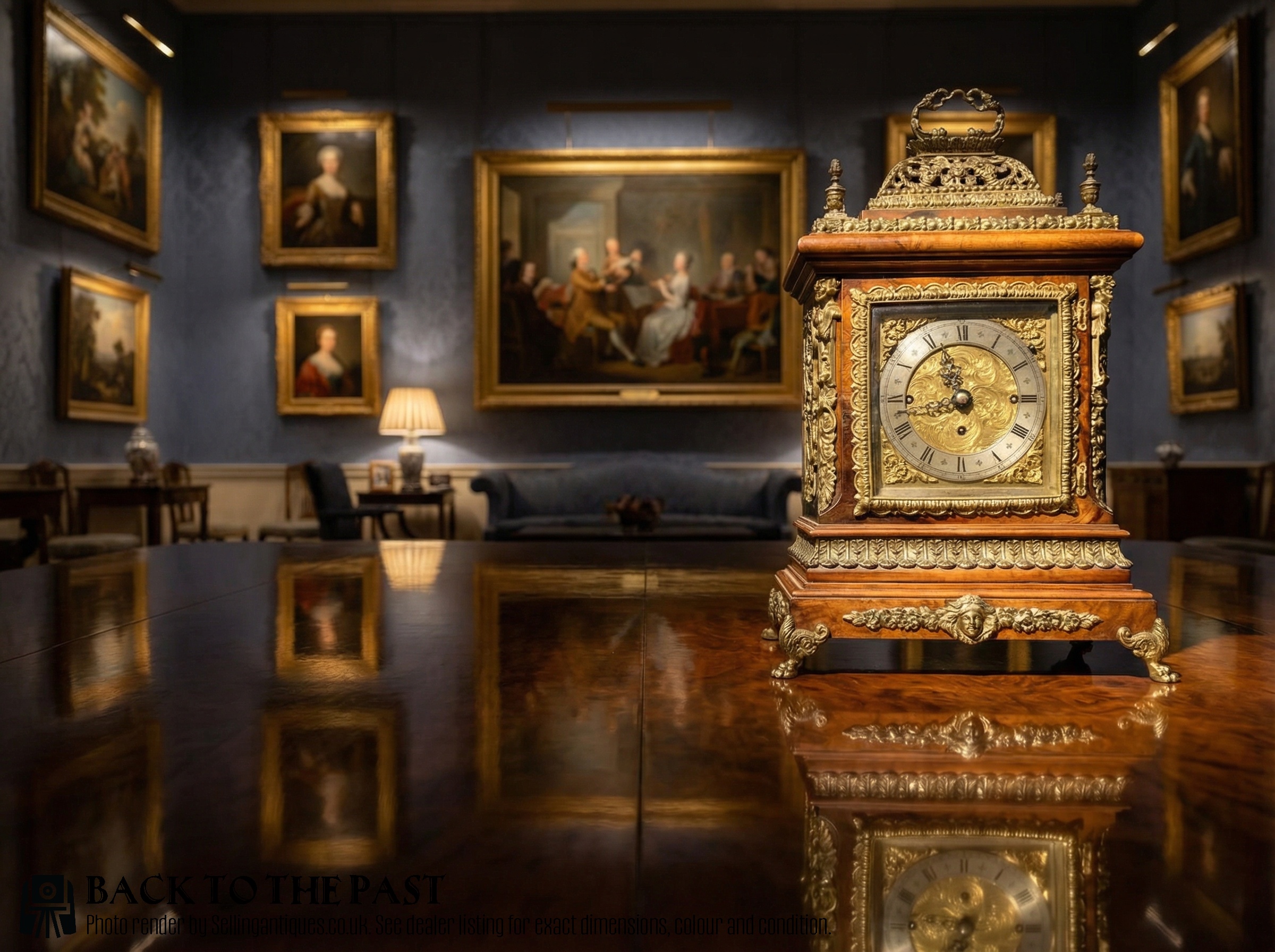
An antique musical clock combines horological work with mechanical chime or tune-playing cylinders and bells, spanning tall floor models to smaller shelf pieces. The forms seen across these listings range from tall longcase and grandfather clocks to bracket clocks, mantel clocks, and wall clocks.
Buyers meet examples originating from the eighteenth century through the Edwardian period and the 1930s, constructed in styles like Georgian Revival, French Empire, and Chinoiserie. Floor-standing grandfather and grandmother clocks in mahogany, oak, and walnut dominate the selection, alongside table and bracket pieces.
Materials and construction
Maker workshops housed these complex movements within cabinet timbers such as mahogany, oak, walnut, and ebonised wood, often enhanced with marquetry inlay and brass mounts. Ormolu, glass, and enamel details frequently finish the dial faces and decorative mounts.
The internal mechanics rely on heavy brass gear trains, fusee drives, and intricate pin barrels or tubular bell arrangements to strike tunes or chimes across multiple bells.
Some tall clocks include moving phases of the moon and zodiac charts on the dial to keep track of the heavens.
Assessing quality in movements and cases
Quality separates by the complexity of the musical movement, such as triple fusee setups and multi-bell or tubular chime mechanisms, contrasted against simpler chime trains. The refinement of the cabinet work, from figured burr walnut veneers to hand-carved mahogany and marquetry, dictates the tier of the piece.
Signed dials bearing recognised maker or retailer names add distinction to the horological work, reflecting the workshop standards of the period.
Winsor Bishop Norwich·Elliott·Bravingtons·Francis Perigal London·Winterhalder W H·Lister And Sons·Camerer Cuss And Co·Geo Tarratt Of Leicester·Bently And Beck London·John Bagshaw And Sons Liverpool·Asselin London
The Antique Musical Clock Glossary
- Fusee
- A conical pulley used in clock movements to maintain even tension on the chain as the mainspring unwinds. This mechanism helps the clock maintain accurate timekeeping as its power reserves decrease.
- Grandmother clock
- A smaller version of the traditional longcase or grandfather clock, standing with a slender proportions suited to lower ceilings. These pieces gained popularity during the early twentieth century.
- Bracket clock
- A portable clock designed to sit on a table, shelf, or matching bracket. They often feature elaborate carrying handles and detailed wood or ormolu cases.
- Ormolu
- Gilded bronze applied to clock cases and decorative mounts. This technique provides a bright metallic finish that complements rich timber cabinets.
Antique Musical Clock: Frequently Asked Questions
How do I wind an antique musical clock?
Winding requires a matching key inserted into the winding holes on the dial face, turning gently until resistance meets the spring. Care must be taken not to overwind the time, strike, or musical trains.
For weight-driven longcase clocks, the weights are drawn up slowly via their cords or chains. Ensure the mechanism completes its tune cycle before adjusting the hands.
Where should I place a longcase clock?
Position the longcase against a sturdy interior wall away from direct sunlight, heating vents, and damp areas. Temperature shifts can affect the wood case and the adjustment of the pendulum.
Level the case firmly on the floor using its internal feet so the pendulum swings evenly and the tick remains true.
How do I tell an Edwardian clock from a Victorian one?
Victorian clocks often display heavier proportions, rich carved mahogany, and traditional brass dials with robust striking movements. Edwardian pieces frequently lean towards lighter inlaid marquetry, slim grandmother proportions, or revival styles.
Examining the internal movement stamps, timber finish, and dial typography helps confirm the period of manufacture.
Can the musical mechanism be played independently?
Many musical clocks feature lever controls on the dial face to select chime tunes, silence the music, or set automatic play modes. These levers shift the pins or hammers relative to the bells and cylinders.
Consulting a professional horologist helps ensure these selection levers are operated correctly without damaging the delicate pins.