


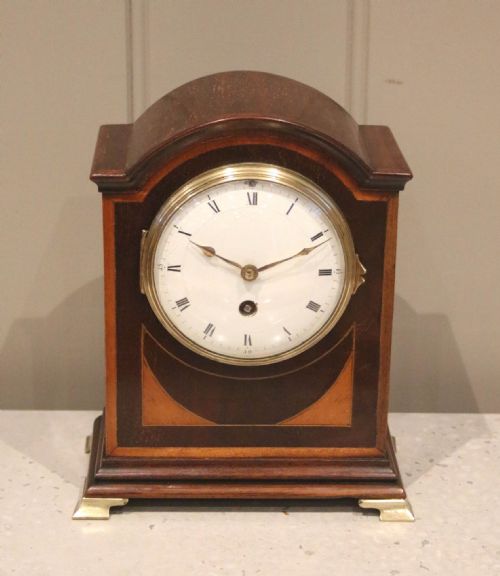

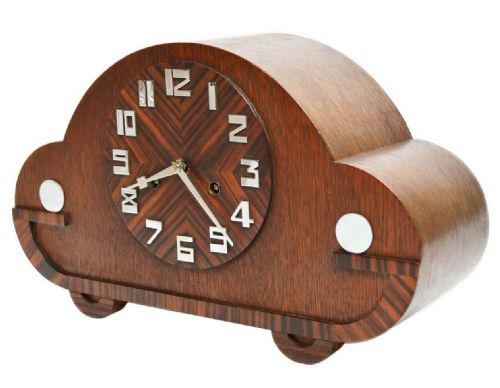


Chimney Mantel Clock
These chimney mantel clock pieces are dependable timepieces designed for domestic display, bringing period character to a fireplace or shelf.
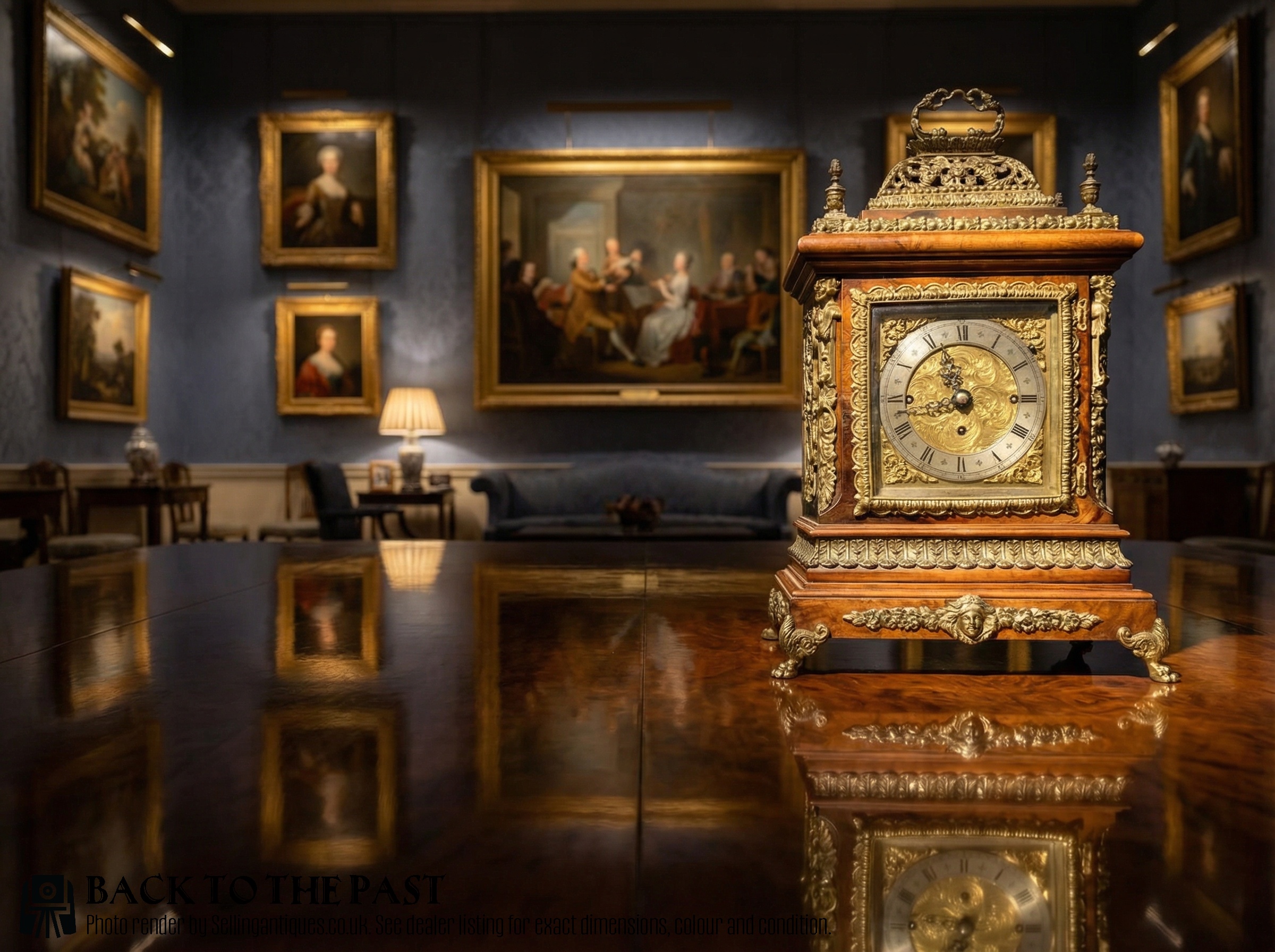
Chimney Mantel Clock
When you search for a chimney mantel clock, you encounter timepieces produced across the nineteenth and twentieth centuries, spanning periods from Victorian to Art Deco. The selection commonly includes bracket clocks, table clocks, and traditional mantel designs originating from English and French makers.
Most examples found here date from the Victorian era up through the nineteen-thirties, with wooden cases in mahogany, walnut, and oak being typical. These domestic clocks were built to sit upon a mantelpiece, combining practical timekeeping with the decorative taste of their respective periods.
The styles range from ornate Victorian Classical Revival and Belle Epoque pieces to streamlined Art Deco designs and hand-carved Arts and Crafts models. Each piece reflects the dominant interior fashions of its time, utilising characteristic materials and cabinetmaking techniques.
How they were made
Cabinetmakers constructed the clock housings using dense timbers such as mahogany, walnut, and oak, frequently incorporating satinwood inlay or faux tortoiseshell finishes for visual depth. Ormolu mounts and brass details provide structural accents and decorative framing for the dials.
Dials often feature enamel numerals protected beneath glass covers, while internal movements rely on precision engineering to drive fusee and eight-day mechanisms. Hand-carved wooden elements appear on Arts and Crafts examples, demonstrating traditional joinery and carving skills.
Some boardroom musical clocks were built with multiple gear trains so they could chime tunes in addition to marking the hour.
What varies in quality
The standard of cabinetwork and timber selection dictates much of the visual appeal, with figured mahogany and finely executed satinwood inlay representing superior craftsmanship over plain wood surfaces. The crispness of hand-carving on oak cases and the refinement of cast ormolu mounts further distinguish finer examples.
Movement sophistication also plays a role, as complex fusee mechanisms and signed dials from established makers demonstrate a higher grade of horological production. The preservation of original enamel dials and glass components maintains the integrity of the piece.
Bravingtons Ltd of London·Payne and Co London
The Chimney Mantel Clock Glossary
- Fusee
- A conical pulley used in clock movements to maintain an even pull as the mainspring unwinds. This mechanism helps the clock maintain consistent timekeeping accuracy throughout its running cycle.
- Ormolu
- Gilded bronze or brass applied to clock cases for decorative effect. The technique produces a rich metallic finish characteristic of French and Victorian decorative arts.
- Bracket clock
- A portable clock originally designed to sit on a wall bracket or table. These pieces typically feature substantial wooden cases and high-grade mechanical movements.
- Enamel
- A glassy substance fused to metal dials to create a smooth, durable surface for numerals. Enamel dials provide a crisp, clean background that resists fading over time.
- Satinwood
- A light-coloured timber native to Ceylon and India, used extensively for decorative stringing and inlay work. Its reflective grain adds contrast to darker woods like mahogany and walnut.
Chimney Mantel Clock: Frequently Asked Questions
What is a chimney mantel clock?
A chimney mantel clock is a domestic timepiece designed to stand on a mantelpiece or shelf. These pieces range from Victorian mahogany bracket clocks to Art Deco designs.
They combine mechanical movements with decorative wooden or marble cases to serve as both functional clocks and room ornaments.
How do I wind an antique clock?
Antique clocks require a key inserted into the dial to wind the spring mechanism. Care must be taken not to overwind the movement.
Most traditional domestic clocks run for eight days or require fusee maintenance to keep accurate time.
Where should I place my clock?
These clocks look best on a mantelpiece, shelf, or dedicated bracket mounted to a wall. Placement should avoid areas with excessive moisture or direct sunlight.
Ensuring the surface is level helps the pendulum or internal mechanism beat evenly.
How do I identify the period?
Period identification relies on examining the case style, materials, and dial characteristics. Victorian pieces often feature heavy mahogany or marble, while Art Deco clocks show geometric forms.
Maker signatures and specific mechanical layouts also help date the piece.