
Mechanical Brass Timepiece
A mechanical brass timepiece measures the hours through intricate gears and balances, offering precision and lasting engineering from centuries past.
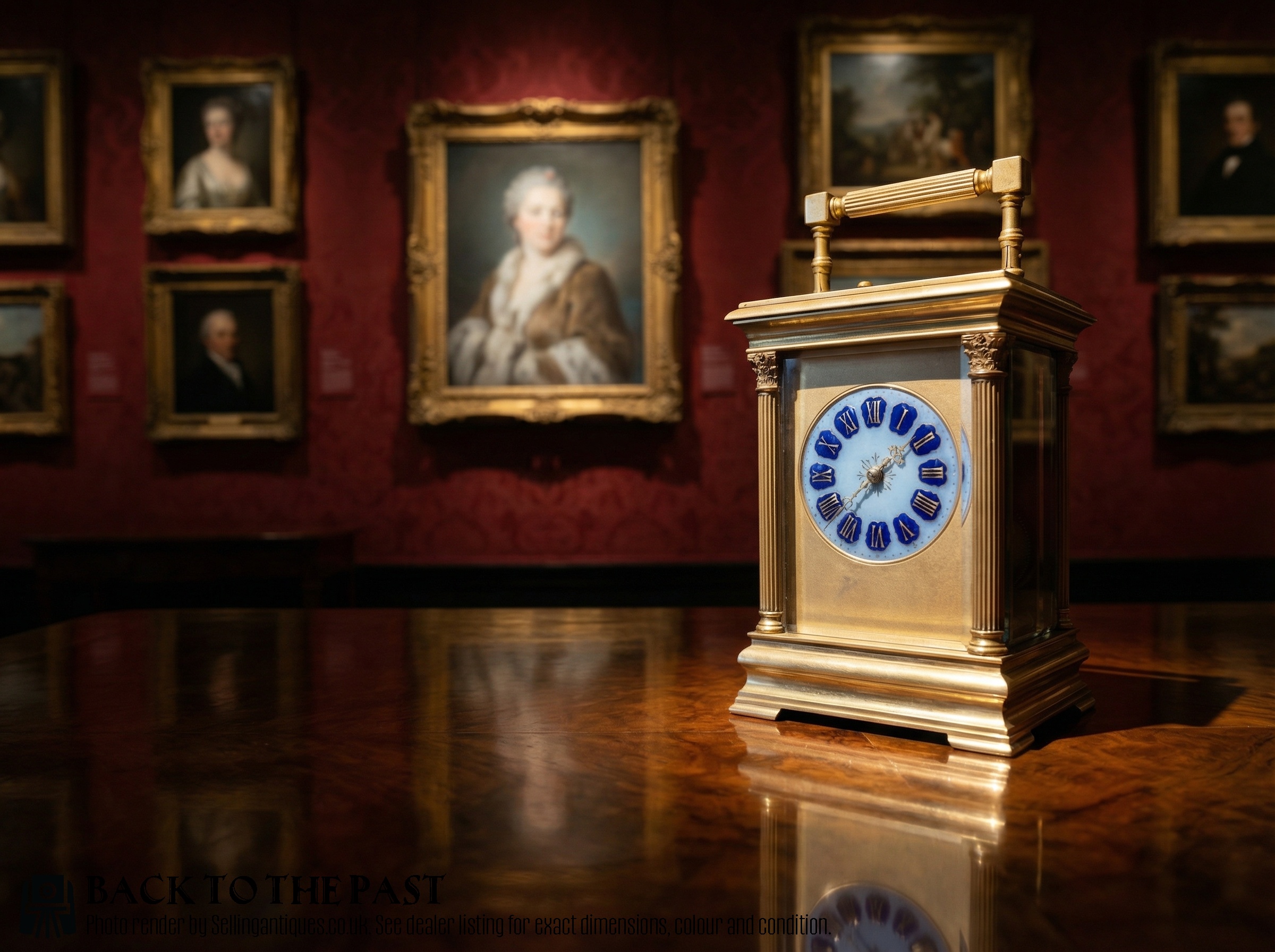
Mechanical Brass Timepiece
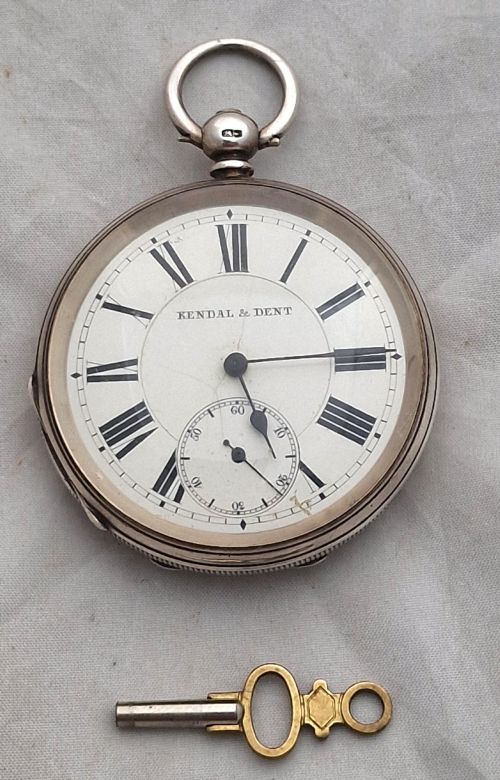
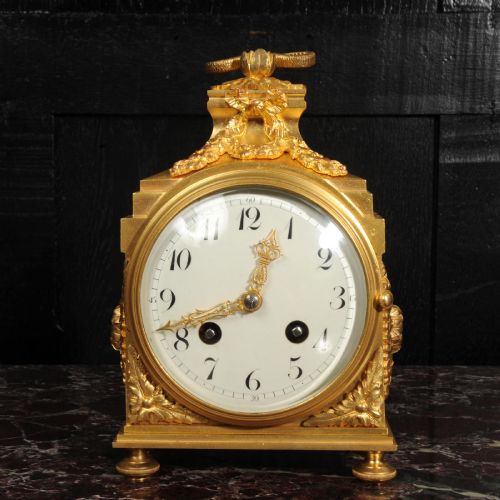
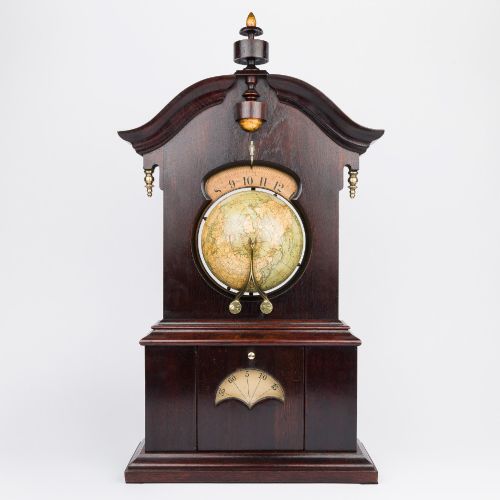
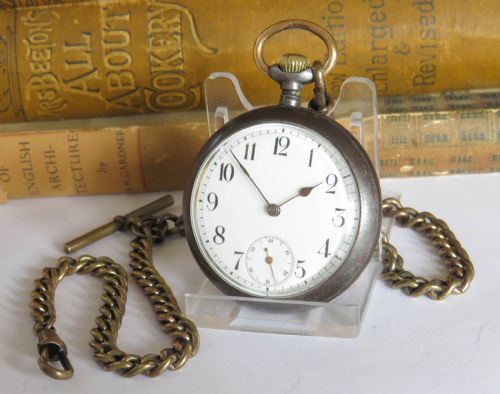
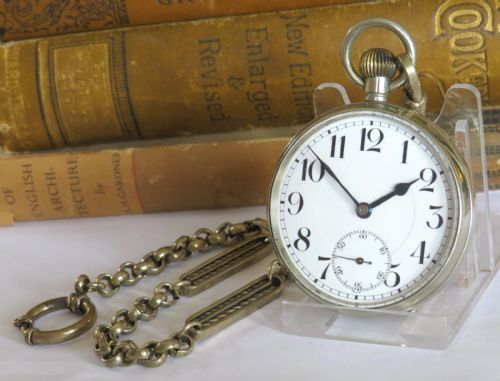
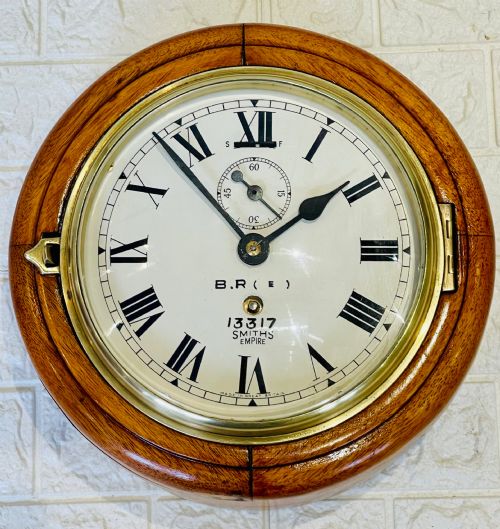
A mechanical brass timepiece encompasses portable pocket watches, substantial mantel clocks, and heavy carriage clocks designed for travel or domestic use. These objects originate from periods spanning the nineteenth century through the art deco era, reflecting shifts in horological design and manufacturing.
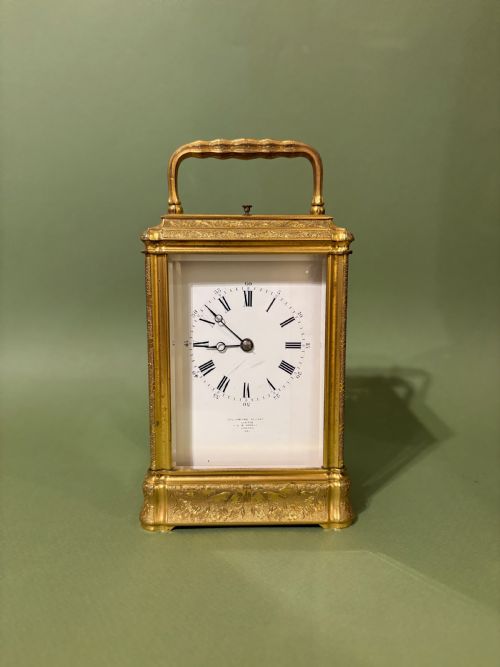
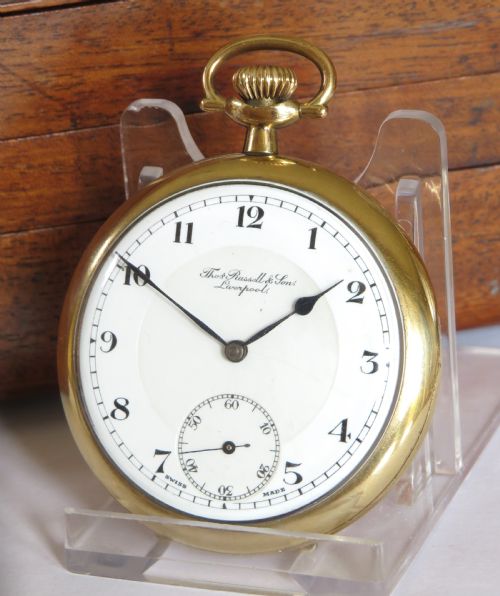
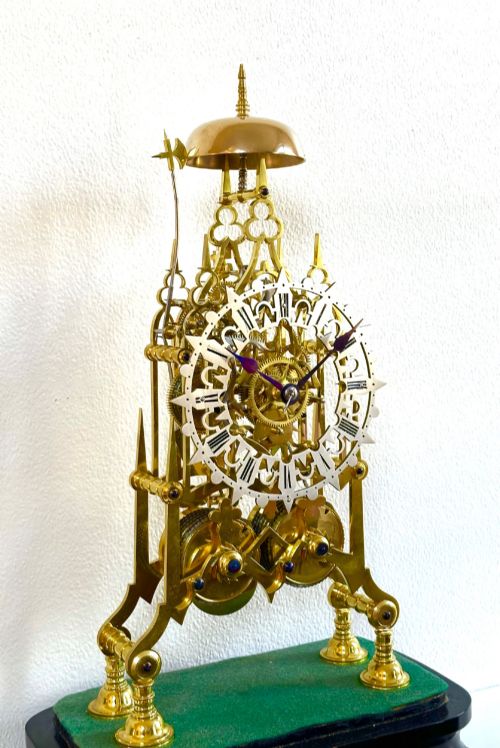
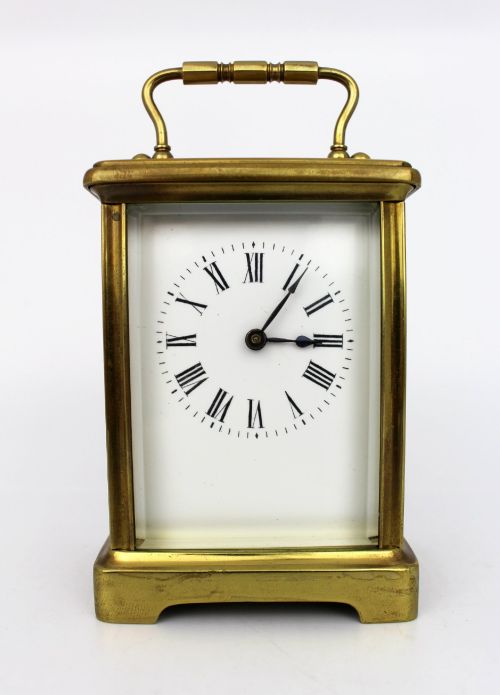
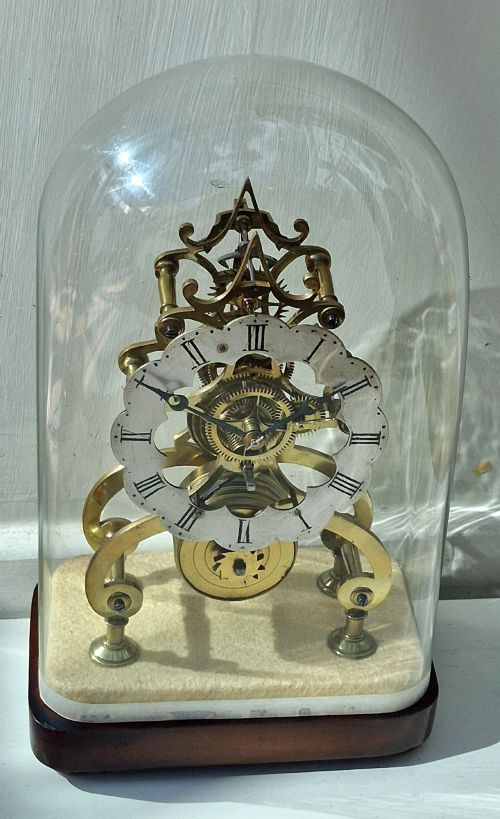
The most frequent encounter on this page is the brass carriage clock, alongside pocket watches and skeleton clocks housed in glass domes. These pieces combine functional timekeeping with visible brass framing and enamel dials, representing both British and continental European workshops.
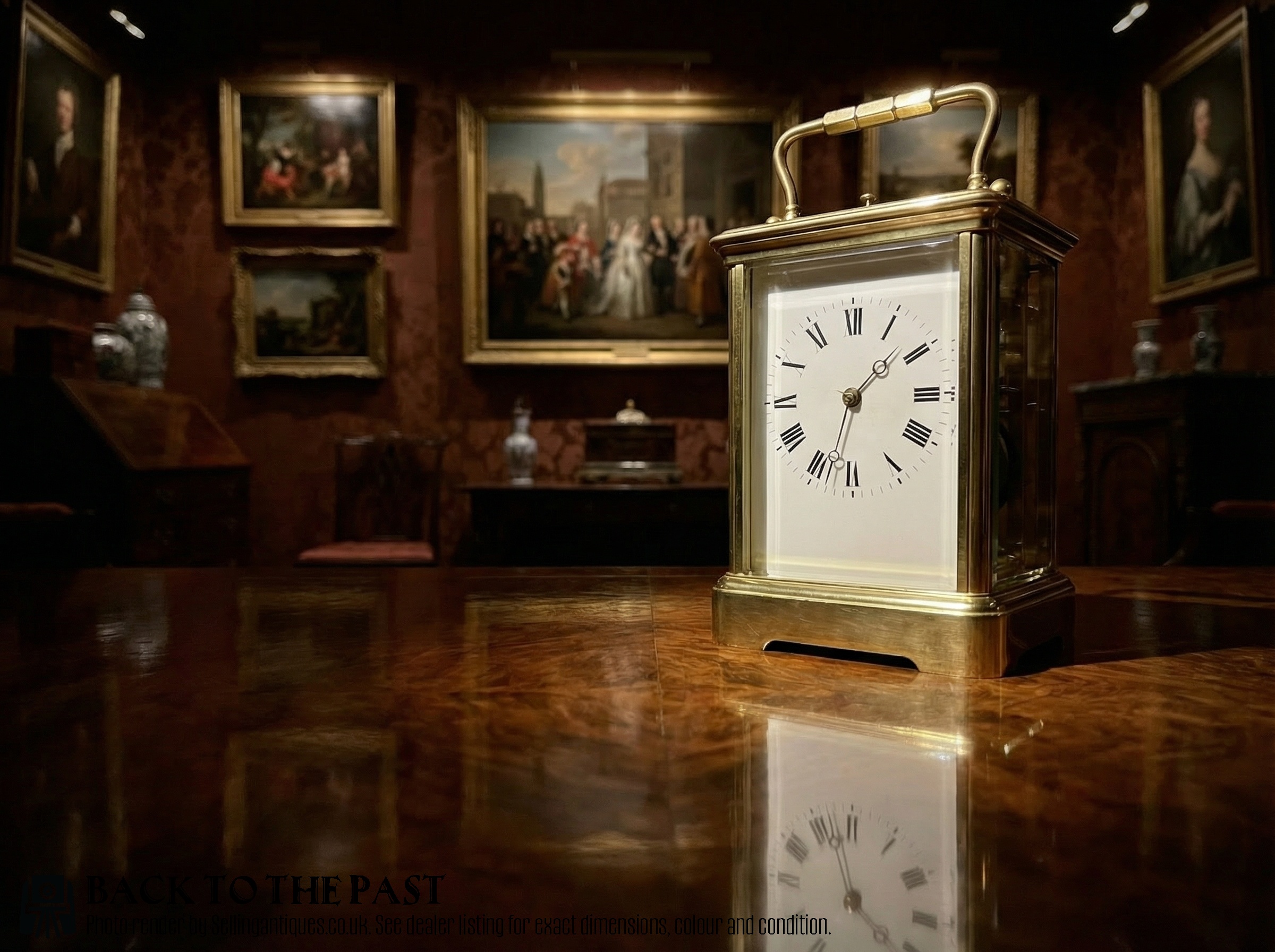
How they were made
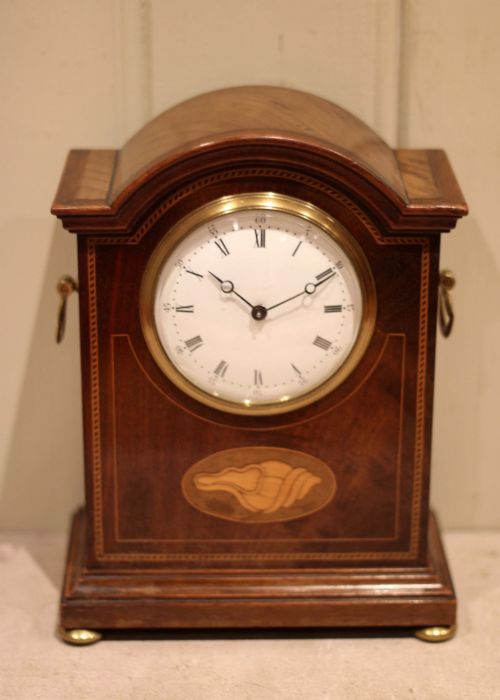
Makers constructed movements using brass plates, steel pinions, and glass panels to protect delicate gear trains while permitting a clear view of the escapement. Dials incorporated white enamel with painted Roman or Arabic numerals, sometimes complemented by silvered metal chapter rings.
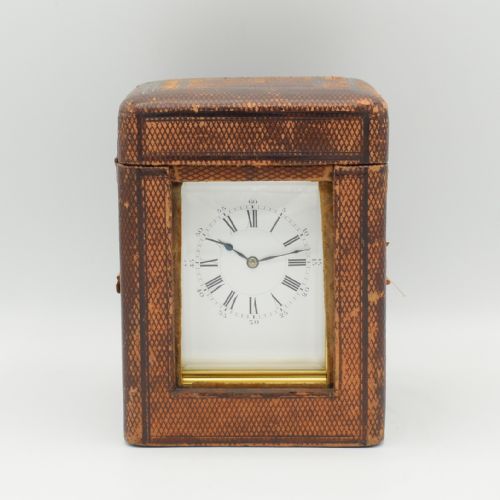
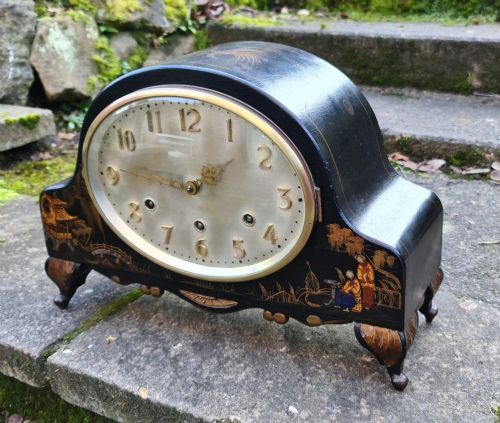
Outer cases integrated timber such as oak or mahogany, occasionally featuring inlaid details or gilt ormolu mounts. Travel pieces included leather or wooden protective cases designed to shield the brass housing during transit.
Mechanical Brass Timepiece Retail Price Guide 2026
Typical asking prices for mechanical brass timepiece among the pieces listed under this phrase on Sellingantiques today, from the lower quarter to the upper quarter. They describe what is for sale here now, not the wider market.
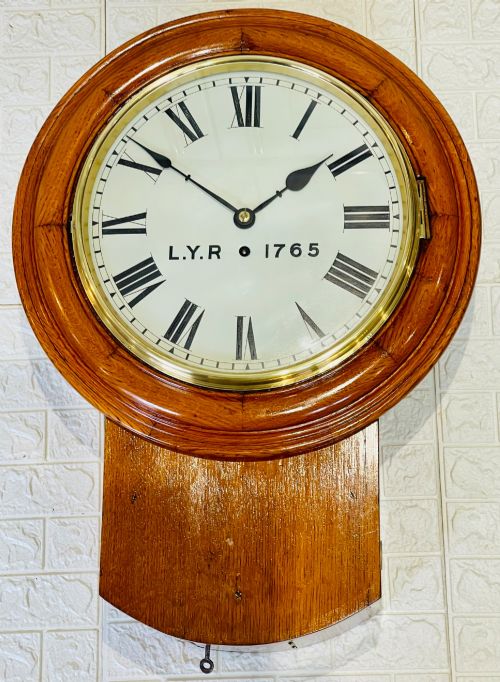
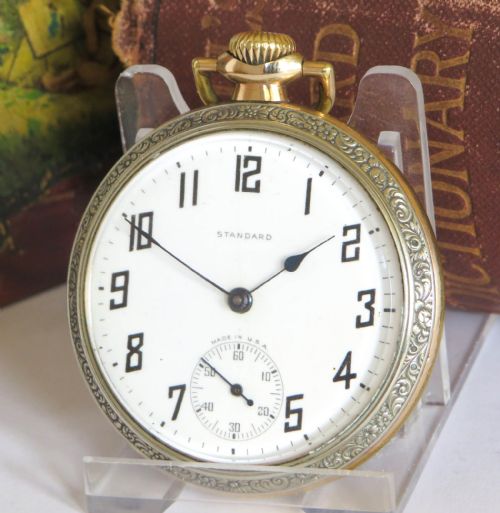
Some pocket watches bear the names of railway companies, keeping time for workers who coordinated steam trains across busy nineteenth-century networks.
What varies in quality
The distinction between standard production and superior craftsmanship rests in the complexity of the movement, such as the inclusion of fusee mechanisms or striking and repeating trains. Master clockmakers executed hand-finished gears and inscribed their signatures on the brass backplates, elevating the horological merit.
Case execution also differentiates the tier of a piece, from simple moulded brass frames to heavy gorge cases with hand-polished bevelled glass panels. The precision of the escapement adjustment and the retention of original travel cases contribute to the standing of an individual clock.
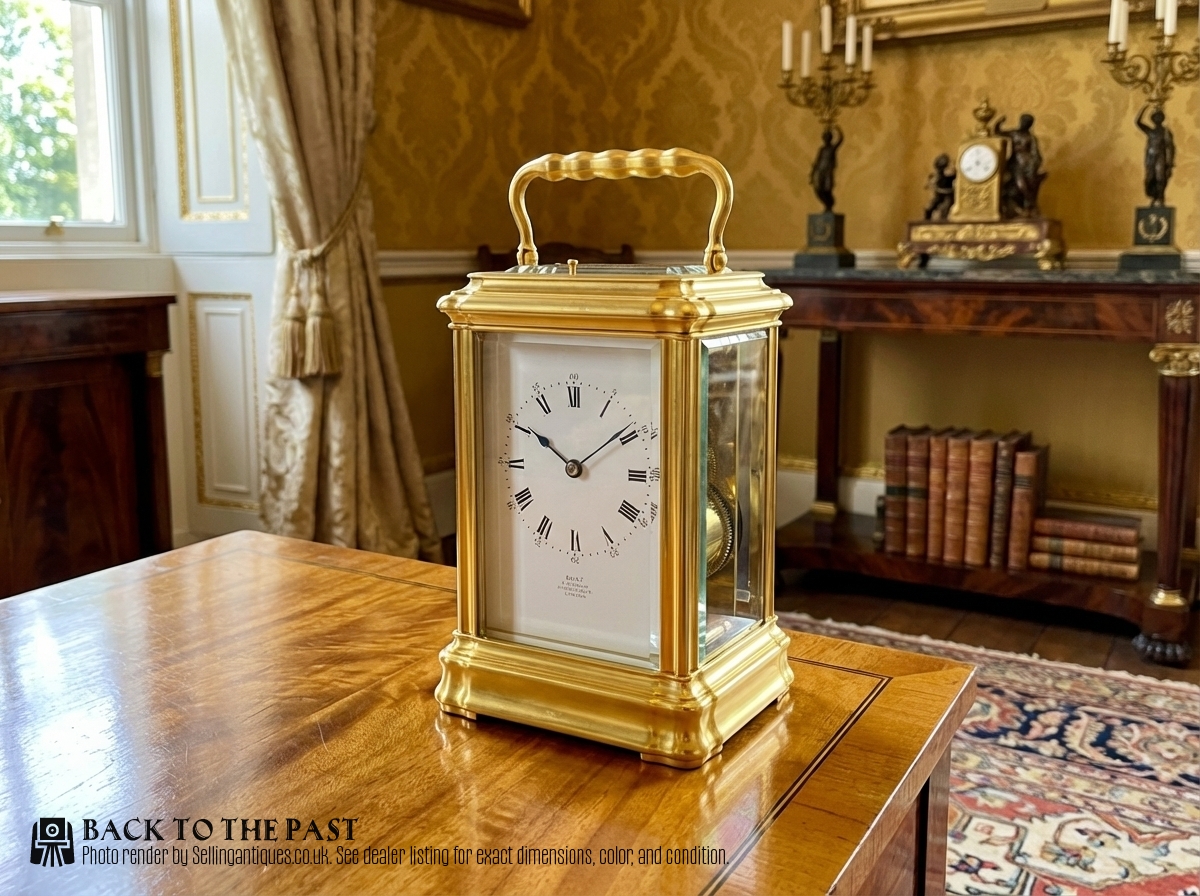
Henri Jacot·Thomas Russell and Son·Mappin and Webb·Drocourt Paris·Richard Winter of Chieveley·Pickford of London·C Detouche Paris·T Martin and Co·Kendal and Dent
The Mechanical Brass Timepiece Glossary
- Fusee
- A conical pulley connected to the mainspring by a chain or cord, designed to equalise the torque as the spring unwinds. This mechanism improves timekeeping consistency throughout the power reserve.
- Escapement
- The mechanical linkage that translates the rotary motion of the gear train into controlled impulses to maintain the oscillation of the balance wheel or pendulum. It produces the characteristic ticking sound of the clock.
- Carriage clock
- A small, spring-driven clock originally designed for travellers, featuring a handle on top and glass panels on all sides to view the movement. They frequently incorporate alarm or striking complications.
- Skeleton clock
- A timepiece with an open framework designed to expose the entire gear train and movement to view, typically protected by a glass dome. These pieces highlight the intricate architecture of the mechanical components.
Mechanical Brass Timepiece: Frequently Asked Questions
How do I wind a mechanical carriage clock?
Insert the winding key into the appropriate arbour on the backplate and turn it gently clockwise until resistance is felt. Care must be taken not to overwind the mainspring.
For clocks with striking complications, ensure the striking train is synchronised and avoid forcing the hands backwards past the hour.
What is the difference between a fusee and a spring-driven movement?
A fusee movement uses a conical pulley and chain to maintain even force from the mainspring as it unwinds. This produces more stable timekeeping than a standard spring-driven barrel.
Spring-driven movements store power directly within a barrel drum, which is simpler in construction but yields slightly decreasing torque as power diminishes.
Where were carriage clocks placed in a nineteenth-century home?
Carriage clocks sat upon mantelpieces, desks, or bedside tables where their portable nature allowed them to be moved between rooms. Their enclosed glass cases protected the delicate movements from domestic dust.
They also travelled in bespoke leather cases inside carriages or luggage during journeys.
How do I identify the date of a brass timepiece?
Dating relies on stylistic clues such as the shape of the brass case, the font of the numerals on the enamel dial, and signature engraving on the backplate. Victorian and Edwardian examples often exhibit distinct proportions and escapement designs.
Maker signatures and serial numbers recorded by workshops also help narrow the period of production.