
Marquetry Wooden Box
Marquetry wooden boxes bring together centuries of intricate craftsmanship and practical storage, offering fitted interiors and detailed surface patterns that define period design.
Marquetry Wooden Box
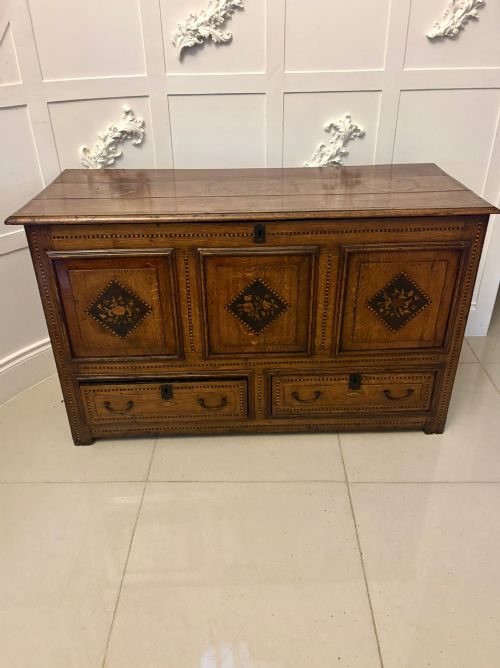
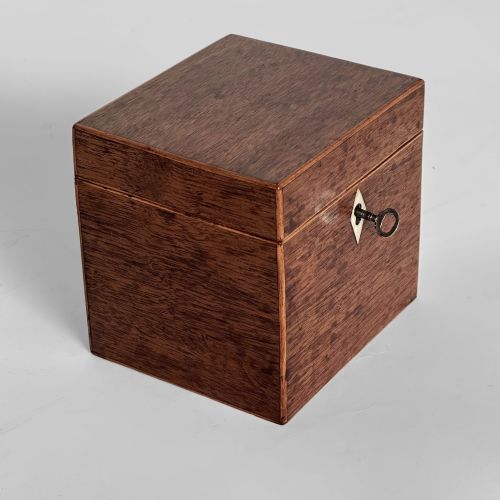
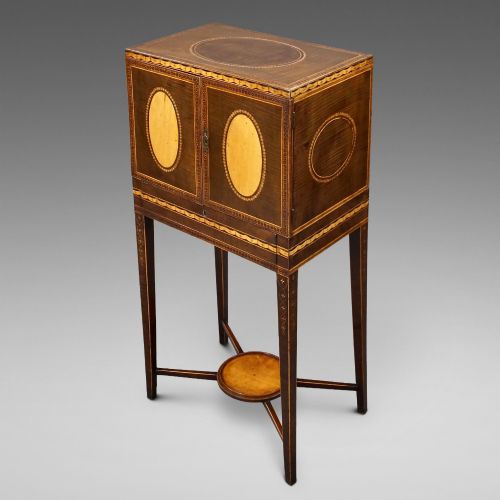
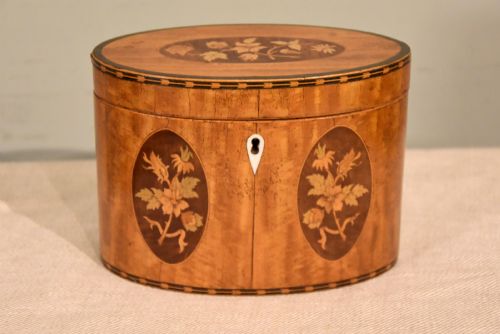
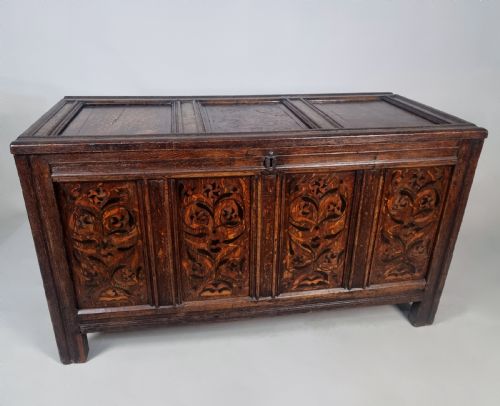
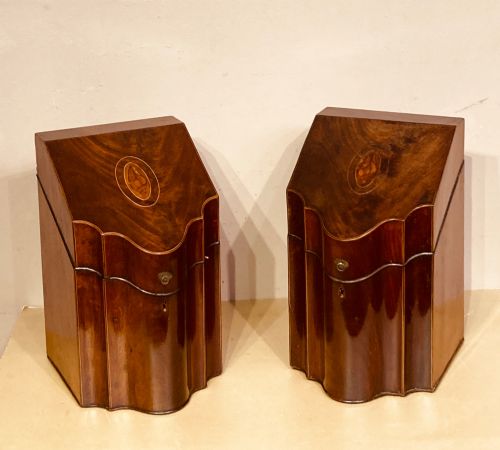
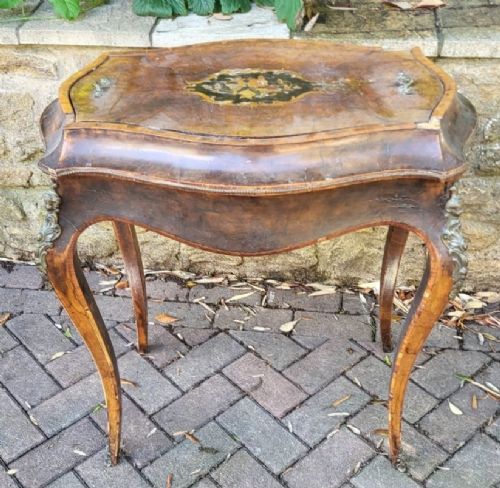
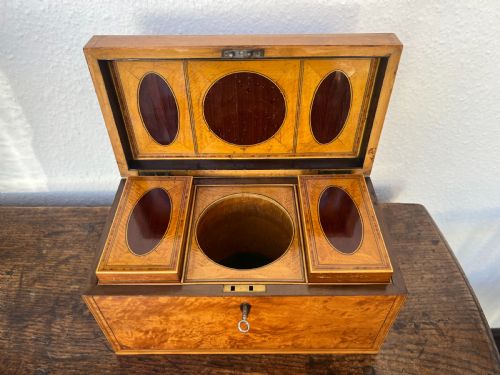
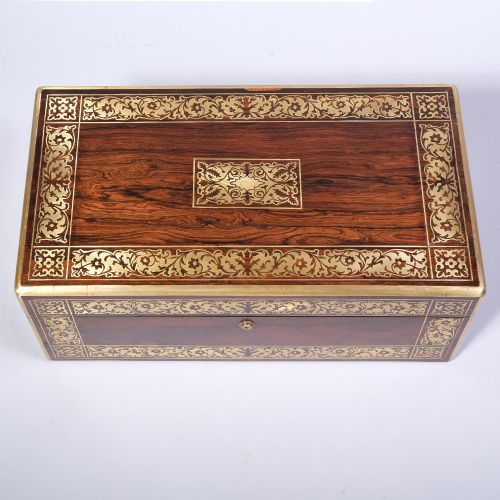
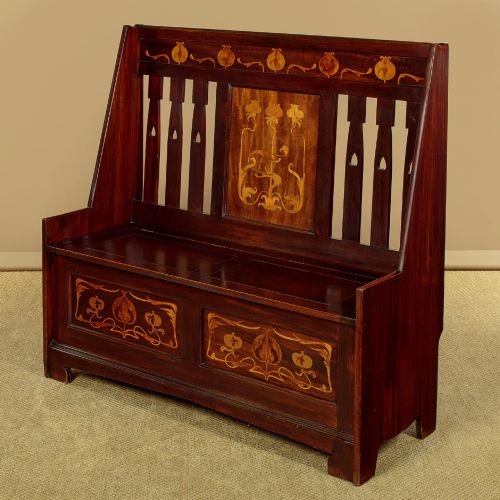
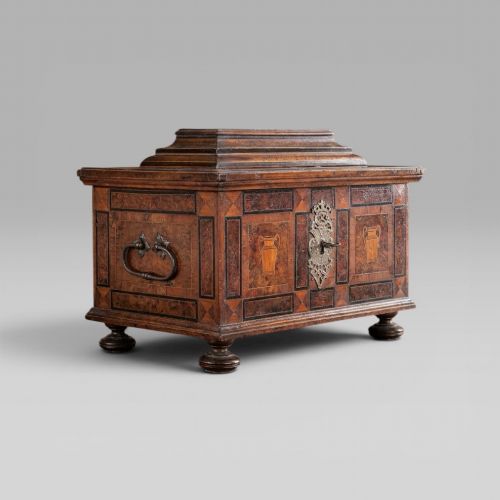
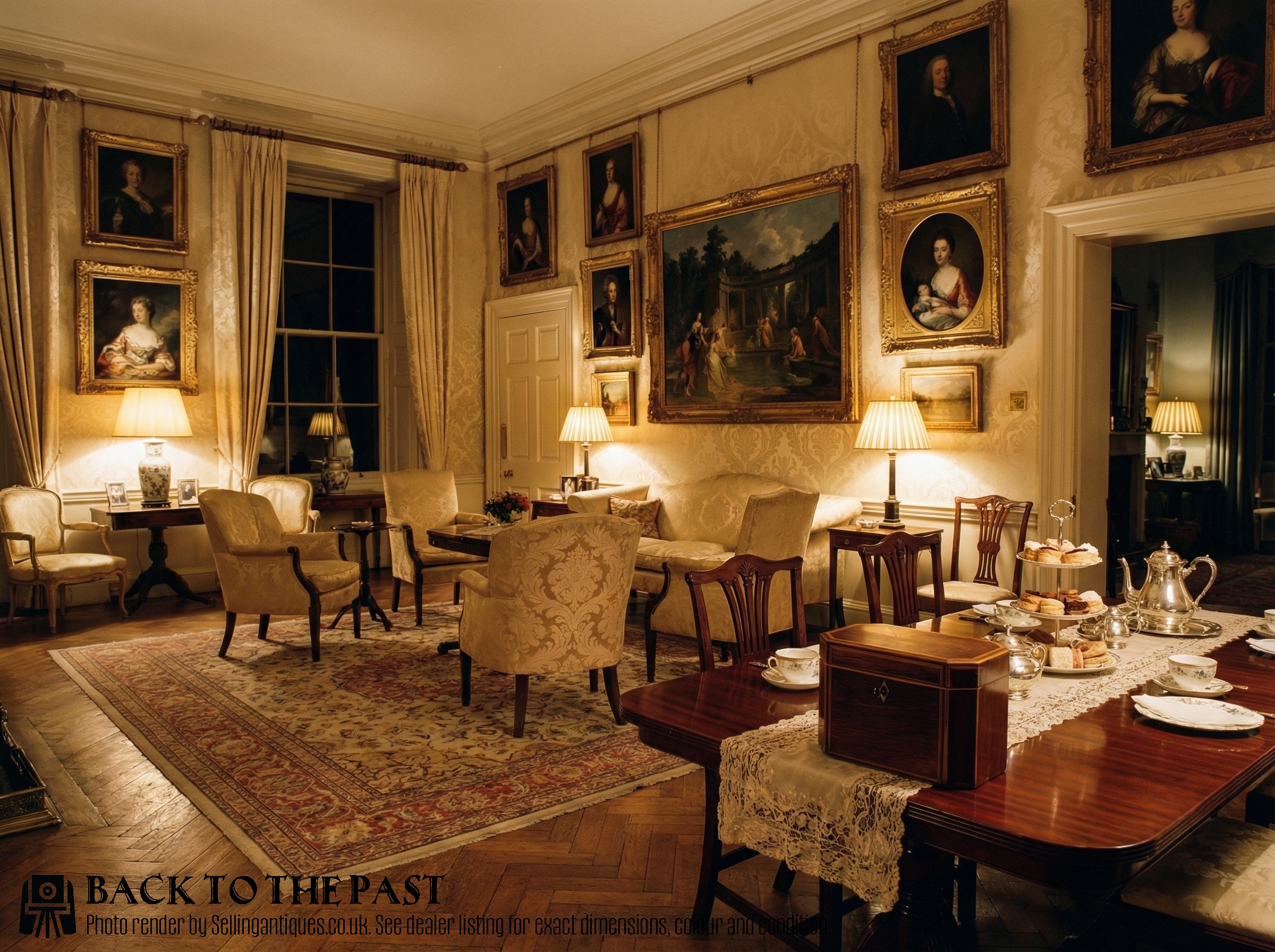
A marquetry wooden box encompasses a diverse range of functional containers from past centuries, including tea caddies, stationery boxes, caskets, and writing boxes. These pieces serve to store valuables, documents, and provisions, utilising timber carcases decorated with contrasting veneers.
The selection on this page draws heavily from Georgian and Victorian periods, alongside earlier 17th-century examples. Buyers encounter tea caddies with fitted compartments and larger decorative caskets designed for specific domestic uses.
Makers utilised various timber species such as mahogany, walnut, rosewood, satinwood, and oak as foundations for intricate geometric or pictorial patterns. Regional British specialisms, particularly Tunbridge Ware, appear frequently alongside continental and Syrian examples.
Materials and construction
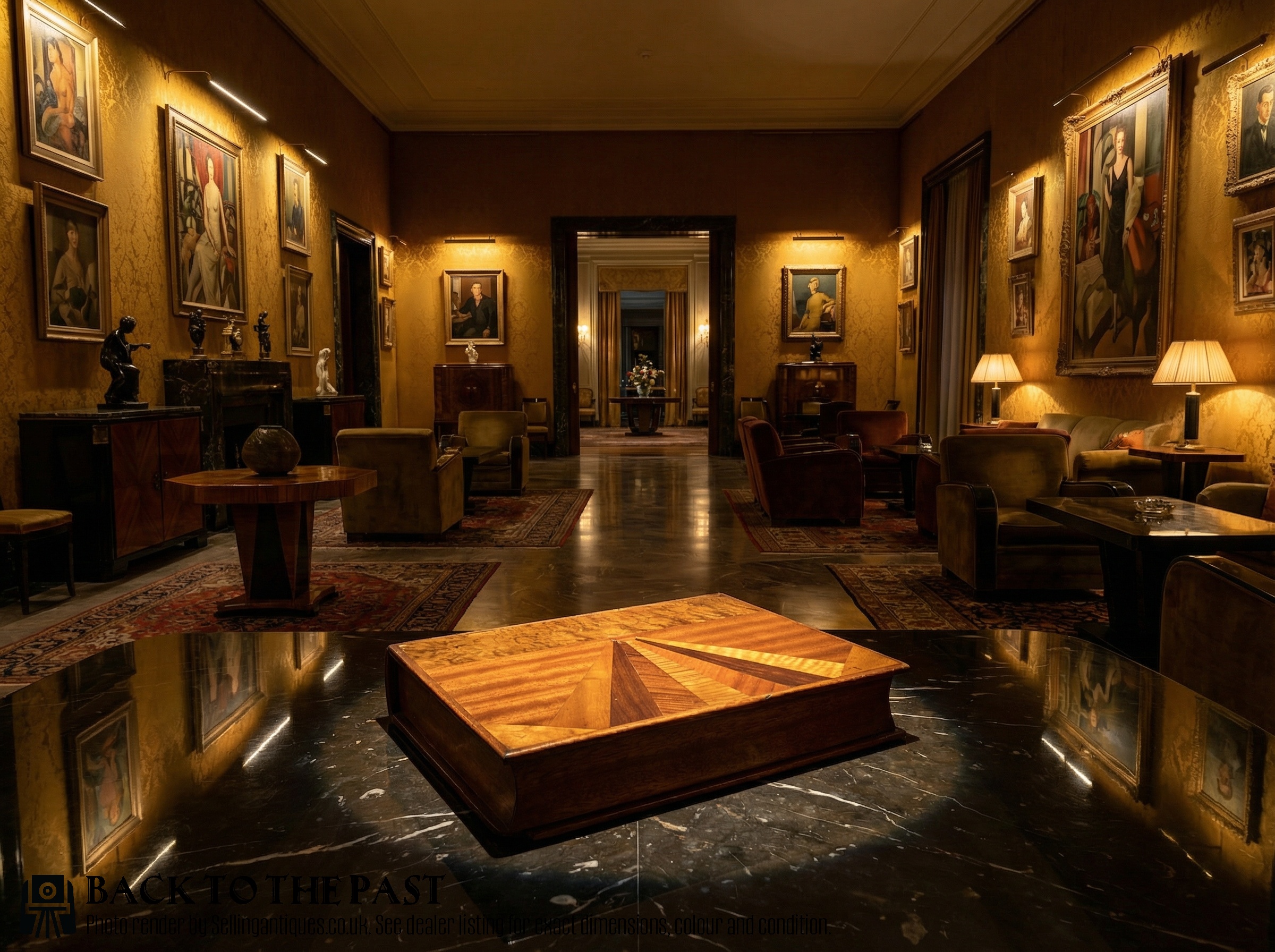
Craftsmen built the carcase from solid domestic or exotic timbers such as mahogany, walnut, and oak, providing a stable foundation for decorative veneers. Selected woods offered contrasting tones and grain patterns necessary for the creation of pictorial or geometric surface designs.
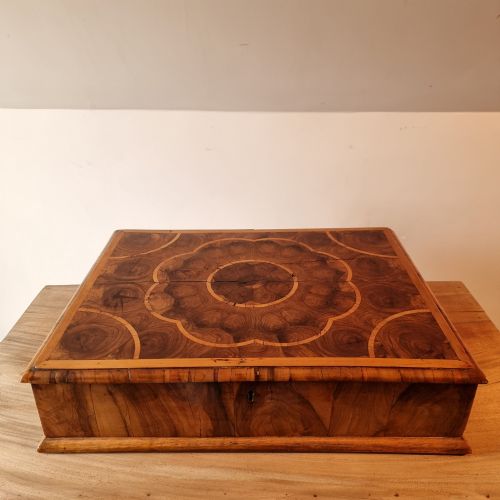
Veneers of satinwood, boxwood, harewood, and other pale or tinted timbers were cut finely and pieced together by hand to form the intricate marquetry motifs. Detail was frequently enhanced through the integration of bone, mother of pearl, and brass inlay.
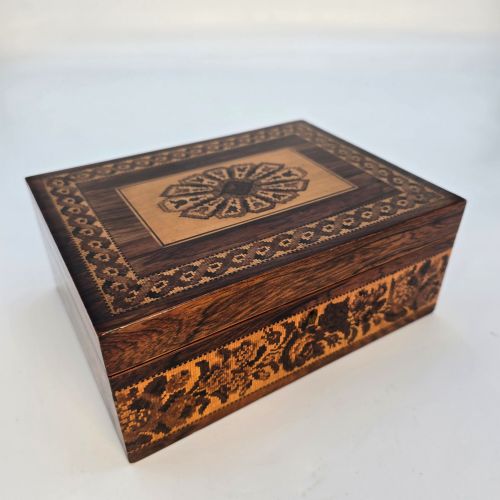
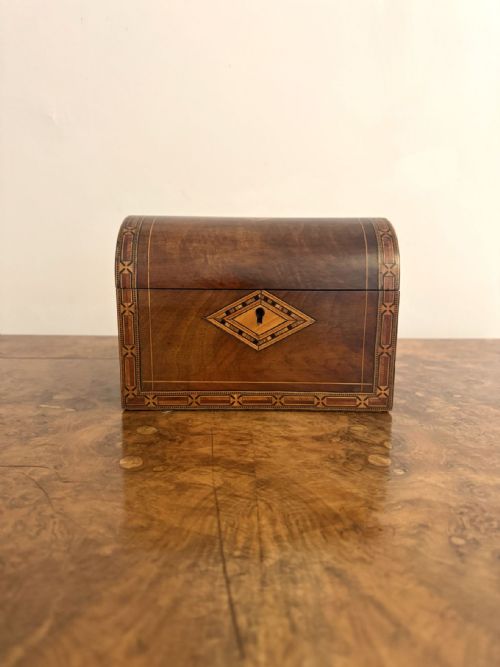
Surface decoration often incorporated specialised techniques like Tunbridge Ware, where thousands of tiny wood blocks were arranged to create mosaic pictures. Once assembled, boxes received multiple coats of polish or wax to seal the timber and protect the delicate veneer work.
Marquetry Wooden Box Retail Price Guide 2026
Typical asking prices for marquetry wooden box among the pieces listed under this phrase on Sellingantiques today, from the lower quarter to the upper quarter. They describe what is for sale here now, not the wider market.
The listings feature diverse timber foundations including walnut, mahogany, rosewood, and satinwood, dating from the seventeenth century through the Victorian era.
Distinguishing quality across pieces
The sophistication of the timber selection and the precision of the veneer work distinguish finer examples from standard production. Craftsmen who achieved seamless joins and subtle tonal graduation in their marquetry elevate the visual depth of the object.
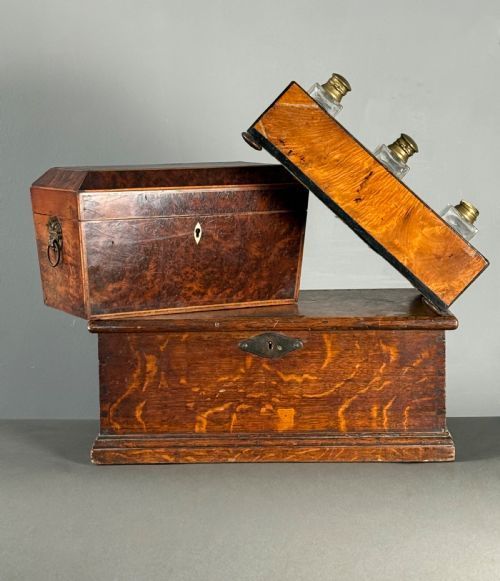
Interior fittings, including original crystal decanters, velvet or silk linings, and working locks with matching keys, elevate the standing of a box. Completeness of the internal compartments indicates an object maintained carefully by its previous owners.
The integrity of the structural carcase and the preservation of the original surface finish determine the longevity of the piece. Minimal timber shrinkage and well-aligned lids reflect superior original joinery and stable environmental conditions.
Edmund Nye·James Shoolbred & Co·Henry Hollamby
The Marquetry Wooden Box Glossary
- Marquetry
- The art of applying decorative pieces of veneer to a structural carcase to form geometric patterns or pictorial scenes. Craftsmen carefully cut contrasting timber species to fit flush across the surface.
- Tunbridge Ware
- A specialised form of woodworking originating from Kent, featuring mosaic designs built from thousands of tiny coloured wood blocks. These micro-mosaic patterns typically depict local flora, geometric borders, or architectural views.
- Tea Caddy
- A container designed specifically to store dry tea leaves securely, often featuring internal lidded compartments to separate different varieties. Such boxes were central to the formal social ritual of tea preparation in the Georgian and Victorian eras.
- Veneer
- A thin slice of decorative timber applied to a secondary wood foundation to provide a rich exterior appearance. This technique allowed makers to utilise expensive or figured grain patterns efficiently.
- Casket
- An ornamental box or chest traditionally used for holding jewels, letters, or other precious keepsakes. These pieces often feature heavier architectural elements, locking mechanisms, and elaborate metal or bone mounts.
Marquetry Wooden Box: Frequently Asked Questions
What were tea caddies used for?
Tea caddies served to store precious tea leaves safely under lock and key when tea was an expensive commodity. Servants or hosts portioned out the leaves using internal compartments or mixing bowls.
These boxes sat prominently in the parlour or dining room as a display of household wealth and status. Their fitted interiors kept different blends separate and protected them from moisture and light.
How do I identify Tunbridge Ware?
Tunbridge Ware is identified by its distinctive mosaic decoration formed from thousands of tiny prisms of naturally coloured woods. These tiny wooden tiles combine to create pictorial images of butterflies, flowers, or geometric borders.
Many examples include a distinctive sliding lid or incorporate maker labels from workshops in Tunbridge Wells. The meticulous detail of the wood mosaic sets these boxes apart from standard marquetry.
What is a Tantalus?
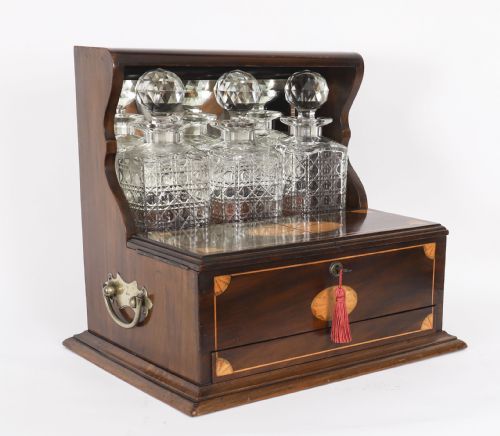
A Tantalus is a locking wooden stand holding decanters, designed to display the contents while preventing unauthorized access to the liquor. A hinged wooden bar secures the stoppers in place until a key is turned.
These combination games and bottle cabinets gained popularity in the Victorian period for entertaining guests. The design allowed hosts to lock away spirits while keeping crystal glassware visible.
How should I care for a marquetry box?
Keep wooden boxes away from direct sunlight and strong heat sources to prevent the timber veneers from drying and cracking. Stable indoor humidity protects both the wood carcase and the delicate glue joints.
Apply a microcrystalline wax sparingly to nourish the surface polish without building up sticky residue. Avoid using liquid cleaners or soaking the wood during routine maintenance.