


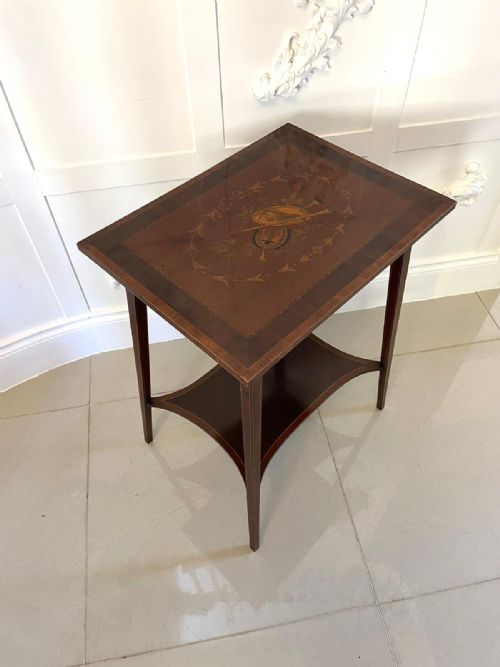


Marquetry Plant Stand
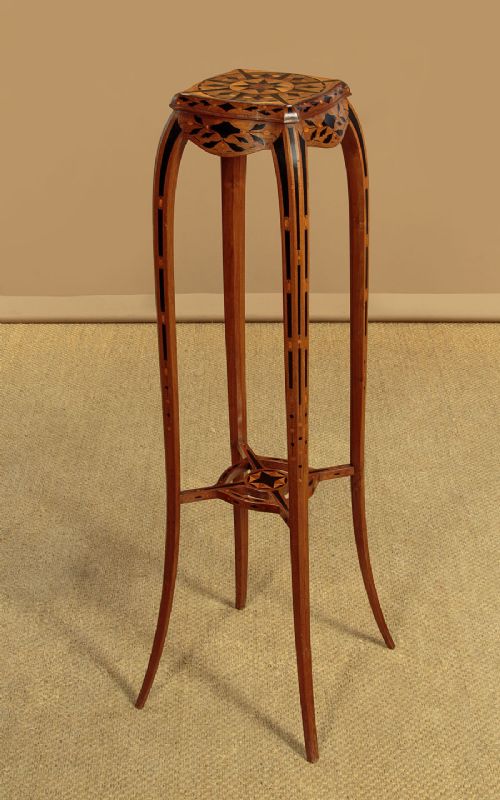
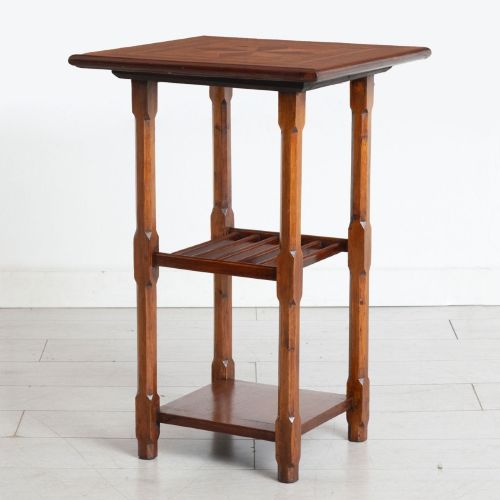
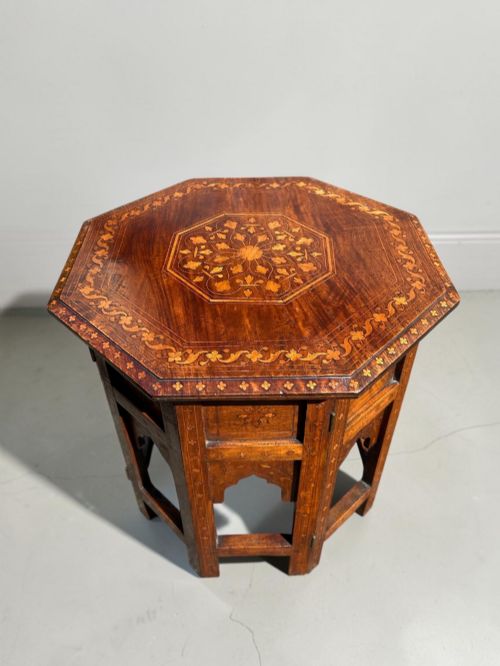
A marquetry plant stand brings intricate timber inlay and botanical display together, offering a stately stage for ferns and florals.
Identifying a marquetry plant stand
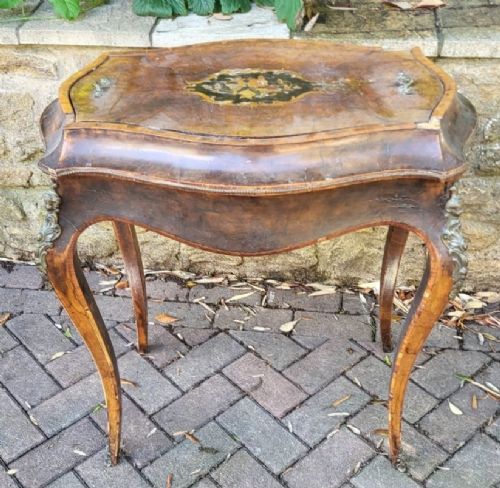
A marquetry plant stand combines botanical display with detailed wood inlay, serving as a decorative stage for indoor plants and floral arrangements in period interiors. When exploring the marketplace for a marquetry plant stand, buyers encounter pieces primarily from the nineteenth century, including works from eighteen fifty, eighteen ninety, and nineteen ten.
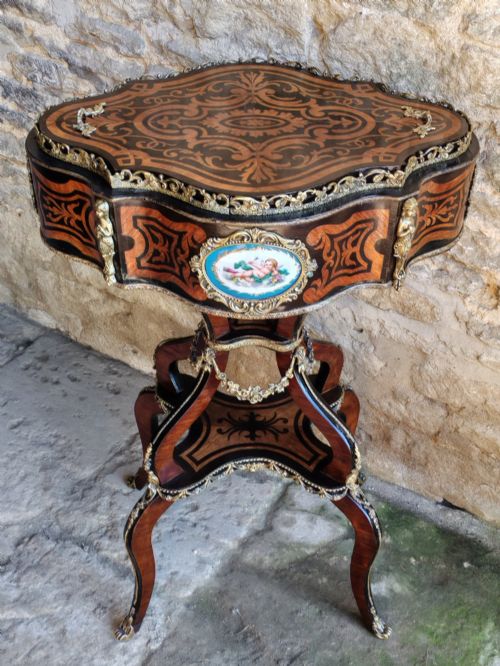
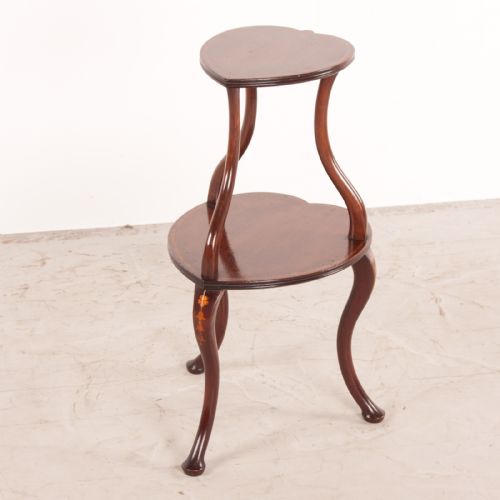
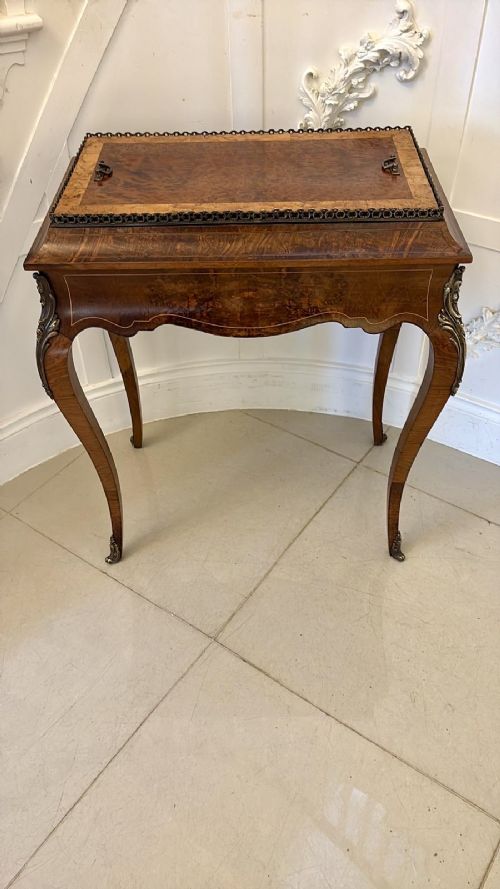
The inventory encompasses various forms, from tall French Louis XV style stands and Victorian rococo revival pieces to Dutch neoclassical designs and oval gilt metal mounted planters. Many examples function doubly as jardiniere tables, wine coolers, or torchere pedestals, reflecting the versatile furnishing habits of the nineteenth century.
Origins span English cabinetmaking, Dutch workshops, and French ateliers, offering distinct regional interpretations of floral and geometric veneer work. Buyers are most likely to meet nineteenth-century walnut, kingwood, satinwood, and ebonised variations fitted with metal liners or mounts.
Materials and construction
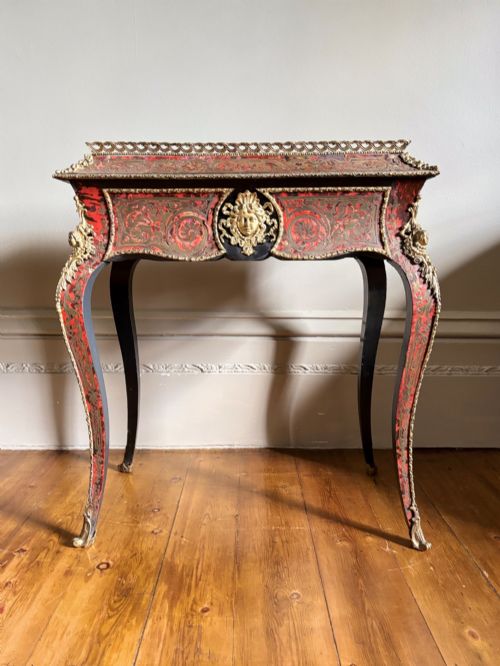
Craftsmen built these stands using foundational timbers such as walnut, rosewood, kingwood, and satinwood, applying finely cut veneer slices to form pictorial or geometric patterns. Ebonised wood also appears, providing a dark, contrasting ground for inlaid motifs and gilt mounts.
Many examples incorporate decorative or structural hardware cast in ormolu and gilt bronze, framing the timber bodies and supporting internal metal liners designed to hold moisture. Marquetry inlay remains the defining decorative technique, pairing contrasting hardwoods to achieve tonal depth and pictorial clarity.
Retail Price Guide 2026
Typical UK retail prices for marquetry plant stand, calculated from the Sellingantiques database of over a million retail prices indexed since 2003. This retail price guide relies exclusively on Sellingantiques data; no external sources or auction records are used, so the figures do not describe the wider market.
Some nineteenth-century plant stands doubled as wine coolers, meaning your parlor fern might occasionally have shared ancestry with a champagne bath.
Assessing quality and execution
The fidelity of the wood inlay dictates much of the visual success, separating sharply delineated botanical motifs from simpler, repetitive geometric arrangements. Tonal variation within the chosen veneers relies on deliberate wood selection rather than surface staining.
The integration of metal mounts, such as ormolu or gilt bronze cast work, distinguishes standard production from finer cabinetmaking. Heavier timber framing and intact internal metal liners indicate robust original utility alongside decorative ambition.
The Marquetry Plant Stand Glossary
- Marquetry
- The decorative craft of applying small pieces of veneer to a structure to form decorative patterns or pictures. It differs from inlay by covering the entire surface rather than being set into recesses.
- Jardiniere
- An ornamental pot or stand for plants and flowers. These often feature metal liners to protect the surrounding woodwork from moisture.
- Ormolu
- Gilt bronze mounted or applied to furniture. This technique provides metallic highlights that contrast with dark timbers like rosewood and ebonised wood.
- Torchere
- A tall ornamental stand typically used to support a light or a decorative object. In plant stands, this form provides vertical height for trailing foliage.
Frequently Asked Questions
What is a marquetry plant stand?
A marquetry plant stand is a decorative nineteenth-century furnishing designed to hold potted plants or floral displays, featuring detailed wood veneer inlay.
These pieces often double as jardiniere tables or wine coolers, incorporating internal metal liners and decorative mounts.
How were these stands used originally?
In nineteenth-century interiors, they brought greenery indoors, serving as focal points in drawing rooms, parlours, or reception spaces.
The inclusion of waterproof liners allowed owners to water plants directly without damaging the delicate wood marquetry.
Which periods are common?
The listings span the nineteenth century, with specific examples dated around eighteen fifty, eighteen seventy, and eighteen ninety, alongside Edwardian pieces from nineteen ten.
Styles range from French Louis XV and Napoleon III to Victorian rococo revival and Dutch neoclassical.
What materials should I expect?
Common primary timbers include walnut, kingwood, rosewood, satinwood, and ebonised wood, frequently decorated with contrasting veneer inlay.
Details often include ormolu, gilt bronze, and brass mounts, alongside porcelain elements in selected decorative configurations.