




Maritime Seascape Oil
A maritime seascape oil captures the shifting moods of open water, coastal harbours and historic vessels.
Maritime Seascape Oil
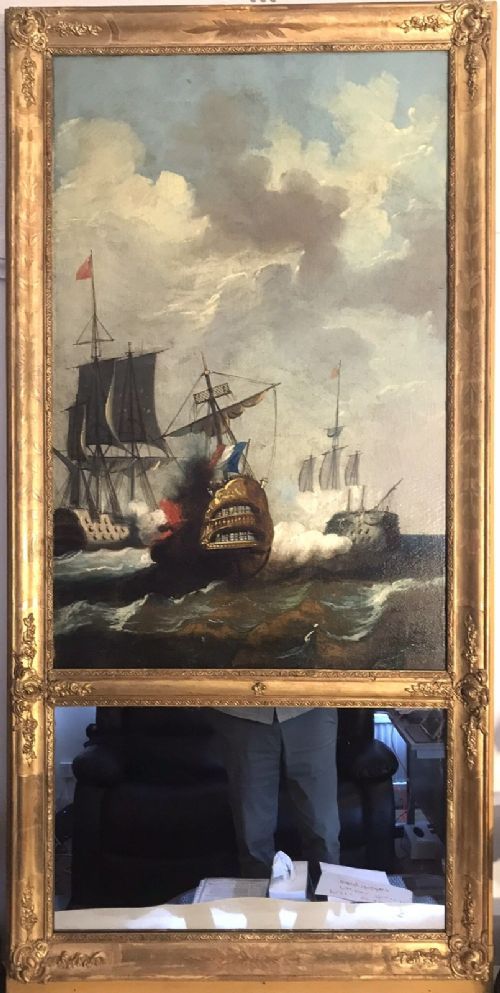
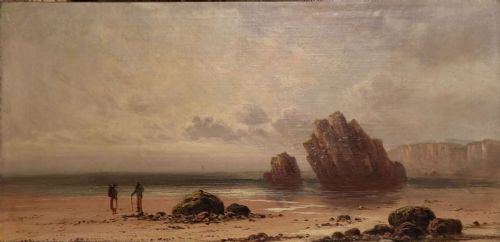
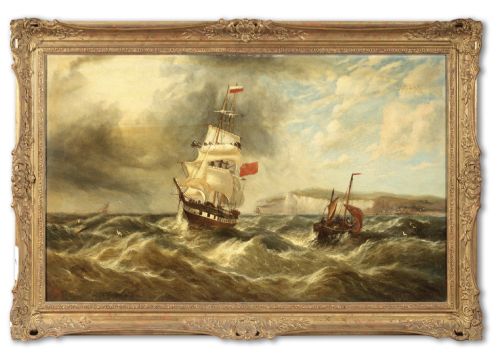
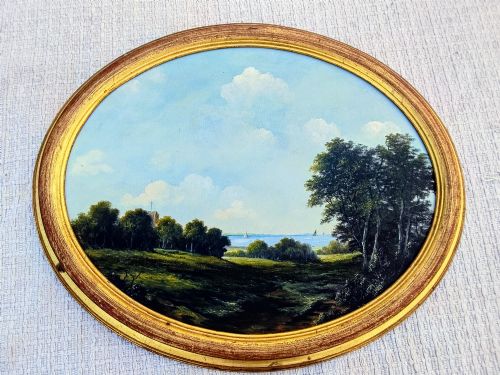
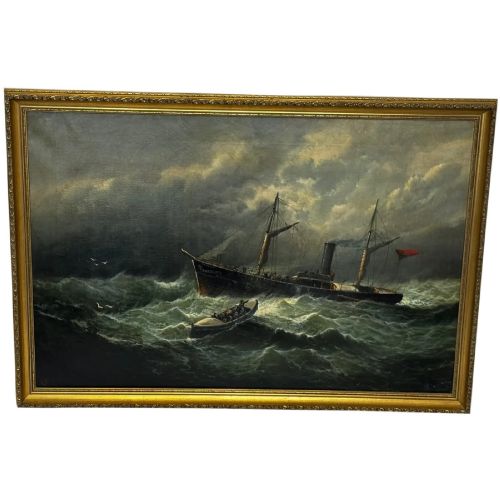
A maritime seascape oil presents painted views of coastal waters, harbours, shipping channels and naval vessels rendered in oil paint. These works encompass nineteenth-century depictions of merchant ships and stormy seas alongside twentieth-century impressions of coastal life.
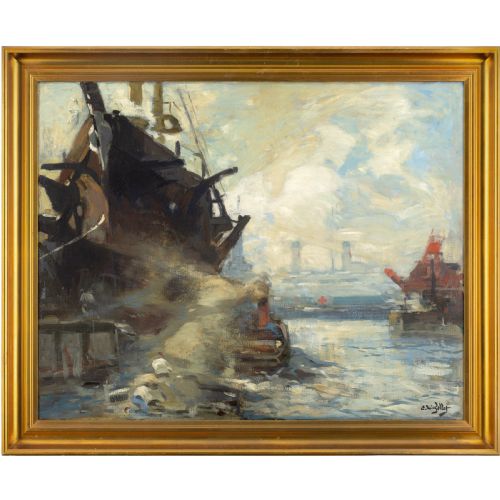
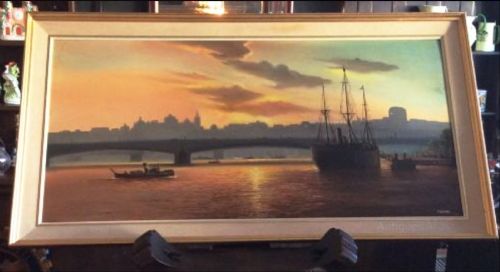
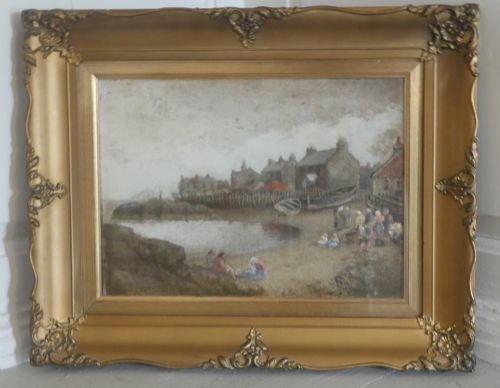
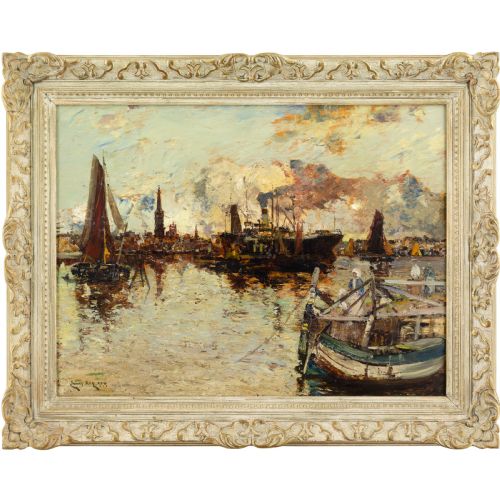
The versions most commonly met on this page date from the nineteenth century through the mid-twentieth century. They range from detailed portrayals of named vessels on canvas to atmospheric oil paintings on board capturing river traffic and coastal inlets.
What Varies in Quality
The standard of a maritime seascape oil depends on the artist's command of light, atmosphere and maritime architecture. Masterful brushwork distinguishes convincing renderings of turbulent water and rigging from stiff or generic compositions.
The integrity of the original support surface and the retention of vibrant pigment without excessive overpainting also determine the standing of each piece.
Listings feature oil paintings on canvas and board spanning the nineteenth century through the mid-twentieth century, including works by Dutch and British artists.
Bonaventura Peeters·John Wilson Carmichael·Thomas Creswick·John Moore of Ipswich·Francis Moltino
The Maritime Seascape Oil Glossary
- Impasto
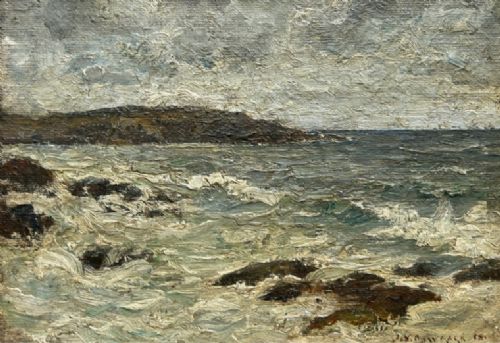
- A technique where oil paint is laid on an area of the surface in very thick layers, usually thick enough that the brush or painting-knife strokes are visible. This method adds tactile dimension to representations of rough water and stormy skies.
- Giltwood
- Wood that has been treated with a thin layer of gold leaf or gilt. Antique marine paintings frequently retain their original giltwood frames.
- Panel
- A rigid wooden support used by artists instead of stretched canvas. These boards provide a smooth surface for detailed marine portraiture.
- Seascape
- A work of art that depicts the sea, coastal views or marine vessels. These subjects form the core of the paintings gathered here.
Maritime Seascape Oil: Frequently Asked Questions
What subjects appear in maritime seascape oils?
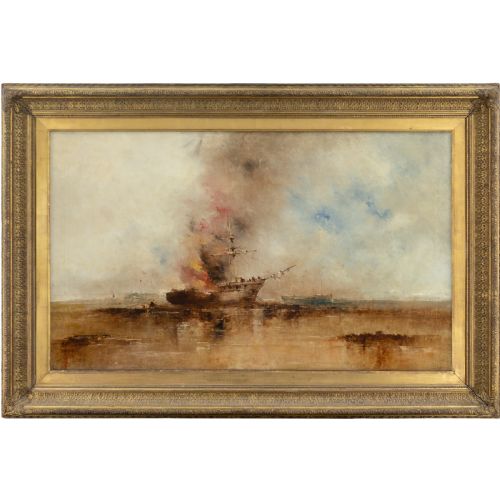
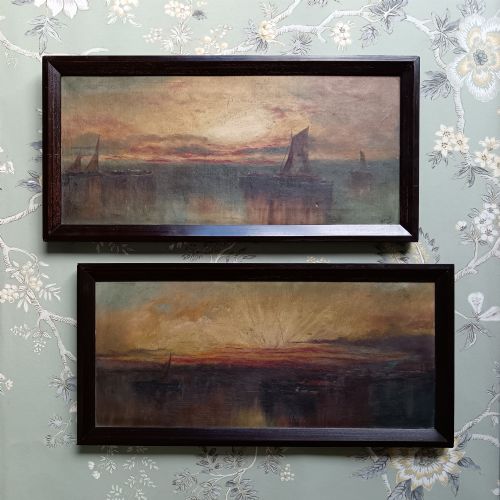
These paintings depict sailing ships, naval vessels, merchant traders and steamships navigating coastal waters, open seas, harbours and rivers. Scenes range from calm sunsets and quiet Venetian lagoons to dramatic storms and burning ships.
Artists recorded specific historical vessels alongside general views of British and European coastal topography, capturing the working life of the sea.
How do I date a marine oil painting?
Dating relies upon the rigging and design of the depicted vessels, the clothing of any figures, the artist's active period and the materials of the canvas or panel. Nineteenth-century works often feature detailed sailing ships, while mid-twentieth-century pieces tend towards looser brushwork.
Frame styles and signatures or exhibition labels on the reverse also provide clues to the exact era of creation.
Where were these maritime paintings displayed?
In the nineteenth and early twentieth centuries, marine oil paintings hung in domestic reception rooms, shipping company offices and maritime merchants' houses. They celebrated naval might, commercial enterprise and local coastal heritage.
Today, they suit studies, living rooms and hallways where their tonal palettes and historical subjects can be appreciated at close range.
How do I care for an antique oil painting?
Preserve the canvas or panel by keeping it away from direct sunlight, high humidity and dramatic temperature fluctuations. Regular dusting with a soft, dry brush keeps the surface clear without disturbing the oil paint.
Avoid using liquid cleaners on the paint or the gilt frame to prevent moisture damage to the historic materials.