




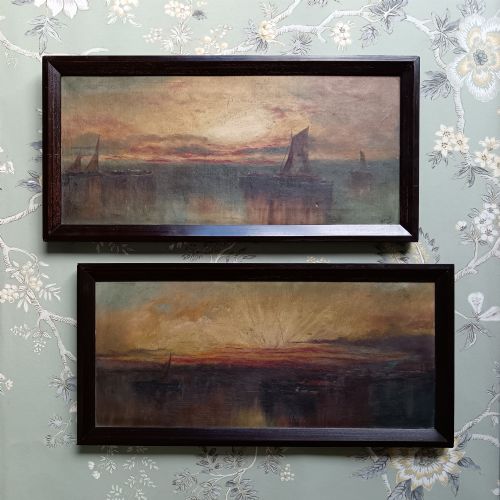
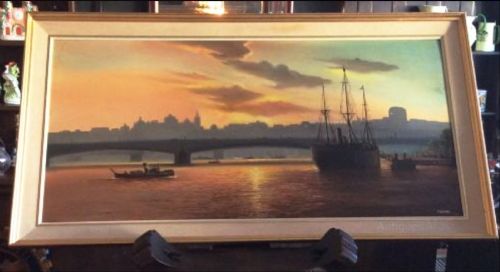
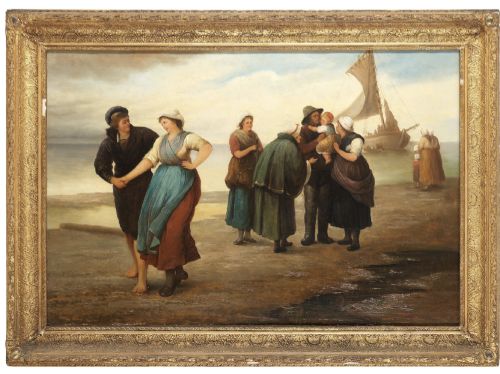
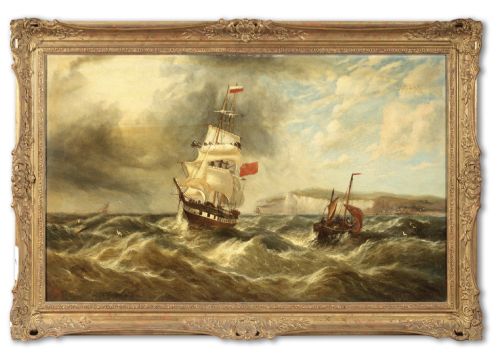

Marine Canvas Artwork
Marine canvas artwork brings the historic power of the sea indoors through oil paintings on woven fabric.
Marine Canvas Artwork
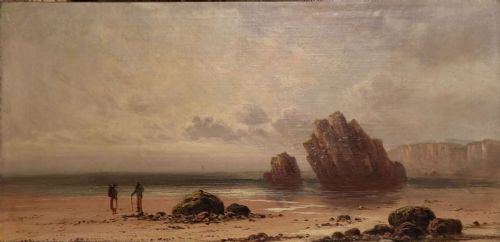
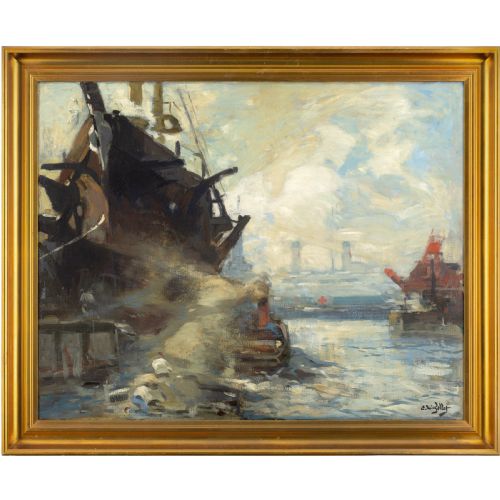
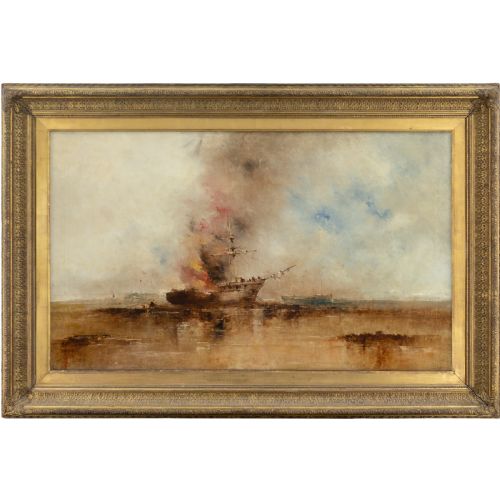
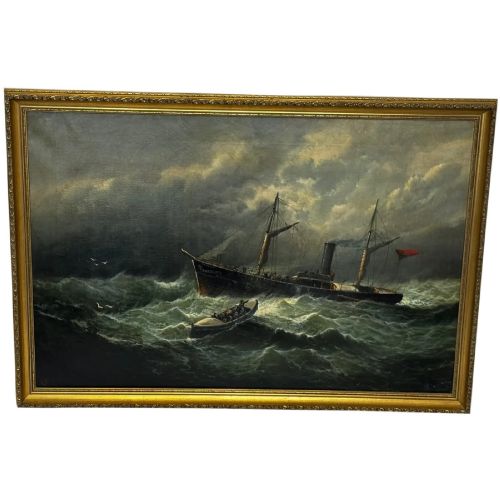
These pieces span depictions of coastal landscapes, dramatic shipwrecks, and bustling harbours set against open water.
Paintings on this page range from Victorian scenes to mid-century modern interpretations.
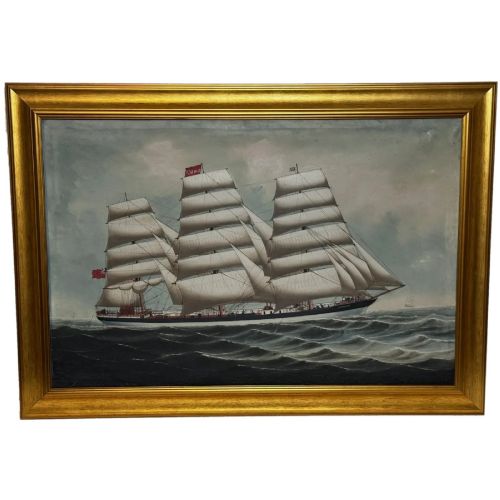
Buyers frequently encounter works featuring sailing vessels, merchant ships, and quiet sea views rendered in oil.
Materials and construction
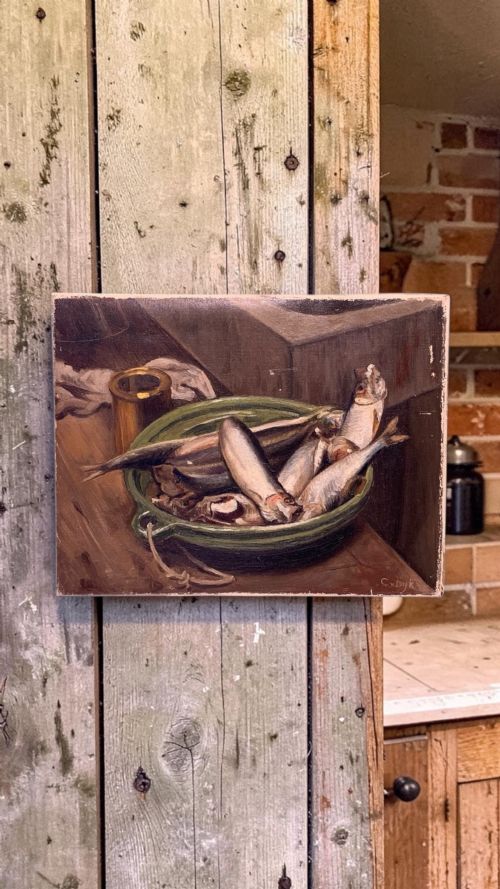
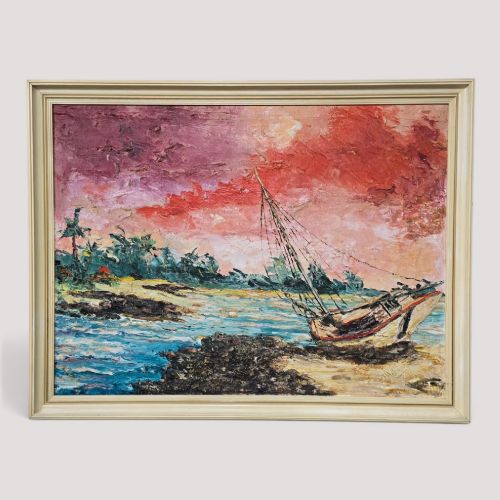
Makers applied oil paint directly onto stretched canvas surfaces using traditional brushes and impasto techniques.
Many surviving examples retain their original wooden frames, frequently finished in gilt or giltwood.
A surprising number of these historic canvases have spent more time navigating living room walls than they ever did crossing the North Sea.
Distinctions in quality
Depth is achieved through skilful handling of light on water and the accurate rigging of maritime vessels.
The integrity of the canvas weave and the depth of the oil pigment set the finer examples apart.
Kenneth Cozens·Clifford Hanney·Eugène-Louis Gillot·William McAlpine·Reginald Arthur Borstel·John Rose Miles·William Broome·Bernard Gribble·Bonaventura Peeters·Clive Browne·Peter Brannan·Paul Bret·Francis Moltino·Bernard Benedict Hemy·Thomas Creswick·Willem Bos·Charles Euphraisie Kuasseg·John Wilson Carmichael·Lai Fong·Nicholas Condy·Richard B Spencer·William Henry Williamson·John Holland
The Marine Canvas Artwork Glossary
- Oil paint
- Pigment suspended in a drying oil, typically linseed, allowing for rich blending and textured impasto application. This medium characterises the majority of the historical maritime works listed here.
- Canvas
- A heavy woven fabric stretched across a wooden frame to provide a durable foundation for oil paintings. It responds to atmospheric changes over centuries.
- Impasto
- Paint applied thickly to a canvas, standing out in relief from the surface. This technique imparts a sense of movement to crashing waves and turbulent seas.
- Giltwood
- Wood carved and covered with a thin layer of gold leaf or gold paint. Frames of this material frequently accompany 19th-century maritime pieces.
Marine Canvas Artwork: Frequently Asked Questions
How do I hang a heavy oil painting?
Secure fixings directly into wall studs or utilise appropriate cavity wall anchors rated for the weight of the frame and canvas.
Ensure the hanging wire or brackets on the back of the giltwood frame balance the load evenly.
Where should I place marine art?
Keep paintings away from direct sunlight and damp environments to protect the oil pigments and the canvas structure.
Well-ventilated spaces with stable room temperatures help preserve the integrity of both the fabric and the wooden stretcher bars.
What periods do these paintings cover?
The selection includes 19th-century Victorian works alongside mid-20th-century creations.
Styles shift from detailed maritime documentary scenes to post-impressionist coastal landscapes.