

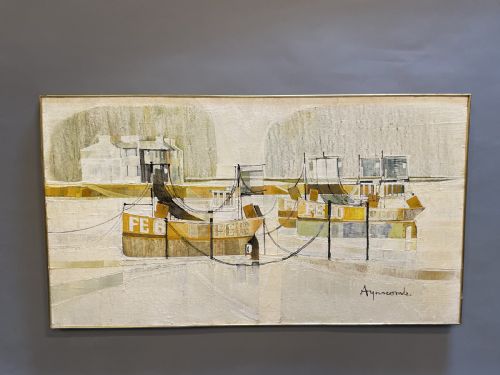


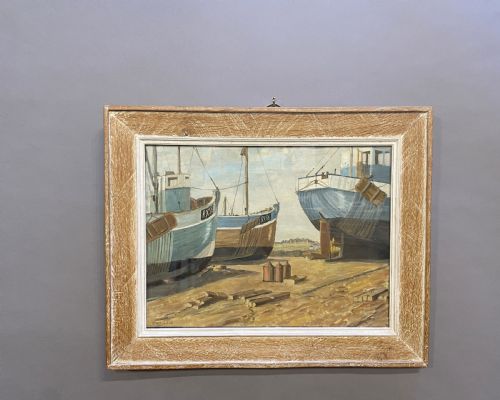


Fishing Boat Oil Painting
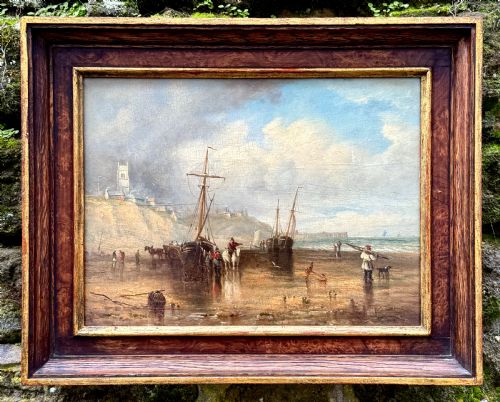
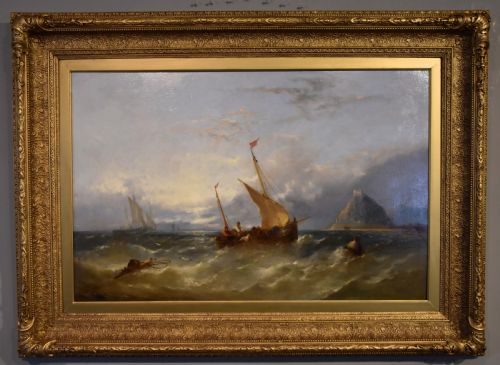
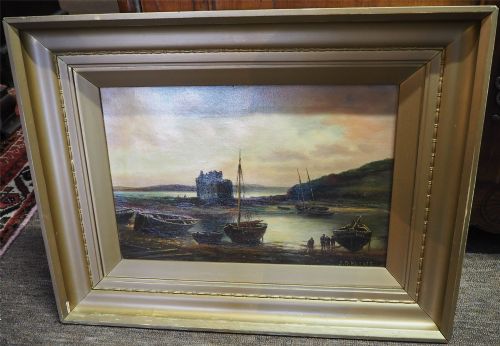
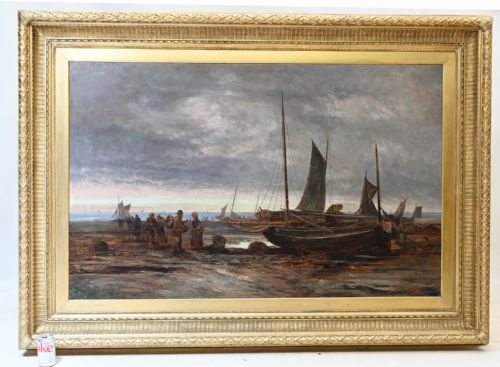
A fishing boat oil painting captures the historic maritime toil of coastal communities through rich brushwork and atmospheric seascapes.
The Art of the Fishing Boat Oil Painting
A fishing boat oil painting portrays maritime life, coastal harbours and working vessels upon the water. These works emerge from various schools including British Impressionism, Dutch Marine, Post-Impressionism and Victorian Marine Art.
Collectors encounter pieces dating from the nineteenth century through the mid-twentieth century. Subjects range from tranquil coastal views at sunset to dramatic scenes of vessels navigating stormy seas.
Distinctions in Quality
Technical mastery over light, atmosphere and maritime movement separates standard works from exceptional examples. The handling of water reflections and atmospheric sky conditions dictates the visual success of the piece.
Condition of the original support, stability of the oil pigments and the integrity of period framing influence the overall standing of the work.
Retail Price Guide 2026
Typical UK retail prices for fishing boat oil painting, calculated from the Sellingantiques database of over a million retail prices indexed since 2003. This retail price guide relies exclusively on Sellingantiques data; no external sources or auction records are used, so the figures do not describe the wider market.
Listings feature works spanning the nineteenth century through the mid-twentieth century, utilising oil on canvas, wood and card.
Pieter Cornelis Dommersen·George SHAW·George Henry Knight·Alec Caruthers Gould·John W. Gilroy·Eugenio Cecchini-Prichard·John Berney Crome·William Anslow Thornley·E K Redmore·William Broome·Franklin D. Briscoe·Emil Ekman·Nicholas Percy Fox·Thomas Rose Miles·Harry J Williams·Frank Kipling·William Calcott Knell·Walter Linsley Meegan·John Shirley Fox·Thomas Hasted Heath·Lewis Creighton·John Riddle
The Fishing Boat Oil Painting Glossary
- Oil on Canvas
- A traditional painting medium utilising pigment suspended in drying oils applied to stretched woven fabric. This combination allows for rich texture and blending.
- Gesso
- A plaster mixture applied to wood panels or frames to prepare a smooth surface for painting or gilding. It provides a durable foundation for gold leaf.
- Slip
- A narrow decorative border, often fabric-covered, placed inside a picture frame to separate the canvas from the outer moulding. It creates a visual transition.
- Marine Art
- Artistic representation of the sea, ships, and coastal views. This genre encompasses both calm harbours and turbulent ocean weather.
Frequently Asked Questions
What periods do these paintings date from?
The available selection spans the nineteenth century through to the mid-twentieth century, encompassing Victorian and later modernist approaches.
Specific dates within the evidence include works from the nineteenth century alongside pieces created between 1900 and 1960.
Where were these maritime scenes painted?
Artists recorded coastal views across British locations such as Yorkshire, Dover, Whitby and the South Coast, alongside European harbours.
Scenes frequently depict working boats operating near familiar ports, coastal cliffs and river mouths.
How should I display a framed oil painting?
Select a wall space away from direct sunlight and dramatic temperature fluctuations to protect the canvas and traditional gilt wood frames.
Ensure adequate hanging support suited to the weight of wood and gesso frames.
What framing materials are typical for these works?
Period framings frequently feature wood construction enhanced with gesso, gold leaf and fabric slips.
These elements complement the maritime subject matter and protect the perimeter of the canvas or panel.