


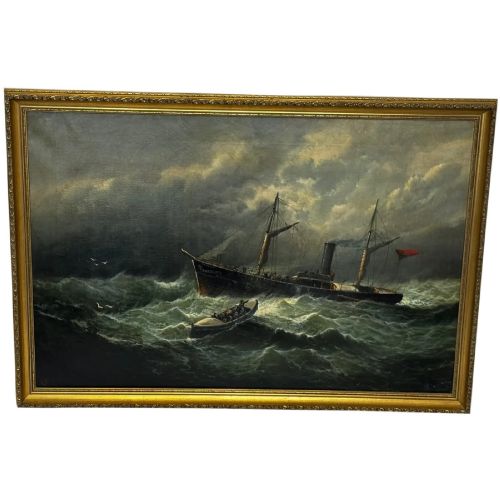
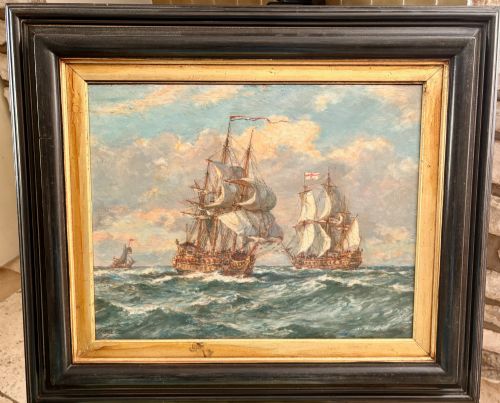
Maritime Oil on Canvas
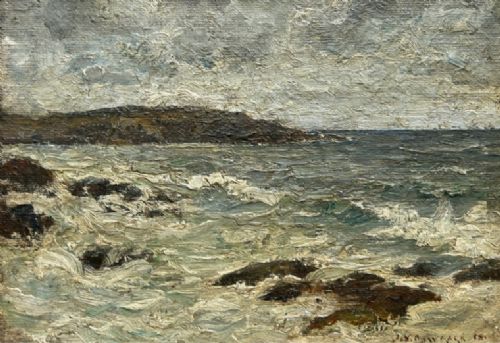
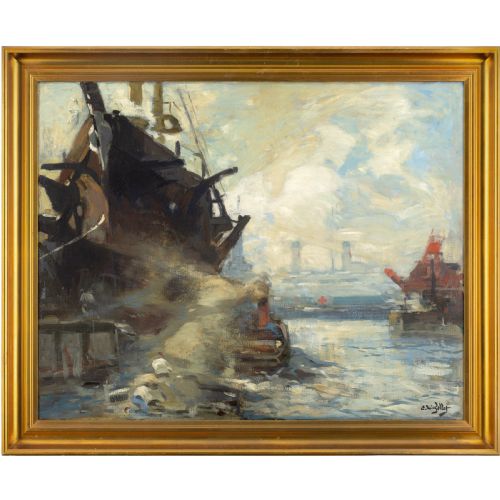
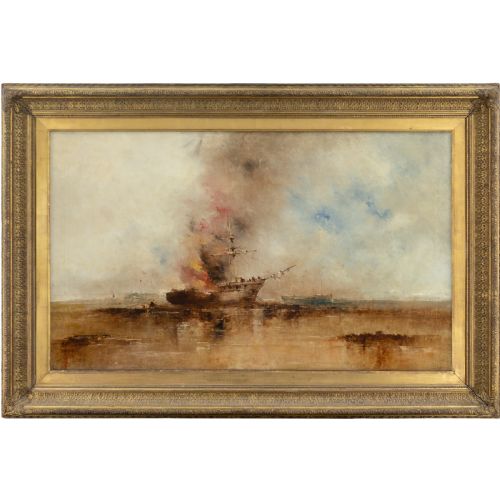
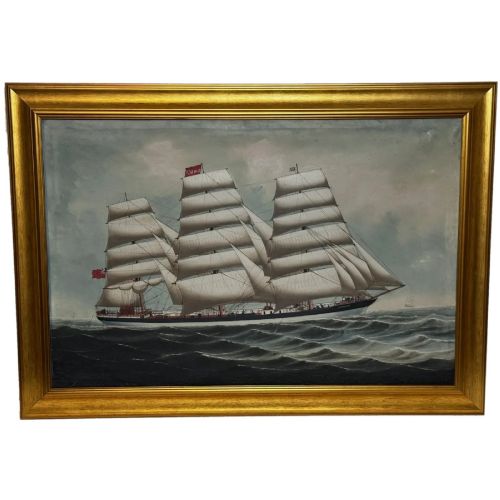
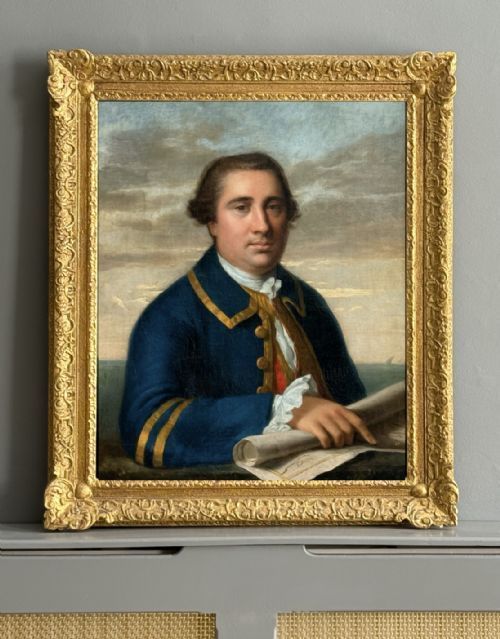
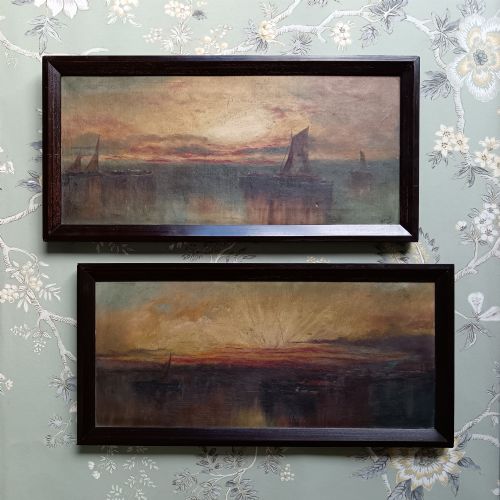
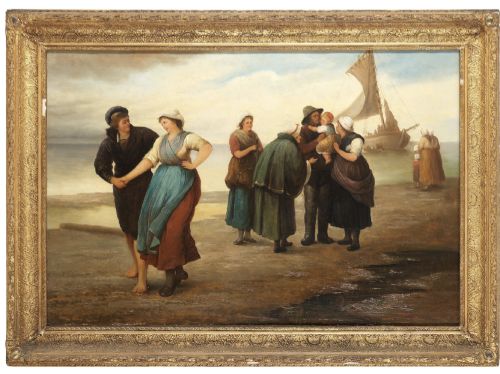
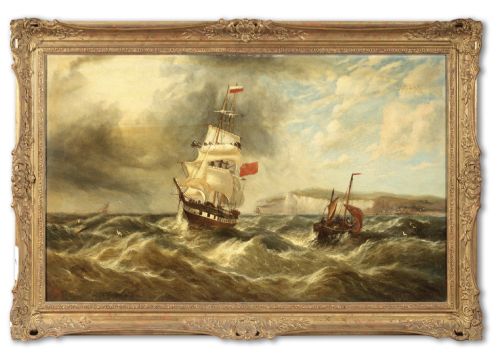
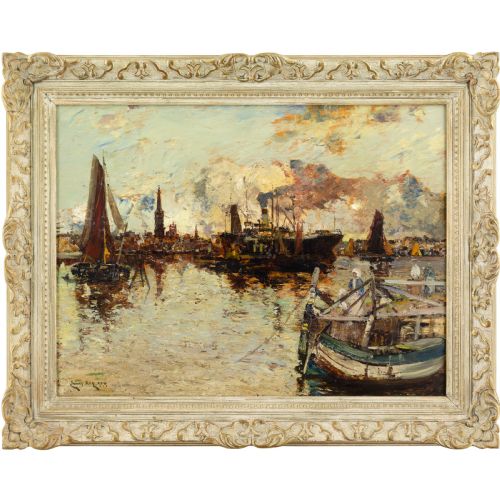
Maritime oil on canvas works capture historical shipping scenes, coastal views and stormy seas rendered through durable pigments stretched across woven fabric.
Maritime Oil on Canvas
When you search for maritime oil on canvas, you encounter depictions of ships, harbours, coastal landscapes and river scenes spanning multiple centuries. The selection includes works produced during the Victorian and Edwardian eras alongside mid-century and earlier periods.
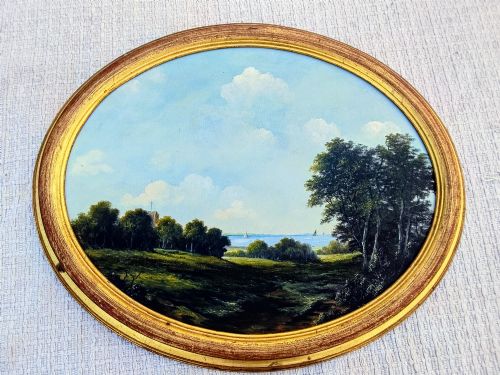
Most pieces represent British, French, Dutch or Australian coastal and naval subjects, ranging from serene sunset views to turbulent gales. Canvases appear in various forms, including rectangular formats, oval shapes and occasional board supports.
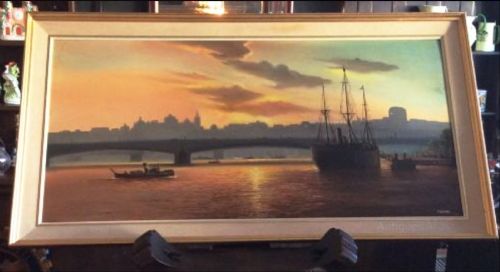
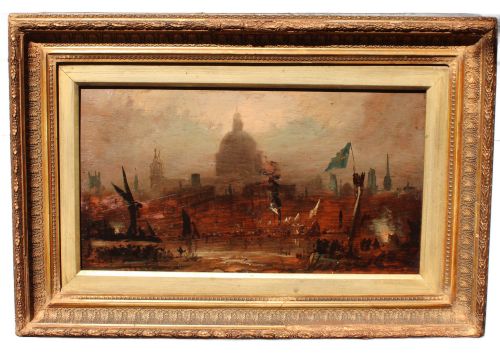
You also discover historical records of specific vessels, naval engagements and bustling port activities such as the Thames and Venetian waterways. These paintings reflect shifts in style from traditional academic marine art to post-impressionist interpretations.
Materials and Technique
Artists built these compositions using oil paint applied to woven canvas stretched over wooden frames, occasionally utilising wood panels for support. Pigments were manipulated with brushes or palette knives to create textures ranging from smooth water surfaces to thick impasto waves.
Frames frequently consist of giltwood or gilded and gesso mouldings designed to complement the palette of the marine scene. Gold leaf and carved wood details add decorative depth to the presentation of the artwork.
Maritime Oil on Canvas Retail Price Guide 2026
Typical asking prices for maritime oil on canvas among the pieces listed under this phrase on Sellingantiques today, from the lower quarter to the upper quarter. They describe what is for sale here now, not the wider market.
Listings include works executed in oil on canvas, wood panels, and board, spanning from the seventeenth century through the mid-twentieth century.
Judging Quality
Execution of maritime oil on canvas relies upon the artist's ability to render light, water movement and vessel rigging with anatomical and atmospheric accuracy. Superior examples demonstrate confident brushwork, convincing spatial depth and harmonious colour relationships.
The sophistication of the original frame, often carved giltwood, contributes to the overall integrity of the piece. Condition of the canvas surface and pigment stability also influence the distinction between standard decorative works and master-level fine art.
Eugène-Louis Gillot·William McAlpine·Reginald Arthur Borstel·LEMUEL FRANCIS ABBOTT·BONAVENTURA PEETERS·Francis Moltino·John Wilson Carmichael·Abraham Cooper
The Maritime Oil on Canvas Glossary
- Impasto
- A technique where paint is laid on an area of the surface in very thick layers, usually thick enough that the brush or painting-knife strokes are visible. This method adds tactile dimension to elements like churning sea foam or stormy clouds.
- Giltwood
- Wood that has been treated with a thin layer of gold leaf or gold paint for decorative effect. Many period frames utilise this finish to enhance the visual weight of the painting.
- Gesso
- A white paint mixture consisting of a binder mixed with chalk, gypsum or pigment, used to prepare wood or canvas surfaces before painting. It also forms the moulded relief details on traditional picture frames.
- Barque
- A sailing rig with three or more masts having the fore and mainmasts square-rigged and the mizzenmast fore-and-aft rigged. This vessel type frequently appears in nineteenth-century shipping artwork.
Maritime Oil on Canvas: Frequently Asked Questions
How do I date an antique marine painting?
Dating relies heavily upon the costume of figures, the type of vessels depicted, and the style of the canvas stretcher and frame. Historical ship designs changed rapidly across centuries, offering clear chronological clues.
Signatures, exhibition labels, and inscriptions on the reverse of the canvas or wood support provide additional documentary evidence to narrow down the decade of production.
What is the difference between marine art and maritime art?
Marine art strictly focuses on the sea itself, coastal views, beaches, and ocean waves without necessarily featuring human vessels. Artists working in this genre prioritise atmospheric weather and coastal topography.
Maritime art encompasses a broader scope that includes ships, naval battles, port scenes, lighthouses, and commercial shipping activities alongside the water itself.
How should I clean a canvas painting?
Dust accumulation should be gently removed from the surface using a soft, dry brush without applying pressure to the paint layer. Avoid using water, household cleaners, or chemical solvents on the canvas.
Professional conservators should handle any deeper cleaning, varnish removal, or structural repairs to prevent permanent damage to the historic oil pigments.