




Marine Seascape Oil Painting
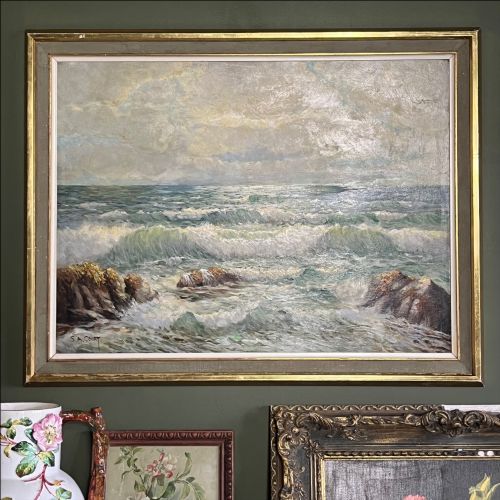
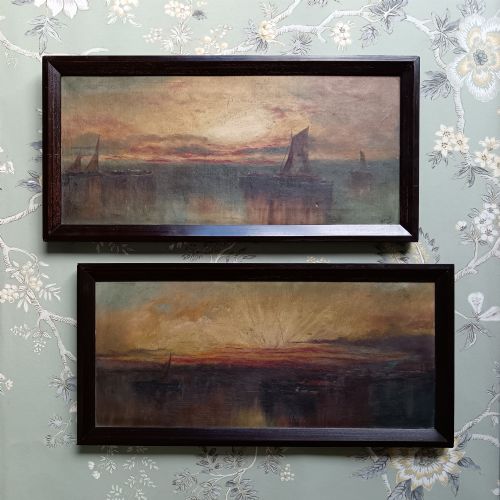
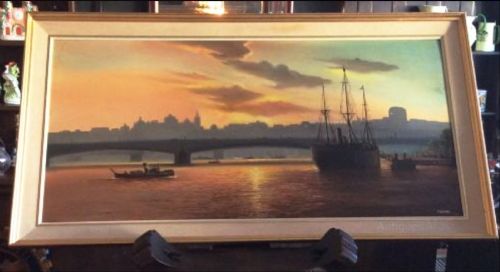
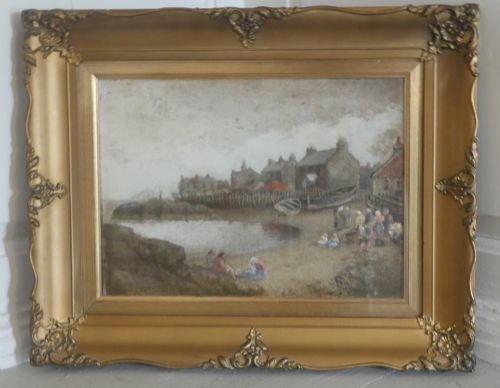
A marine seascape oil painting captures the drama of coastal weather, wooden warships, and bustling harbours upon canvas.
Marine Seascape Oil Painting
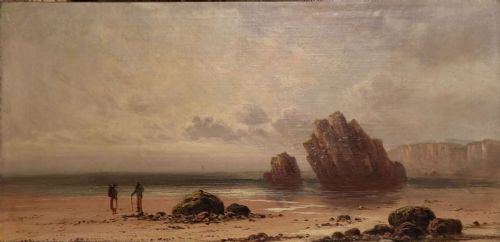
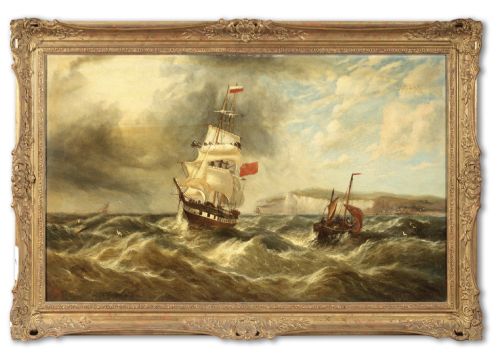
A marine seascape oil painting portrays maritime life, coastal views, and naval engagements across centuries of artistic tradition. The works span calm harbour scenes to violent storms featuring three-masted schooners, clipper ships, and fishing boats.
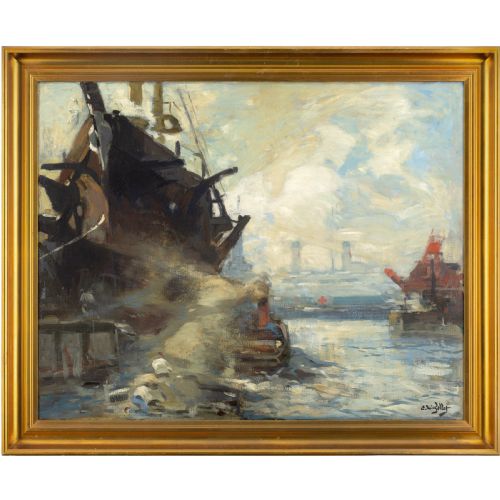
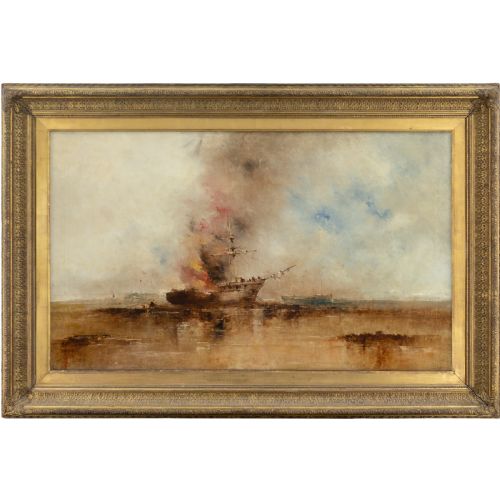
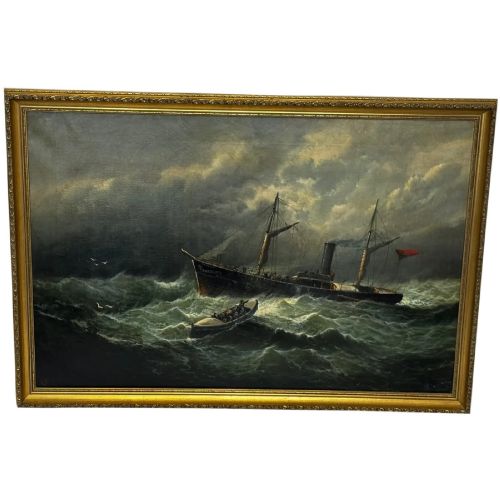
Victorian examples dominate the field, depicting dramatic rescues, historic battles, and industrial steamers. Mid-century and Edwardian pieces shift towards impressionistic studies of light and water along British and European shores.
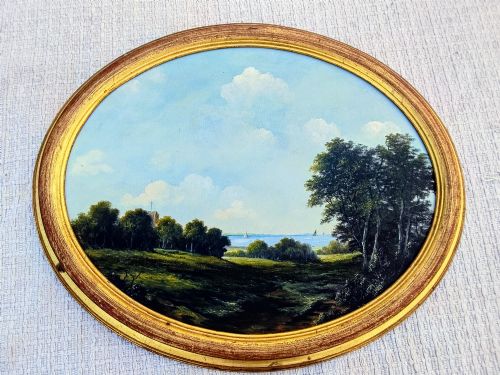
Canvases appear in original giltwood frames, ranging from intimate oval panels to large panoramic wall art. Subjects extend from quiet Cornish beaches to bustling international ports like Valletta and Rotterdam.
Factors of Quality
Quality rests upon the artist's command of maritime architecture, rigging accuracy, and the fluid movement of water under varying light. Superior works demonstrate meticulous observation of nautical vessels combined with confident brushwork rather than rigid formulas.
The survival of the original gilt frame and the stability of the canvas or board contribute significantly to a piece's standing. Works retaining clear provenance or documentation of specific ships and coastal locations hold greater historical weight.
Listings feature works spanning the Victorian era through the mid-twentieth century, executed in oil on canvas and board.
James Hardy·Kenneth Cozens·Clifford Hanney·Eugène-Louis Gillot·William McAlpine·Sidney A Court·B Nash·Edward Mills·John Rose Miles·William Broome·Bernard Gribble·Bonaventura Peeters·F Corpuz·Clive Browne·Peter Brannan·Bernard Benedict Hemy·Thomas Creswick·Willem Bos·Charles Euphraisie Kuasseg·John Wilson Carmichael·Lai Fong·Joseph Farquharson·Dubovsky·John Moore of Ipswich·Nicholas Condy
The Marine Seascape Oil Painting Glossary
- Impasto
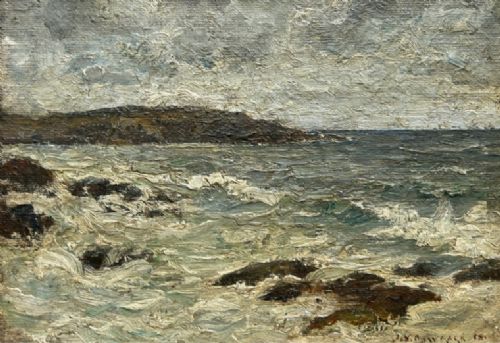
- Paint applied thickly to a canvas, standing out in relief from the surface. This technique allows artists to render the tactile weight and white crest of breaking waves.
- En plein air
- Painting outdoors to directly observe the landscape and changing light conditions. Artists utilised this method to capture immediate coastal weather.
- Giltwood
- Wood carved and covered with a thin layer of gold leaf or gilt paint. These frames enclose many nineteenth-century maritime works.
- Panel
- A rigid flat surface, often wood, utilised as a support for oil paintings instead of woven fabric. Panels provide a stable base for detailed brushwork.
- Provenance
- The documented history of ownership associated with an artwork. Clear records help verify the attribution of historic maritime scenes.
Marine Seascape Oil Painting: Frequently Asked Questions
How do I date a marine painting?
Examine the riggings of the ships, clothing styles of figures on shore, and the construction of the canvas support. Victorian and Edwardian works often display specific naval vessels or architectural landmarks that anchor the timeline.
Signatures, artist registry records, and framing materials also offer reliable clues to the exact decade of creation.
Where should I hang a seascape?
Choose a wall with stable ambient light, avoiding direct, harsh sunlight that can degrade historic oil pigments over time. Rooms with neutral decor allow the deep blues, greys, and gilt frames of maritime art to stand out effectively.
Ensure the hanging height aligns with eye level so the intricate details of the waves and vessels remain easily visible.
What subjects are most common?
The subjects range widely from merchant shipping and naval battles to quiet coastal harbours and crashing surf. Sailing ships like clipper barques and warship galleons frequently anchor the composition.
Artists also favoured everyday maritime labour, such as oyster pickers and fishing boats returning to port at sunset.
Are these paintings on canvas or board?
Both mediums appear frequently across nineteenth and twentieth-century works. Canvas supports are standard for larger panoramic seascapes, while wooden boards often accommodate smaller plein air studies.
The chosen substrate frequently reflects the artist's working method and the historical period of the piece.