



Blue Water Marine Art
Blue water marine art brings the open sea and coastal heritage into your room through enduring nineteenth and twentieth century paintings.
Blue Water Marine Art
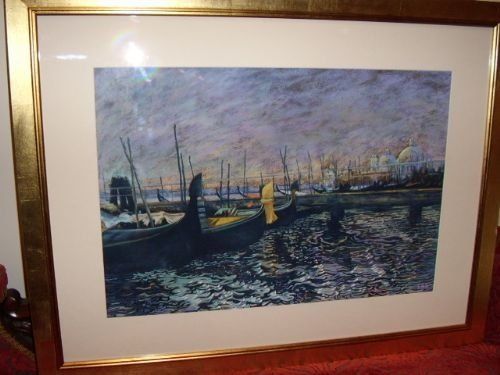
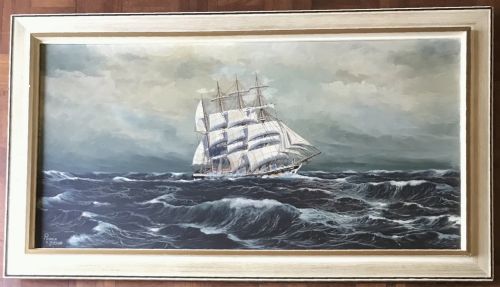
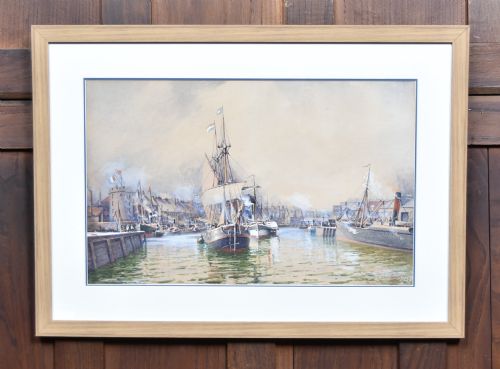
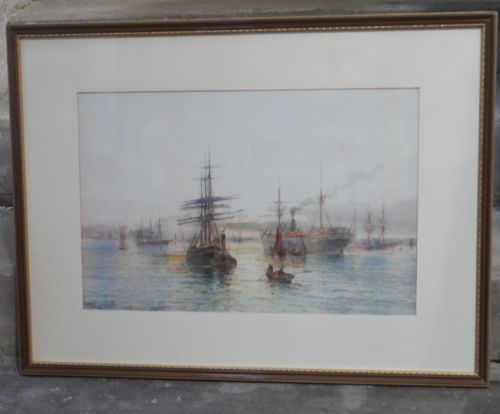
Blue water marine art captures maritime scenes, coastal views and shipping subjects executed during the nineteenth and twentieth centuries. These works range from stormy seas with sailing ships to calmer waters near harbours and ports.
The selections available here feature oil paintings on canvas and panel alongside original watercolours on paper. Most pieces connect directly to British and European schools, focusing on ships, coastal towns and open water.
How these works were made
Painters utilised oil on canvas, oil on panel and card to capture maritime subjects, building rich surface textures through layered oil paint. Others worked in watercolour on paper, capturing light and atmosphere with fluid washes.
Framing typically involves wood surrounds that protect the paper or canvas while complementing the period aesthetic of the painting.
Blue Water Marine Art Retail Price Guide 2026
Typical asking prices for blue water marine art among the pieces listed under this phrase on Sellingantiques today, from the lower quarter to the upper quarter. They describe what is for sale here now, not the wider market.
Listings feature works spanning the nineteenth century up to nineteen-thirty, utilising oil paint, watercolour, paper, canvas and wood.
What varies in quality
Quality rests upon the artist's ability to render maritime movement, atmospheric light and vessel proportions with conviction. Works by recognised painters with recorded signatures or documented styles carry distinct artistic weight compared to anonymous school pieces.
The handling of water and sky determines the visual strength of a piece, distinguishing dynamic compositions from routine depictions of coastal vessels.
William Frederick Settle·William Knox·Frederick William Booty·Arthur Joseph Meadows·Edward Aubrey Hunt·J W Carey
The Blue Water Marine Art Glossary
- Watercolour
- A painting method where fine pigment is suspended in water-soluble binders and applied to paper. This medium allows for transparent washes that capture light and atmosphere.
- Oil on canvas
- Pigment mixed with drying oil applied to a stretched woven fabric surface. This technique permits deep colour saturation and textured brushwork.
- Seascape
- A work of art depicting the sea, ocean or coastal waters. These scenes often focus on ships, waves and shorelines.
- Panel painting
- A painting executed on a flat piece of wood rather than canvas. This support offers a rigid foundation for detailed brushwork.
Blue Water Marine Art: Frequently Asked Questions
What periods do these paintings cover?
The works span from the nineteenth century through the early decades of the twentieth century. Examples include Victorian pieces alongside later Edwardian and post-impressionist works.
This broad timeframe captures changing artistic approaches to maritime subjects, from detailed nineteenth century British school paintings to more expressive twentieth century coastal scenes.
What subjects appear in marine art?
Common subjects include sailing ships, clippers and frigates navigating open water, stormy seas or coastal ports. Townscapes and jetties also feature alongside specific locations such as Dublin Bay, the River Humber and the Grand Canal in Venice.
These depictions range from dramatic accounts of vessels in choppy waters to tranquil harbour views across European coasts.
Are these works original paintings?
The selection consists of original works executed by hand rather than modern reproductions. Artists applied watercolour to paper or oil paint to canvas, panel and card during their respective periods.
Each piece retains the individual brushstrokes and material characteristics of its original creation.
How do I hang marine art?
These framed paintings suit traditional rooms, studies or hallways where their maritime subjects can be viewed clearly. Adequate wall space allows the composition and wood framing to anchor the display.
Positioning them away from direct sunlight protects the watercolours and oil surfaces from fading over time.