

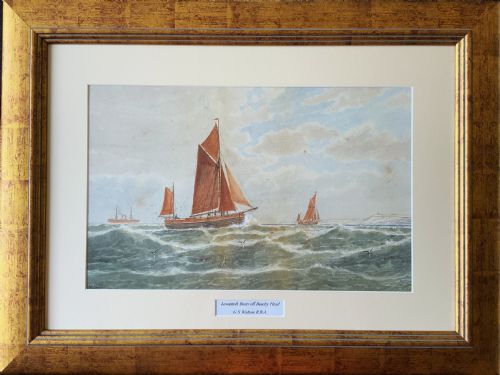


Nautical Ocean Wall Picture
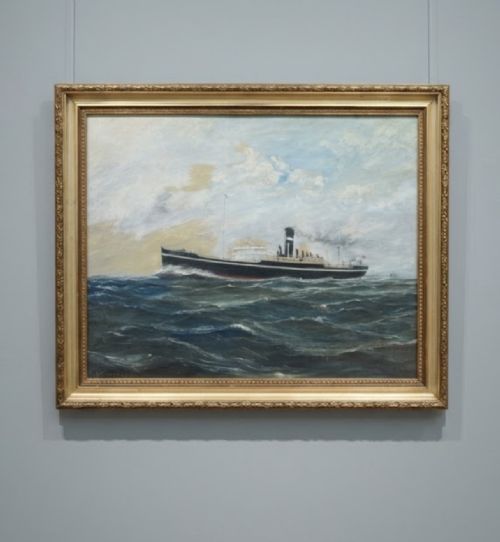
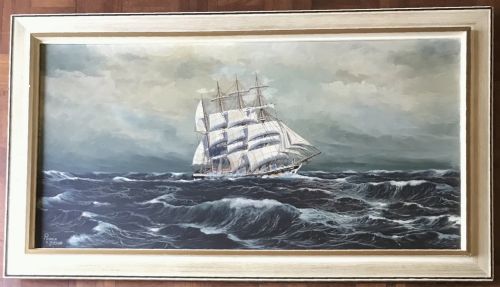
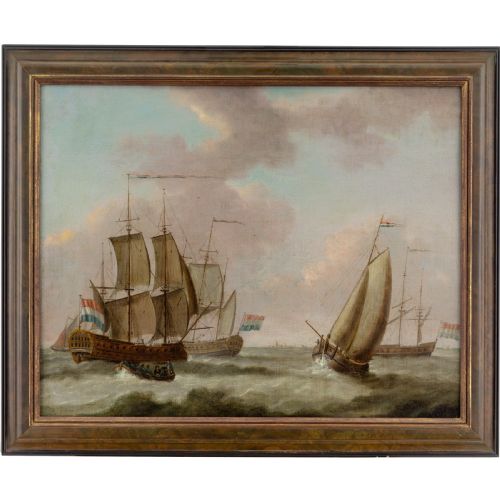
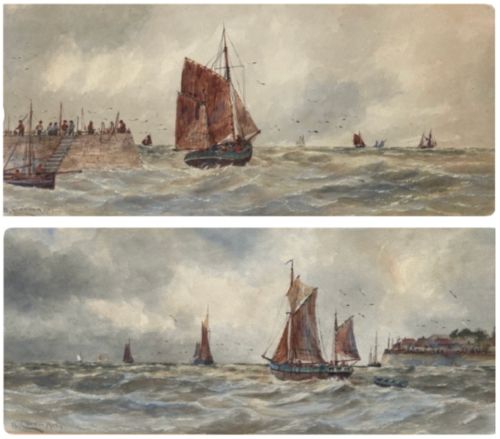
These nautical ocean wall pictures bring maritime history home, capturing sailing ships, coastal scenes and turbulent seas across canvas and paper.
Nautical Ocean Wall Picture
A nautical ocean wall picture represents maritime scenes, capturing sailing vessels, lighthouses, and coastal views across various periods. Buyers seek these works to bring historic marine art and coastal atmosphere into domestic spaces.
Materials and Technique
Artists executed these works primarily using oil on canvas or watercolour on paper, often incorporating charcoal or impasto techniques. Supports commonly consist of stretched canvas or heavy paper, enclosed within period frames.
Framing frequently employs wood and gilt wood, sometimes accented with gold leaf to complement the maritime subject matter. Glass protects works on paper, while oil paintings on canvas remain exposed within their wooden surrounds.
Nautical Ocean Wall Picture Retail Price Guide 2026
Typical asking prices for nautical ocean wall picture among the pieces listed under this phrase on Sellingantiques today, from the lower quarter to the upper quarter. They describe what is for sale here now, not the wider market.
Several paintings record specific named vessels, capturing historic ships like the Mary Wylie and the clipper Garthpool upon the open water.
Evaluating Quality
Quality rests upon the artist's ability to render maritime movement, atmospheric light, and precise vessel rigging. Finer examples capture the specific action of waves and weather with confident brushwork or delicate washes.
Provenance and attribution elevate certain pieces, particularly those bearing signatures or documentation linking them to recognised marine artists. The integrity of the original medium and the suitability of the period frame also distinguish superior examples.
William Cannon·George Stanfield Walters·Elisabeth Bardon·Charles Napier Hemy·Gustave De Bréanski·George Henry Knight·Frank Wood·Thomas Bush Hardy
The Nautical Ocean Wall Picture Glossary
- Seascape
- A work of art depicting the sea, coastal views, or marine subjects. These pieces focus on water, weather, and vessels.
- Watercolour
- A paint consisting of pigment suspended in a water-based solution, typically applied to paper. It creates transparent washes that suit coastal light.
- Impasto
- Paint applied thickly to a canvas, standing out from the surface. This technique adds texture to depictions of rough seas and stormy skies.
- Barque
- A sailing vessel with three or more masts. This specific rigging appears frequently in traditional marine paintings.
Nautical Ocean Wall Picture: Frequently Asked Questions
What periods do these paintings come from?
The works span from the nineteenth century through the mid-twentieth century, encompassing Victorian and Edwardian periods as well as later interwar art.
Most pieces date specifically between the eighteen-hundreds and the nineteen-fifties, reflecting shifts in marine painting styles over that era.
How are these maritime artworks framed?
Frames typically consist of wood, often with gilt wood finishes or gold leaf details that complement the traditional subjects.
Works executed on paper include protective glass glazing, while oil paintings on canvas remain open within their protective surrounds.
What subjects appear in these scenes?
Common subjects include sailing ships, clipper barques, steamers, fishing boats, and lighthouses set against coastal or open ocean backdrops.
Artists also depicted specific activities such as beaching boats, navigating stormy seas, or passing along foreign ports.
How do I hang a heavy oil painting?
Large oil paintings on canvas require secure wall fixings, typically anchored directly into wall studs or using heavy-duty masonry plugs.
Ensure the hanging wire and D-rings affixed to the wooden frame match the overall weight of the piece before mounting.