




Traditional Vessel Oil Painting
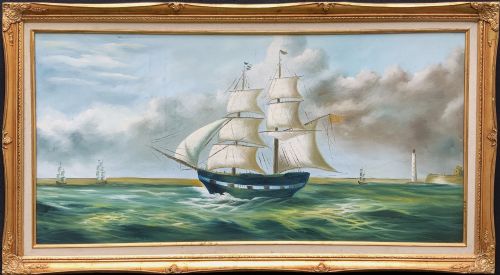
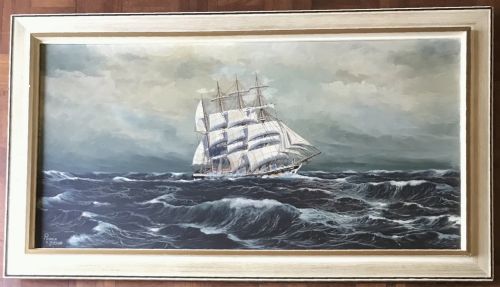
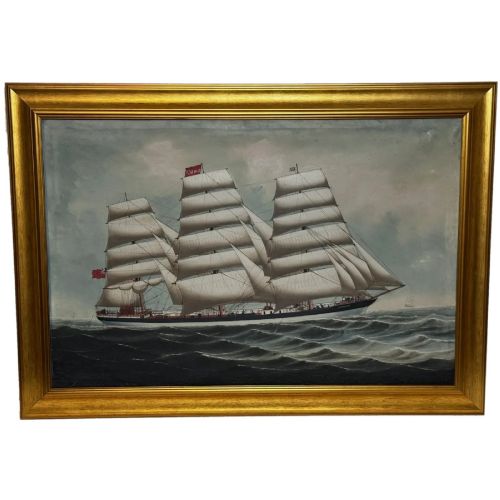
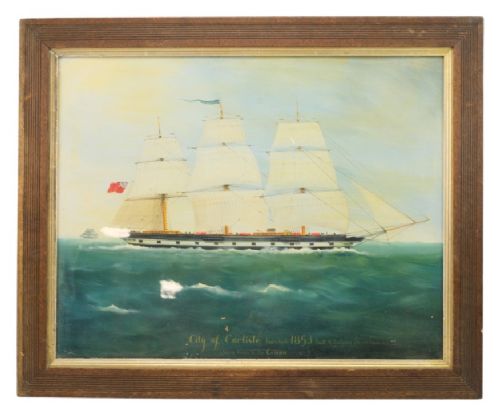
Traditional vessel oil painting works as a window into maritime history, capturing sailing ships, stormy seas and harbour scenes.
Traditional Vessel Oil Painting
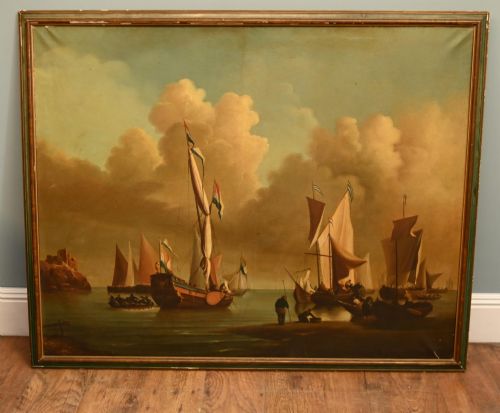
Traditional vessel oil painting encompasses maritime artworks depicting ships, galleons, war fleets and coastal scenes across several centuries. The pieces on this page span from the eighteenth century through to the mid-twentieth century, showing a strong focus on maritime subjects and marine art. Buyers encounter works attributed to named artists alongside examples from the English School and Dutch marine style.
The dominant forms here are oil paintings on canvas and panel, though the selection also extends to related wall art and painted decorative objects. Subjects range from dramatic storm scenes and sea battles to quiet harbour views and moonlight on the water. These works record naval history, merchant shipping and coastal life through distinct artistic traditions.
How they were made
Artists painted these works primarily using oil paint applied to stretched canvas or wooden panels. Canvas provides a textured surface that holds layered brushwork, while panels offer a rigid support suited to detailed harbour views and ship portraits. Many of these paintings retain their original frames, including gilded wood and gilt mouldings.
The technique relies on the slow-drying nature of oil paint to build depth in water, sky and rigging. Painters layered tones to capture the play of light on waves, moonlight on estuaries and smoke from sea battles. Subsequent framing in gilt or gilded wood completed the presentation of these maritime works.
Traditional Vessel Oil Painting Retail Price Guide 2026
Typical asking prices for traditional vessel oil painting among the pieces listed under this phrase on Sellingantiques today, from the lower quarter to the upper quarter. They describe what is for sale here now, not the wider market.
Even stormy seas require a steady hand when painting the rigging.
What varies in quality
Quality in these maritime works rests on the artist's command of perspective, rigging accuracy and atmospheric depth. Superior pieces capture the weight of a vessel, the movement of choppy water and the shifting light of a stormy sea with conviction. Lesser examples rely on formulaic compositions and stiff rendering of hulls and sails.
The handling of maritime details, from the set of the canvas to the rendering of coastal figures and harbour architecture, sets apart the finest works. Provenance and attribution to recorded painters also shape the standing of a piece within the range. The integration of the painted surface with its period frame contributes to the overall integrity.
James Hardy·Reginald Arthur Borstel·George Shaw·Hendrik Willebrord Jansen·Dion Pears·Marie-Edouard Adam·Ebeneezer Colls·Harold Edward Conway·Hubert Thornley
The Traditional Vessel Oil Painting Glossary
- Canvas
- A heavy woven fabric stretched across a wooden frame to form the primary support for oil paint. It provides flexibility and a textured surface for brushwork.
- Panel
- A flat wooden support used by artists instead of canvas. Panels offer a rigid surface that withstands detailed brushwork.
- Gilt
- A thin layer of gold leaf applied to wooden frames and decorative objects. It enhances the appearance of period picture frames.
- Seascape
- A work of art depicting the sea, ships, coastal views or naval engagements. This genre forms the core of the maritime paintings shown here.
Traditional Vessel Oil Painting: Frequently Asked Questions
What periods do these paintings cover?
The works span from the eighteenth century through the nineteenth century and into the mid-twentieth century. This temporal range captures shifts in maritime art and painting techniques.
Examples include eighteenth-century canvas works, Victorian maritime pieces and mid-twentieth-century treatments of traditional vessels.
What subjects appear in these works?
Subjects focus heavily on maritime scenes, including sailing ships, war galleons, fishing trawlers and merchant vessels. Coastal views and harbour scenes also feature prominently.
Compositions range from stormy seas and naval battles to quiet moonlight views on rivers and estuaries.
How should I care for an oil painting?
Keep oil paintings away from direct sunlight and fluctuating temperatures to protect the canvas and paint layers. Gentle dusting with a soft, dry brush maintains the surface.
Avoid using moisture or chemical cleaners on the paint or the gilt frame.
Are these paintings signed by artists?
Some works bear signatures or attributions to recorded painters, while others originate from historical schools such as the English School or Dutch marine style.
Attributions rely on stylistic evidence, period documentation and subject matter traditional to marine art.