



Sailing Boat Canvas Picture
A sailing boat canvas picture brings the drama of open water and historic vessels directly to your wall through traditional oils.
Sailing Boat Canvas Picture
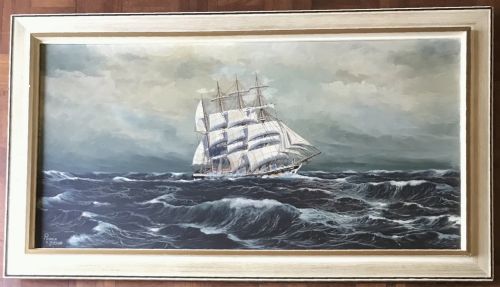
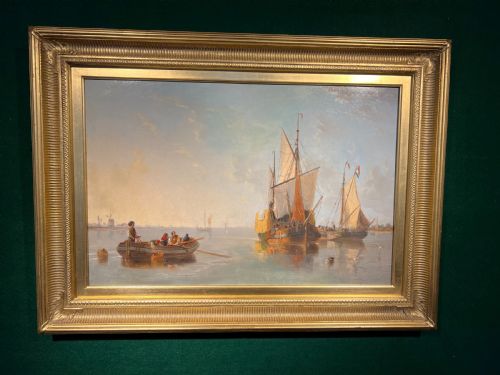
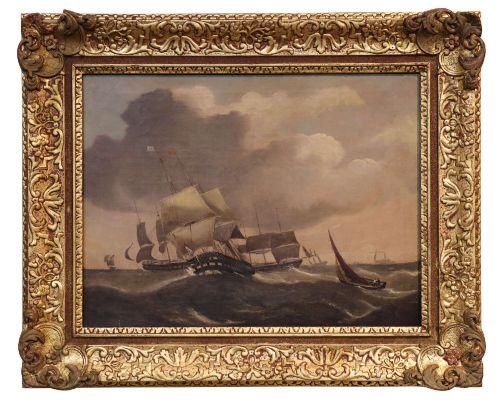
A sailing boat canvas picture is an oil painting on canvas capturing maritime scenes, coastal shipping, and historic vessels. These works range from early nineteenth-century harbour views to mid-twentieth-century impressionist seascapes.
The pieces on this page include detailed depictions of stormy seas, quiet coastal towns, and elegant yachts. You will find works originating from British, French, and American schools spanning the Victorian era into the mid-twentieth century.
How they were made
Artists painted these works using oil paint applied to stretched canvas, often mounted in wood or giltwood frames. Techniques vary from smooth academic realism to textured impasto brushwork that gives a tangible sense of movement to the water.
The physical structure relies on traditional canvas stretched across wooden frames, supporting layers of oil pigment that capture shifting light on the sea and sky.
Sailing Boat Canvas Picture Retail Price Guide 2026
Typical asking prices for sailing boat canvas picture among the pieces listed under this phrase on Sellingantiques today, from the lower quarter to the upper quarter. They describe what is for sale here now, not the wider market.
Artists often packed extra sand into their oils to give coastal waves a genuine gritty texture.
What varies in quality
Quality in these marine works rests on the artist's ability to render the atmosphere of the sea and the accurate rigging of the vessels. Signed works by documented artists carry a stronger presence than anonymous school pieces.
The depth of composition and the handling of light in difficult conditions, such as heavy seas or moonlit water, separate standard decorative items from accomplished fine art.
John Wilson Carmichael·Elisabeth Bardon·Charles Napier Hemy·Alfred Henry Vickers·George Henry Knight·Edward Henry Holder·Owen Bowen·Frank Myers Boggs
The Sailing Boat Canvas Picture Glossary
- Canvas
- A heavy woven fabric used as a surface for oil painting. It is typically stretched tightly over a wooden frame before work begins.
- Impasto
- A technique where paint is laid on an area of the surface in very thick layers. This makes brush strokes or palette knife marks visibly stand out from the canvas.
- Seascape
- A work of art depicting the sea, ocean, or coastal views. These subjects often focus on ships, waves, and coastal weather.
- Giltwood
- Wood that has been treated with gold leaf or a gold-coloured finish. It is commonly found on the traditional frames housing these paintings.
Sailing Boat Canvas Picture: Frequently Asked Questions
How do I care for an oil painting on canvas?
Keep the canvas away from direct sunlight and damp environments to prevent the paint from cracking or fading. Dust the surface gently with a soft, dry brush without using water or cleaning fluids.
Ensure the room maintains a stable temperature to stop the wooden stretcher frames from warping over time. Professional framing with proper backing also protects the canvas from atmospheric damage.
Are these paintings original works?
The pieces listed here are original hand-painted oil works created on canvas rather than modern reproductions or prints. Each piece carries unique brushstrokes and texture applied by the artist.
Many of these works date back to the nineteenth and early twentieth centuries, bearing the individual signature or style of their maker.
How do I identify the age of a marine painting?
Dating relies on the style of the vessel rigging, the clothing of figures in coastal scenes, and the construction of the canvas and stretcher frame. Nineteenth-century works often show different canvas preparations compared to mid-twentieth-century examples.
Signatures, artist biographical dates, and framing styles also provide clear clues to the period in which the painting was produced.
Where should I hang a maritime painting?
Select a wall with indirect light to showcase the texture of the oil paint without causing glare on the canvas surface. Traditional seascapes pair well with classic interiors, studies, or rooms featuring natural wood finishes.
Ensure the hanging wall is structurally sound and away from heat sources like radiators that might dry out the wooden frame.