

Marble Portrait Statue
These marble portrait statue pieces capture likenesses in stone and metal, offering tangible history for any interior.
Marble Portrait Statue
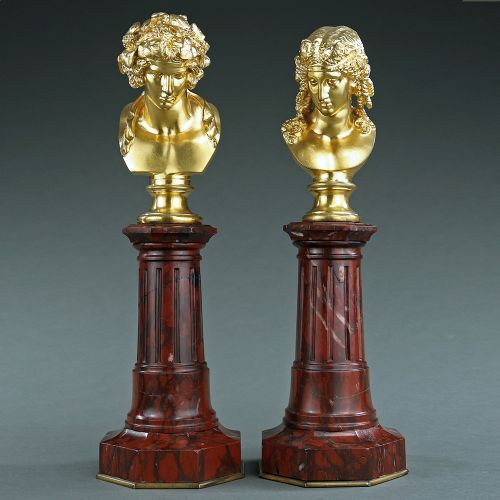
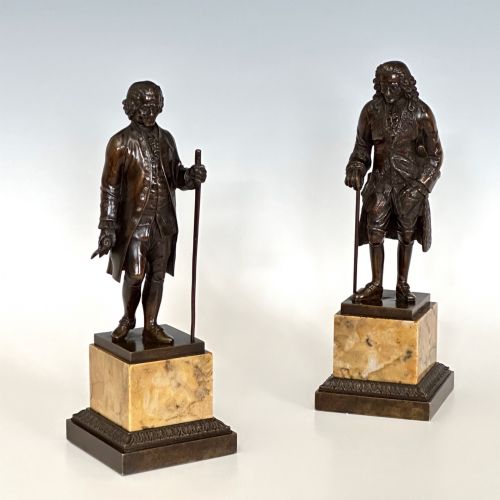
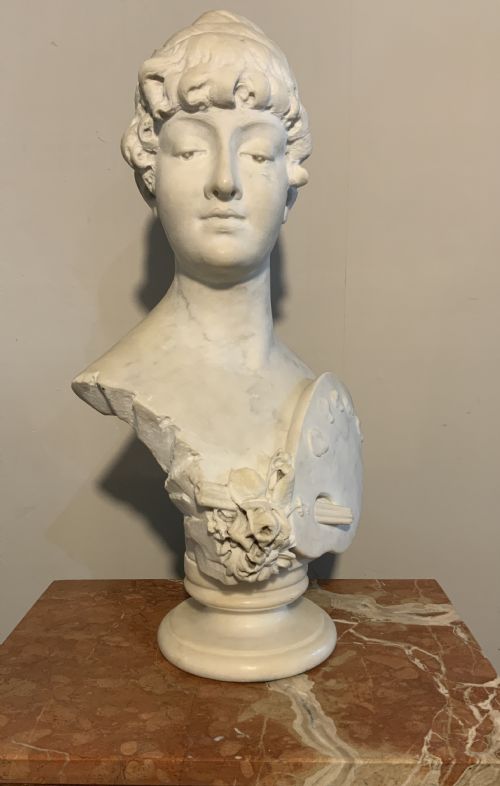
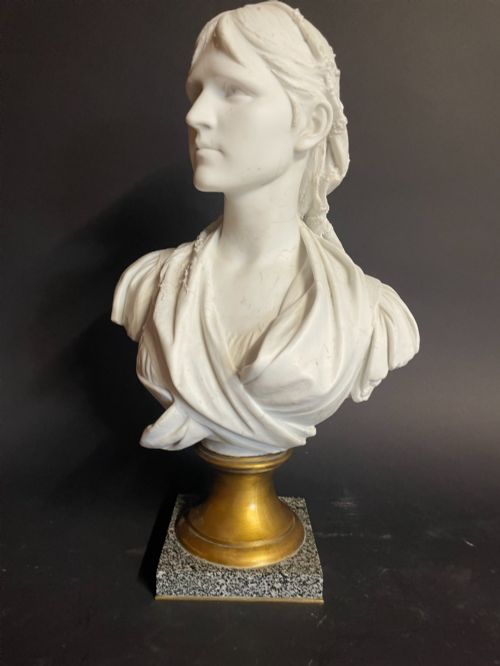
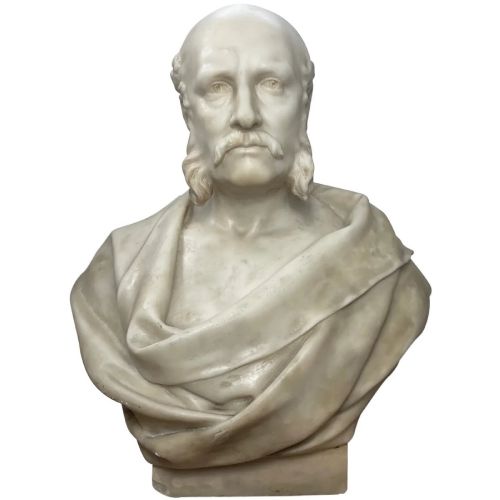
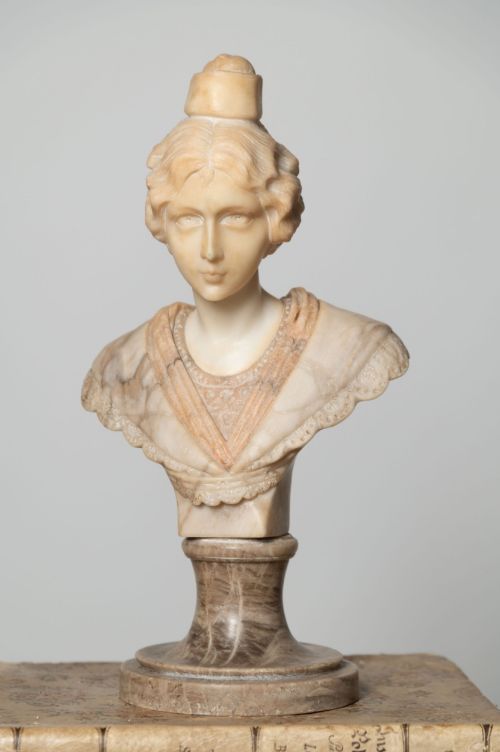
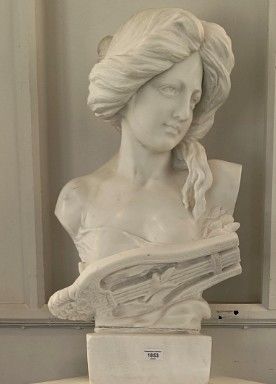
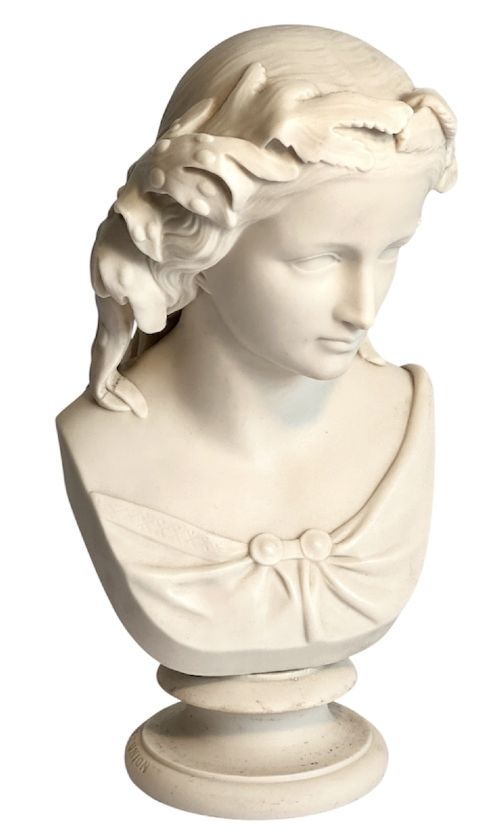
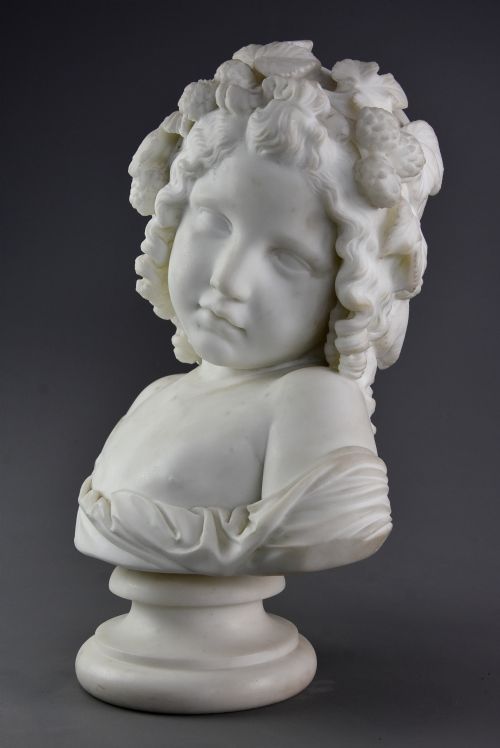
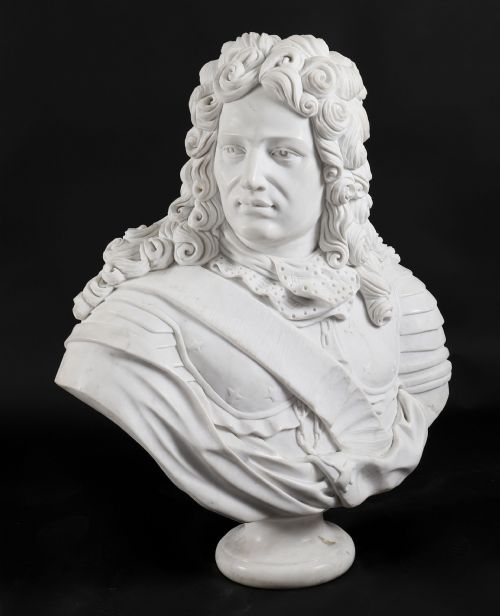
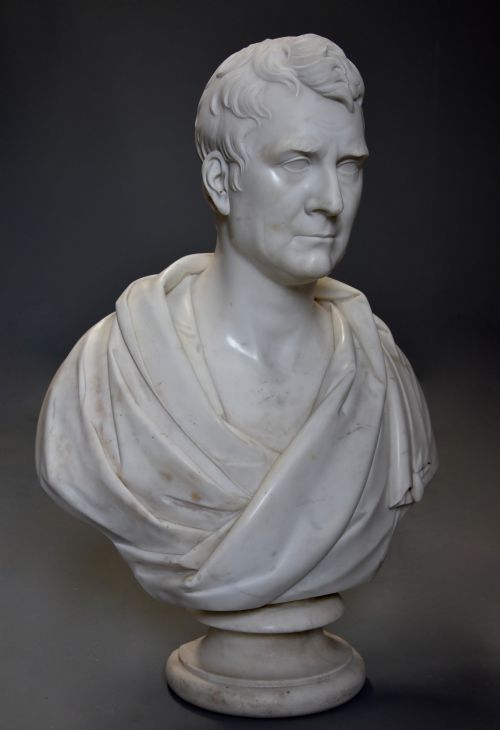
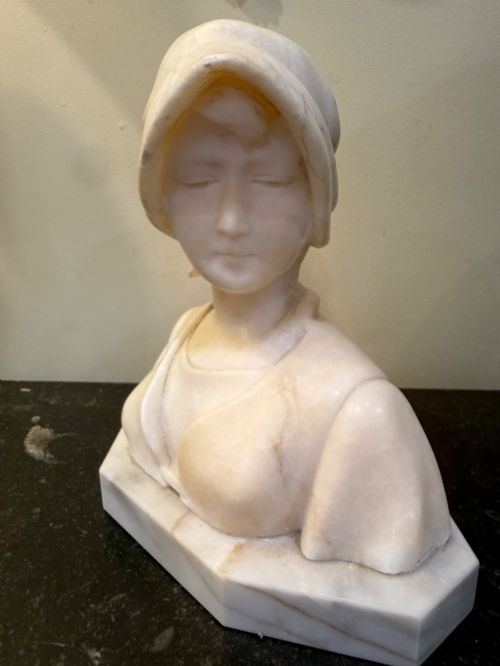
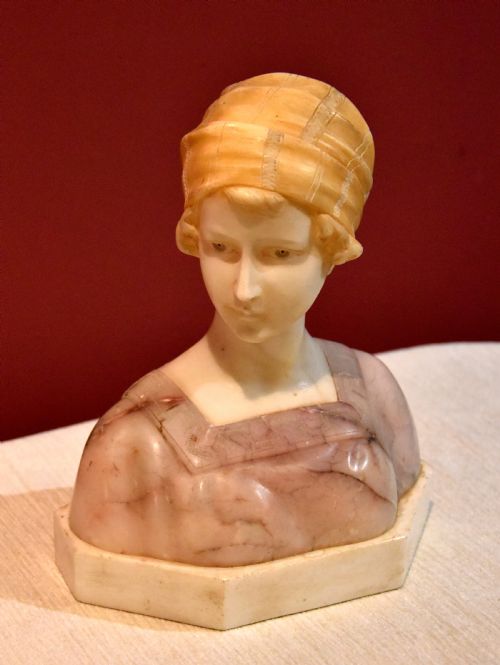
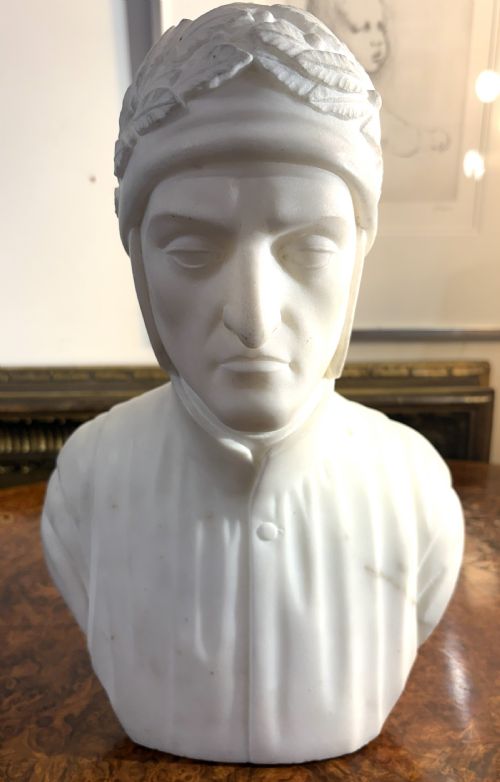
A marble portrait statue search uncovers carved likenesses ranging from classical figures to Victorian gentlemen and unknown youths. The most common format on this page is the portrait bust, often rendered in Carrara marble, white marble, or alabaster.
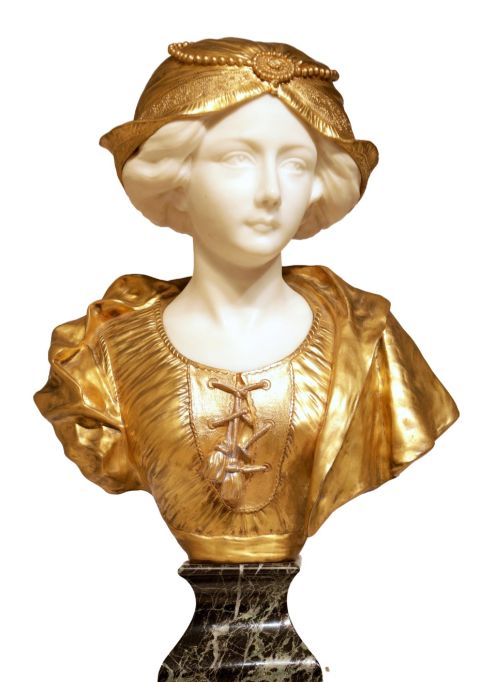
Pieces span the nineteenth and twentieth centuries, taking inspiration from Neoclassical, Victorian, and Art Nouveau movements. Makers utilised stone and bronze to depict literary icons, emperors, historical figures, and anonymous subjects alike.
Grand Tour souvenirs sit alongside monumental civic commissions and delicate library busts. Each piece reflects the sculptural tastes of its era, from French Restauration bronzes to Italian workshop carvings.
Materials and technique
Carvers shaped white, Carrara, and red marble alongside translucent alabaster using traditional chisel and drill methods. Many sculptures combine these stones with bronze, gilt bronze, or vert de mer marble bases to contrast textures.
Signatures and inscriptions appear on select works, pointing to studio practices where sculptors reproduced classical antiquity or modelled living sitters. Surface finishes vary from highly polished skin tones to textured hair and drapery.
Dante Alighieri appears across multiple library busts, quietly judging modern interior design choices from marble shelves.
Craftsmanship and detail
Execution separates standard studio output from exceptional portraiture, visible in the treatment of facial expression, fabric folds, and hair strands. Subtle undercut work and smooth transitions in the stone indicate a more accomplished hand.
The choice of material also plays a role, with flawless fine-grained Carrara marble or well-figured alabaster commanding attention. Signed pieces by recorded makers generally exhibit superior anatomical proportion and presence.
Houdon·Affortunato Gory·J Francis·Georges-Charles Coudray·John Wenlock Rollins·Mieczyslaw Leon Zawiejski
The Marble Portrait Statue Glossary
- Bust
- A sculpture depicting a person's head, shoulders, and upper chest. These works often rest on an integrated or separate plinth.
- Carrara Marble
- A type of white or blue-grey marble quarried in the city of Carrara in Tuscany, prized for statuary. Sculptors favoured this material for its fine grain and consistent texture.
- Alabaster
- A soft mineral stone, typically white or translucent, used extensively for carved figures and library busts. Its softness allows for delicate, light-permitting detail.
- Grand Tour
- A traditional trip of Europe undertaken by upper-class young men of means in the eighteenth and nineteenth centuries. Travellers acquired bronze and marble busts as cultural souvenirs.
- Neoclassical
- A Western cultural movement drawing inspiration from the art and culture of classical antiquity. This style influenced many nineteenth-century portrait sculptures.
Marble Portrait Statue: Frequently Asked Questions
How do I clean a marble bust?
Dust the surface regularly with a soft, dry brush to prevent grime accumulation.
Avoid using water, soap, or chemical cleaners, as these can damage porous stone and delicate patinas.
What is a library bust?
Library busts typically depict historical figures, philosophers, or poets on a smaller scale.
Victorians placed these sculptures in studies and libraries to signal intellectual pursuits.
Are these pieces signed?
Some sculptures feature carved signatures or foundry marks on the reverse or base.
Unsigned works remain common, often originating from Italian or French studios catering to the nineteenth-century market.
How do I identify alabaster from marble?
Alabaster feels softer to the touch and allows light to pass slightly beneath the surface due to its translucent quality.
Marble is harder, colder, and opaque with a crystalline grain structure.