






Marble Plant Stand
When you search for a marble plant stand, you look for a sturdy elevated surface designed to display horticulture or decorative items.
Marble Plant Stand
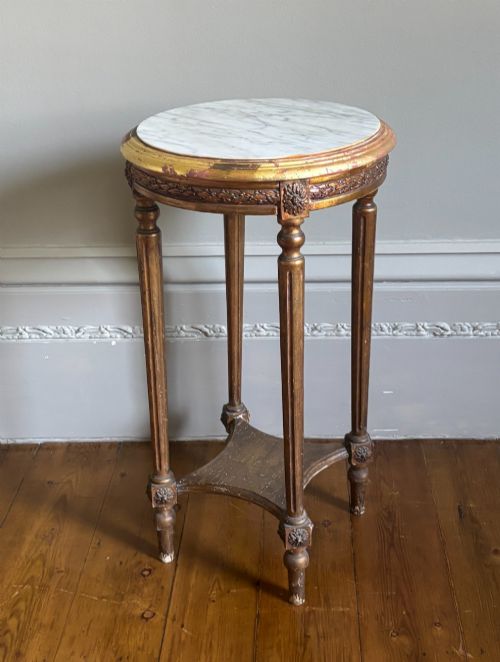
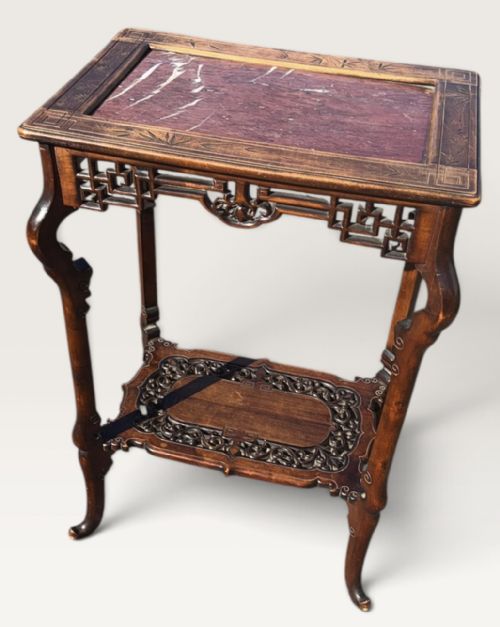
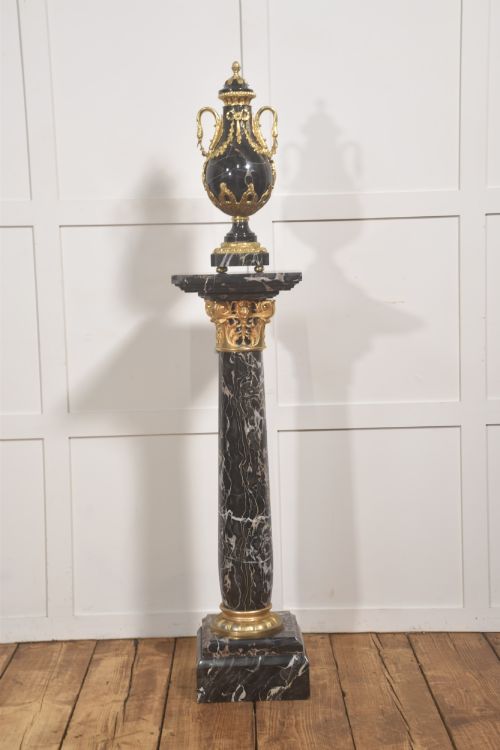
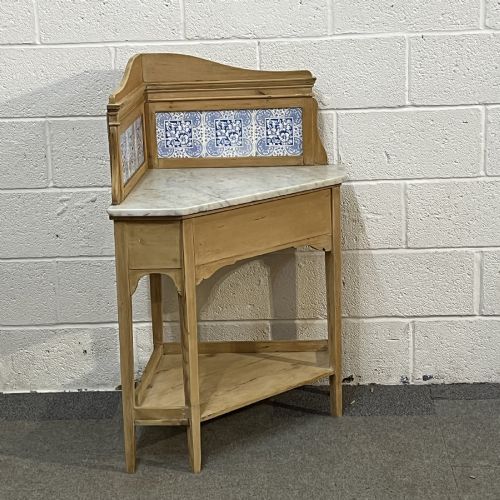
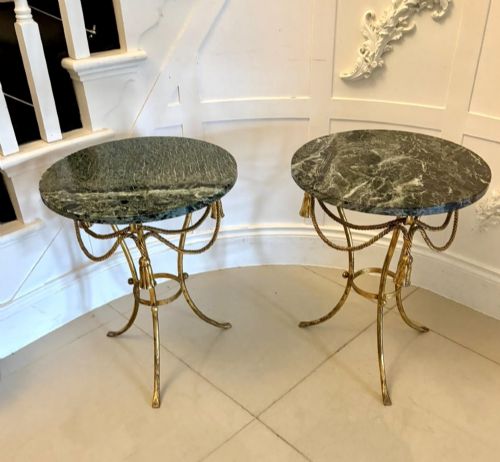
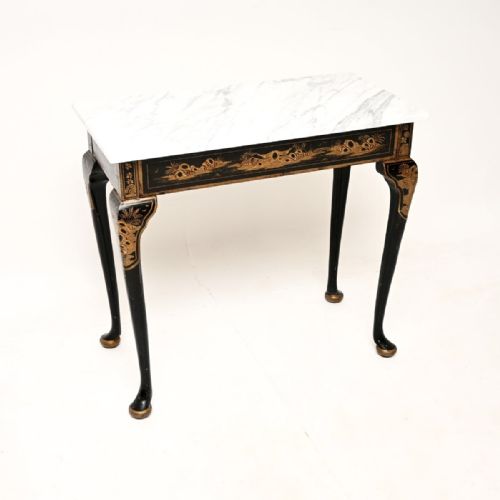
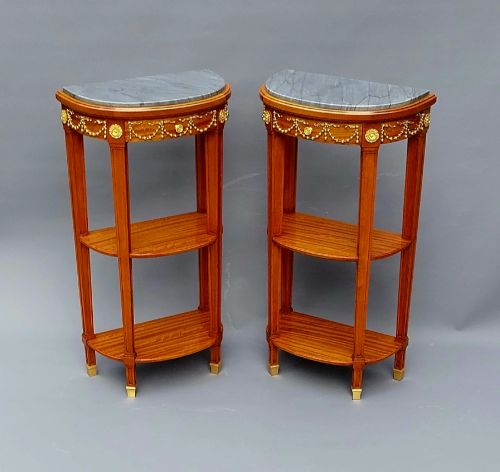
A marble plant stand serves as a specialised furniture piece designed to elevate greenery, urns, or decorative objects within an interior space. The selection spans several distinct historical periods, with the Victorian era and the nineteenth century heavily represented alongside Qing Dynasty examples.
Origins stretch from European workshops influenced by Neoclassical and Louis XVI styles to Chinese export production utilising rosewood and hongmu. Each variation provides a stable platform tailored to interior display requirements.
Quality variations
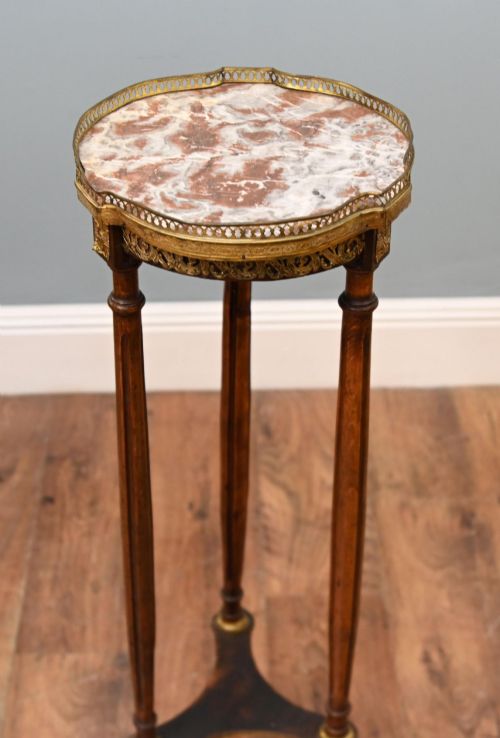
Superior examples demonstrate precision in the carving of hardwood frames and the careful selection of variegated or figured marble inserts. Lower-tier pieces often rely on simpler turned elements and standard painted finishes rather than detailed hand-carved decoration.
The integration between the stone top and the wooden or metal base determines structural integrity. Finely made stands exhibit tight joints and substantial metal mounts, whereas simpler versions show basic construction methods.
Marble Plant Stand Retail Price Guide 2026
Typical asking prices for marble plant stand among the pieces listed under this phrase on Sellingantiques today, from the lower quarter to the upper quarter. They describe what is for sale here now, not the wider market.
Several stands double as covert indoor greenhouses where ferns once flourished beneath heavy stone.
The Marble Plant Stand Glossary
- Hongmu
- A dense, dark Chinese hardwood frequently utilised for traditional furniture production. Artisans valued it for its capacity to hold intricate carved relief details.
- Scagliola
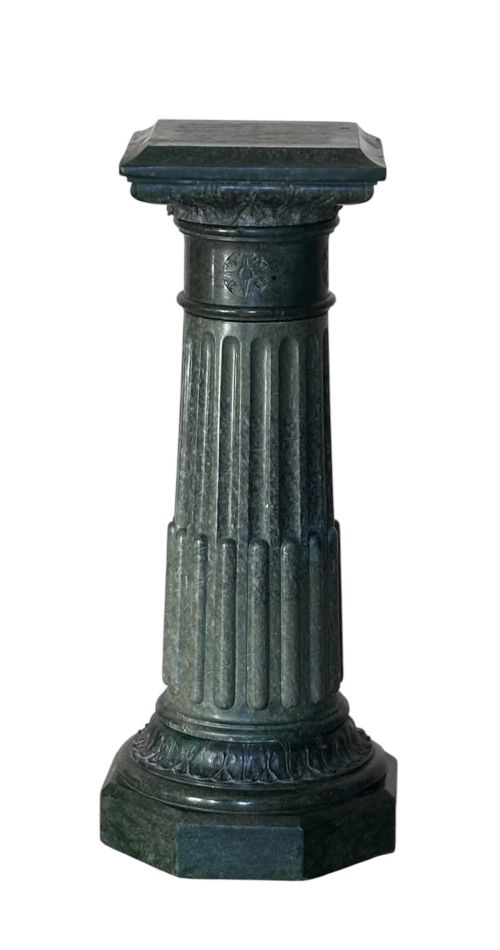
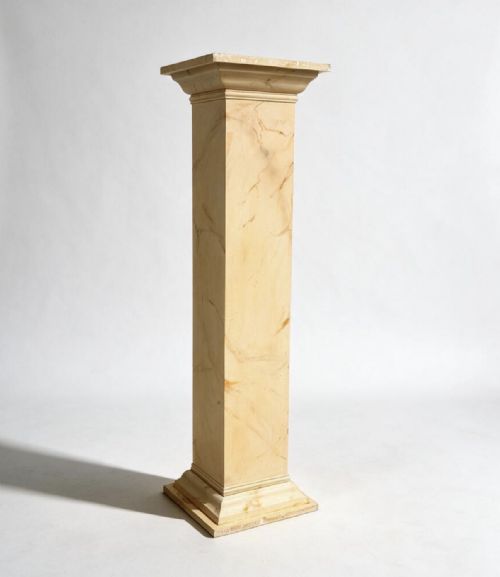
- A composite material made from glue, pigments, and selenite that imitates marble. Craftsmen applied this mixture to mimic expensive stone columns.
- Ormolu
- Gilded bronze mounts applied to furniture edges and columns. This technique adds decorative contrast to wood and marble surfaces.
- Guéridon
- A small French table supported by one or more columns. These pieces often feature circular marble tops.
- Jardiniere stand
- A decorative piece built specifically to hold plant pots and floral arrangements. They frequently incorporate waterproof insets or stone surfaces.
Marble Plant Stand: Frequently Asked Questions
What is a marble plant stand used for?
These pieces function primarily as elevated platforms for holding heavy potted plants, jardinieres, or decorative urns. The stone top prevents water damage from overflow while providing a stable base.
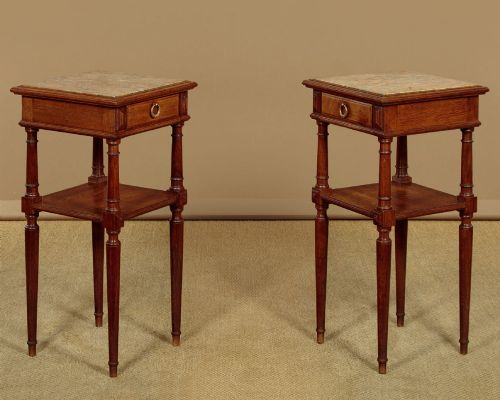
Beyond horticulture, owners frequently utilise them as side tables, lamp tables, or torchieres for displaying sculptures and ceramics in reception rooms.
How do I identify Chinese export stands?
Chinese export stands typically feature dense carved hardwoods like rosewood, hongmu, or huanghuali combined with inset marble panels. Look for traditional pierced carvings, shaped aprons, and motifs derived from Qing Dynasty design.
European interpretations often incorporate neoclassical revival details, gilt wood, or ormolu mounts that distinguish them from Asian workshop production.
Are marble tops removable?
Most marble inserts rest inside a rebated wooden frame and are held in place primarily by their own weight. While some are fixed with mortar or adhesive, many simply lift out for transport.
Checking beneath the top reveals whether the stone sits loose within the wooden or metal structure.
How do I care for nineteenth century stands?
Maintain the wooden components by dusting with a dry cloth and applying appropriate wax sparingly. Avoid placing wet pots directly onto unsealed wood surfaces.
Clean marble inserts gently with mild soap and water, avoiding acidic solutions that can etch the polished stone finish.