





Marble Plant Column
These marble plant column pieces elevate flora and sculpture, bringing classical proportion and tactile stone surfaces into domestic rooms.
Marble Plant Column
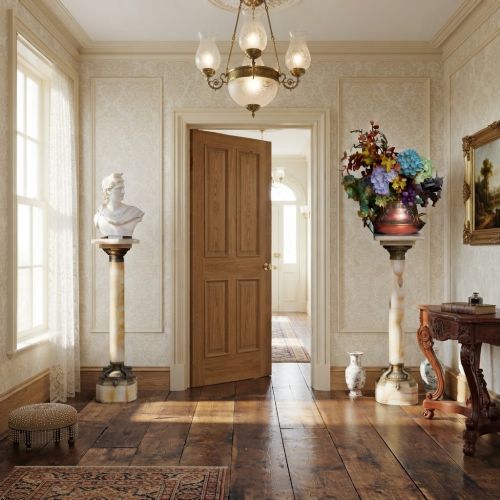
A marble plant column serves as an elevated platform for urns, busts, and botanical displays, lifting them into the line of sight within a room. When you search for a marble plant column, you encounter architectural supports designed to showcase decorative objects rather than bear structural loads.
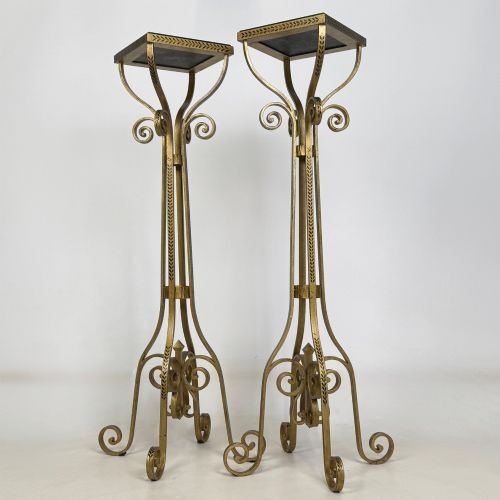
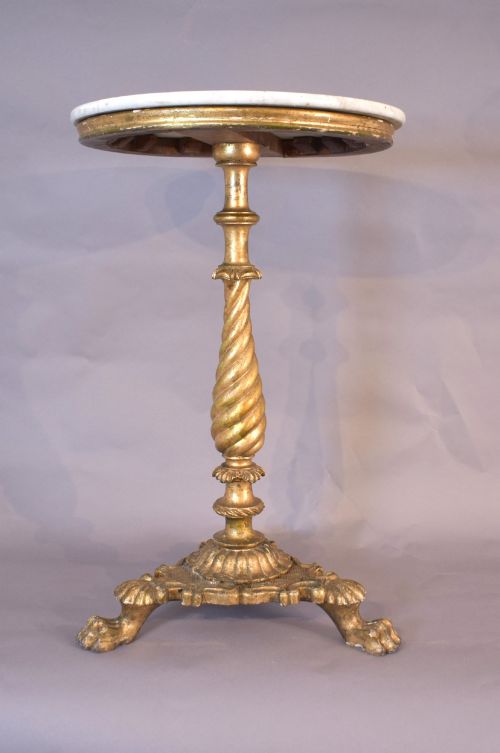
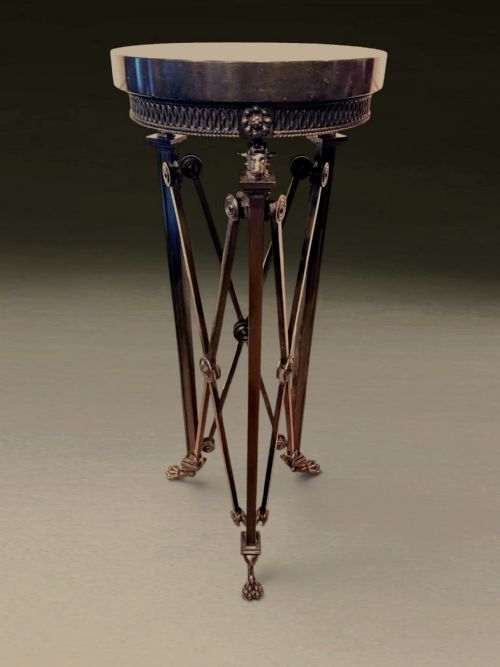
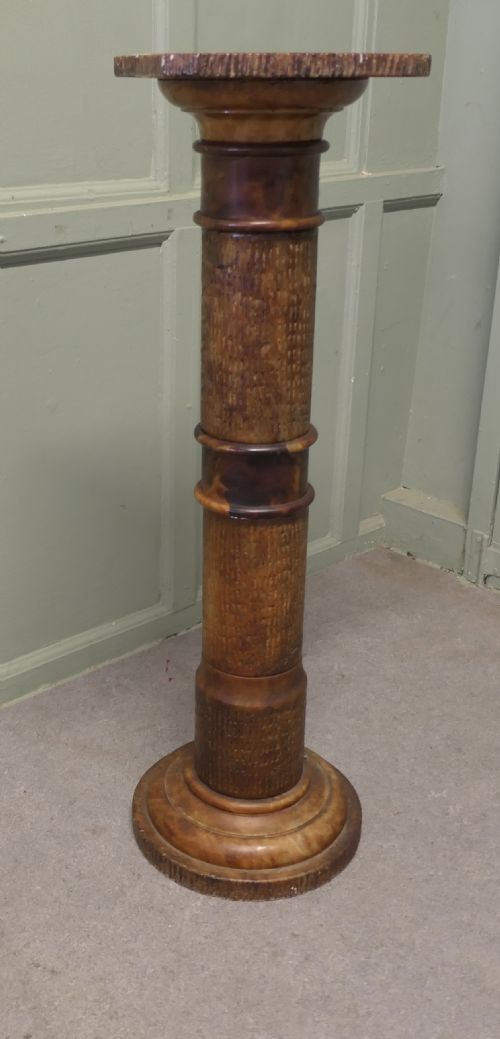
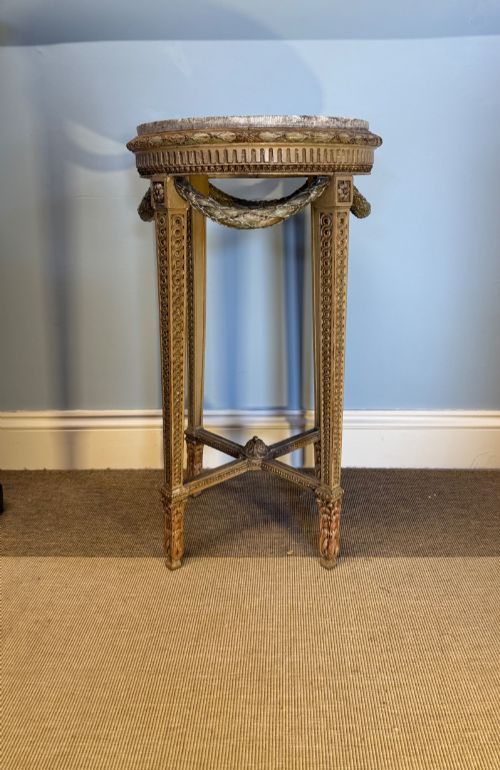
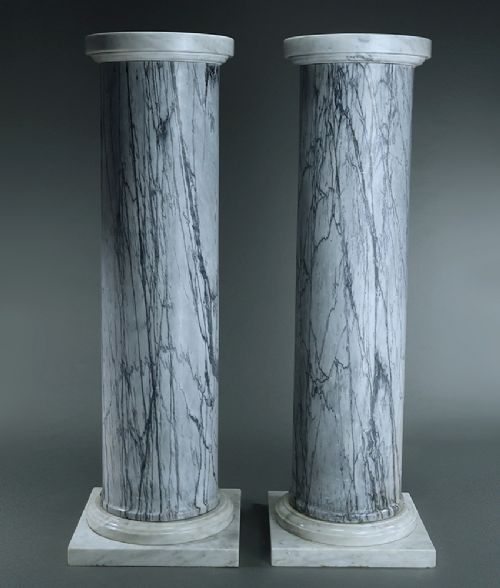
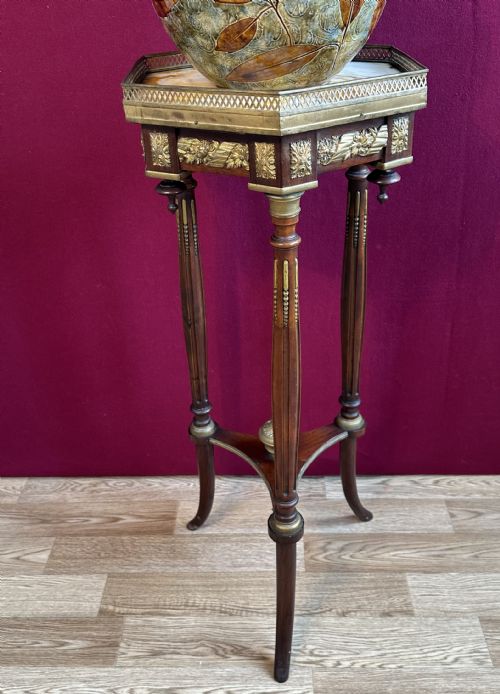
The selections span the nineteenth century into the twentieth, drawing on Neoclassical, Victorian, and Regency taste. Examples take the form of tall pedestals, torchères, and low tripod tables topped with stone.
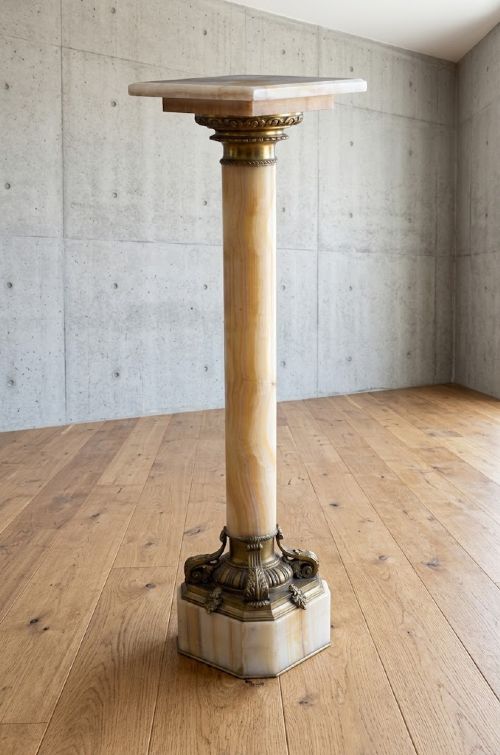
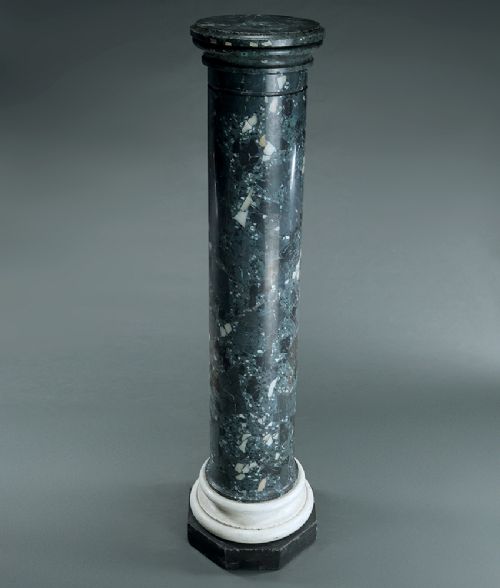
French and English workshops produced these supports in significant numbers, often utilising imported stones like onyx and verde antico alongside native timbers. The most frequent iteration on this page combines a turned stone shaft with gilt bronze or brass mounts.
How they were made
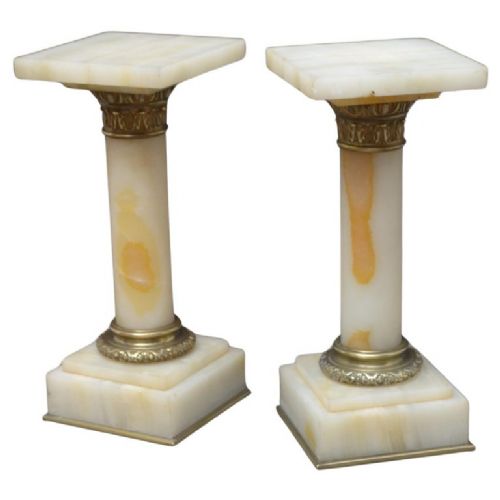
Makers turned dense stones such as onyx, alabaster, and variegated marble on heavy lathes to create smooth, uniform shafts. Sections were joined internally with metal rods to secure the heavy capital and base.
Foundries cast ormolu and brass collars, mounts, and feet, chasing the metal details by hand before gilding or mounting them directly to the stone. Wood components, including mahogany, giltwood, and kingwood, underwent traditional joinery and polishing.
Several columns double as secret lamp bases with internal wiring channels, proving Victorians loved multitasking furniture just as much as we do.
What varies in quality
The selection of the stone dictates the initial grade of the piece, with richly figured onyx, bardiglio, and verde antico commanding greater skill in matching and turning than plain painted plaster or simple softwoods. The depth and clarity of the natural veining influence the visual weight of the column.
Metalwork separates standard production from finer examples. Crisp, hand-chased ormolu collars and heavy cast brass mounts indicate superior workshop output compared to pressed sheet metal.
Stability and proportion govern the construction quality. A well-balanced capital and a heavy, level base ensure the column supports heavy marble urns or bronze figures without tipping.
The Marble Plant Column Glossary
- Torchère
- A tall, slender stand designed to hold a lamp, plant, or candle. These pieces typically feature narrow shafts raised on tripod or plinth bases.
- Ormolu
- Gilded bronze used for decorative mounts and collars on furniture and stone columns. The technique involves applying a gold amalgam to bronze and heating it.
- Scagliola
- A composite material made from pigmented selenite, glue, and plaster, applied to mimic natural marble. Artisans polished the surface to achieve a stone-like sheen.
- Verde Antico
- A dark green serpentine marble heavily veined with white calcite. This stone was favoured in classical antiquity and revived during the nineteenth century.
- Capital
- The uppermost member of a column, situated directly beneath the flat top or plinth. It often displays carved acanthus leaves or cast bronze mounts.
Marble Plant Column: Frequently Asked Questions
What did people put on marble plant columns?
Historically, these stands held heavy potted ferns, palm plants, bronze busts, and porcelain urns.
They raised botanical specimens to window height to capture light and displayed sculptural art in reception rooms.
Are these columns strong enough for heavy plants?
Solid stone and hardwood columns possess substantial weight-bearing capacity, designed to support heavy marble planters and cast metal sculptures.
However, hollow plaster or lightweight composite versions require care with heavy loads to prevent tipping.
How do I tell nineteenth century columns apart from later ones?
Nineteenth-century examples often feature hand-turned stone shafts with heavy bronze or ormolu mounts and traditional timber joinery.
Twentieth-century iterations frequently utilise lighter cast brass, scagliola, or simplified turnings reflecting Edwardian and Art Deco tastes.
Where should I place a plant column at home?
These pieces suit corners, window bays, and entrance halls where vertical height breaks up low furniture arrangements.
Ensure the floor is level and the base rests firmly to maintain stability under top-heavy displays.