
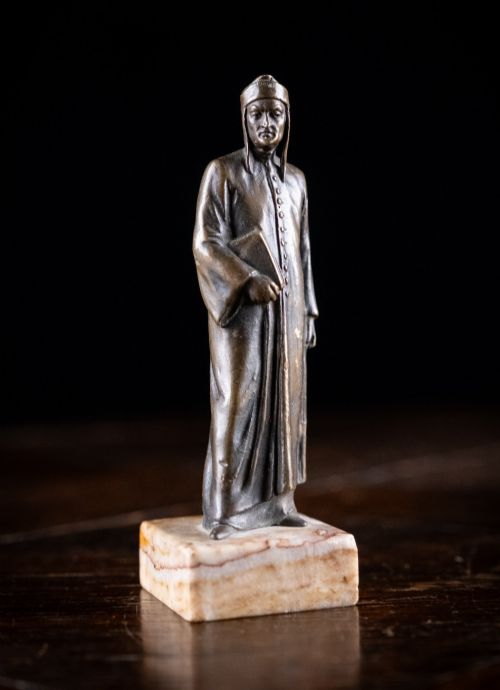
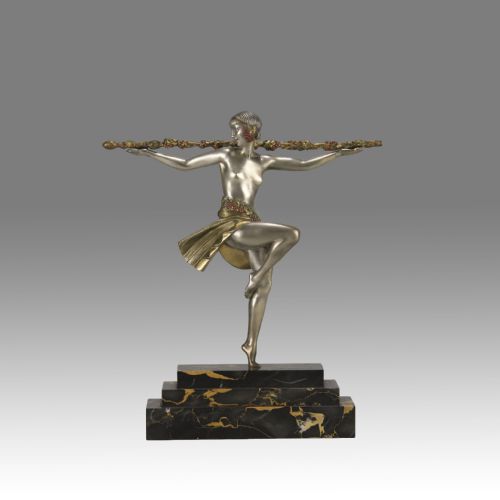
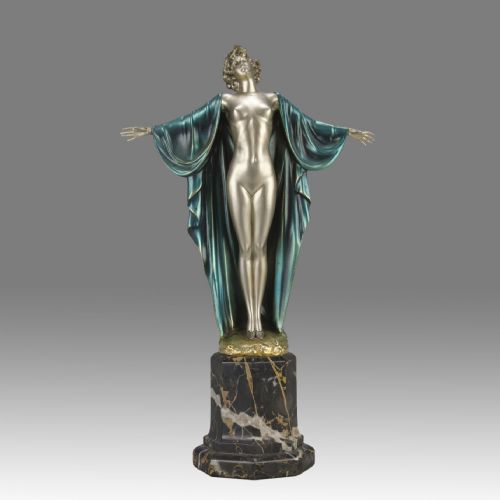
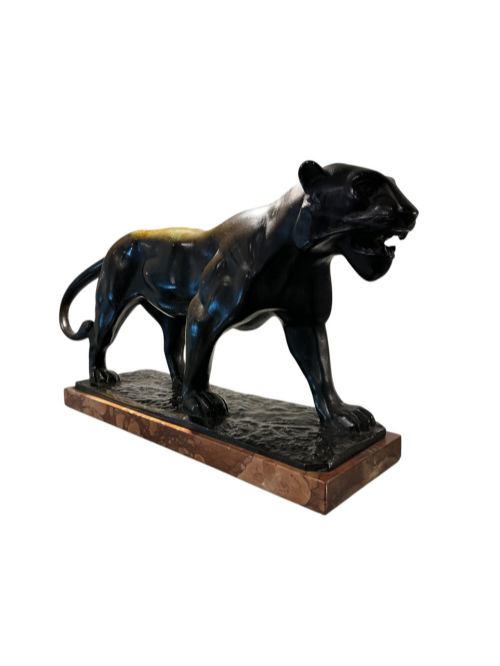



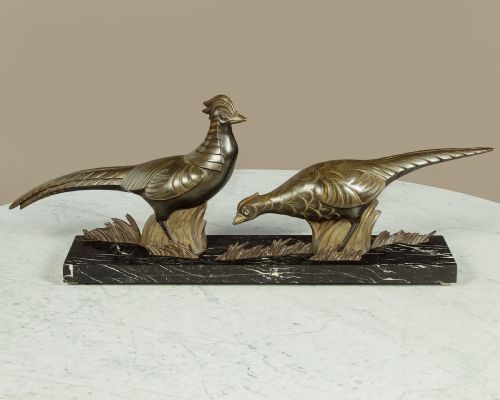
Marble Base Figurine
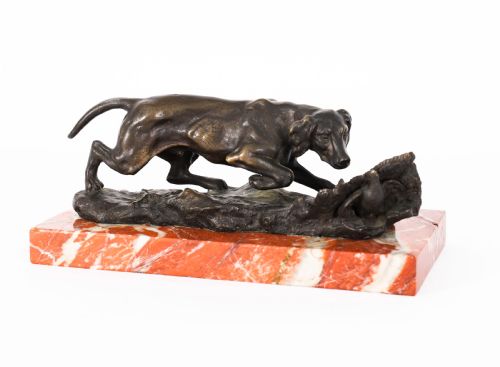
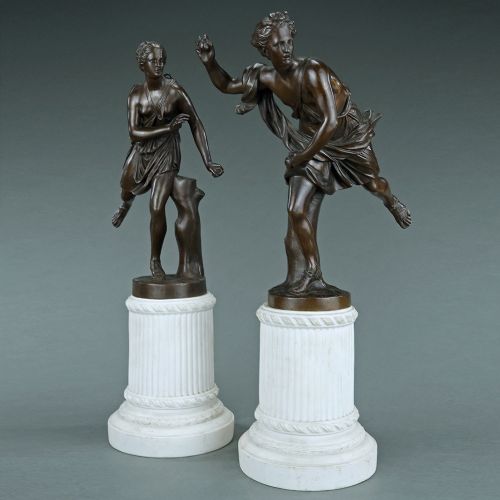
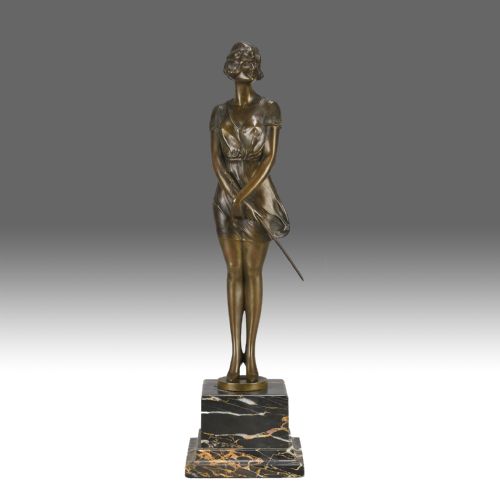
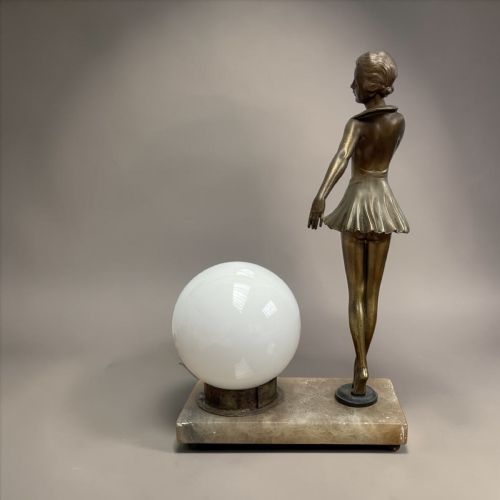
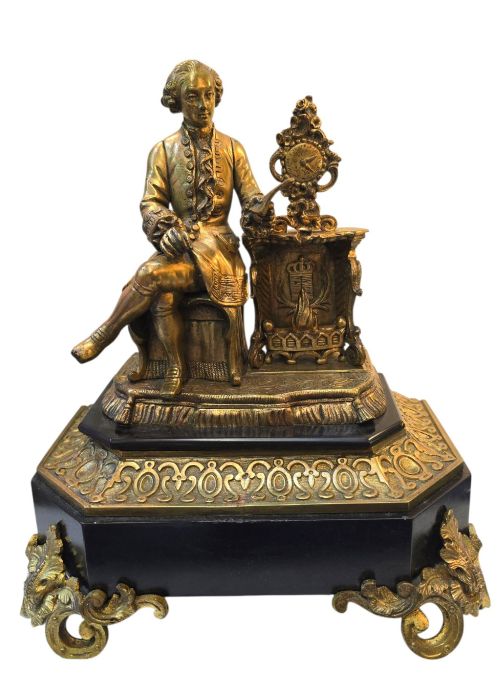
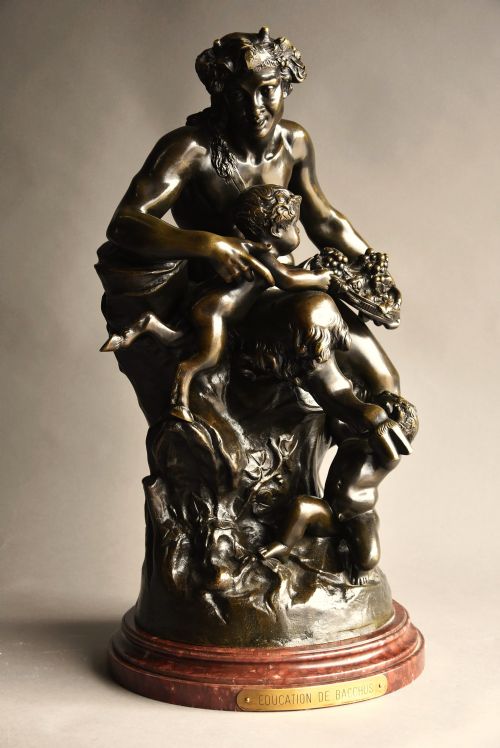
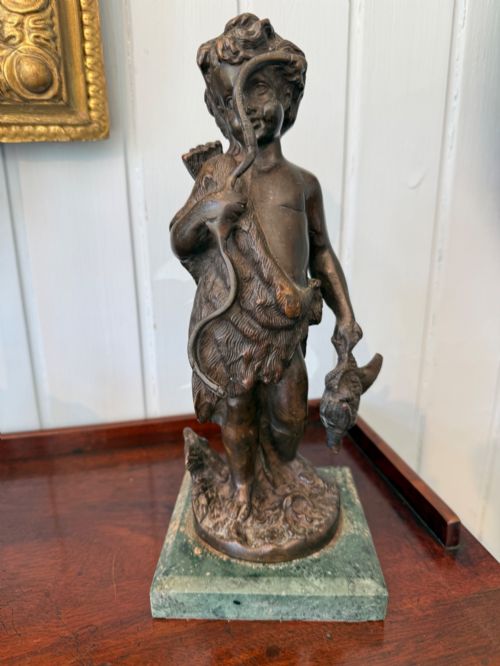
When you handle a marble base figurine, you find pieces in bronze, gilt bronze, and paint that range from nineteenth-century classical subjects to Art Deco dancers.

Marble Base Figurine
A marble base figurine brings together sculptural metalwork and stone plinths, combining animalier studies, classical figures, and modernist dancers. You will frequently encounter nineteenth-century French bronzes alongside early twentieth-century Art Deco creations mounted on contrasting circular or rectangular slabs.
The objects span multiple aesthetic movements including Neoclassical, Animalier, Rococo Revival, and Art Deco. These pieces function as desk ornaments, mantle sculptures, and figural table lamps.
Makers and foundries utilised varied materials to mount their metalwork, selecting white, black, and coloured marble varieties to anchor the heavy cast figures.
How they were made
Foundries cast figures in bronze, gilt bronze, and patinated metal using traditional methods before mounting them onto shaped stone bases. Cold painted techniques added surface colour to zinc or bronze alloys, particularly on avian and human figures.
Sculptors combined detailed metal chasing with polished marble plinths, sometimes utilising brass or ormolu accents. The stonework was cut and finished to support the weight of the metal sculptures and provide a stable foundation.
Marble Base Figurine Retail Price Guide 2026
Typical asking prices for marble base figurine among the pieces listed under this phrase on Sellingantiques today, from the lower quarter to the upper quarter. They describe what is for sale here now, not the wider market.
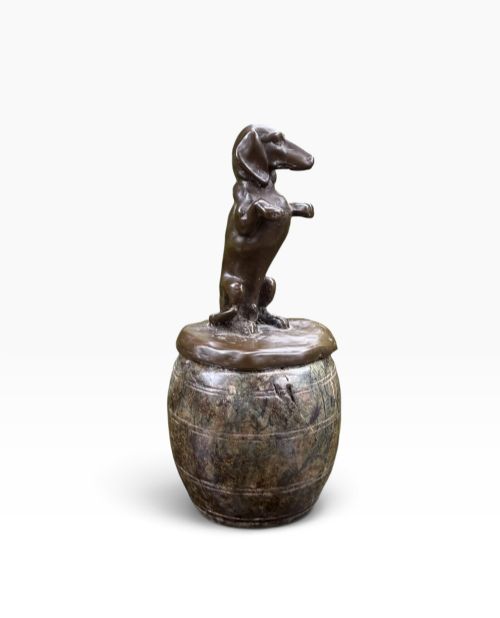
Some nineteenth-century sculptors turned their attention downward, immortalising grumpy dachshunds and perched budgerigars on polished stone.
What varies in quality
The choice and preparation of the stone plinth also dictates the tier of the piece. Selected marbles with natural veining and precise corner bevels elevate the overall composition above simple utilitarian mounts.
Carl Kauba·Barbedienne·Bruno Zach·Pierre le Faguays·Ferdinand Preiss·Hans Müller·Demetre Chiparus·Henri Godet·Emile Guillemin·Georges Van Der Straeten·Prosper Lecourtier·Franz Bergman
The Marble Base Figurine Glossary
- Animalier
- A nineteenth-century artistic movement focused on the realistic portrayal of animals. Sculptors in this tradition captured dogs, stags, and panthers with anatomical precision.
- Cold painted
- A technique where paint is applied to an unheated bronze casting. This method was widely used on Austrian figural studies and bird sculptures.
- Grand Tour
- Souvenir bronzes and marbles collected by travellers in Italy during the eighteenth and nineteenth centuries. These reproductions often depicted classical figures and architectural ruins.
- Ormolu
- Gilt bronze mounted onto decorative objects and furniture. The process involves applying a gold amalgam to a bronze base.
- Patinated metal
- Metal surfaces treated with chemical solutions to produce an aged colour finish. This treatment protects the alloy while enhancing visual depth.
Marble Base Figurine: Frequently Asked Questions
What is a marble base figurine?
These sculptures feature metal figures secured to stone plinths. They encompass nineteenth-century classical subjects and twentieth-century animal and dancer studies.
The heavy stone base anchors the cast metalwork, providing both balance and a finished presentation for display on desks and mantelpieces.
How were these figures used?
Historical owners placed them in studies, libraries, and drawing rooms as decorative statements. Many served purely as ornamental sculptures, while others incorporated lighting elements as table lamps.
They reflected the tastes of their era, ranging from Grand Tour educational souvenirs to sleek modernist interior decorations.
How do I clean a marble base figurine?
Dust the metal and stone surfaces gently with a soft, dry cloth. Avoid chemical cleaners and excessive moisture, which can damage cold painted finishes and porous stone.
Wax polish should be kept away from patinated metal to prevent buildup in the recessed details of the casting.
How can I tell the period?
Stylistic cues such as the streamlined geometry of Art Deco or the classical drapery of the nineteenth century indicate the era of production. Maker signatures, foundry stamps, and the type of marble used also provide historical markers.
Examining the casting technique and the patina helps distinguish older nineteenth-century works from later reproductions.