


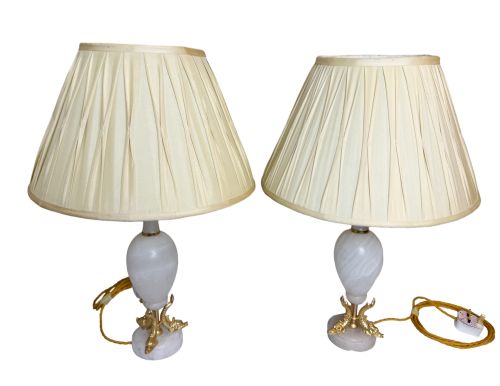

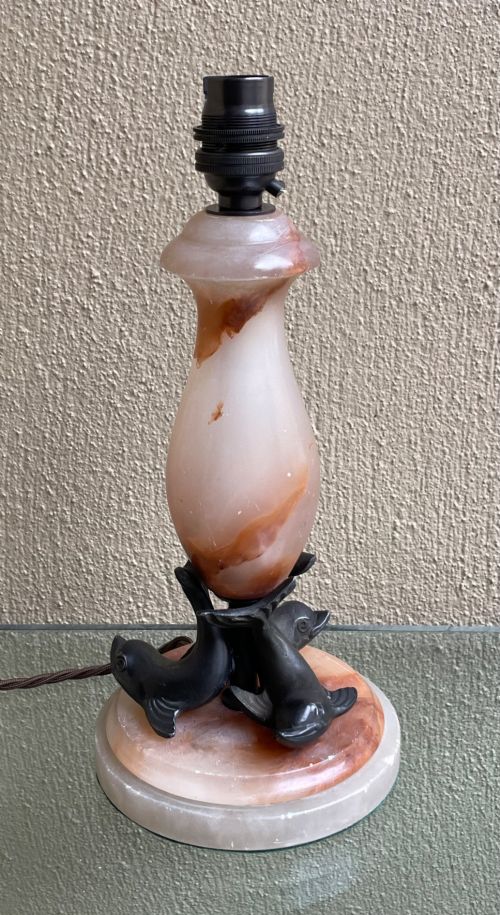

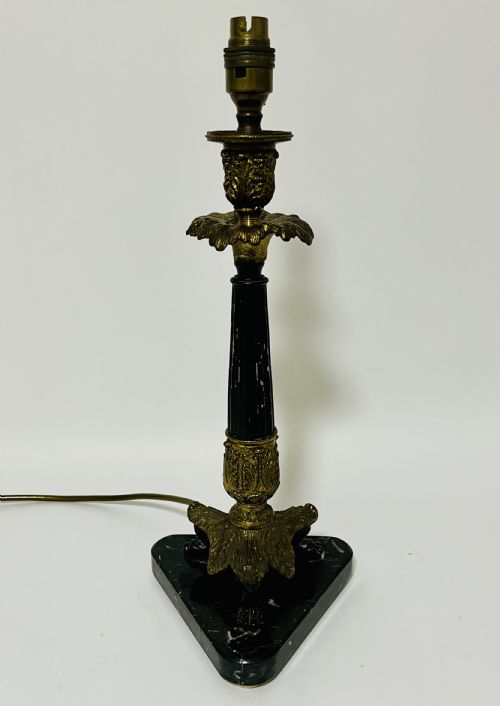


Marble Base Bronze Lamp
A marble base bronze lamp combines substantial stone and cast metal to create a solid, enduring source of illumination.
Marble Base Bronze Lamp
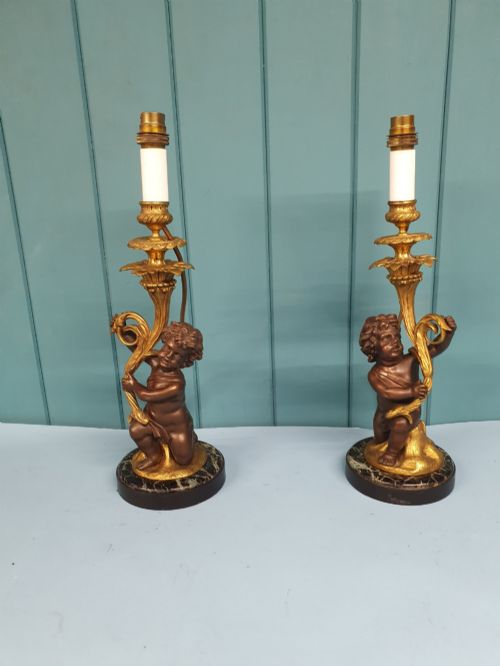
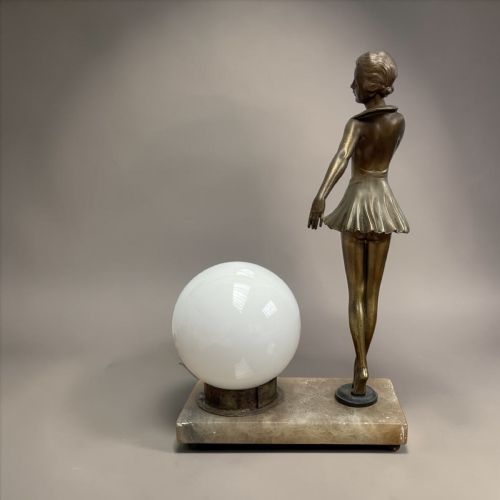
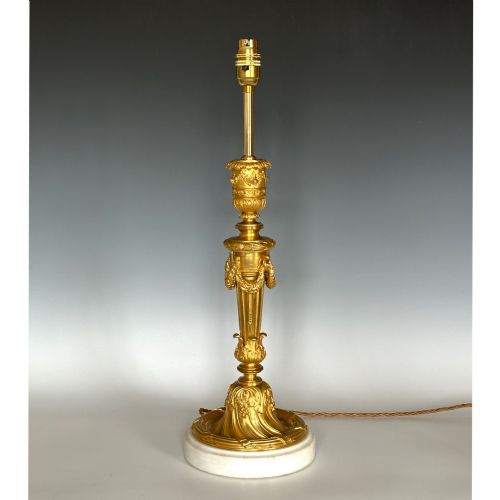
A marble base bronze lamp brings together heavy stone plinths and cast metal figures or urns, originating largely from the nineteenth and early twentieth centuries. When searching for a marble base bronze lamp, buyers encounter a range of forms, from classical figural designs to stylised Art Deco table and night lights.
The selection frequently includes French examples influenced by Empire, Louis XV, and Neoclassical styles. Many of these pieces began life as candlesticks, mantel ornaments, or statuettes before being converted into lamps in later periods.
How they were made
Foundry workers cast bronze, gilt bronze, ormolu, and spelter into intricate figures, urns, and columns, often finishing surfaces through cold painting, patination, or gilding. These metal elements were then mounted onto turned or slab bases of marble, onyx, or alabaster using threaded rods and bolts.
Makers integrated glass shades, fabric elements, and electrical components during initial manufacture or subsequent conversion work, attaching them securely to the stone and metal body.
Several heavy metal dogs and accordions keep watch over quiet rooms as perpetual night lights.
What varies in quality
The standard of a piece rests primarily on the crispness of the metal chasing and the depth of the casting, where sharper details indicate superior workmanship. Heavier, finely grained marble plinths matched with substantial patinated or gilded bronze distinguish finer examples from lighter spelter versions mounted on simpler stone bases.
Auguste Moreau·P. Sega
The Marble Base Bronze Lamp Glossary
- Ormolu
- Gilt bronze produced by applying a mercury and gold amalgam to cast bronze before heating. This technique creates a durable, rich golden surface characteristic of French decorative objects.
- Spelter
- A zinc alloy used as a cheaper alternative to bronze in figural statuary. It often received a bronze-like coating to imitate more expensive metalwork.
- Patination
- The surface sheen or colour acquired by metal through age or chemical treatment. It adds depth and character to bronze sculptures.
- Gueridon
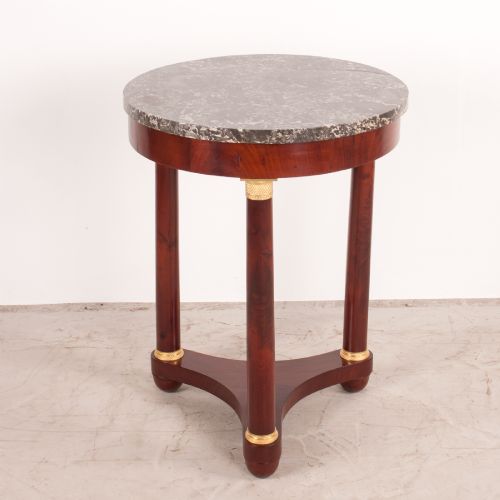
- A small ornamental table, occasionally adapted as a lamp base in period interiors. The term derives from seventeenth-century French furniture design.
- Rouge griotte
- A dark red mottled limestone with white veins used extensively for French marble bases. It provides a heavy, colourful foundation for bronze mounts.
Marble Base Bronze Lamp: Frequently Asked Questions
Are these lamps originally electrical?
Many items started as oil lamps, candlesticks, or decorative statues before being converted to use electricity at a later date.
Rewiring is common to ensure modern safety standards while retaining the original nineteenth or early twentieth-century body.
How do I identify French Empire style?
French Empire pieces display classical motifs, military trophies, and symmetrical architectural forms derived from ancient Rome and Greece.
They rely heavily on patinated bronze combined with gilded ormolu mounts and dark marble plinths.
What is the difference between bronze and spelter?
Bronze is a heavy, durable copper alloy that takes fine detail during casting and holds a deep natural patina over centuries.
Spelter is a softer, lighter zinc-based metal that was frequently painted or electroplated to resemble bronze in more accessible decorative items.
How should I clean the marble base?
Stone plinths benefit from gentle dusting with a dry microfibre cloth to remove surface particles without scratching the polish.
Harsh chemical cleaners can damage the soft surface of onyx, alabaster, or marble, so moisture should be avoided.