
Ormolu Bronze Desk Lamp
An ormolu bronze desk lamp brings heavy cast metal and rich gilding together to light a room with nineteenth-century French elegance.
Ormolu Bronze Desk Lamp
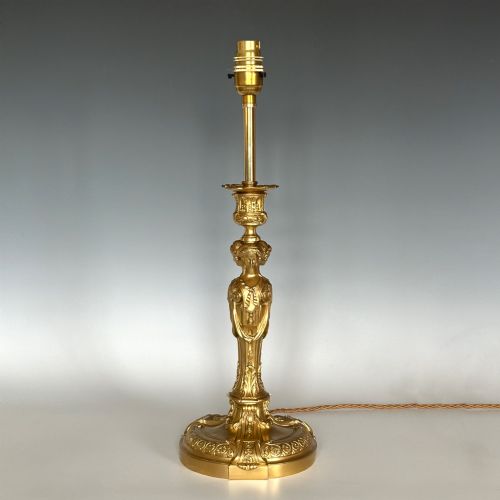
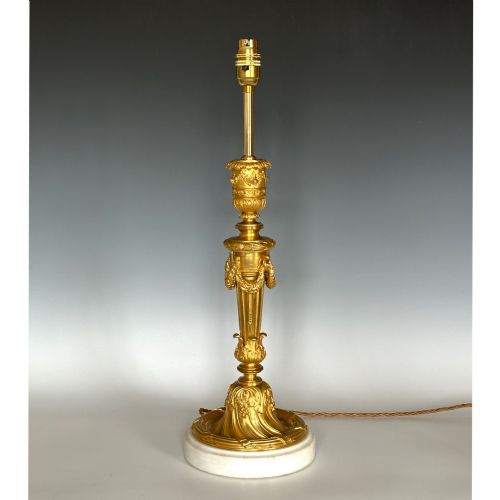
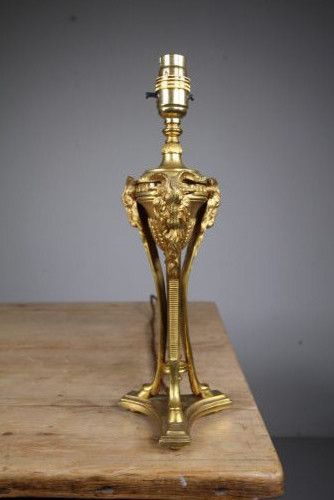
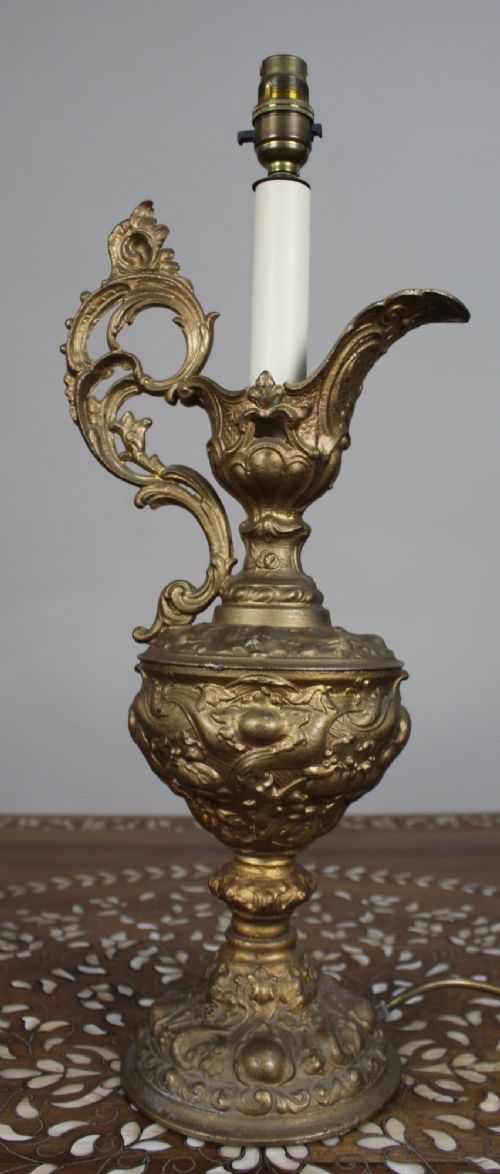
When you search for an ormolu bronze desk lamp, you encounter heavy cast metal table lamps and lamp bases shaped by nineteenth-century French and English taste. Most pieces belong to the Victorian era and the decades around nineteen hundred, drawing on Rococo Revival, Neoclassical, Louis XVI, and French Empire styles.
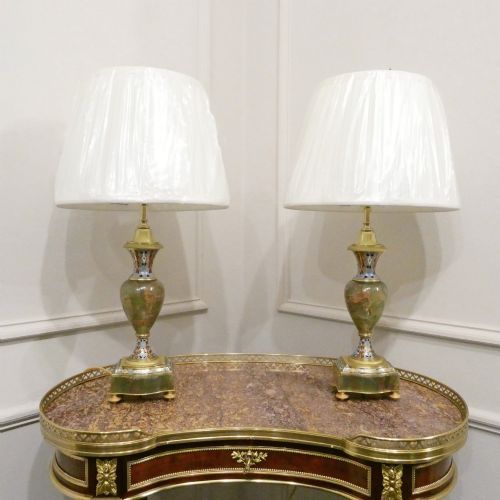
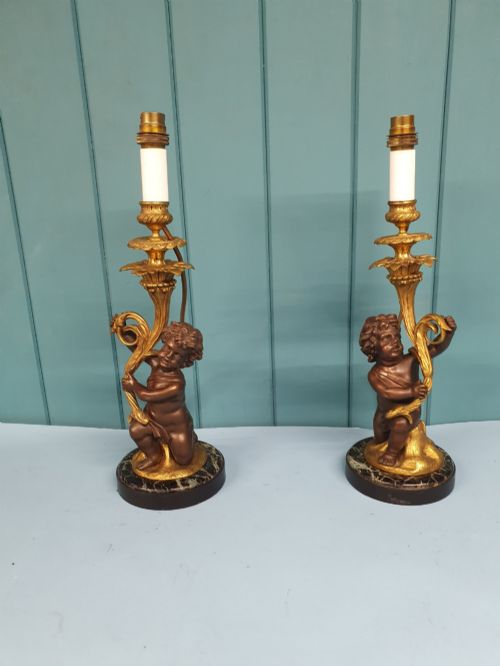
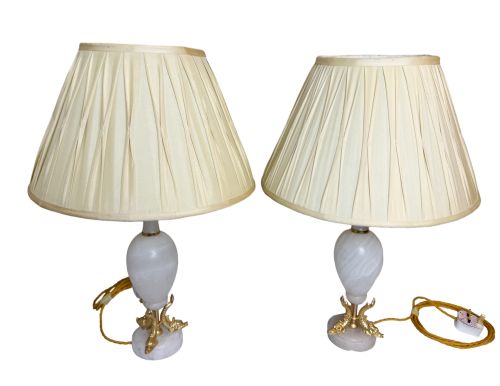
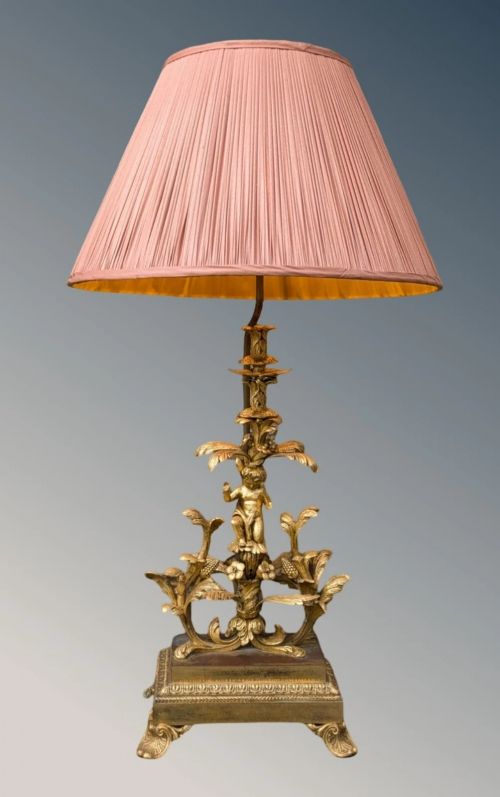
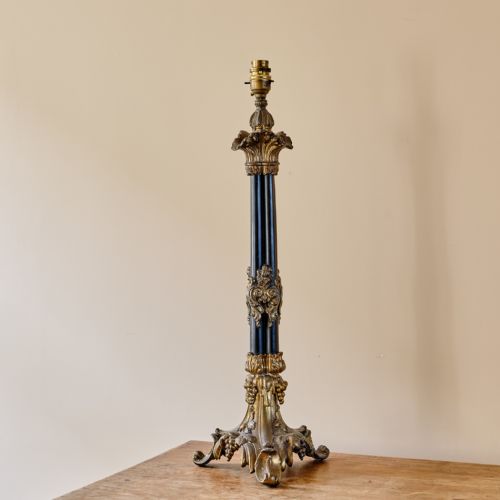
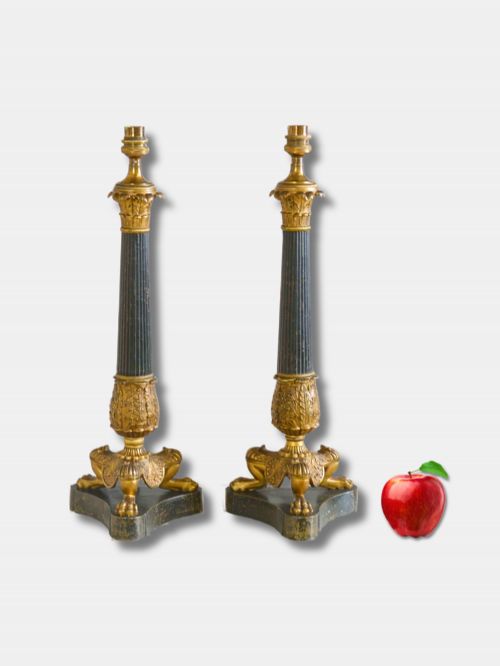
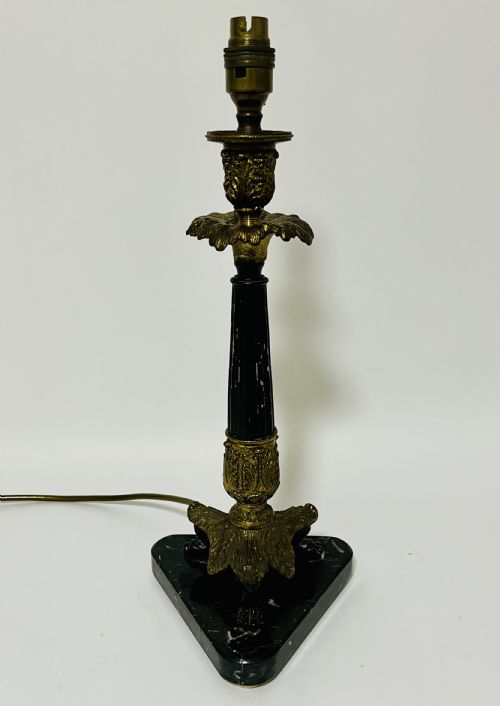
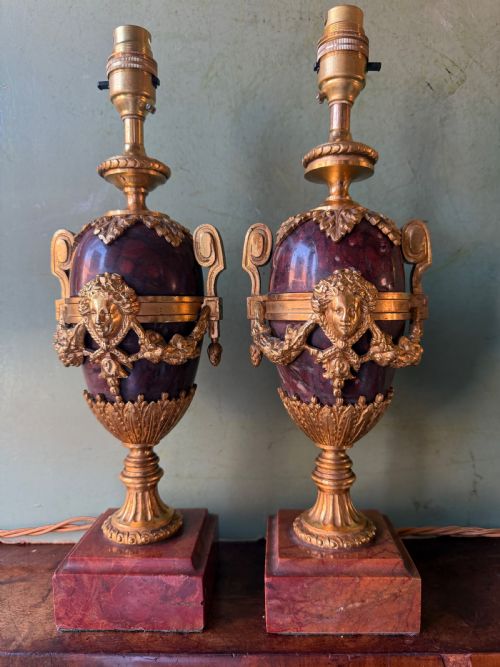
The form typically begins as a table lamp or lamp base incorporating gilt bronze, ormolu, brass, marble, onyx, porcelain, and fabric shades. You find single items alongside matched pairs, often featuring figures such as cherubs, mermaids, and Atlases, or architectural columns with lions paw feet.
Makers and designers of the period looked to historic models, producing pieces after designers like Dugourc or adopting eighteenth-century motifs. The selection spans compact floral designs up to monumental table lamps resting on marble or gilt mounts.
How they were made
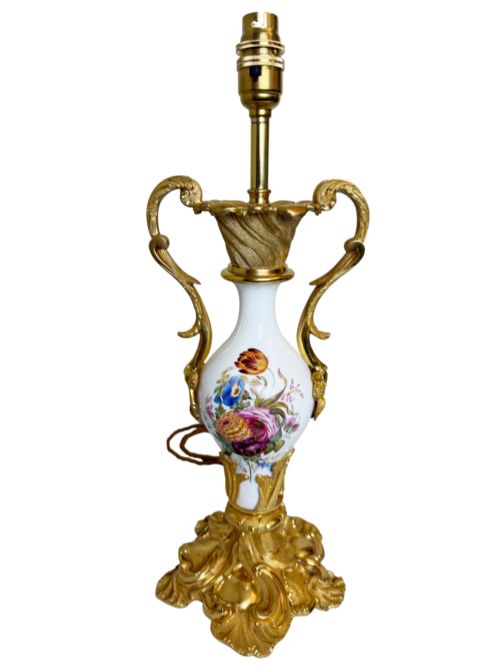
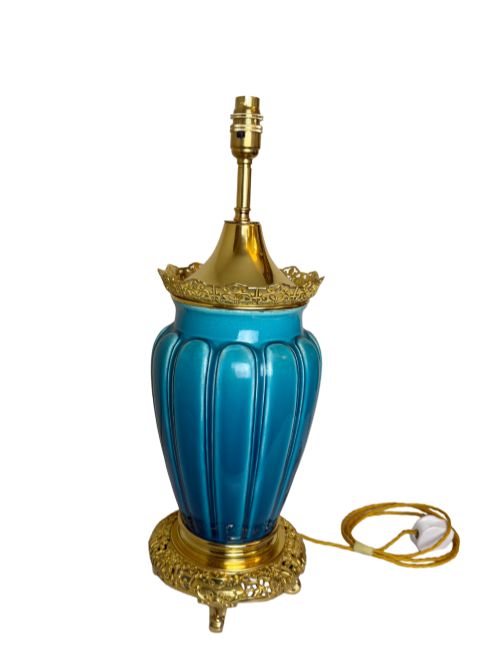
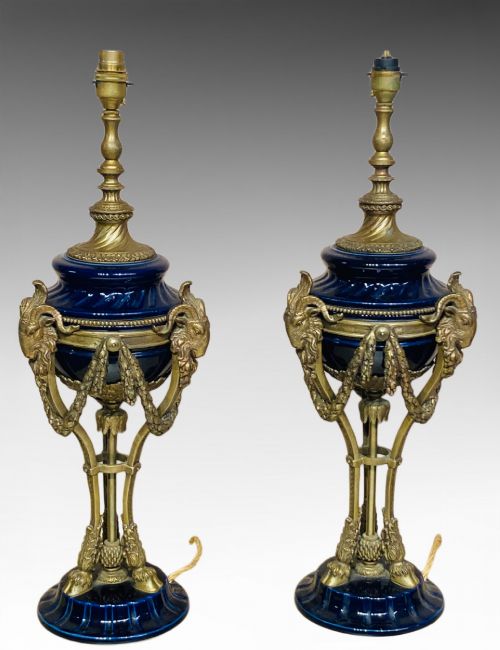
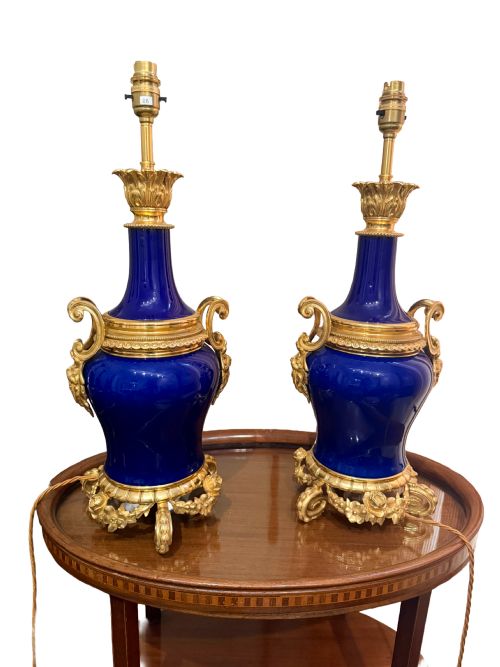
Craftsmen cast bronze, brass, and gilt metal into intricate frames, figures, and mounts, applying mercury gilding or modern electrogilding to create the bright ormolu surface. Many bodies combine these metal elements with turned marble, onyx, rock crystal, blue glass, or glazed porcelain columns.
Components were assembled mechanically using threaded rods, pins, and screws to secure heavy stone bases, metal handles, and decorative trim together. Fabric and silk elements completed the top of the assembly, paired with electrical wiring added during later conversions.
Listings feature nineteenth-century French and English pieces utilising materials such as ormolu, bronze, marble, onyx, porcelain, and crystal.
What varies in quality
The crispness of the chasing on the cast bronze and ormolu separates ordinary production from superior examples, where fine details in facial expressions, feathers, and floral scrolls remain sharp. Heavy gauge metal castings and substantial stone elements like rouge marble or onyx denote better weight and stability.
The integration of mixed materials dictates visual success, seen where porcelain bodies, rock crystal columns, and gilt mounts align without awkward gaps. Original gilding surfaces that retain their warm matte and bright contrast show greater integrity than over-cleaned or stripped metal.
The Ormolu Bronze Desk Lamp Glossary
- Ormolu
- Gilt bronze produced by applying a gold and mercury amalgam to a bronze base and heating it. The process creates a durable golden finish common on French decorative arts.
- Cassolette
- A decorative vase or urn with a reversible lid that functions as a burner or a solid vessel. These objects frequently form the body of nineteenth-century lamps.
- Louis XVI Style
- A neoclassical design movement characterised by straight lines, symmetry, and classical motifs like urns and acanthus leaves. It experienced a major revival during the nineteenth century.
- Champlevé
- An enamelling technique where troughs are dug into a metal surface and filled with vitreous enamel before firing. It appears on decorative metal lamp bases alongside bronze mounts.
- Rococo Revival
- A nineteenth-century design style mimicking the asymmetrical curves, scrolls, and natural motifs of the mid-eighteenth century. It dominates many figural and floral lamp bases.
Ormolu Bronze Desk Lamp: Frequently Asked Questions
What is an ormolu bronze desk lamp?
An ormolu bronze desk lamp is a heavy nineteenth-century lighting fixture made from cast bronze with a gold-coloured mercury finish. These pieces frequently incorporate marble, porcelain, or crystal elements.
They serve as functional desk lighting while displaying sculptural figures, classical columns, or ornate plant motifs typical of French and English revival periods.
Are these lamps safe to use daily?
Most antique lamps have been rewired at some point in their history to meet modern electrical standards. It remains sensible to have a qualified electrician check the internal wiring before regular use.
The heavy stone and metal bases provide a stable foundation for everyday placement on desks and side tables.
Why are some lamps sold as pairs?
Matched pairs were originally manufactured to flank mirrors, mantelpieces, or large pieces of furniture in nineteenth-century interiors. Surviving pairs retain their symmetry and matching components.
Collectors prize matched sets because they offer balanced placement options for formal rooms and large desks.