
Neoclassical Desk Lamp
These neoclassical desk lamp pieces bring classical architectural dignity and warm illumination to a room, driven by enduring Greco-Roman motifs.
Neoclassical Desk Lamp Forms
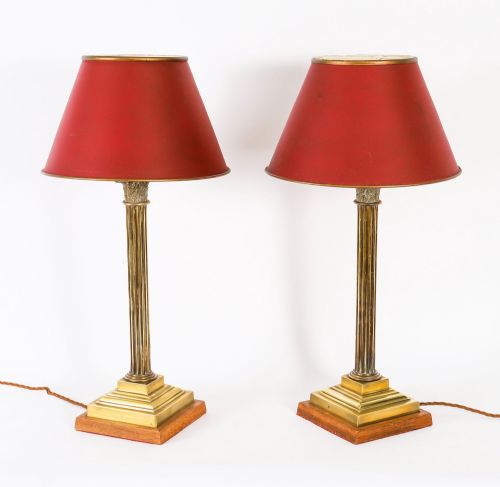
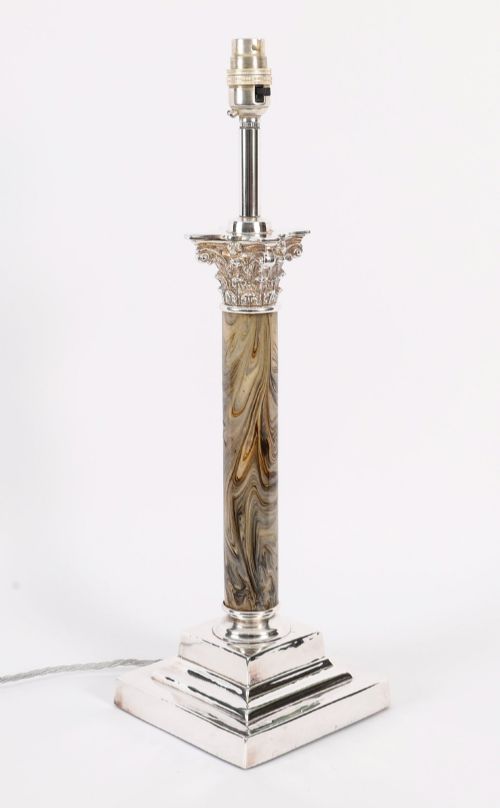
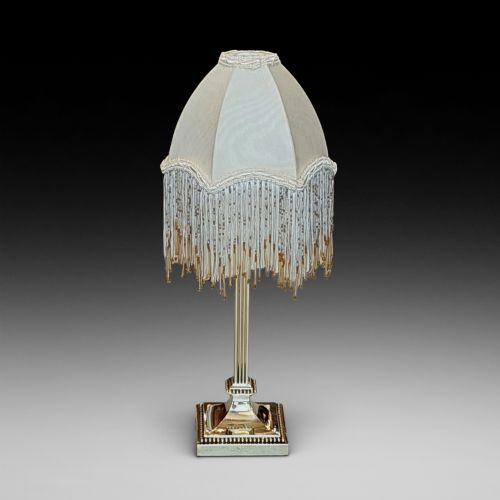
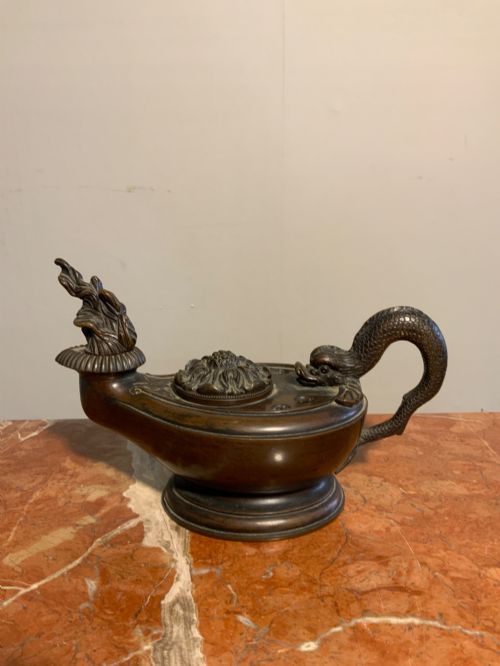
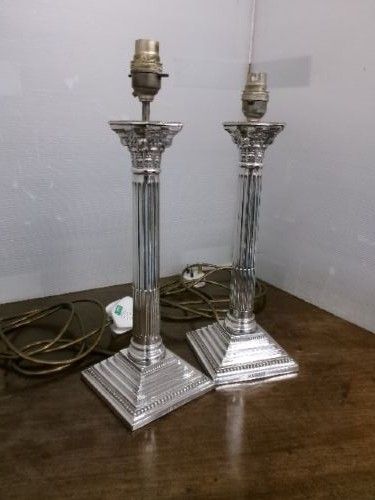
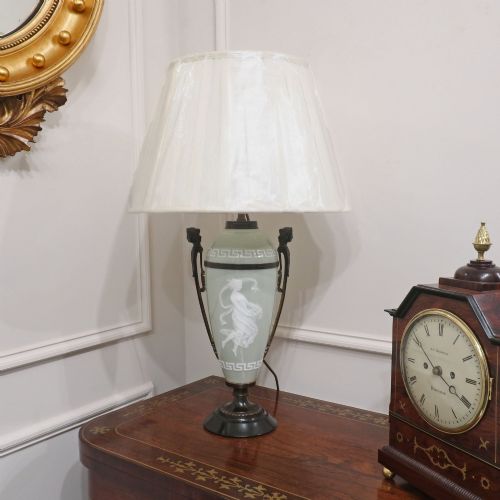
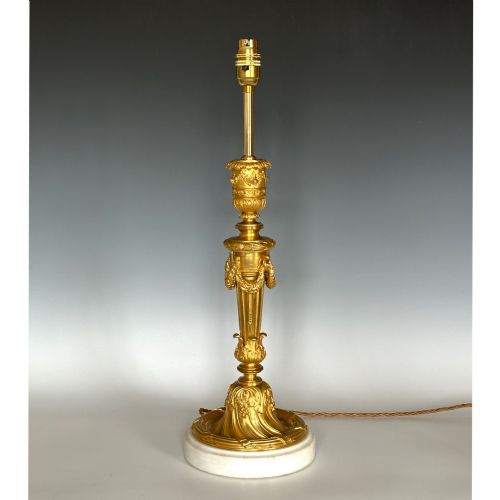
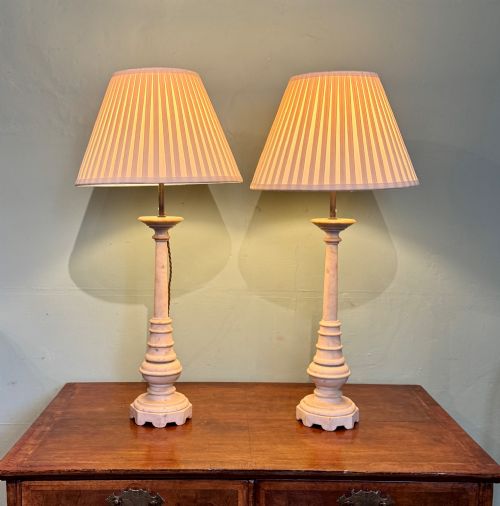
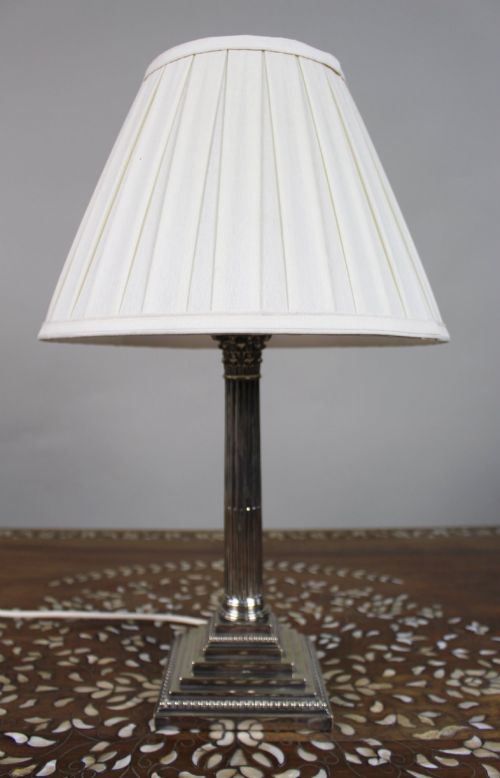
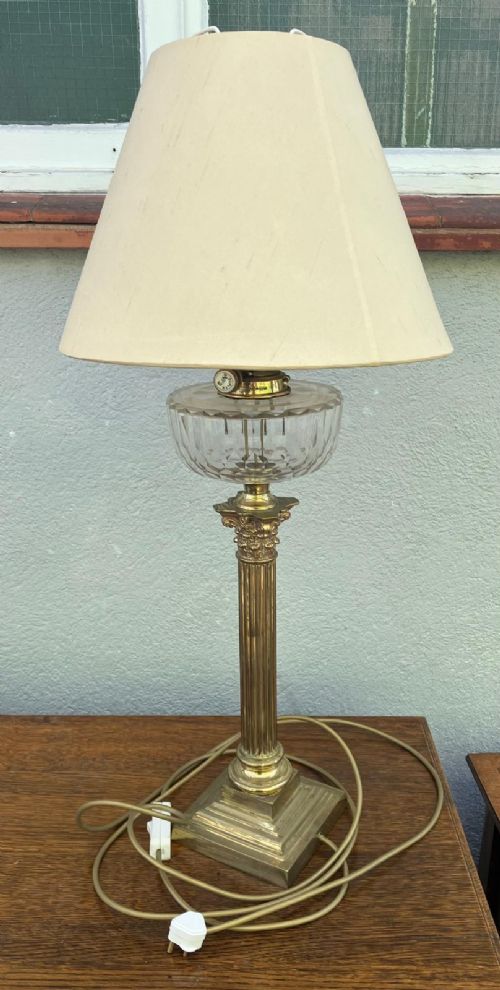
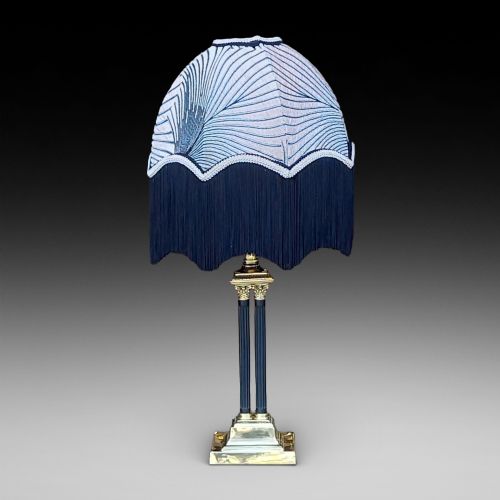
A neoclassical desk lamp takes the form of table lamps styled after ancient architectural columns, fluted pillars, and classical urns. These pieces emerge from the nineteenth century, the Victorian era, and the early twentieth century.
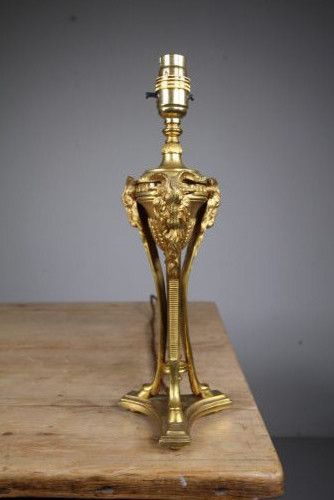
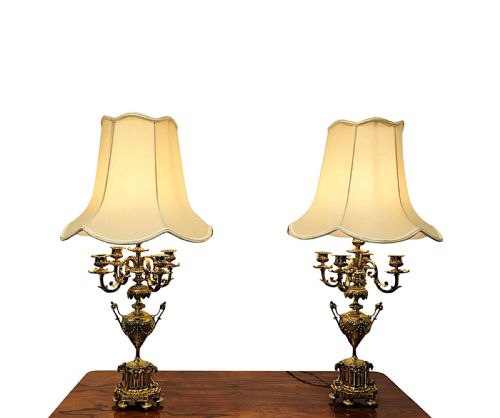
Makers drew heavily on historical design vocabularies, creating French Empire, Louis XVI, and Neoclassical Revival styles. Common configurations include single lamps with shades, column structures, and designs featuring rams heads and laurels.
The objects serve as functional lighting while projecting the solemn symmetry and balanced proportions of classical antiquity. They sit comfortably on writing desks, side tables, and libraries where traditional decor prevails.
Materials and Construction
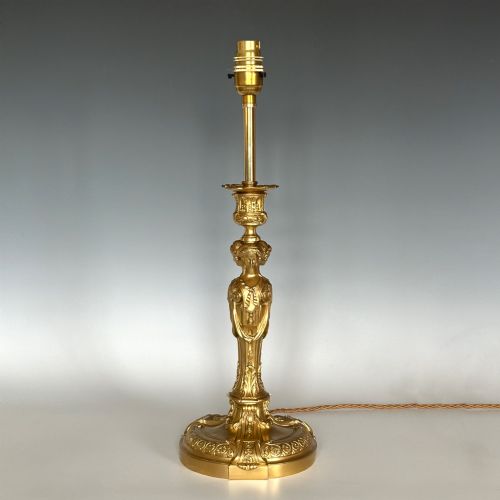
Metal forms the primary structural backbone, utilising brass, gilt bronze, copper, and ormolu. Silver plate adds a reflective metallic finish to specific columns.
Solid stone components such as marble and onyx provide weighted bases and decorative plinths. Ceramic and opaline or frosted glass integrate into the bodies and shade elements, diffusing the light output.
Retail Price Guide 2026
Typical UK retail prices for neoclassical desk lamp, calculated from the Sellingantiques database of over a million retail prices indexed since 2003. This retail price guide relies exclusively on Sellingantiques data; no external sources or auction records are used, so the figures do not describe the wider market.
Current listings feature pieces spanning the nineteenth century, the Victorian era, and the year 1920.
Assessing Quality and Execution
Quality rests in the crispness of cast metal ornament, where finely chased ormolu and sharp bronze details distinguish superior examples from softer castings. The weight and selection of natural stone bases also signal the maker's original investment in materials.
The integration of classical motifs, such as accurately proportioned Corinthian capitals or sharply rendered rams heads and laurel swags, elevates a piece above standard mass production. Superior pieces maintain harmony between the metalwork, glass, and stone elements.
The Neoclassical Desk Lamp Glossary
- Ormolu
- Gilt bronze produced by applying a finely ground high-carat gold-mercury amalgam to a bronze object, which is then fired to drive off the mercury. This technique creates a rich, durable golden surface.
- Corinthian Column
- A classical architectural order characterised by slender fluted columns and elaborate capitals decorated with acanthus leaves. Lamps utilising this form mimic ancient temple architecture.
- Empire Style
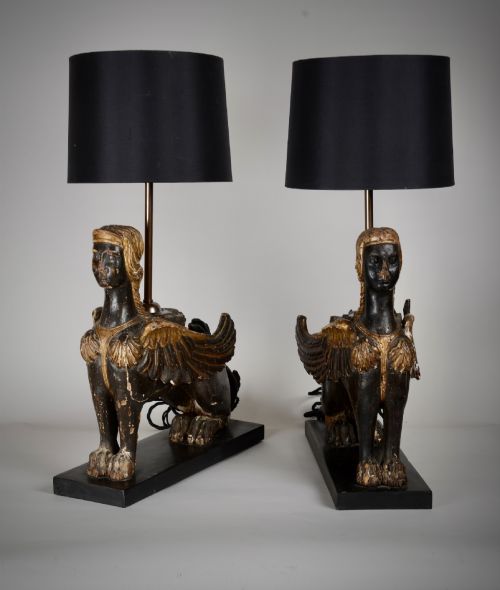
- The design movement spanning the early nineteenth century that draws inspiration from the classical architecture of Greece and Imperial Rome. It favours military motifs, sphinxes, and classical foliage.
- Opaline Glass
- A type of semi-opaque glass, often white or pastel-coloured, popular in nineteenth-century lighting for its soft light diffusion. It provides a milky contrast to polished metal mounts.
- Louis XVI Style
- A French aesthetic movement emphasising straight lines, symmetry, and classical restraint in contrast to preceding rococo curves. It manifests in desk lamps through urn shapes and formal leaf-and-dart borders.
Frequently Asked Questions
How do I date a neoclassical desk lamp?
Dating relies on examining the materials, casting quality, and assembly methods used in the metal and stone components. Nineteenth-century examples often display hand-finished chasing on bronze and heavy marble plinths.
Later pieces from the 1920s incorporate standardised electrical fittings and slightly different alloy compositions. Comparing the decorative motifs to known period styles like Louis XVI or French Empire helps narrow the decade.
What styles influence these lamps?
The primary influences stem from French Empire, Louis XVI, and general Neoclassical Revival aesthetics. These movements borrow heavily from archaeological discoveries of ancient Greek and Roman ruins.
Designers reinterpreted temple columns, triumphal wreaths, and mythological symbols into domestic lighting fixtures. This creates a direct visual link to classical antiquity within nineteenth and twentieth-century interiors.
Are these lamps suitable for modern desks?
These pieces function well on modern desks by providing focused downward task lighting alongside strong decorative presence. Their compact column and urn forms occupy minimal workspace while adding historical texture to a room.
Placement on large wooden writing tables or sideboards balances the heavier stone and metal bases. Users should check electrical wiring to ensure compatibility with current safety standards.
What materials are most common?
Metal forms the dominant material category, featuring brass, gilt bronze, copper, silver plate, and ormolu. These metals provide the structural support and decorative surface ornamentation.
Natural stone elements like marble and onyx frequently anchor the base for stability and visual contrast. Glass components, including opaline and frosted varieties, soften the illumination.