



Victorian Style Desk Lamp
A victorian style desk lamp brings period illumination to a workspace, combining brass and bronze structures with classic silhouettes.
Victorian Style Desk Lamp
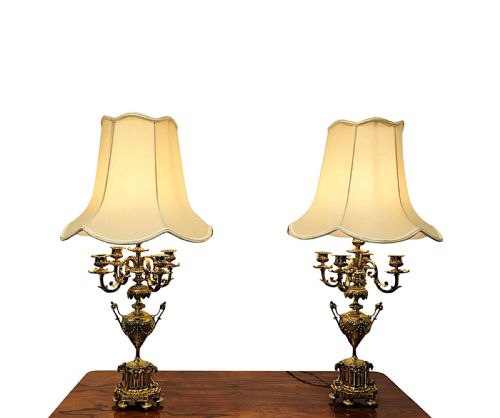
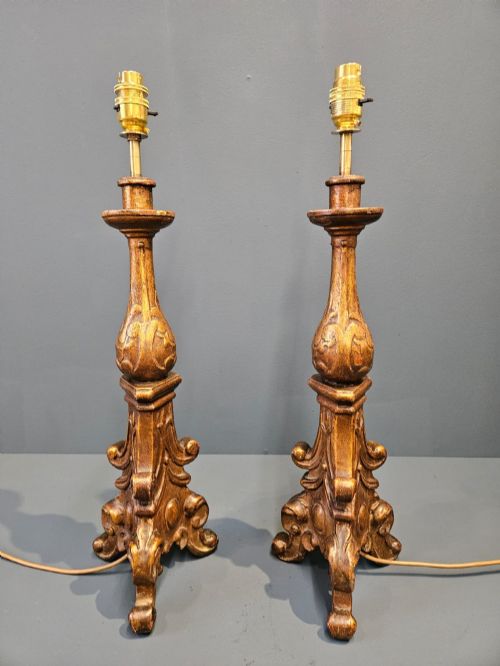
When searching for a victorian style desk lamp, buyers encounter pieces originating primarily from the nineteenth century through the early twentieth century, including Edwardian examples. These items often emerge from earlier lighting adaptations, such as converted candlesticks and candelabra, alongside purpose-built reading and desk lamps.
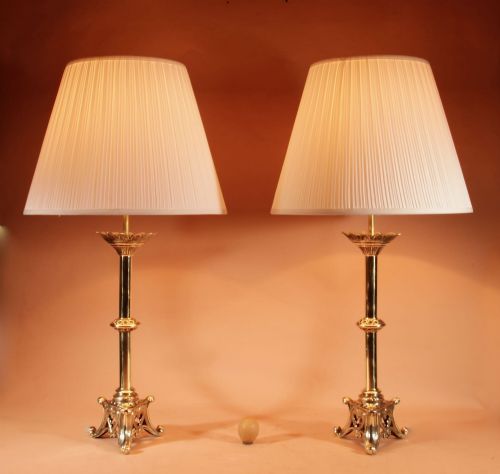
The forms span classical column designs, Corinthian capitals, and architectural brass structures, reflecting styles from Gothic Revival to Neoclassical. Alongside metalwork, items incorporate porcelain, marble, and occasional timber elements to establish period presence.
Materials and construction
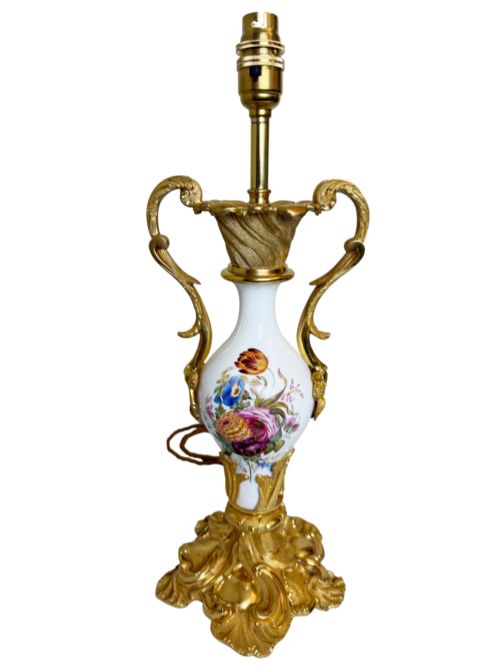
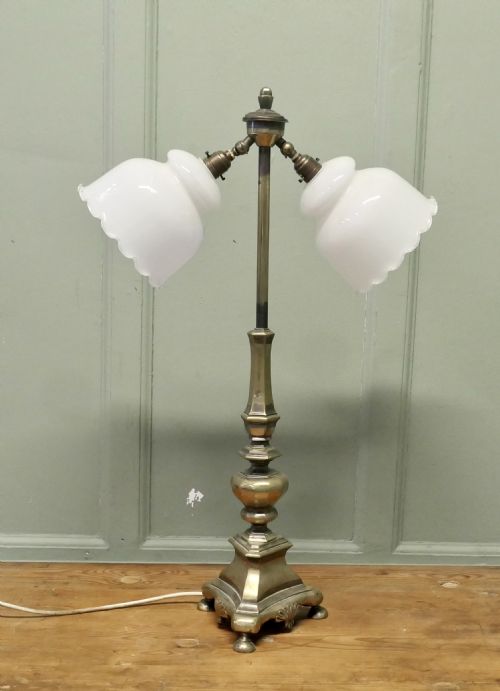
Construction relies heavily on cast brass, ormolu, and bronze, often combined with white marble bases or porcelain bodies to add weight and decorative contrast. Metal components display patinated finishes, chased details, and occasionally silver plating.
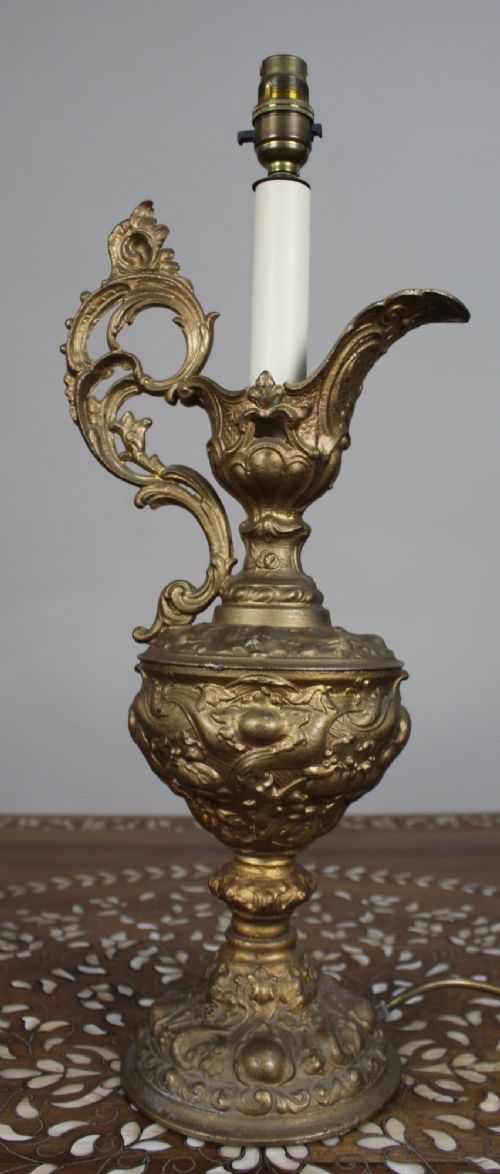
Many lighting pieces represent later adaptations of earlier domestic objects, taking nineteenth-century candlesticks, ewers, and statuettes and converting them for electrical use while retaining their original material integrity.
A pair of gilded brass candlelamps modelled directly as basket-guard cavalry dress swords proves that Victorian lighting could double as weaponry.
Distinctions in quality
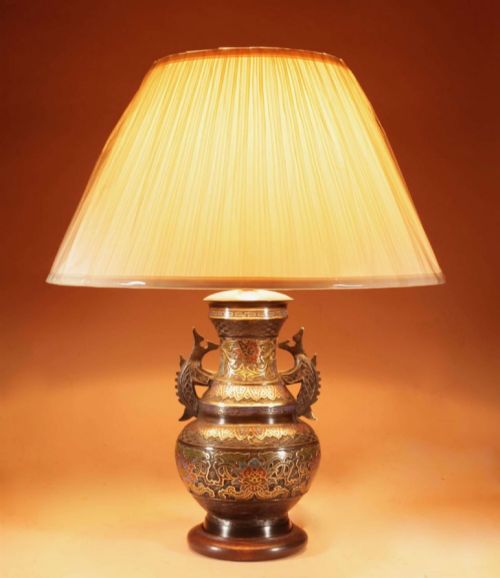
Quality rests upon the crispness of the casting in the brass or bronze components, where finer pieces retain sharp detailing in classical capitals, figural statuary, and foliate mounts. The choice of secondary materials, such as heavy white marble plinths or genuine champlevé enamel work, separates standard production from superior examples.
Proportion and material weight dictate the physical presence of the piece, distinguishing solid cast columns and heavy ormolu mounts from lighter pressed metal alternatives.
The Victorian Style Desk Lamp Glossary
- Ormolu
- Gilded bronze, typically mercury-gilded, applied to decorative mounts and lamp bodies during the nineteenth century. This technique produces a rich, durable golden surface.
- Corinthian column
- A classical architectural column form featuring ornate acanthus leaves on the capital, frequently utilised for nineteenth-century brass table lamps.
- Champlevé
- An enamelling technique where troughs are carved into a bronze surface and filled with vitreous enamel before firing. It creates vibrant, patterned colour across the object.
- Ewer
- A large jug with a wide spout and handle, frequently adapted during the Victorian period to serve as an ornamental lamp base.
- Gothic Revival
- A design style drawing on medieval architectural motifs, visible in pointed arches, heavy tracery, and ecclesiastical brass candystands.
Victorian Style Desk Lamp: Frequently Asked Questions
How do I date a brass lamp?
Dating relies on manufacturing techniques, weight, and stylistic markers found in the metalwork and base construction. Nineteenth-century examples often display heavy sand-cast components and hand-finished patination.
Later pieces from the twentieth century tend to incorporate machine-pressed brass and standardised electrical fittings. Examining the base and fixing screws provides further clues regarding age.
Were these always electric?
Many examples began life as oil lamps, gas fixtures, or candlesticks before receiving electrical wiring at a later date. Conversions are standard practice for nineteenth-century lighting.
Original desk lamps designed specifically for electricity emerge more frequently in early twentieth-century and Edwardian pieces.
How do I clean antique brass?
Antique brass requires minimal intervention to preserve the aged patina valued by collectors. Gentle dusting with a dry cloth is usually sufficient for regular maintenance.
Harsh chemical polishes should be avoided because they strip away the historic surface oxidation and diminish the character of the metal.
What styles are common?
Neoclassical and Corinthian column designs dominate the selection, bringing formal symmetry to a desk or table. Gothic Revival and French Chateau influences also appear frequently in heavy cast metal forms.
Occasional pieces introduce Chinoiserie or porcelain elements inspired by earlier ceramic traditions.