


Traditional Brass Reading Light
A traditional brass reading light brings focused illumination and period character to a room, spanning table, desk, and standard floor lamp formats.
Traditional Brass Reading Light
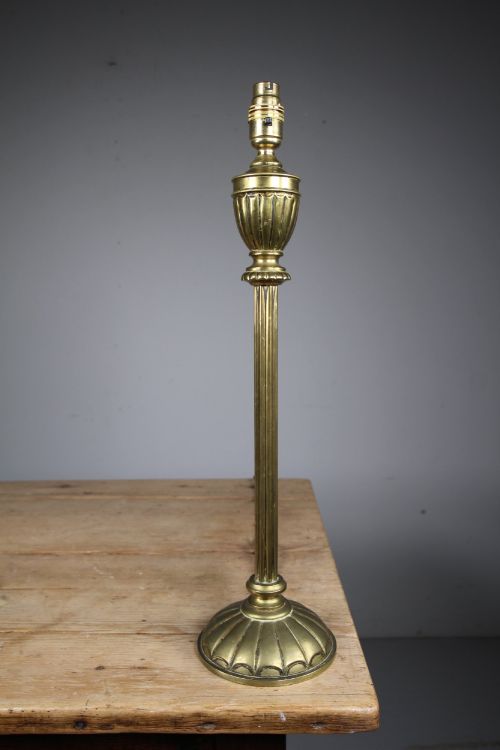
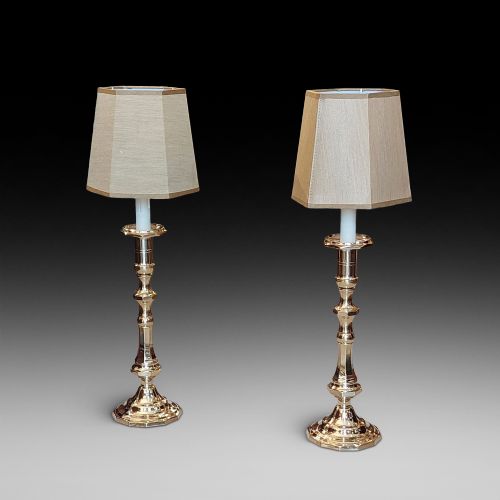
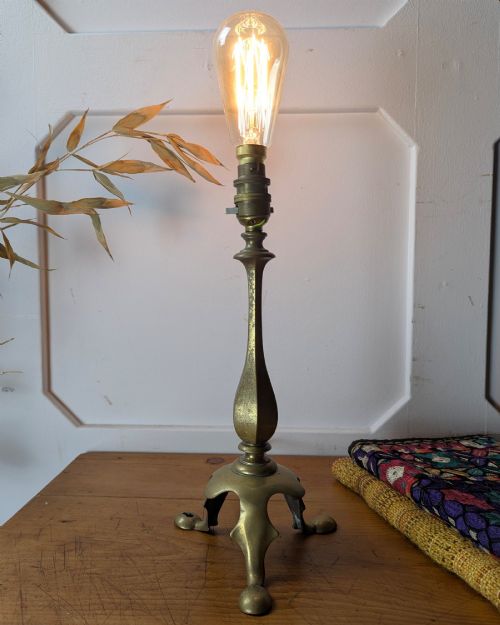
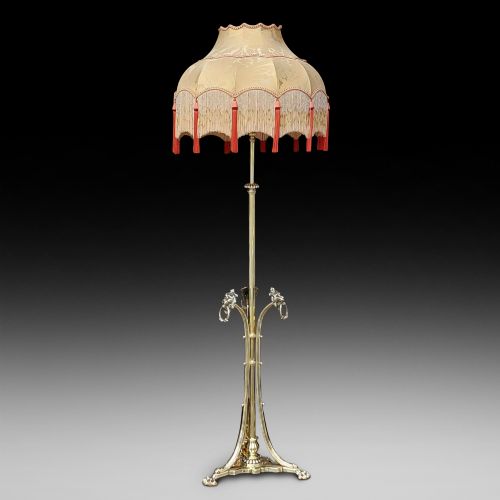
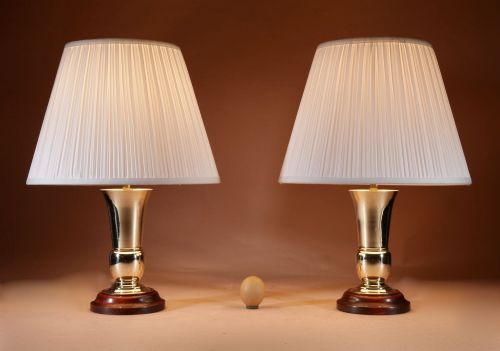
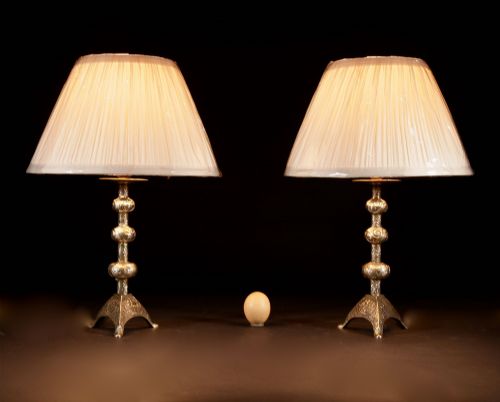
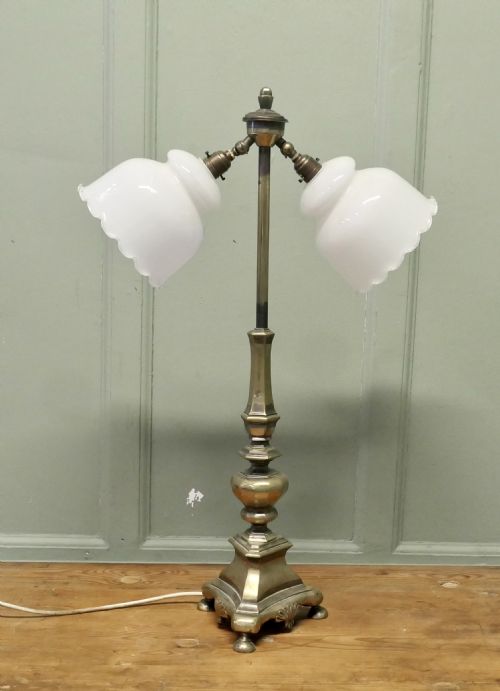
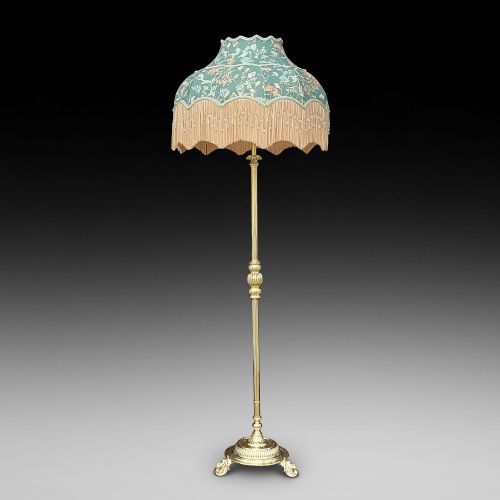
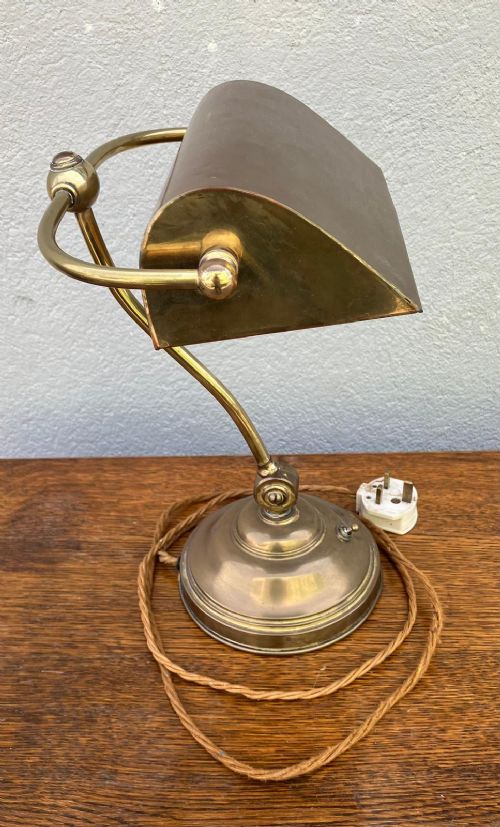
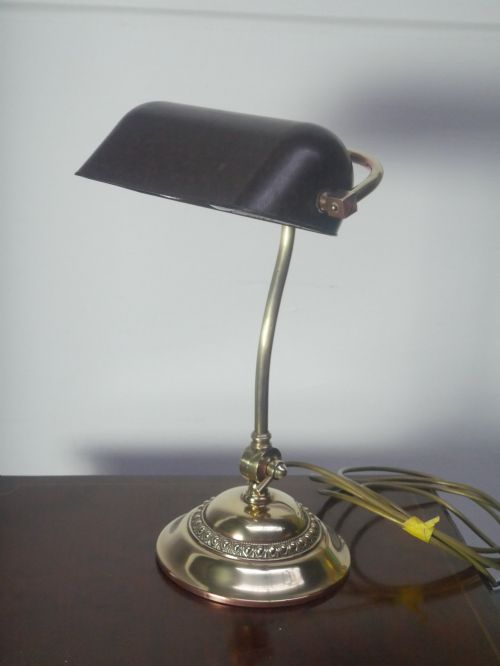
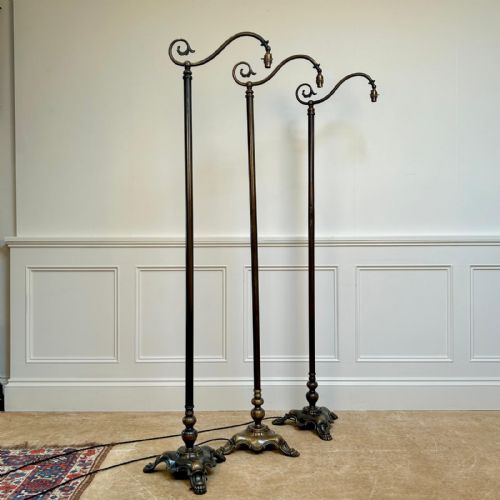
Most items on this page take the form of table lamps and floor-standing standard lamps cast or turned in brass. Alongside standard upright models, the evidence reveals specialised designs such as adjustable oil lamps converted for electricity, bankers desk lamps, and bouillotte lamps complete with toleware shades. These objects serve both practical illumination needs and decorative roles within studies, libraries, and drawing rooms.
How They Were Made
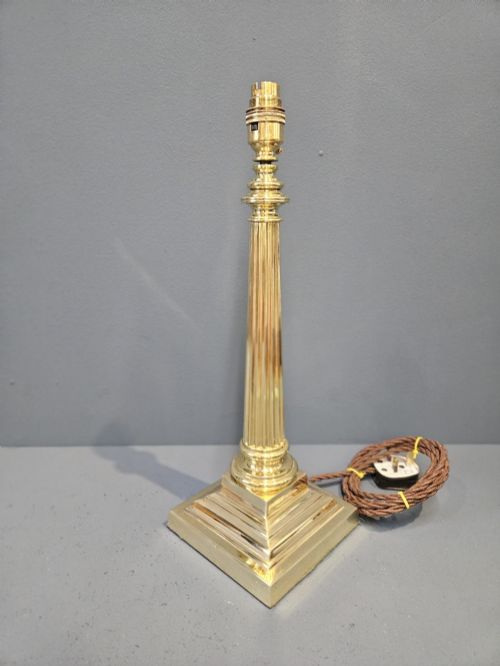
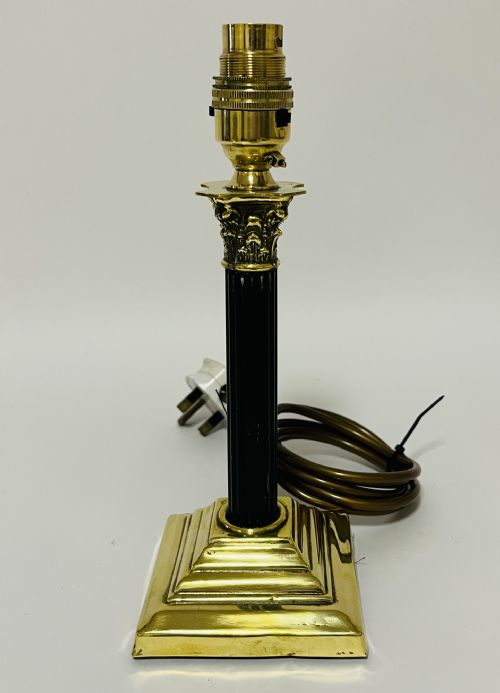
These fixtures rely predominantly on brass, occasionally paired with copper, cast iron, or silver plating to achieve varied weight and visual contrast. Makers utilised techniques such as heavy casting for Corinthian, Ionic, and Doric column shafts, alongside precision turning for barley twist stems. Many examples incorporate articulated joints, swan necks, and sliding stems to permit height and angle adjustments.
Shading components introduce secondary materials including glass, fabric, silk, and painted toleware. Frames feature decorative surface work ranging from floral openwork bases to reeded columns and patinated finishes. Wiring updates frequently appear on older pieces to meet modern electrical standards while retaining original metalwork.
Certain nineteenth-century student lamps arrive complete with their original miniature cleaning implements tucked into the metalwork.
What Varies in Quality
The standard of a traditional brass reading light depends upon the weight of the metal casting and the precision of its mechanical adjustments. Heavier columns and robust weighted bases provide greater stability, particularly in tall floor lamps and adjustable standard models. Finer examples display crisp detailing in architectural capitals and well-engineered pivot joints that hold their position securely.
Surface finish and material integrity further distinguish the range. Solid brass components with deep patination or fine chasing outlast plated alternatives that show wear over time. The presence of matching or period-appropriate components, such as original toleware shades or implement sets on student lamps, elevates the integrity of the piece.
Faraday & Sons
The Traditional Brass Reading Light Glossary
- Standard Lamp
- A tall floor-standing lamp designed to illuminate a room or provide light beside a reading chair. These pieces often feature heavy weighted bases to support adjustable stems.
- Toleware
- Painted or lacquered sheet metal, frequently used for contrasting shades on bouillotte and desk lamps. This material appears in green and gold finishes among French and English designs.
- Corinthian Column
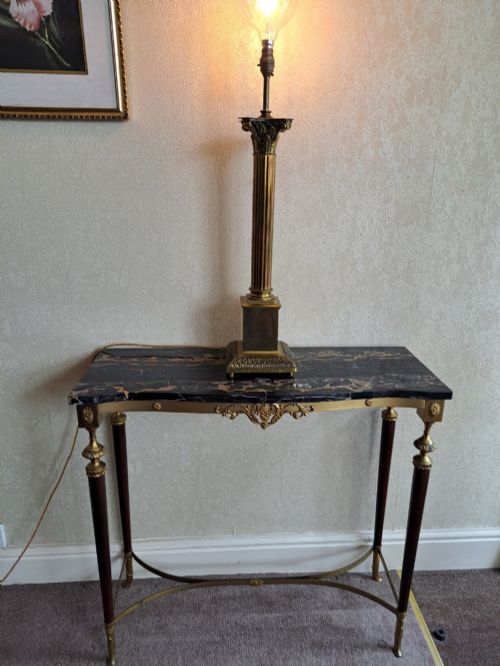
- An architectural support column featuring an ornate capital decorated with acanthus leaves. This classical form frequently shapes the stems of Victorian and Edwardian table lamps.
- Student Lamp
- A nineteenth-century adjustable reading lamp originally designed to burn oil with a focused directional beam. Surviving examples often retain implement sets and brass reservoirs.
- Swan Neck
- A curved arm or stem segment that positions the lamp holder outward for targeted task lighting. This profile is common on early twentieth-century desk lamps.
Traditional Brass Reading Light: Frequently Asked Questions
How do I identify a Victorian reading light?
Victorian models often feature heavy brass castings, reeded columns, or oil lamp conversions with adjustable mechanisms. They rely on classical architectural motifs like Corinthian capitals.
Examine the weight of the base and the construction of the joints. Earlier pieces from the nineteenth century generally display solid brass fabrication without modern fastening methods.
What is a student lamp?
A student lamp is a nineteenth-century lighting fixture designed for concentrated task work, originally fuelled by oil before later electrification. They frequently include accompanying metal implements.
These lamps provide adjustable height and directional arms to position the light source precisely over a desk or table surface.
Are these lamps rewired for modern use?
Many listings indicate that older table and floor lamps have been rewired to comply with contemporary electrical safety standards. This ensures they function safely in modern homes.
Rewiring preserves the antique brass framework while updating internal cords and lamp holders for everyday use.
How do standard lamps differ from table lamps?
Standard lamps are tall floor-standing fixtures meant to stand directly on the floor beside armchairs or sofas. Table lamps are smaller pieces designed to sit on desks, side tables, or chests.
Both formats utilise similar brass materials and decorative styles across the Victorian and Edwardian periods.