
Gilt Bronze Desk Light
These gilt bronze desk light pieces combine luminous metallic lustre with sculptural weight, offering the collector an opulent functional centrepiece for a study or reading table.
Gilt Bronze Desk Light
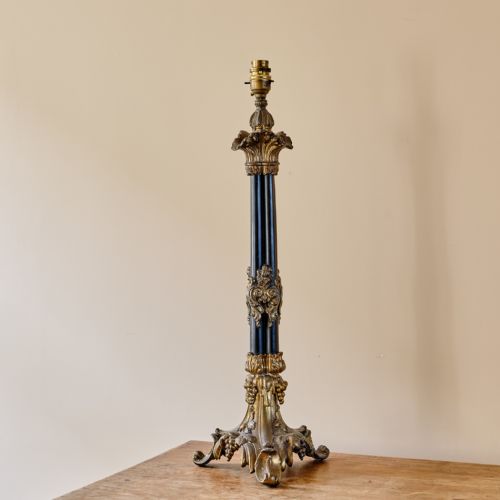
A gilt bronze desk light brings nineteenth-century illumination into the modern interior through heavy cast metalwork, often paired with contrasting materials like marble, onyx or porcelain. These items frequently manifest as table lamps, adapted candlesticks, or desk accessories rooted in the Victorian era and the early twentieth century.
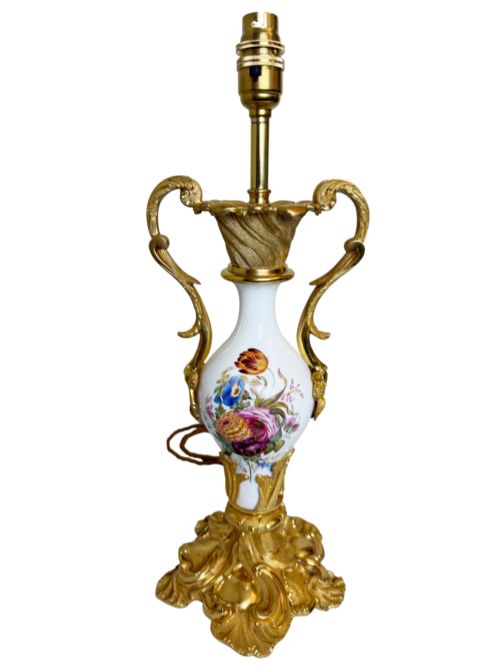
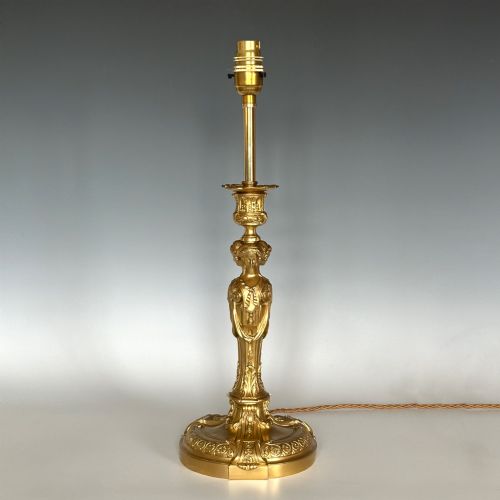
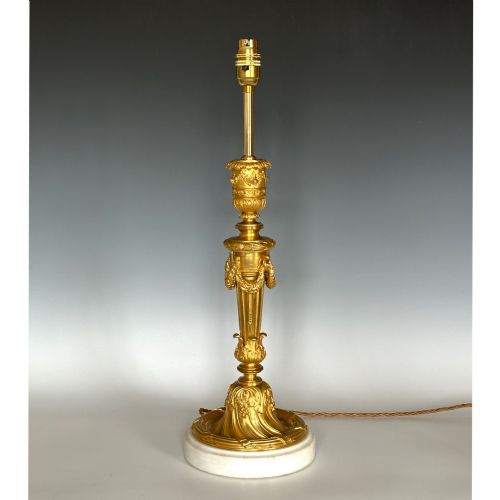
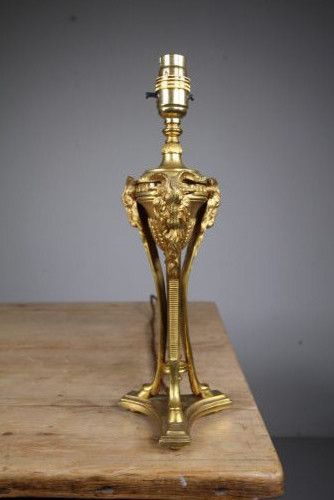
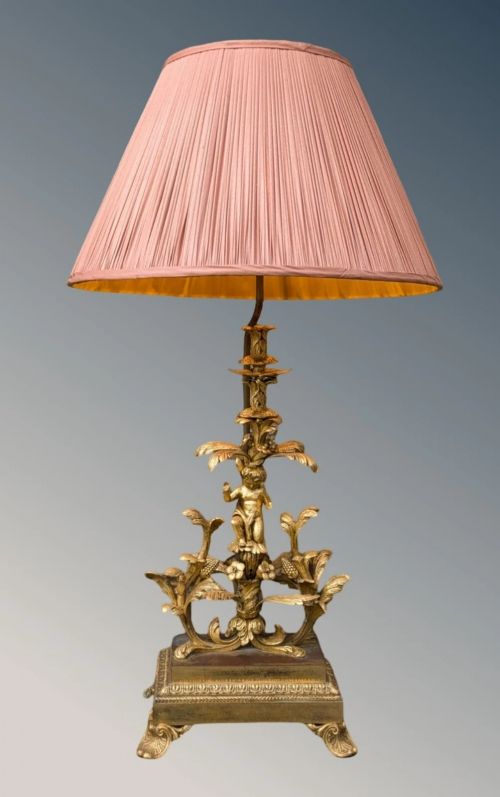
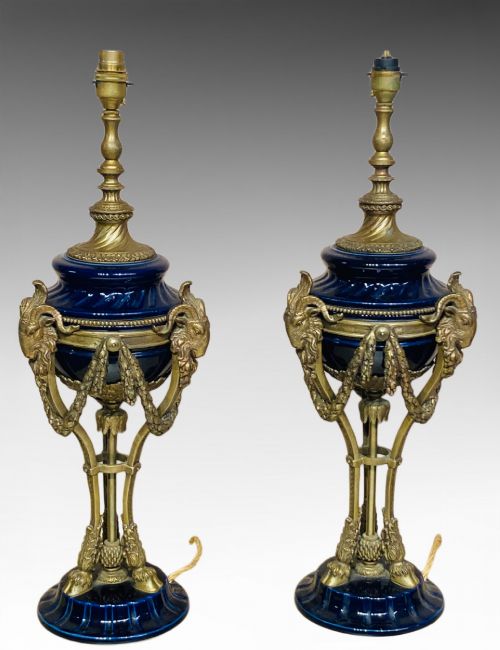
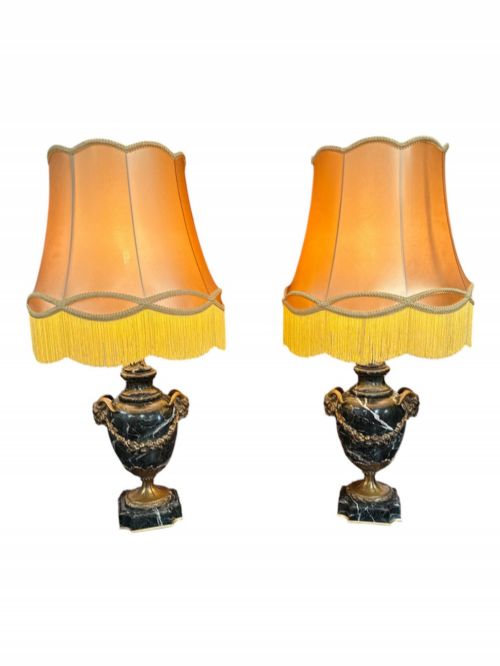
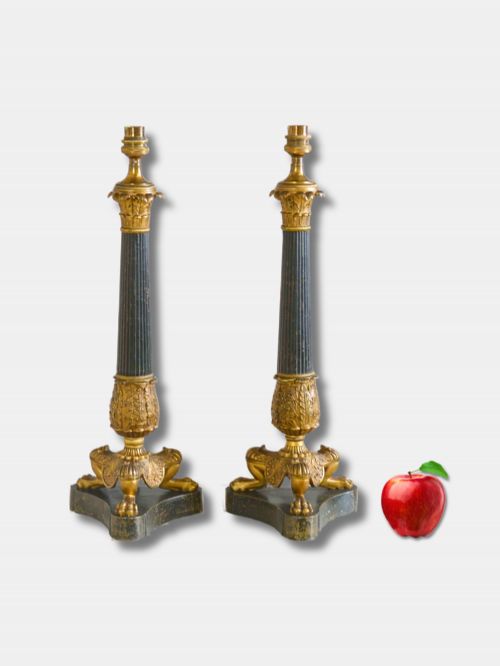
The dominant aesthetic draws heavily from continental tastes, particularly French Rococo Revival, Louis XVI style, and French Empire designs. Buyers encounter everything from petite floral motifs and cherub figures to monumental column lamps featuring lions' paw feet or ram heads.
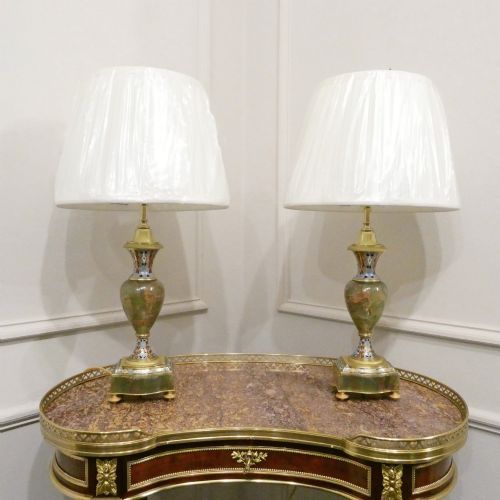
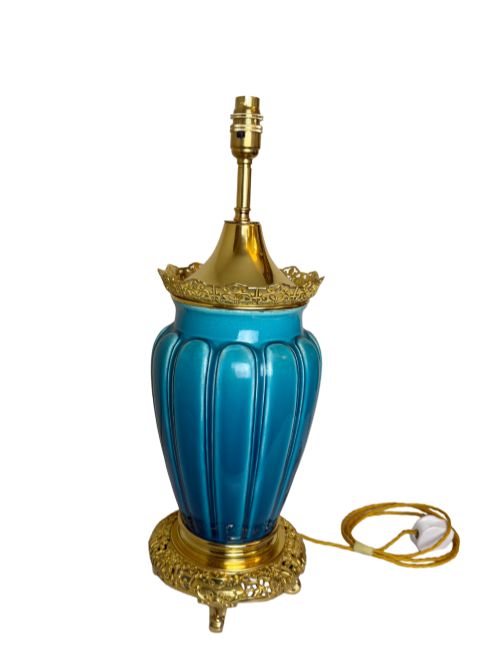
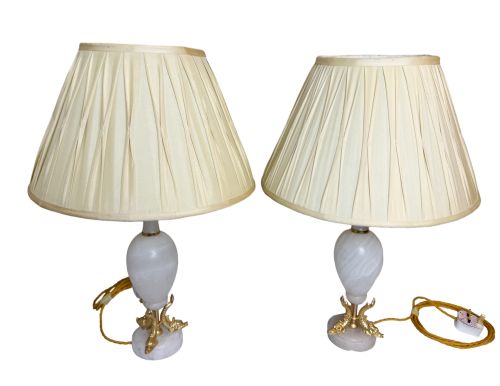
Many examples originate from French workshops, spanning the decades from the eighteen-eighties through to the nineteen-thirties. One frequently meets pairs finished in ormolu, alongside single pieces that utilise champleve enamel or blue porcelain trim.
Materials and construction methods
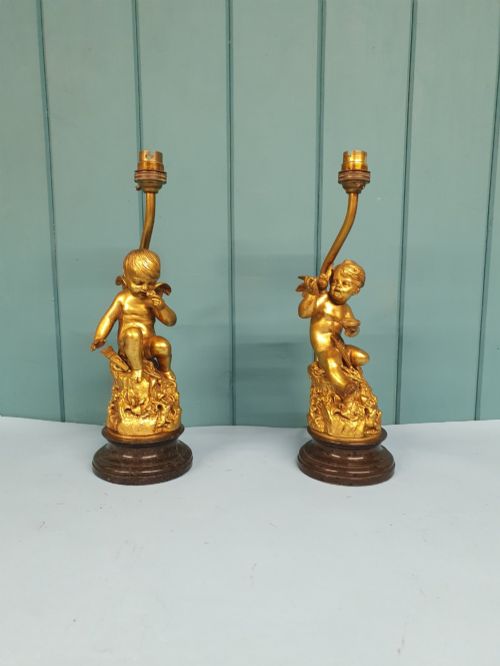
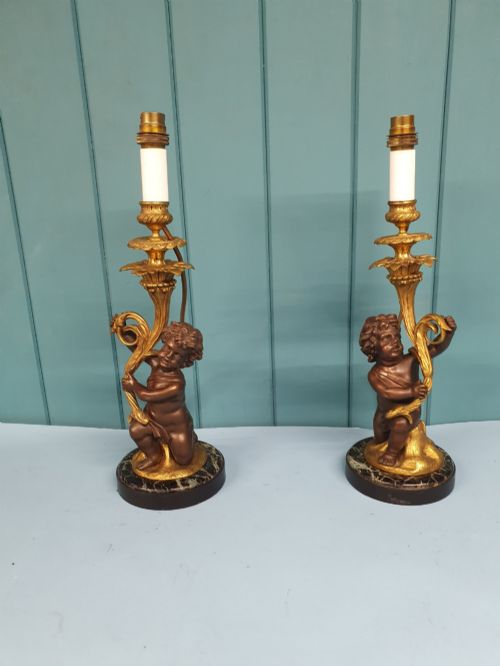
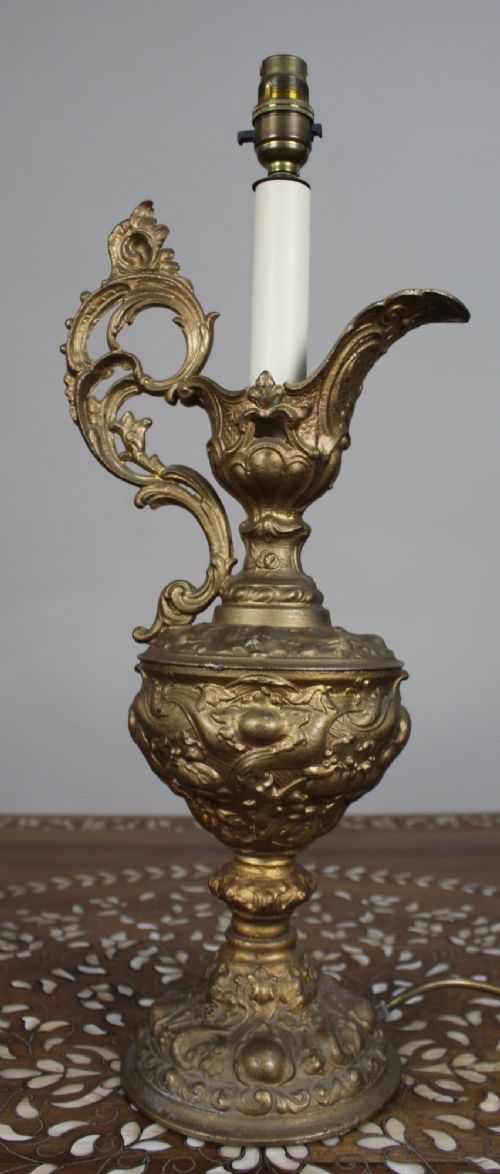
The primary structural components rely on bronze, brass, and gilt bronze, frequently treated with an ormolu finish to impart a rich golden gleam. Artisans cast these metals into elaborate figural or architectural shapes, including cherubs, urns, and ewers.
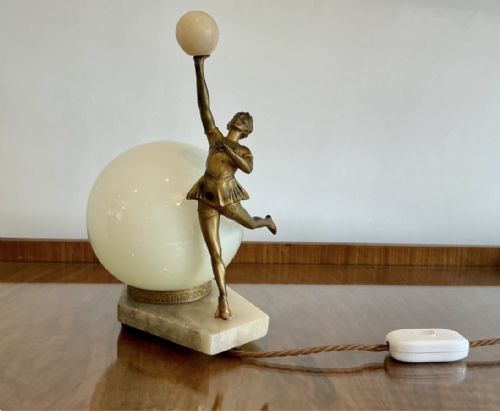
Stonework and ceramics form an integral part of the fabrication, with white or rouge marble, onyx, and glazed porcelain serving as substantial bases or central columns. These diverse elements join together via threaded rods or secure mounts, sometimes incorporating fabric or silk shades.
Several examples repurpose winged cherubs and mythological mermaids directly into structural lamp supports.
Distinguishing craftsmanship and finish
The integration of secondary materials dictates overall refinement, where flawless marble columns, precise champleve enamel work, and heavy gauge mounts demonstrate superior workshop standards. Lesser pieces often exhibit simpler surface finishing and lighter, less substantial metal weights.
The Gilt Bronze Desk Light Glossary
- Gilt bronze
- Metal alloy coated with a layer of gold to give a rich, durable golden finish. It provides the principal luminous body for many nineteenth-century lighting fixtures.
- Ormolu
- Finely ground high-carat gold applied to a bronze base using a mercury amalgamation technique. This historic process yields a distinctively warm, matte golden surface texture.
- Champleve
- Enamelling technique where troughs are dug into the metal surface and filled with vitreous paste before firing. It creates colourful decorative patterns on desk accessories and lamp bases.
- Cassolette
- Decorative vessel designed with a reversible lid that functions as a burner or a vase. In lighting applications, these forms are frequently adapted into ornamental lamp bases.
- Rococo Revival
- Nineteenth-century design movement mimicking the asymmetrical scrolls and naturalistic motifs of the eighteenth century. Pieces in this style feature flowing plant forms and spirited figural work.
Gilt Bronze Desk Light: Frequently Asked Questions
How do I date a gilt bronze desk light?
Dating relies on stylistic clues, manufacturing techniques, and material combinations recorded across the nineteenth and early twentieth centuries. Pieces displaying heavy neoclassical columns or Empire motifs often point to earlier decades, while champleve enamel and specific porcelain bodies frequently indicate the later Victorian or nineteen-hundreds periods.
Examination of the fixings, wiring channels, and wear patterns beneath the base further aids in establishing an approximate age. Comparing the casting sharpness against known stylistic periods helps refine the timeline.
Were these always electric lamps?
Most antique examples began life as oil lamps, candlesticks, or desk inkwells before undergoing later conversion to electricity. This adaptation process generally occurred during the twentieth century to accommodate modern domestic lighting needs.
Collectors often seek out these converted pieces for their original sculptural integrity and heavy metal casting. The alteration rarely diminishes the decorative impact of the bronze and marble work.
How do I care for gilt bronze and ormolu?
Maintenance requires gentle dusting with a soft, dry cloth to prevent the accumulation of grime within the intricate recesses of the casting. One must avoid abrasive cleaners or chemical polishes, which can strip away the delicate gold surface layer.
Keeping the object away from direct sunlight and excessive moisture preserves both the metallic lustre and the integrity of any mounted marble or porcelain. Professional conservation is advised if deeper cleaning becomes necessary.
What is the difference between gilt bronze and brass?
Gilt bronze consists of a copper and tin alloy treated with a gold coating, offering a deeper and more resonant golden hue after centuries of ageing. Brass is primarily an alloy of copper and zinc, which tends to exhibit a brighter yellow metallic tone when polished.
Antique lighting pieces cast in bronze generally possess greater weight and allow for sharper, more detailed chasing by the artisan. Brass was frequently utilised for simpler domestic items or later twentieth-century reproductions.