


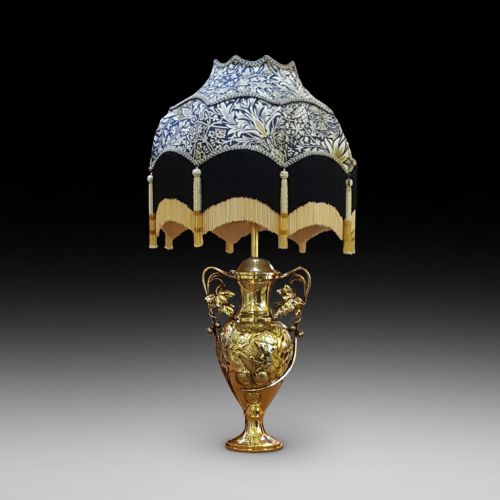
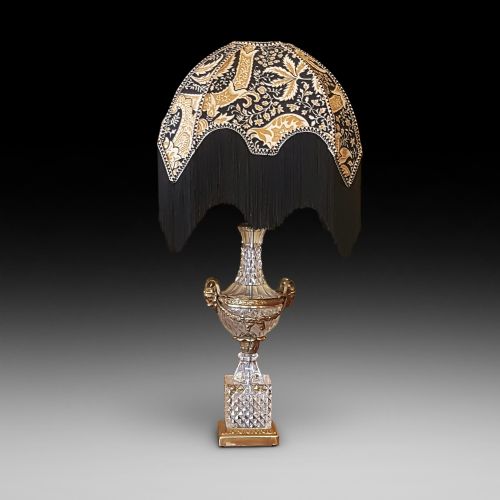
Patterned Shade Table Light
A patterned shade table light brings ambient warmth and decorative focus to a room through the combination of a considered base and a textured diffuser.
Patterned Shade Table Light
When you search for a patterned shade table light, you encounter a diverse assortment of antique table lamps and converted oil lamps. These fixtures emerge from periods spanning the eighteenth century through the early twentieth century, encompassing styles such as Victorian, Edwardian, Art Nouveau, and Gothic Revival.
The objects take several forms, including classical column designs, figural statuettes, and converted ceramic vases. You regularly find pairs alongside single pieces, offering symmetry for mantelpieces or sideboards.
Materials and construction methods
The construction relies heavily on cast and turned metals, including brass, ormolu, gilt bronze, and gilt metal. These metallic elements form the structural columns, bases, and mounts that support the lighting components.
Porcelain and ceramic bodies feature prominently, often utilising imported vases from Japan and China decorated in Imari, blue and white, or Famille Verte palettes. Diffusing elements incorporate fabric, silk, glass beads, frosted glass, and cut glass to temper the illumination.
A bronze cherub once tasked with holding a candle now quietly moonlights as an electric table lamp.
Distinctions in quality
Quality rests upon the crispness of casting in the metal mounts and the artistic merit of the painted or glazed ceramic surfaces. Heavy brass components and finely chased ormolu distinguish superior examples from simpler production.
The integration of converted elements, such as antique vases or bronze statuettes into lighting fixtures, dictates the overall coherence of the piece. Superior items retain their original proportions and decorative harmony despite functional adaptation.
The Patterned Shade Table Light Glossary
- Ormolu
- Gilded bronze used widely for decorative mounts and bases in French revival styles. The technique involves applying a finely ground high-carat gold mercury amalgam to a bronze base.
- Imari
- A traditional Japanese style of porcelain exported extensively to Europe. These pieces display distinct underglaze blue and iron red overglaze decorations with additional gilt highlights.
- Famille Verte
- A Chinese porcelain palette characterised by a dominant green enamel combined with other contrasting colours. The style originates from the Qing dynasty and inspired later European adaptations.
- Corinthian Column
- A classical architectural order featuring an ornate capital decorated with acanthus leaves. This motif appears frequently on nineteenth-century brass table lamp shafts.
- Gothic Revival
- An architectural and decorative style drawing inspiration from medieval forms. Pieces from this movement often display heavy brass construction and ecclesiastical motifs.
Patterned Shade Table Light: Frequently Asked Questions
How do I date an antique table lamp?
Dating relies on examining the materials, manufacturing techniques, and stylistic markers visible in the base and mounting. Stylistic indicators like Art Nouveau organic curves or Victorian revival details offer clear chronological anchors.
Component construction, such as threaded fittings and wiring channels, also assists in determining whether a piece originated as an oil lamp or was later converted from a vase or statuette.
Were all these lamps originally electric?
Many of these pieces began life as oil lamps, candlesticks, or decorative porcelain and bronze vases before undergoing later conversion to electricity. This adaptation process preserves the decorative value of antique objects while making them practical for modern interiors.
Fittings and internal wiring are typically modern additions installed to meet contemporary safety standards while leaving the antique exterior intact.
How do I choose between single lamps and pairs?
Pairs provide symmetrical placement options for flanking a fireplace, sideboard, or large desk. They share matching materials, dimensions, and decorative styles derived from the original manufacture.
Single lamps work well as focal points on smaller side tables or reading desks where symmetry is not required.
What is the difference between Imari and Famille Verte ceramics?
Imari porcelain originates from Japan and is distinguished by a strong palette of underglaze blue, iron red, and gilt highlights. The patterns often incorporate complex floral and brocade designs.
Famille Verte is a Chinese ceramic style defined by the prominent use of green enamel alongside other contrasting overglaze colours, depicting narrative scenes, birds, or flora.