
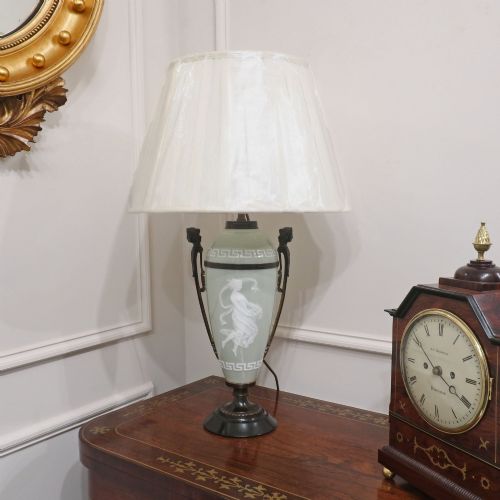
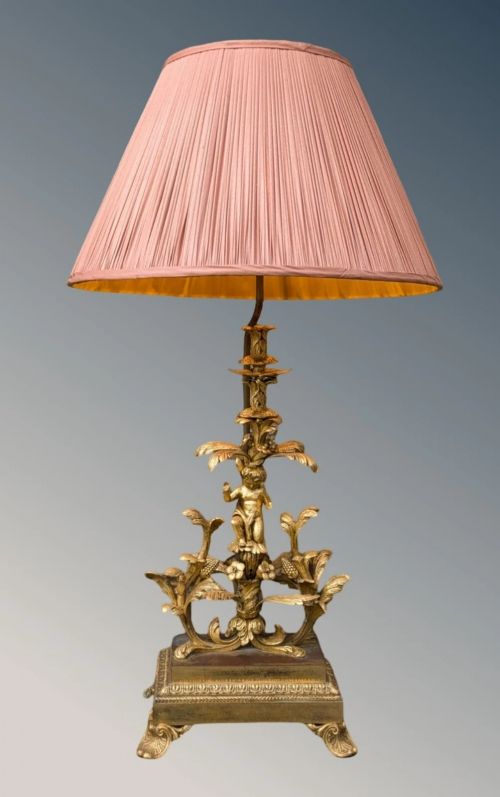


Vintage Bronze Figure Lamp
These vintage bronze figure lamps bring sculptural presence and warm illumination to a room, uniting classical and modernist figures with functional lighting.
Vintage Bronze Figure Lamp
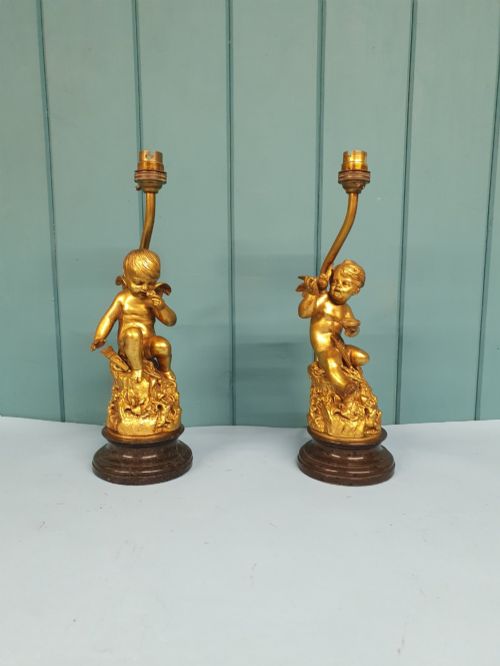
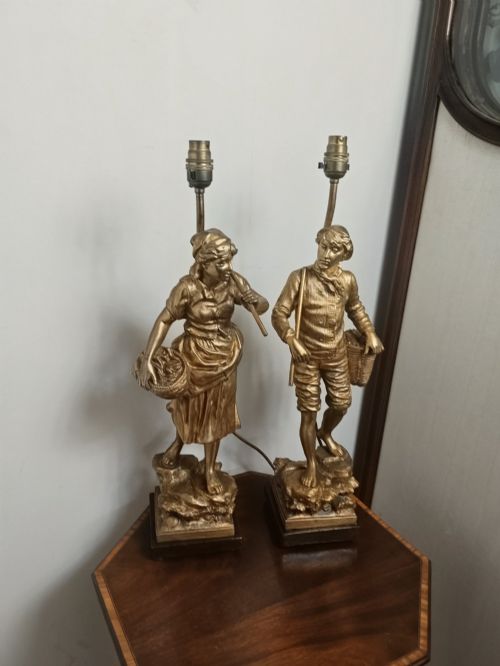
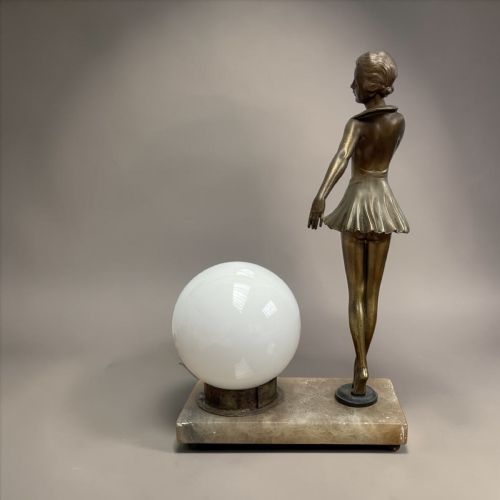
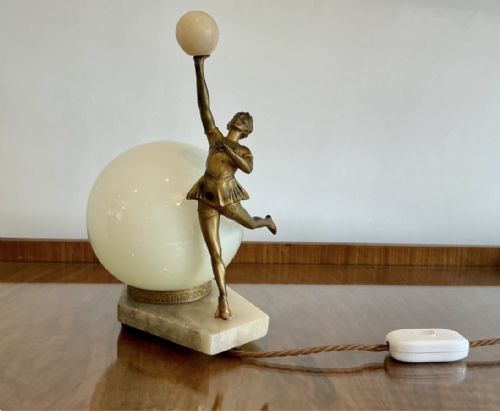
A vintage bronze figure lamp combines a figural cast metal sculpture with electrical hardware to create a decorative lighting piece. The selections for a vintage bronze figure lamp span table lamps, floor lamps, and wall lights.
The aesthetic of a vintage bronze figure lamp ranges widely across historical periods. Examples include Victorian, Neoclassical, Art Nouveau, and Art Deco designs from the nineteenth and twentieth centuries.
What varies in quality
The choice of secondary materials marks another divergence in standard. Heavy marble bases and integrated porcelain components indicate higher grade production compared to lighter metal alternatives.
Periods represented span from the Victorian era and the nineteenth century through to Art Nouveau and Art Deco.
E Rousseau·P.Sega
The Vintage Bronze Figure Lamp Glossary
- Spelter
- A zinc alloy commonly used as a substitute for bronze in figural castings. It takes patination well but is softer and lighter than genuine bronze.
- Patinated metal
- Metal treated with chemicals or heat to produce a coloured surface finish. This treatment protects the underlying material while adding depth to the sculpture.
- Gilt bronze
- Bronze that has been coated with a thin layer of gold or gold leaf. It offers a bright, reflective finish that resists tarnish.
- Tole peinte
- Painted tinplate used for decorative lamp components and shades. This technique provides rich colour and hand-painted detail.
- Pate sur pate
- A ceramic decorating technique where white porcelain slip is applied in layers to a contrasting background. It creates a low-relief cameo effect.
Vintage Bronze Figure Lamp: Frequently Asked Questions
Are these lamps converted from old statues?
Many examples began life as decorative statuary, vases, or desk figures before receiving electrical fittings. This practice was common throughout the nineteenth and twentieth centuries.
Conversion methods varied, sometimes involving drilling through the original metal or mounting the figure onto a new base to accommodate modern wiring.
What is the difference between bronze and spelter?
Bronze is a durable copper alloy that forms a stable, rich patina over time and possesses significant weight. Spelter is a zinc-based alternative that is lighter and more brittle.
Inspect the underside or base to determine weight and metal colour, as spelter often reveals a greyish metal beneath chips in the finish.
Where should I place a figural lamp?
These lamps function effectively as focal points on side tables, desks, or console units where their sculptural qualities remain visible. Their combined role as art and lighting suits low-level ambient placement.
Ensure the placement allows adequate clearance for the shade and highlights the details of the cast figure.