
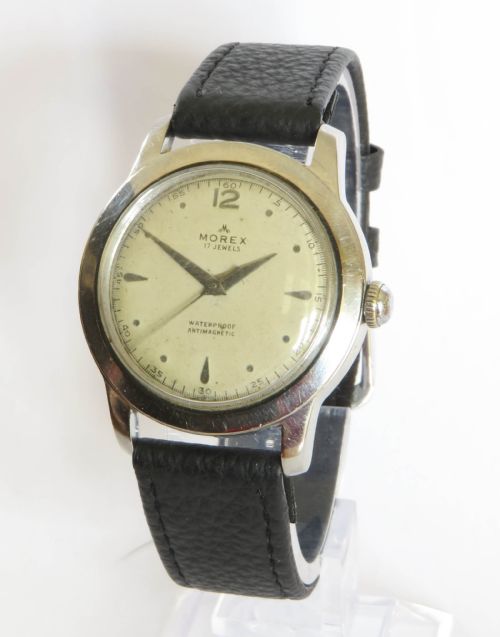
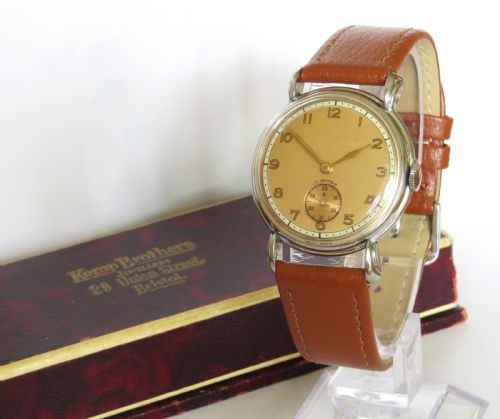
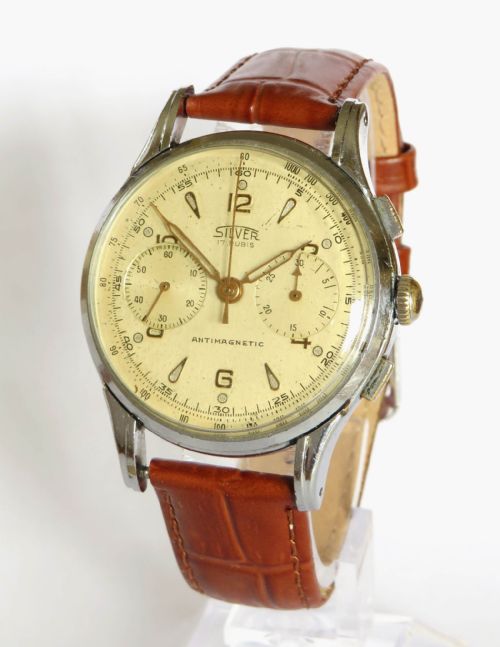
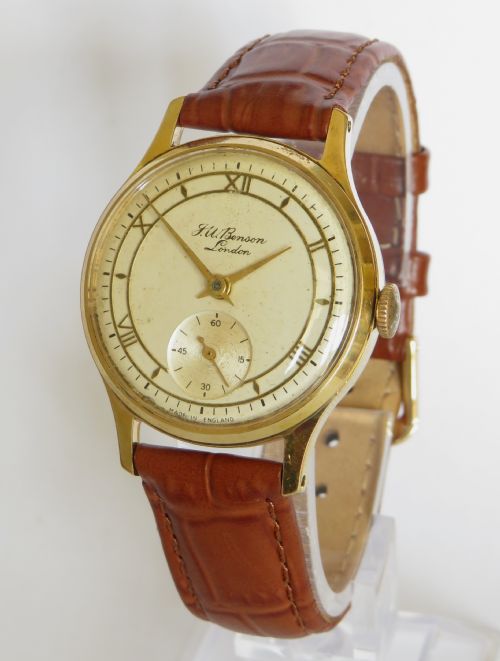
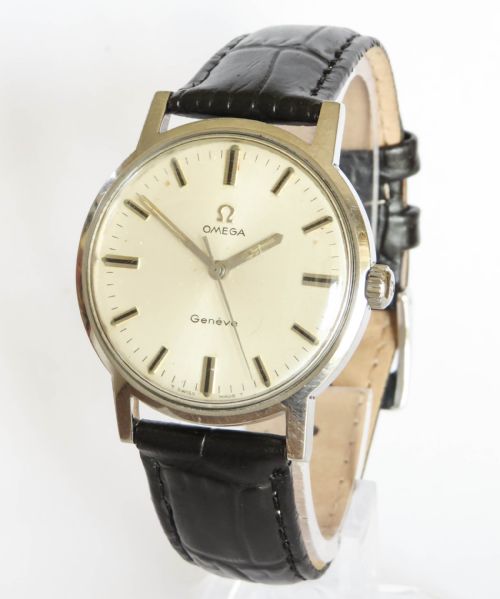
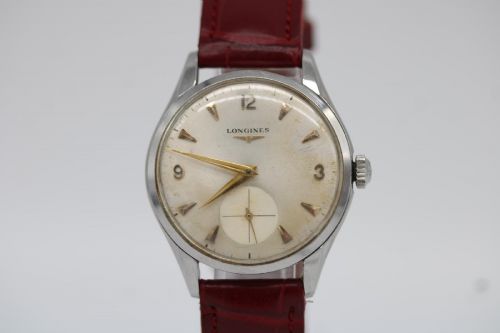
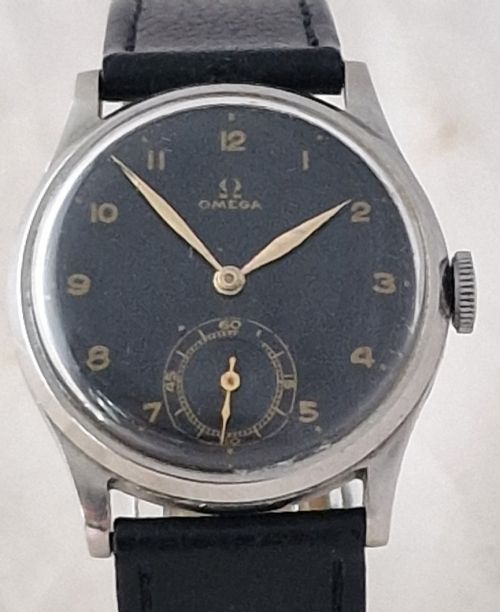
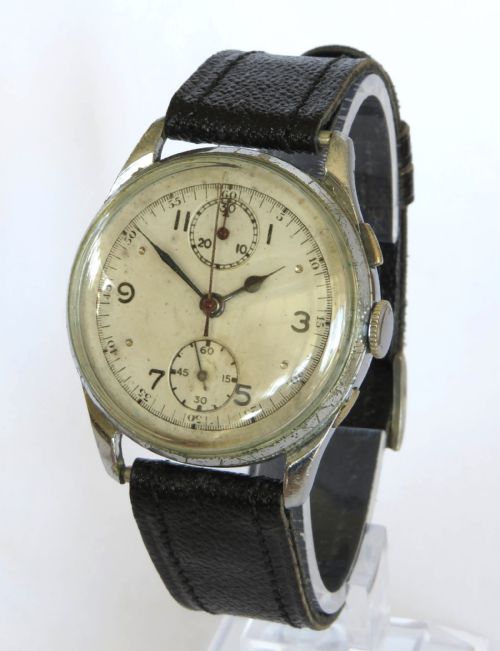

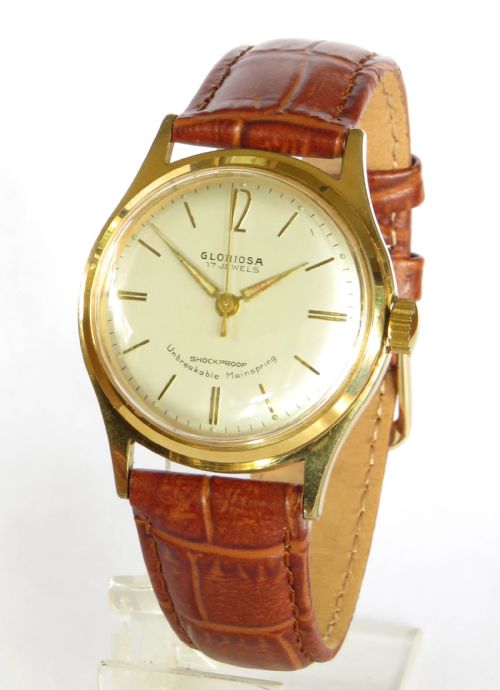
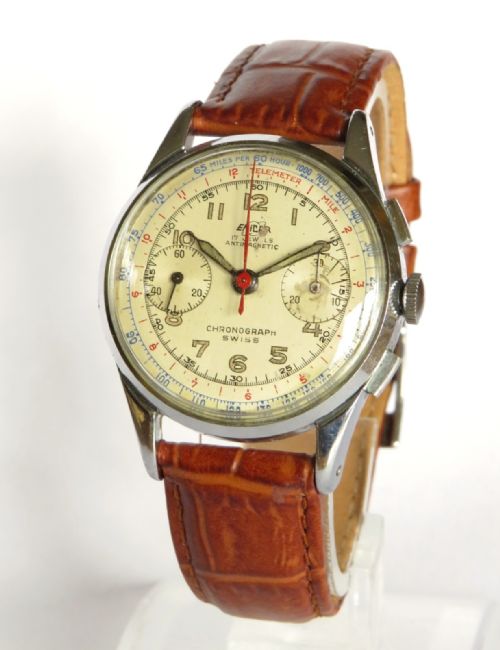
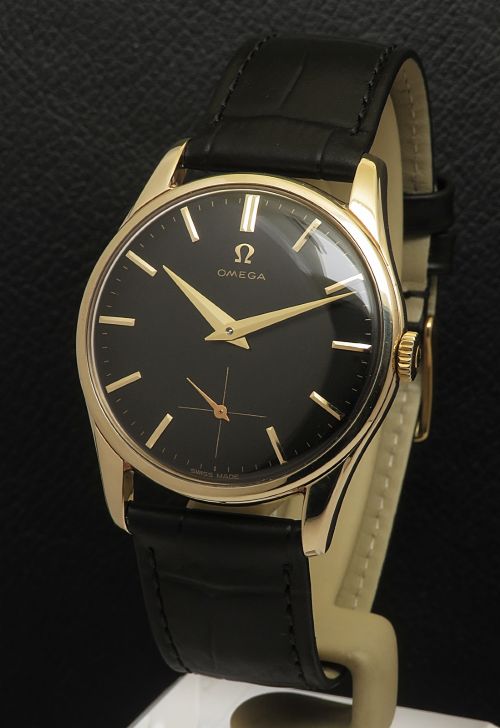
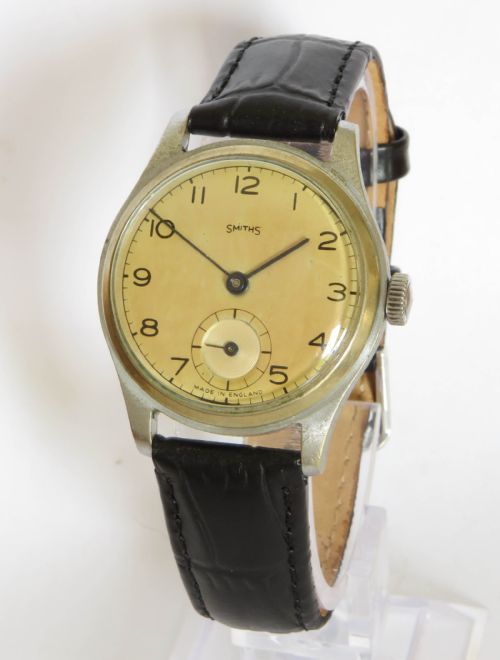
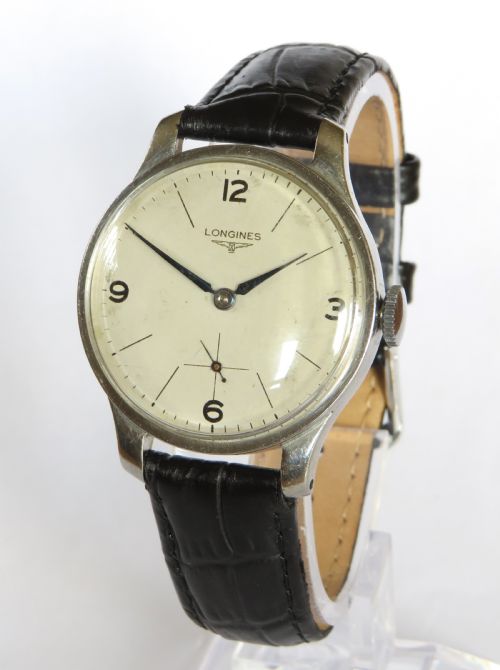
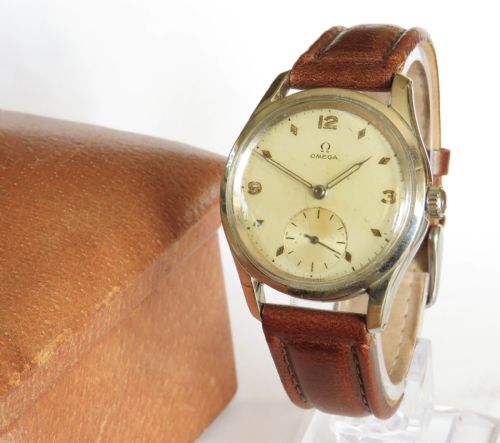
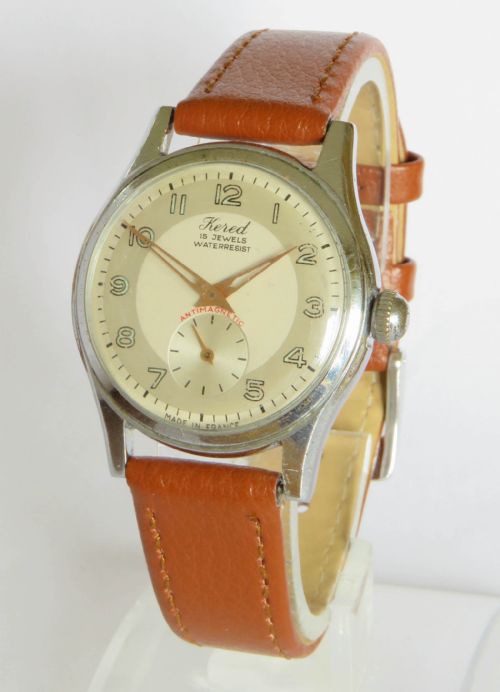
Manual Wind Wrist Watch
A manual wind wrist watch brings the tactile rhythm of daily hand-winding to your wrist, offering mechanical timepieces spanning from the 1930s through to the 1970s.
Manual Wind Wrist Watch
A manual wind wrist watch is a traditional mechanical timepiece powered entirely by a mainspring that you wind by hand rather than through wrist motion. When exploring this selection, buyers encounter wristwatches originating predominantly from the 1930s, 1940s, 1950s, and 1960s, alongside pieces stretching into the nineteenth century and later decades.
The objects span robust military service pieces, elegant dress models, and complex chronographs designed for precise timing. Most pieces encountered on this page stem from mid-century Swiss and British workshops, reflecting the dominant horological output of those eras.
Forms vary from classic round steel cases to square configurations, jumbo formats, and ladies bracelet designs. Buyers select these items for their historical provenance, mechanical transparency, and the enduring appeal of vintage horology.
How they were made
The construction of a manual wind wrist watch relies on traditional mechanical movements housed inside metal cases formed from stainless steel, gold plate, solid 9ct gold, chrome, or platinum. Watchmakers assembled intricate gear trains, escapements, and mainsprings designed to transfer stored energy into measured time.
Dials were protected by clear covers made from glass, acrylic, or acrylic glass, secured to cases that often incorporated specialised movements such as the Calibre 267 or 30T2 SC. Military specifications dictated utilitarian designs with distinct dials, while civilian models favoured refined finishes like gold sunburst patterns or diamond-set platinum bezels.
Listings feature manual wind wrist watch examples utilising materials from stainless steel and gold plate to solid 9ct gold and platinum.
What varies in quality
The distinction between tiers in a manual wind wrist watch rests upon the sophistication of the internal movement and the preciousness of the external materials. Solid 9ct gold or platinum cases paired with fully restored, jewelled movements sit at the upper end of the scale, whereas chrome-plated brass cases occupy more accessible categories.
Finishing details such as signed dials, specialised chronograph complications, and original boxed presentations elevate certain items above standard production models. The presence of historical military provenance or notable maker signatures further separates standard daily wearers from collector-grade artefacts.
Omega·Longines·Breitling·Smiths·Tissot·Certina·Enicar·Vacheron Constantin·H Moser and Cie·Girard Perregaux
The Manual Wind Wrist Watch Glossary
- Chronograph
- A watch equipped with a stopwatch function alongside its standard timekeeping display. These complications often feature dedicated sub-dials and pusher buttons.
- Calibre
- The specific manufacturer's designation for a particular watch movement design. Collectors use this to identify the exact internal engineering of a piece.
- Acrylic glass
- A lightweight, shatter-resistant plastic material utilised for watch crystals before the widespread adoption of synthetic sapphire. It can be easily polished to remove surface scuffs.
- Military issue
- Timepieces commissioned by armed forces with specific regulatory markings on the case back. These emphasise legibility, durability, and strict adherence to service standards.
- Jumbo
- A colloquial term for a watch case whose diameter is noticeably larger than the standard proportions of its era. These larger dimensions appeal to contemporary preferences for presence on the wrist.
Manual Wind Wrist Watch: Frequently Asked Questions
How often should I wind my watch?
A manual wind wrist watch typically requires winding once every twenty-four to forty-eight hours, depending on its specific mainspring power reserve.
It is best to wind the crown gently at the same time each day until you feel resistance, avoiding over-winding to protect the internal mechanism.
Are vintage watches waterproof?
Most vintage pieces lack the modern rubber gaskets and screw-down crowns necessary to guarantee water resistance.
Even models designated as waterproof in period advertising should be kept away from water to prevent internal moisture damage.
What does manual wind mean?
A manual wind mechanism relies entirely on the wearer turning the crown by hand to tension the mainspring.
Unlike automatic watches, it contains no oscillating weight to self-wind from wrist movements throughout the day.
How do I read a military issue watch?
Military pieces often bear specific government or department codes engraved on the case back, such as ATP for Army Trade Pattern.
These markings denote official procurement and help authenticate the service history of the timepiece.