
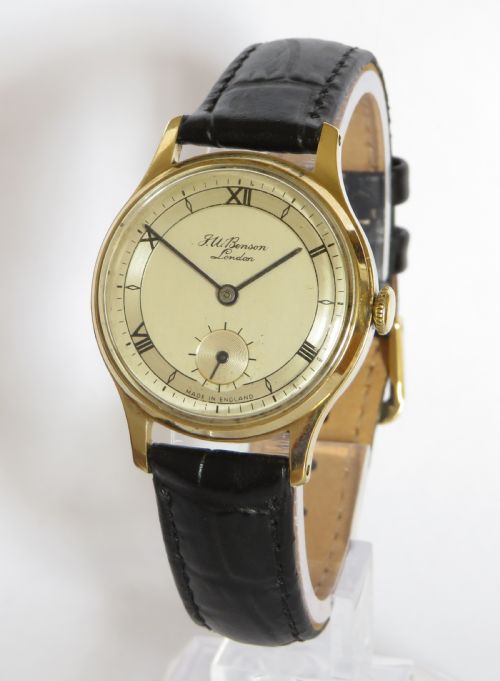
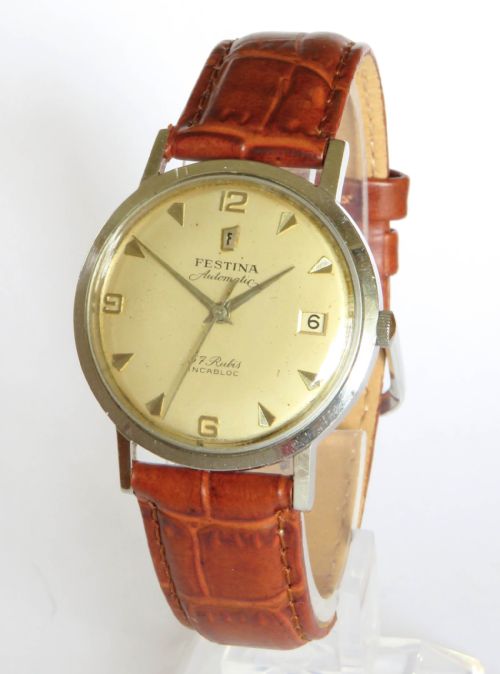
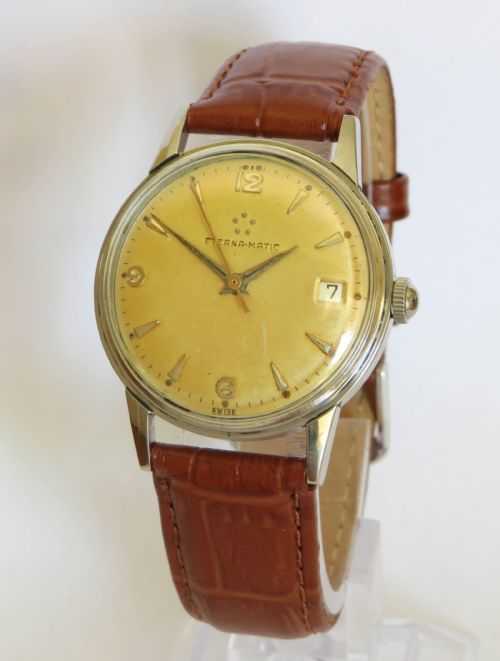
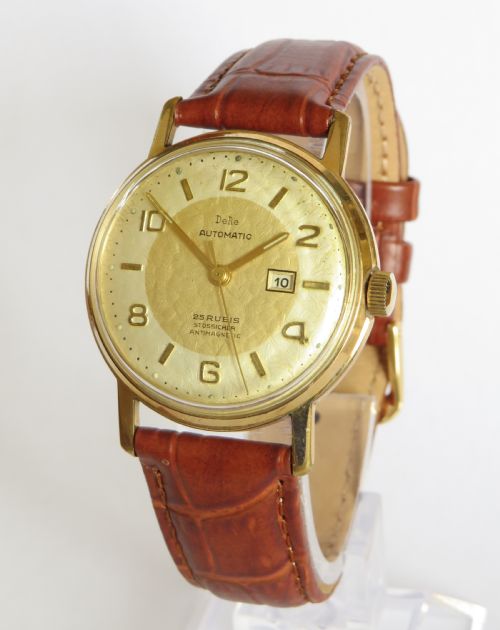
1950s Mechanical Dress Watch
A 1950s mechanical dress watch offers precise hand-wound or automatic timekeeping encased in mid-century elegance.
1950s Mechanical Dress Watch
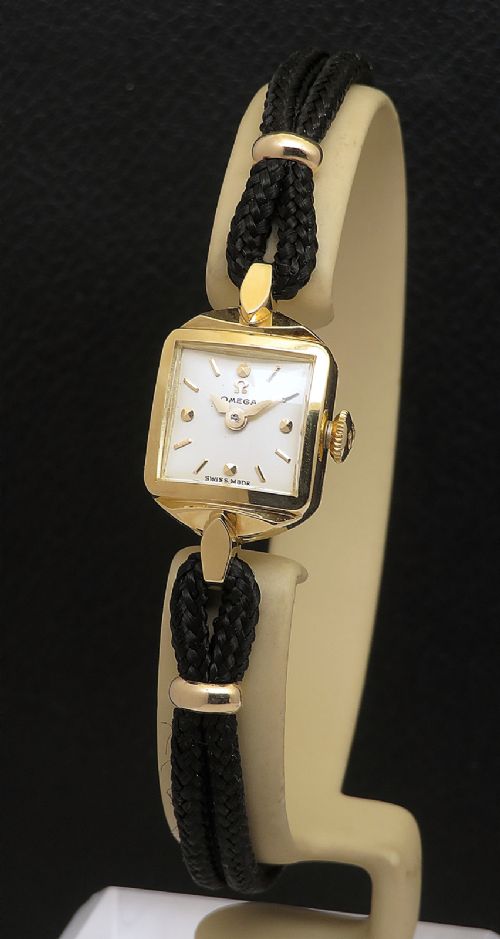
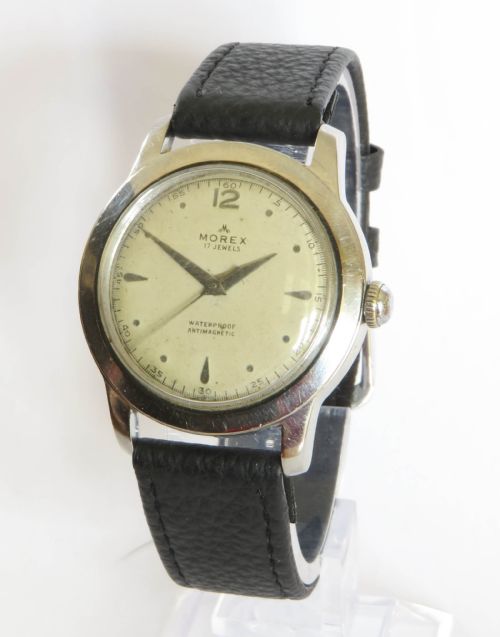
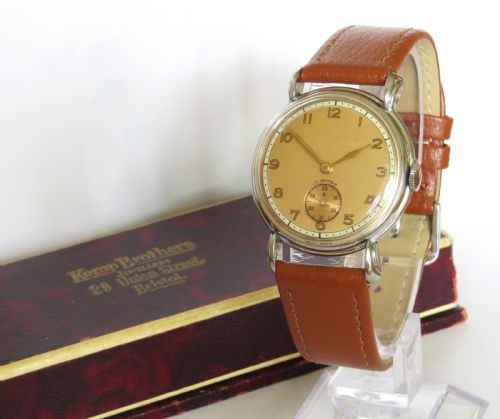
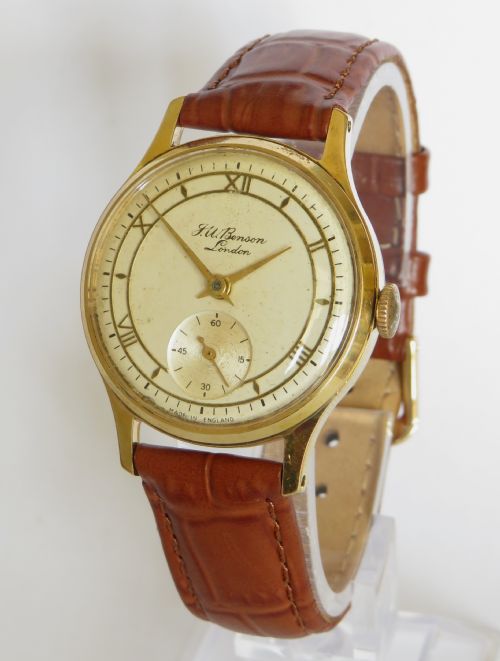
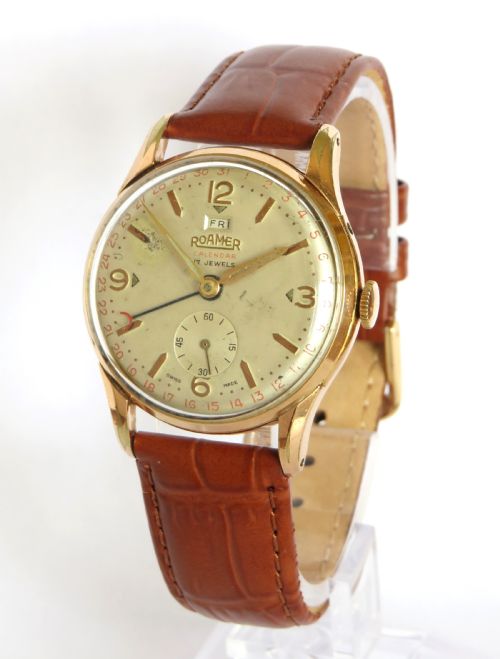
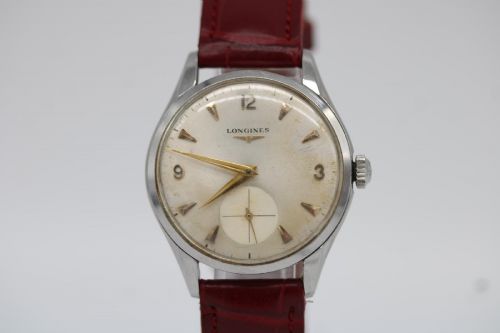
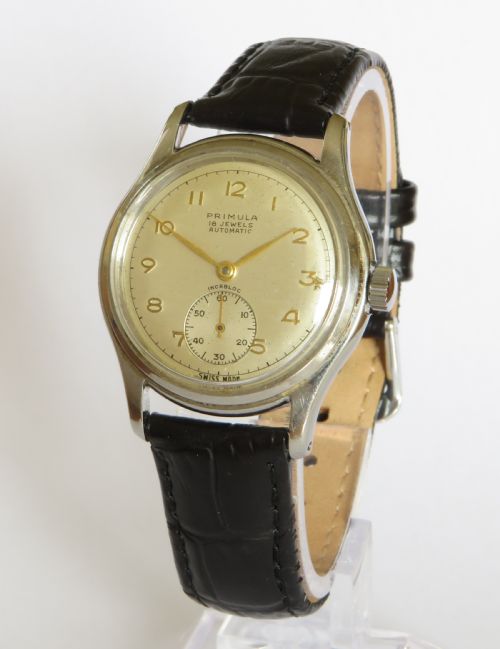
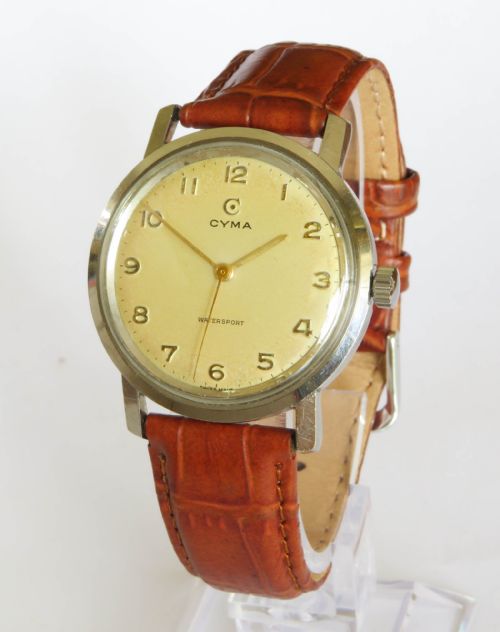
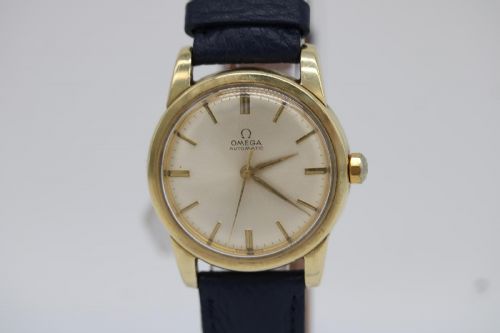
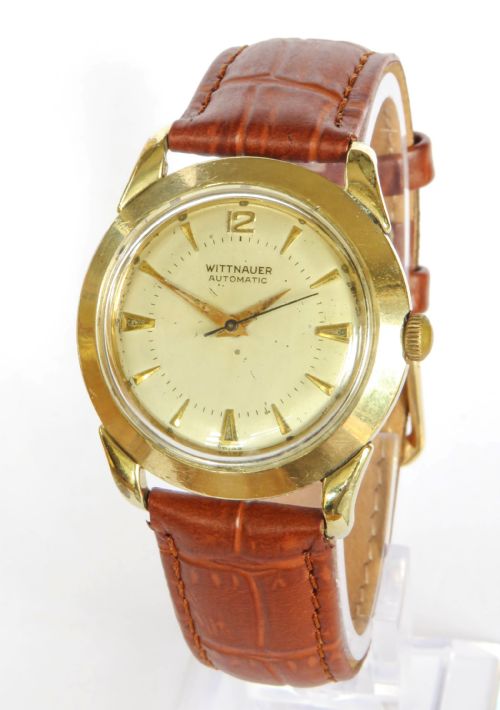
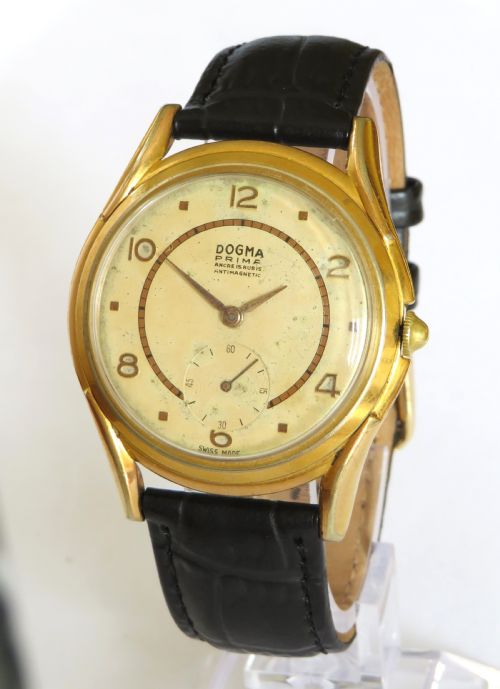
When you search for a 1950s mechanical dress watch, you encounter wristwatches and pocket watches originating from the mid-century period, primarily dated between 1940 and 1960. These items represent an era when horology prioritised slim profiles and understated dials suitable for formal wear.
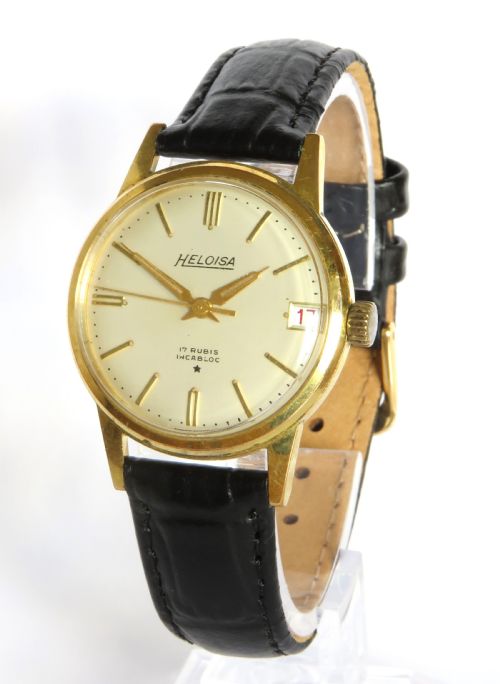
The most common examples on this page are gents wristwatches featuring manual wind or automatic movements housed in round or occasionally jumbo cases. Makers from Switzerland and Britain dominate the selection, spanning everyday brands to high-end manufacturers.
Styles lean heavily towards Mid-Century Modern and Art Deco aesthetics, reflecting the design sensibilities of the post-war decades. Pieces range from simple steel time-only models to solid gold pieces with complications like calendar displays.
Materials and construction
Watchmakers of this era utilised a range of metals for cases, including stainless steel, chrome, gold plate, and solid 9ct, 18ct, or 9K gold. Dials were protected by glass or acrylic crystals, while straps were predominantly fashioned from leather.
Movements relied entirely on mechanical components powered by mainsprings rather than batteries, requiring either manual winding or an automatic rotor. Cases were engineered to house these intricate gear trains while maintaining slim, wearable proportions on the wrist.
Listings feature periods spanning 1940 to 1960, with materials including leather, stainless steel, glass, acrylic, gold plate, metal, 9ct gold, and chrome.
Distinctions in quality
The material composition of the case sets a baseline for a watch, moving from chrome and gold plate up to solid 18ct yellow and rose gold. Higher tiers often feature prestigious maker signatures and specialised mechanical calibres.
The integrity of the dial and movement components dictates the overall standard of a piece. Original dials in clean condition and movements bearing specific calibre numbers represent the higher end of horological output from the decade.
Montilier·Heloisa·J W Benson·Festina·Eterna Matic·DeRe·Roamer·Longines·Primula·Cyma·Omega·Wittnauer·Dogma Prima·Kered·Rotary·Lanco·Baume Bimatic·Smiths·Prisma·Marvin·Certina·Ebana·Baume Mercier·Jaeger LeCoultre
The 1950s Mechanical Dress Watch Glossary
- Mechanical watch
- A timepiece powered by a mainspring and gear train rather than electronic quartz technology. These movements require manual winding or kinetic wrist motion to operate.
- Automatic
- A self-winding mechanical movement that uses a weighted rotor to tension the mainspring using the natural motion of the wearer's wrist.
- Calibre
- The specific internal model designation given by a manufacturer to a particular watch movement. Collectors use this number to identify the exact mechanism inside the case.
- Manual wind
- A mechanical watch that must be wound by hand via the crown to store energy in the mainspring. This was the standard method before automatic movements became widespread.
- Jumbo case
- A watch case considered unusually large for its production era, typically measuring larger than standard diameters of the time. These pieces often command strong interest from modern collectors.
1950s Mechanical Dress Watch: Frequently Asked Questions
How do I wind a manual watch?
Rotate the crown clockwise between your thumb and forefinger until you feel gentle resistance. Stop turning immediately when the spring feels tight to avoid damaging the internal mechanism.
Most vintage pieces require daily winding to maintain accurate timekeeping throughout wear. Establishing a consistent morning routine helps keep the mainspring tension steady.
Are these watches water resistant?
Vintage timepieces from this era generally lack modern rubber gaskets and modern sealing techniques. Even models marked as water resistant should be kept away from moisture and submersion.
Hand-washing and rain pose risks to the movement inside, so owners typically remove the watch before exposure to water. Professional servicing can check the condition of internal seals if present.
How do I read a mechanical watch?
The dial displays hours, minutes, and frequently seconds via hands sweeping across fixed markers or numerals. Reading the time involves noting the position of the hour and minute hands against the graduation of the dial.
Some variants include additional windows for calendar functions showing the date. These complications require manual adjustment for months with fewer than thirty-one days.
Can I wear a vintage watch daily?
Regular wear is suitable for well-maintained pieces provided they receive periodic mechanical servicing by a horologist. Owners often pair them with leather straps for comfort during daily activities.
Care should be taken to avoid heavy impacts, magnetic fields, and extreme temperatures. Storing the watch in a dry box when not on the wrist protects the exterior case and crystal.