



Vintage Horology Collectible
These vintage horology collectible pieces range from pocket watches to carriage clocks, offering a tangible link to historical timekeeping mechanics that collectors prize.
Vintage Horology Collectible
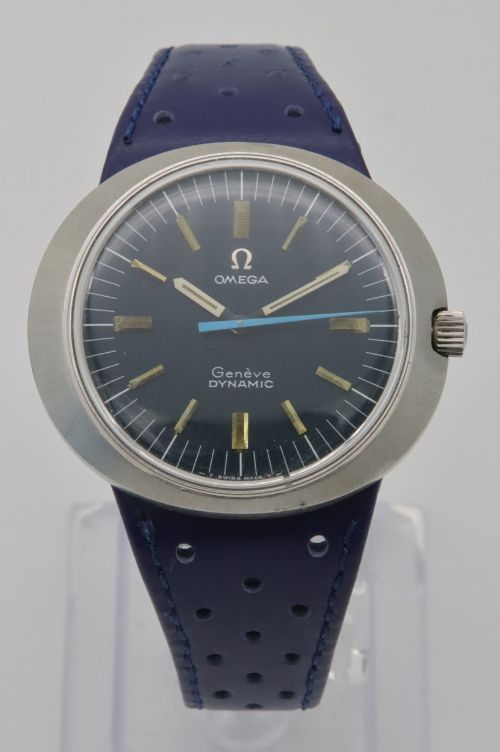
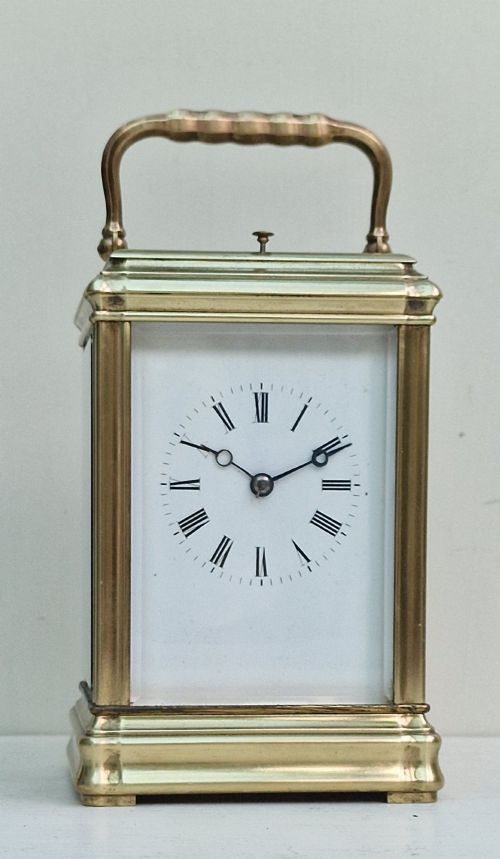
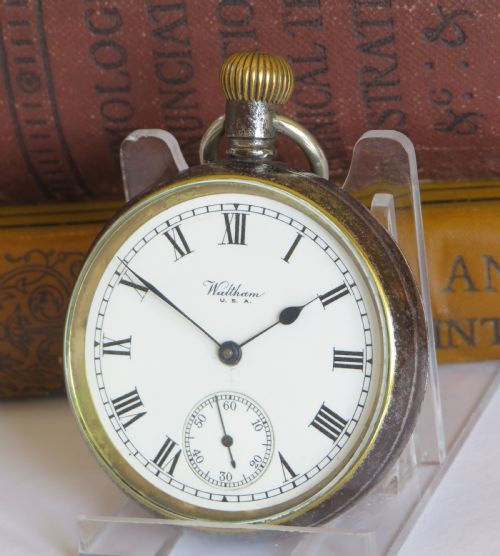
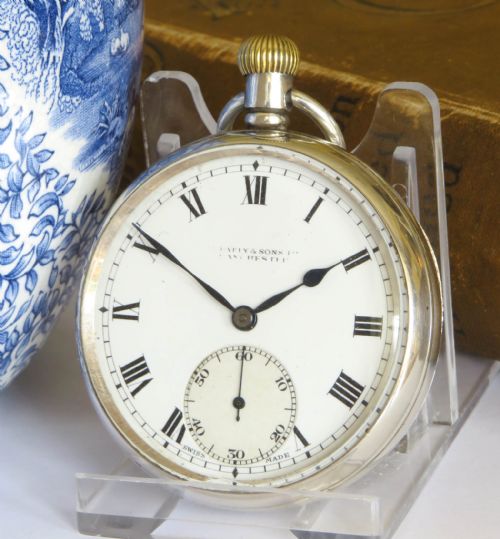
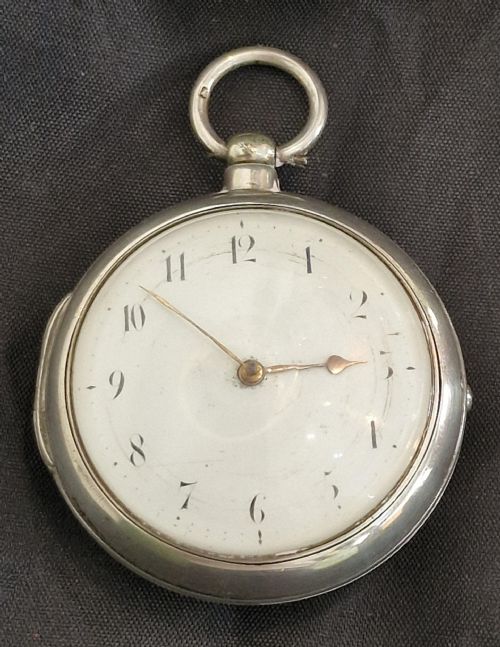
When you search for a vintage horology collectible, you encounter portable and domestic timepieces spanning from the Georgian era through to the mid-twentieth century. The selection on this page centres heavily on pocket watches and carriage clocks, alongside wristwatches and related accessories such as watch hooks.
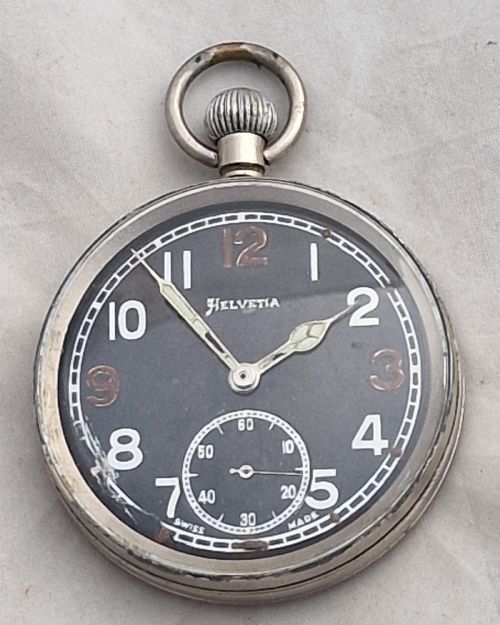
Examples stretch across multiple centuries, featuring early verge movements, military issue watches from the nineteen-forties, and intricate French carriage clocks. Buyers frequently find brass carriage clocks and silver pocket watches bearing the marks of twentieth-century makers.
How they were made
Makers utilised durable metals such as brass, silver, steel, and gun metal to house delicate mechanical movements. Glass and enamel protected painted dials, while leather often formed the backing for early watch accessories.
Cases frequently incorporated chrome, gilt brass, and occasionally gold, matched with precision gear trains and striking or repeating complications. These materials ensured both functional reliability and decorative appeal.
Listings span the Georgian period, the nineteenth century, and twentieth-century decades including the nineteen-forties and nineteen-sixties.
What varies in quality
Superior items exhibit refined hand-painted dials, such as those featuring ships leaving port, alongside complex repeating or calendar mechanisms housed in gorge cases. Simpler utilitarian pieces, including standard military issue watches, prioritise robust construction over ornamental metalwork.
The distinction lies in the complexity of the movement and the finesse of the exterior casing, whether cast in heavy gilt brass or delicate eighteen-carat gold.
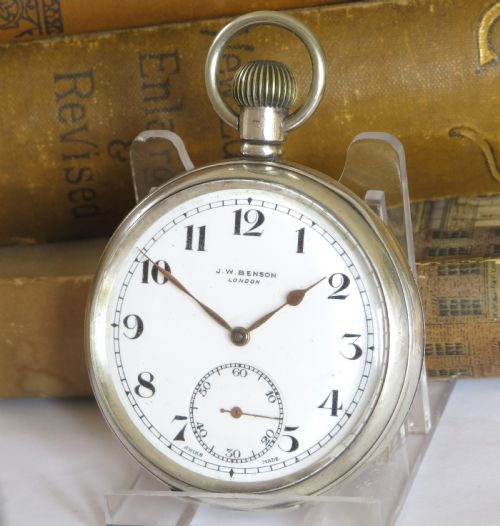
J W Benson·Mappin and Webb·A Golay Leresche Geneve
The Vintage Horology Collectible Glossary
- Carriage clock
- A small, spring-driven clock designed for travel, typically housed in a brass frame with glass panels. They frequently include striking or repeating mechanisms.
- Verge escapement
- An early type of mechanical escapement used in older pocket watches and timepieces. It regulates the release of power in the gear train.
- Half hunter watch
- A pocket watch featuring a case with a glass or open-centred panel in the front cover. This design allows the user to read the time without opening the case.
- Gorge case
- A distinct rectangular brass carriage clock case style characterised by stepped mouldings and bevelled glass panels. It represents a refined standard of nineteenth-century French horology.
- Moonphase
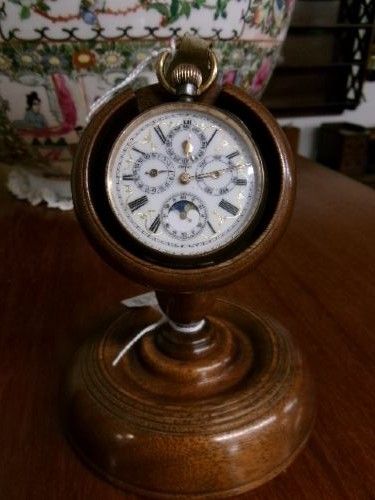
- A complication on a watch dial that displays the current lunar phase. It tracks the cycle from new moon to full moon through a rotating disc.
Vintage Horology Collectible: Frequently Asked Questions
How do I wind a vintage pocket watch?
Most pocket watches wind via the crown at the top, though older key-wound examples require a dedicated winding key applied to the back or dial.
Take care not to over-wind the mainspring, as doing so can damage the internal gearing.
What is a carriage clock used for?
Originally designed as portable timepieces for travellers in the nineteenth century, carriage clocks eventually became decorative domestic table clocks.
They often feature carrying handles and sturdy brass frames built to withstand movement.
How can I tell the period of a pocket watch?
Examine the style of the hands, the typography on the dial, and any hallmarks stamped inside the silver or gold case.
Stylistic shifts from Georgian verge movements to Art Deco numerals offer clear chronological markers.
Can I wear a vintage wristwatch daily?
Many mid-century wristwatches remain reliable for regular wear, provided they have been recently serviced by a professional horologist.
Keep in mind that older watches often lack modern water resistance and require gentle handling.