

Male Portrait Fine Art
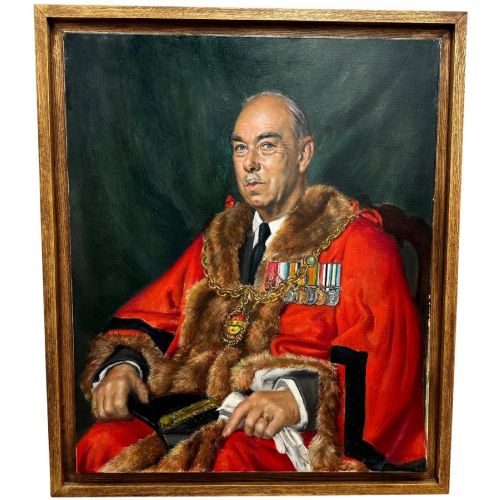
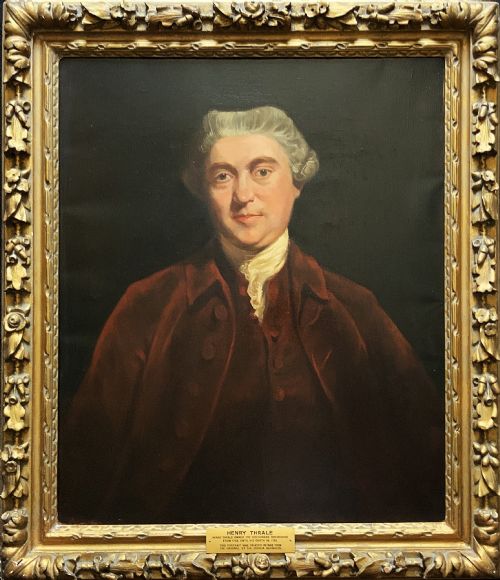
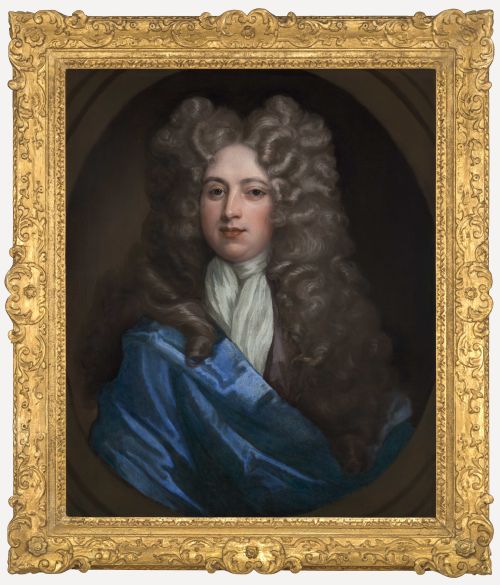
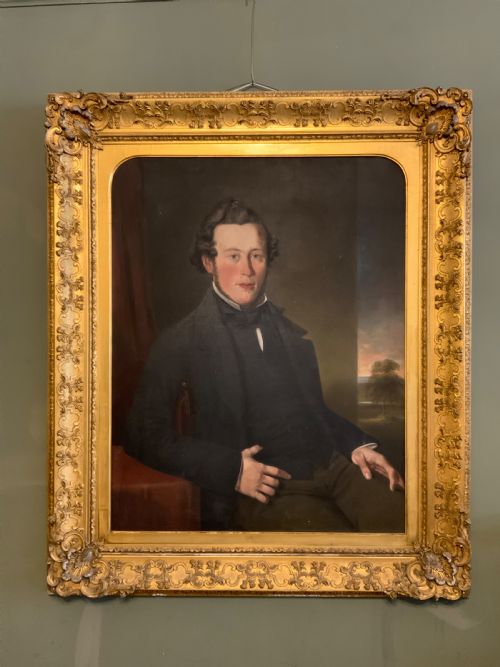
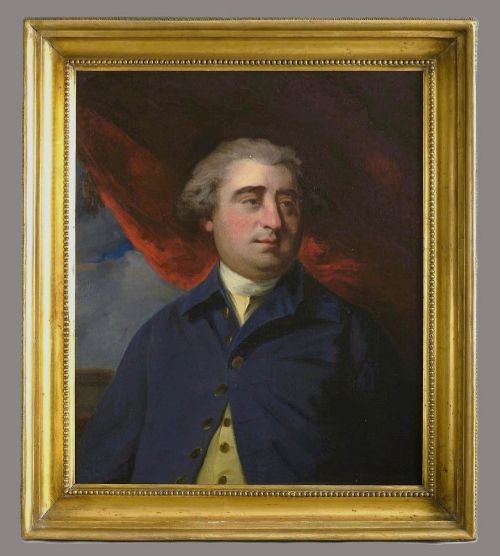
When acquiring male portrait fine art, collectors encounter centuries of oil paintings depicting notable gentlemen, officers, and scholars.
Male Portrait Fine Art
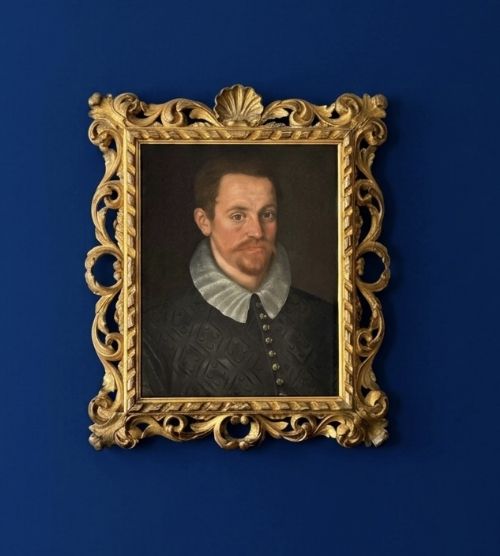
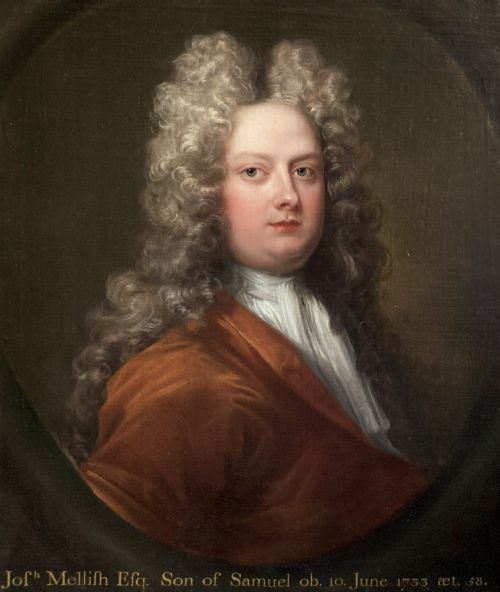
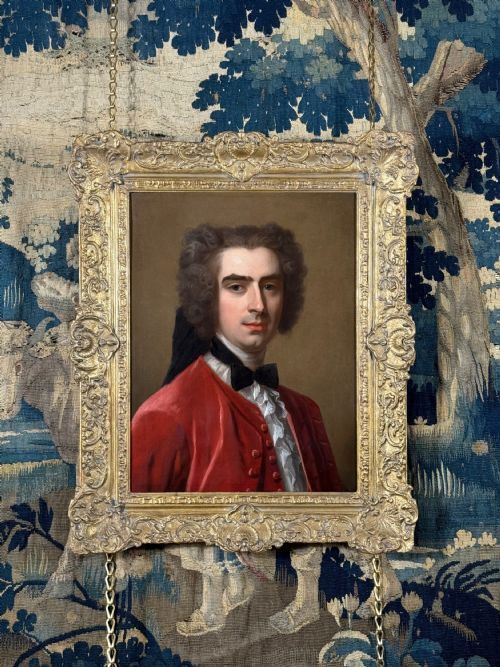
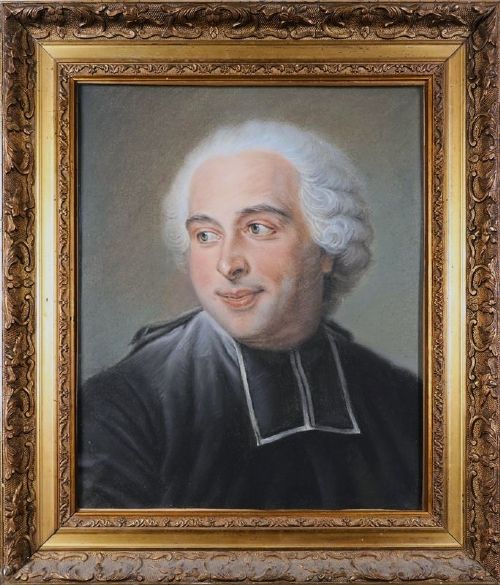
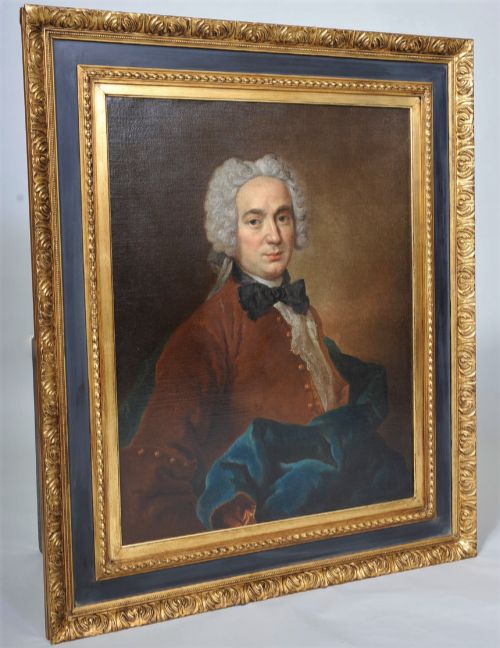
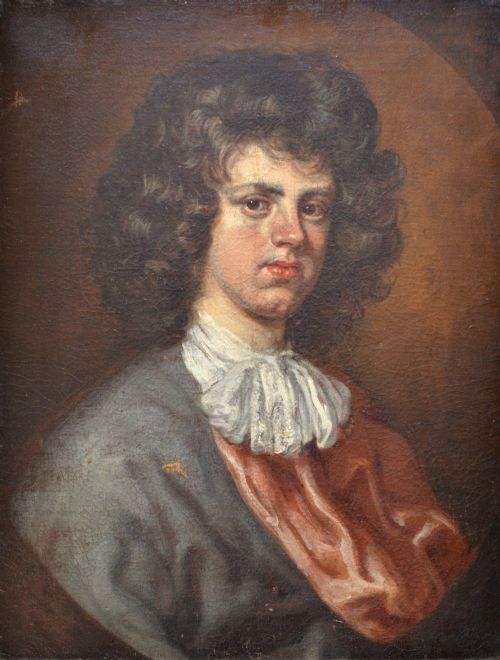
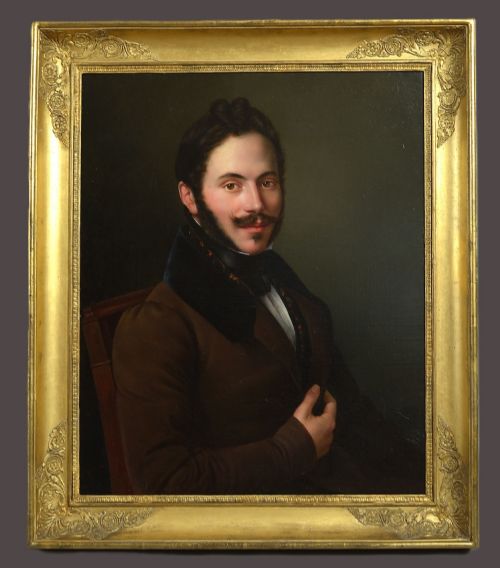
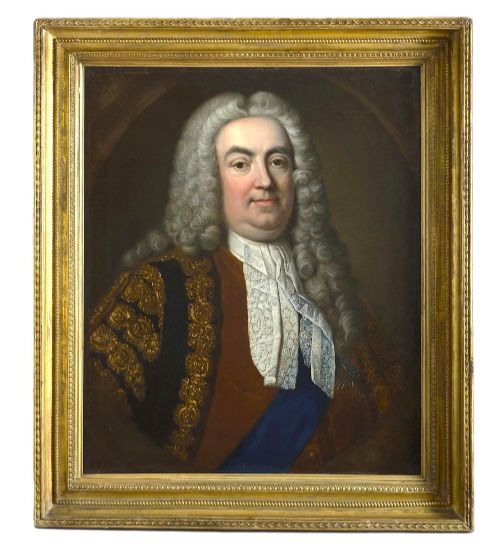
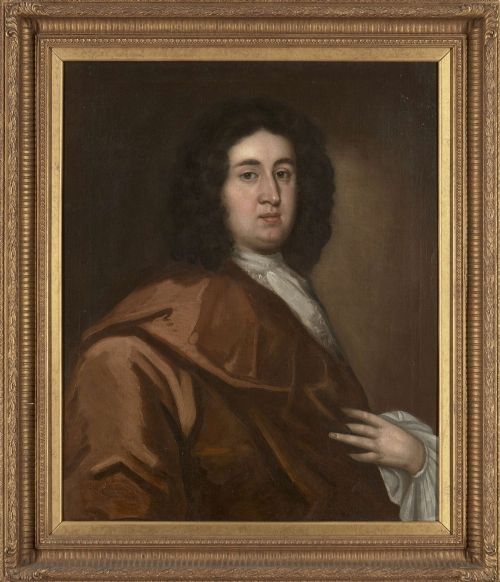
When searching for male portrait fine art, buyers encounter historical depictions spanning the seventeenth, eighteenth, and nineteenth centuries. These works present sitters ranging from nobility and military officers to doctors and gentlemen, recorded in oil on canvas and wood.
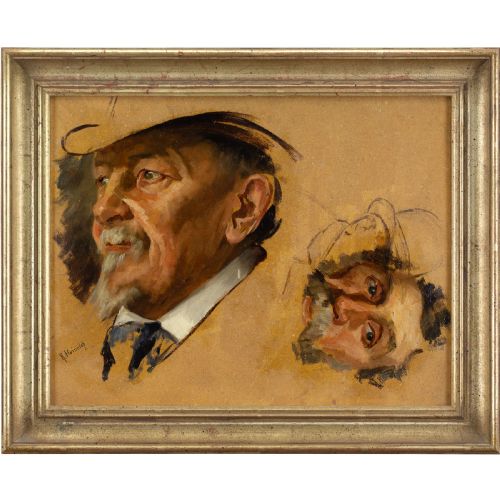
The selections on this page lean heavily towards seventeenth and eighteenth-century canvases, along with Victorian and later interpretations. Forms include framed oil paintings, pastel studies, and oil on board compositions reflecting Georgian, Baroque, and Regency aesthetics.
Representations vary from studio pieces and works by continental schools to individual portrayals by named artists. Each piece captures the distinct costume, status, and physiognomy of the sitter through traditional painting methods.
How they were made
Artists applied oil paint onto primed canvas or wooden panels, utilising layered pigments to build depth in garments, skin tones, and background shadows. Many surviving examples retain original giltwood frames that complement the scale and period of the painting.
Techniques range from the polished finish of court painters working in the manner of established masters to looser brushwork found in preliminary portrait studies and nineteenth-century realist canvases.
Listings feature works spanning the seventeenth to the twentieth centuries, utilising oil paint on canvas and wood.
What varies in quality
The distinction between works rests upon the precision of facial rendering and the psychological depth captured in the sitter's expression. Superior examples display confident brushwork in complex fabrics such as lace ruffs, velvet cloaks, and embroidered doublets.
Preservation of the original paint surface and canvas tension heavily influences the standing of a piece. Works retaining their untouched seventeenth or eighteenth-century character command greater appreciation than those burdened by heavy later repainting.
Charles Jervas·Jean Baptiste Van Loo·Thomas Murray·Sir Joshua Reynolds·Sir Peter Lely
The Male Portrait Fine Art Glossary
- Oil on canvas
- Pigments bound in a drying oil medium applied to a woven fabric support. This technique allowed artists to achieve subtle gradations of tone and rich colour.
- Giltwood
- Timber carved and surfaced with a thin layer of gold leaf. Frames executed in this material frequently date to the same period as the artwork.
- Pastel
- A medium consisting of powdered pigment combined with a binder and pressed into stick form. Works executed in this manner offer a matte, velvety texture.
- Old Master
- A term applied to European painters of skill working before the nineteenth century. These pieces often reflect distinct regional schools and historical movements.
Male Portrait Fine Art: Frequently Asked Questions
How do I identify the sitter?
Inscriptions on the canvas, stretcher, or accompanying documentation often record the name, title, or lifespan of the individual portrayed. Heraldic crests, specific military uniforms, or distinctive civic robes also provide clues to the sitter's identity.
Where direct naming is absent, comparison with known engravings, contemporary portrait miniatures, or historical records can help establish who is depicted.
What does attribution mean?
Attribution indicates that an expert has linked a painting to a particular artist based on stylistic similarities, brushwork, and historical context. Terms like studio of or circle of suggest the work was produced in close proximity to the master.
Such designations help place unsigned or lesser-documented works within the proper artistic lineage and period.
How should I hang an oil portrait?
Oil paintings on canvas require stable environmental conditions away from direct sunlight, excessive heat sources, and damp walls. Proper hanging involves securing the weight safely using appropriate wall fixings matched to the size of the giltwood frame.
Maintaining moderate room temperatures prevents the canvas and wooden stretcher from warping over time.
Are these works cleaned?
Many antique portraits retain layers of aged varnish that impart a warm, golden tone characteristic of centuries past. Professional conservation sometimes involves removing discoloured varnish to reveal the original pigment relationships.
Buyers should examine the surface condition closely to understand the extent of any previous restoration work.