


Antique Military Oil Portrait
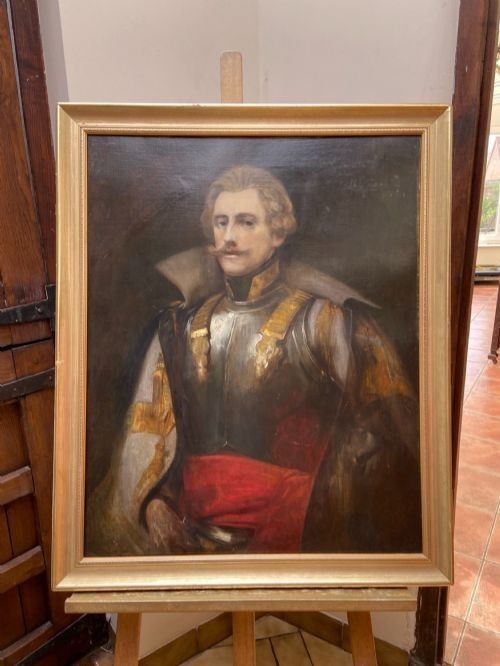
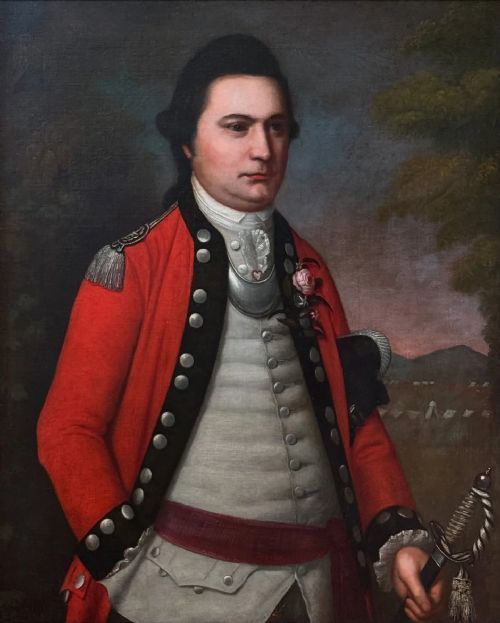
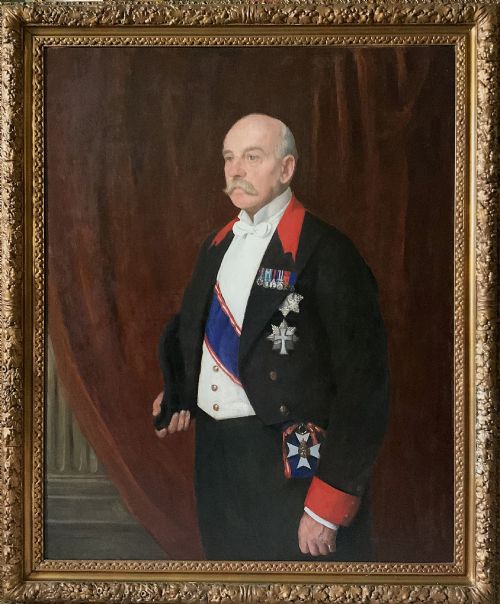
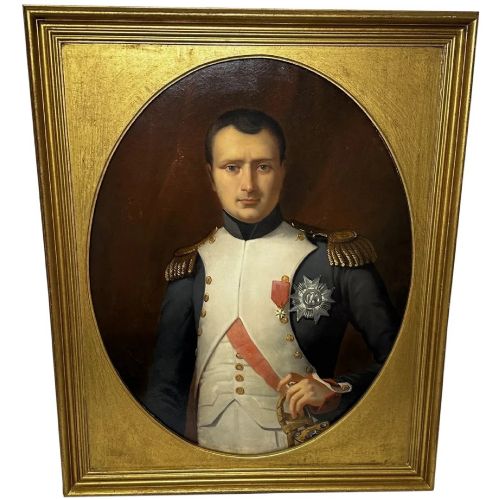
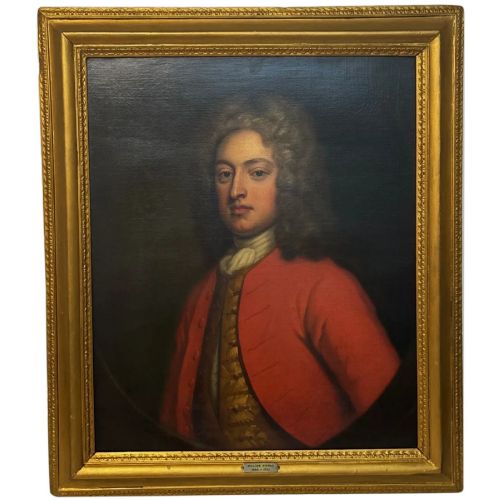
When you search for an antique military oil portrait, you are looking at historical canvas works depicting officers, soldiers, and generals in uniform or armour.
Antique Military Oil Portrait
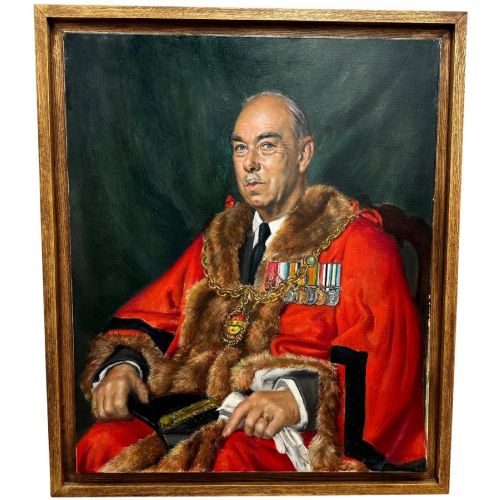
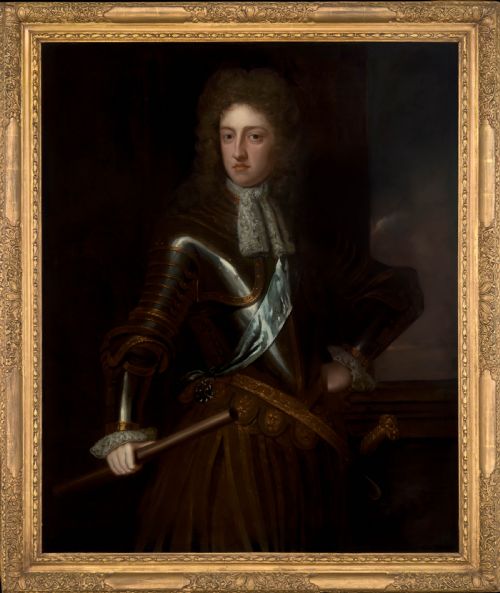
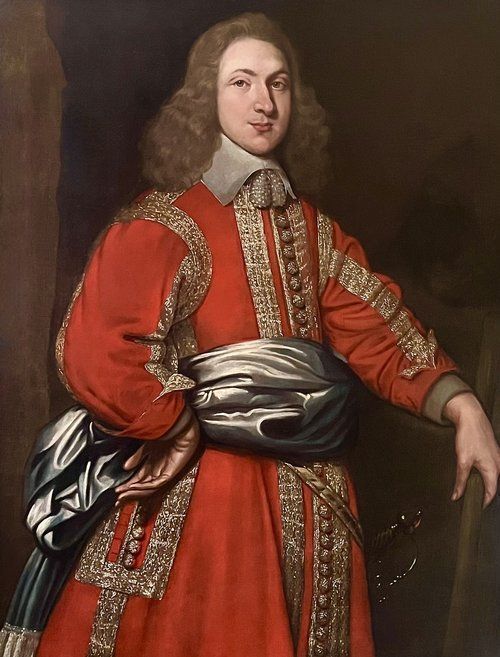
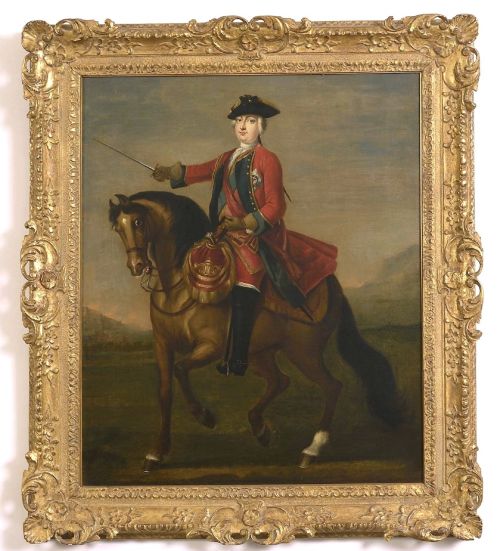
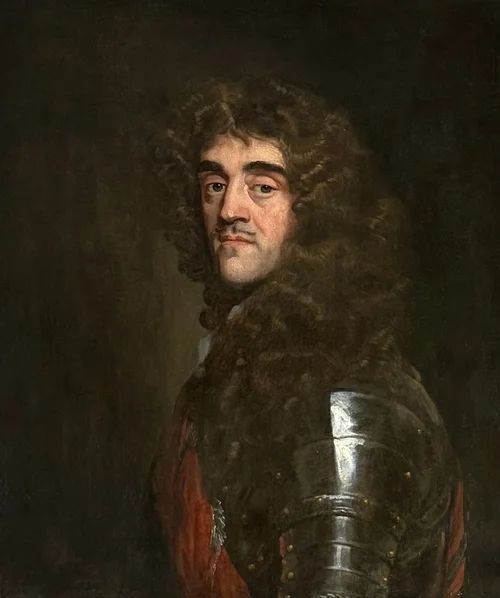
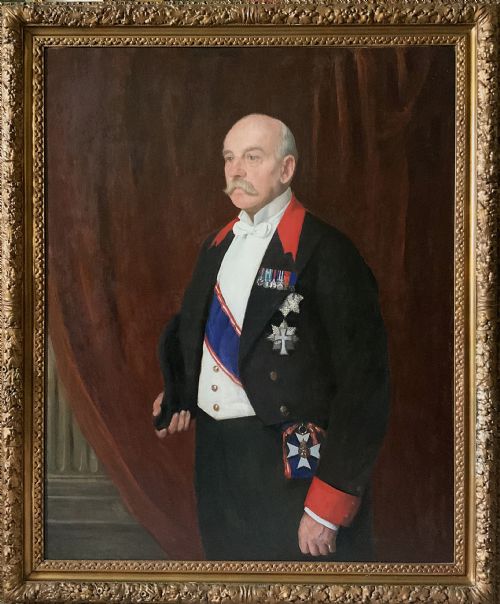
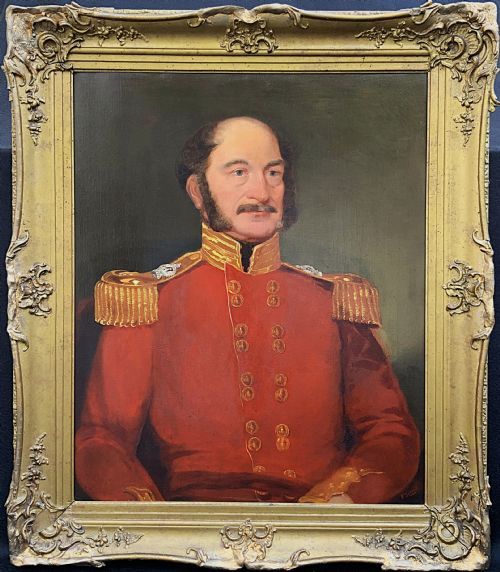
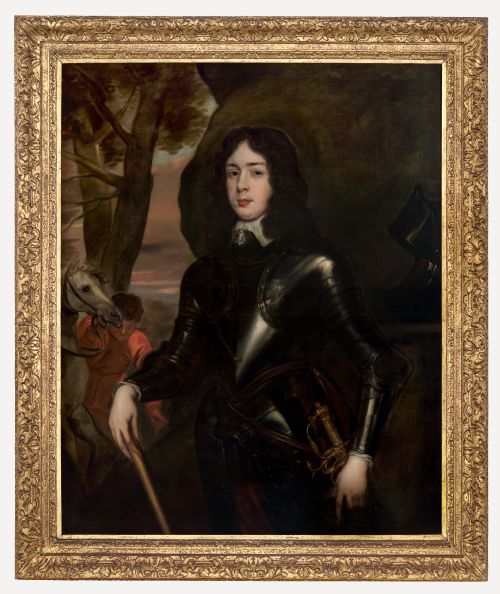
An antique military oil portrait captures commanders, cavalrymen, infantry officers, and naval figures across centuries of service. The subjects range from 17th-century cavaliers in full armour to Victorian red coat officers and 20th-century commanders.
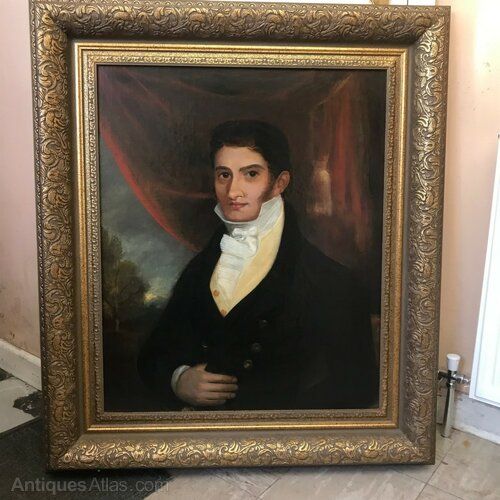
The works appear primarily as oil paintings on canvas, alongside smaller miniature painting formats and panels. These pieces document individuals of rank, regiments, and historical militia units from British, French, and European schools.
How they were made
Techniques span from studio output following established masters like Sir Anthony van Dyck and Sir Godfrey Kneller to regional realist and primitive approaches.
Listings feature works spanning from the 17th century to the 19th century, executed in oil on canvas with giltwood framing.
What varies in quality
Quality rests in the precision of the subject's likeness, the rendering of textile details such as wool tweed, red coats, or steel armour, and the anatomical accuracy of the figure. Master studio output and named artists demonstrate superior handling of light and shadow compared to provincial work.
The integrity of the canvas surface, the preservation of the oil paint layers, and the quality of the accompanying giltwood frame influence the overall standing of the piece.
Bernard Hailstone·Sir Godfrey Kneller·Stickland Lowry·John Wootton·Thomas Hudson·John Greenhill·Sir Anthony van Dyck·Nicolas De Largillière·David Scougall·Paul Leon Jazet·Ernest Crofts·William Carter
The Antique Military Oil Portrait Glossary
- Oil on Canvas
- A painting medium where pigments bound in drying oil are applied to a woven fabric support stretched across a wooden frame.
- Giltwood
- Wood that has been coated with a thin layer of gold leaf or gilt, commonly found on period picture frames.
- Cavalier
- A horse soldier or gentleman royalist supporter typically depicted in 17th-century armour and a red sash.
- Miniature Painting
- A highly detailed, small-scale portrait format executed on panel or ivory.
- Baroque
- An artistic style prevalent in the 17th and 18th centuries characterised by drama, rich colour, and grand scale.
Antique Military Oil Portrait: Frequently Asked Questions
How do I identify the rank of the officer?
Uniform details provide the primary clues to a subject's military standing. Red coats, ceremonial tunics, sashes, and specific patterns of armour indicate whether the sitter served as a general, cavalry officer, or infantryman.
Inscriptions on the canvas or frame often record the officer's name, regiment, and dates of service, linking the portrait to specific historical campaigns.
What periods are common for these portraits?
The works span from the 17th century through the Victorian era into the 20th century. Earlier examples frequently feature subjects in steel armour, while 18th and 19th-century works showcase distinct regimental uniforms and red coats.
Twentieth-century examples capture figures from the First and Second World Wars, maintaining the tradition of oil on canvas documentation.
Where should I hang a large oil portrait?
Large-scale works require a sturdy wall capable of supporting substantial timber stretchers and heavy giltwood frames. Rooms with stable humidity and away from direct sunlight protect the oil paint and canvas from degradation.
Generously proportioned spaces such as hallways, libraries, or living rooms suit monumental military paintings best.
Are frames usually original to the paintings?
Giltwood and gilded wood frames are often contemporary to the artwork, though replacements occur over centuries of ownership. Original frames match the aesthetic and period of the canvas, enhancing the historical context of the piece.
Examining the corner joints and gilding wear helps determine if the frame has stayed with the portrait since its creation.