


Ancestral Portrait Painting
An ancestral portrait painting brings the gaze of history directly into a room, connecting a modern interior with earlier generations of sitters.
Ancestral Portrait Painting
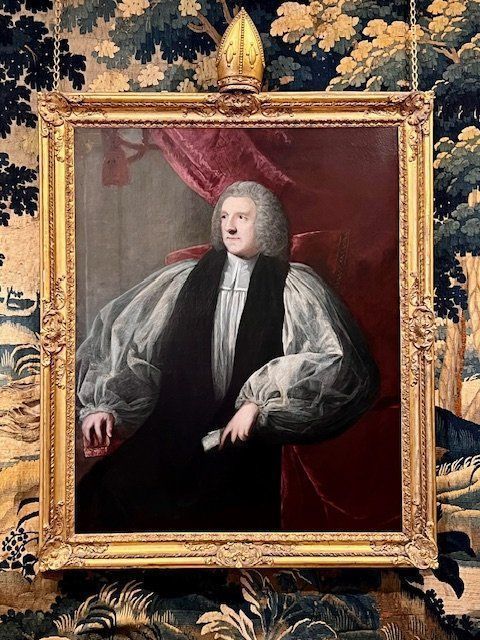
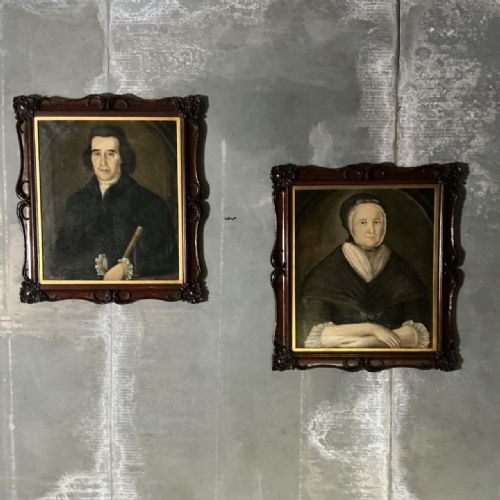
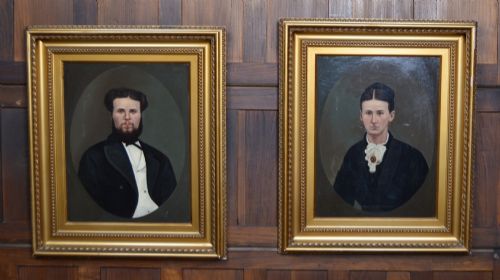
An ancestral portrait painting captures individuals and families from past centuries, offering a tangible link to previous eras through likeness and attire. These works span several hundred years, with the nineteenth century and the Georgian period forming the core of what appears here.
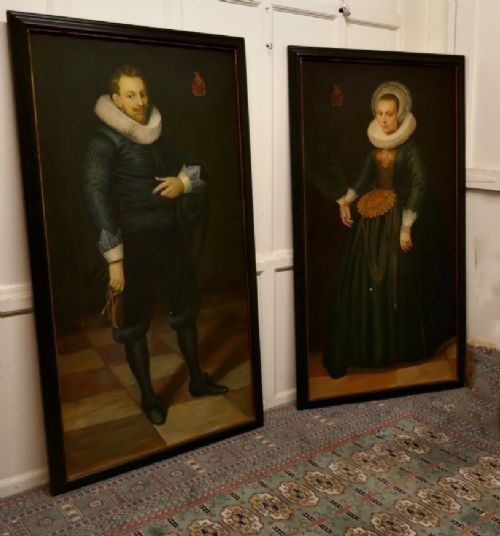
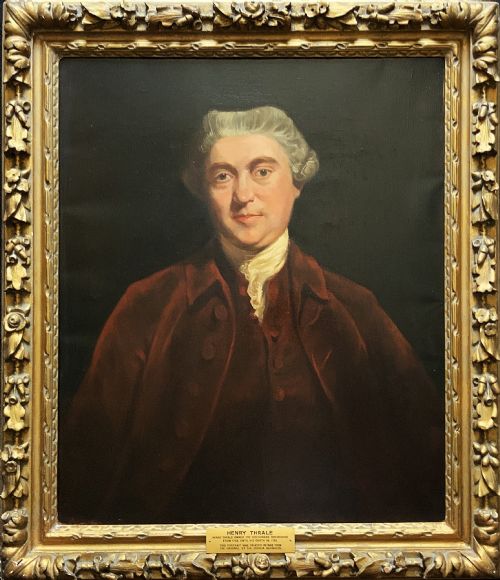
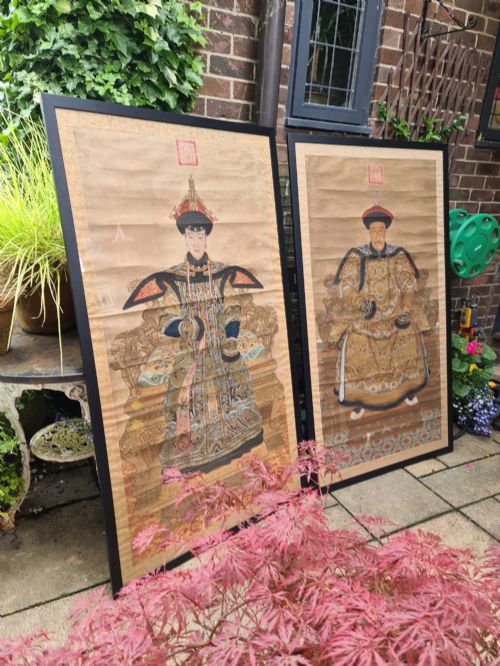
The assortment includes single figures in oil on canvas alongside pairs and group compositions, often set within period frames of giltwood and gesso. Alongside British and European schools, Chinese ancestral scrolls and Qing dynasty examples broaden the geographical scope of the tradition.
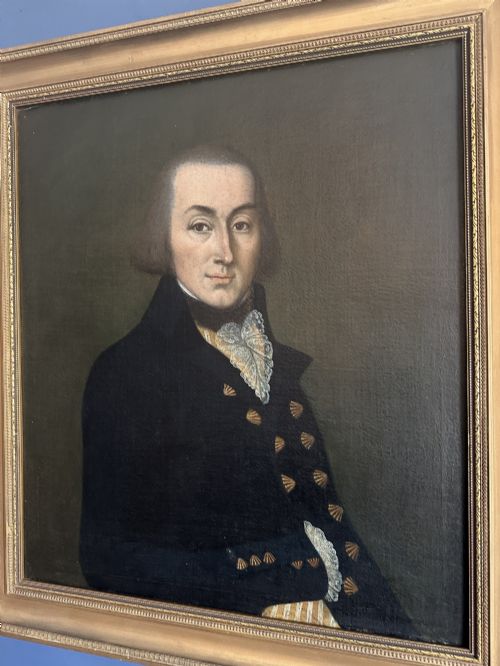
Most pieces date from the eighteenth and nineteenth centuries, reflecting the British and European desire to record lineage and status. Buyers encounter everything from intimate oil paintings of gentlemen in naval jackets to large formal canvases linked to well-known artistic circles.
Judging quality
The strength of an ancestral portrait painting rests upon the skill of the brushwork in the face and hands, where the sitter's character and presence must emerge from the canvas. Superior works display a confident handling of light and shadow, particularly in the rendering of textiles and expression.
Condition also plays a central part, as original surfaces untouched by heavy restoration hold greater appeal than heavily reworked canvases. The preservation of the period frame, whether gesso or carved giltwood, adds significantly to the integrity of the piece.
Listings feature works spanning the 17th century through to the 1960s, executed in oil on canvas, wood, and vinyl canvas.
Sir Joshua Reynolds P.R.A.·Thomas Beach·Michael Dahl·Cornelis Van Der Voort
The Ancestral Portrait Painting Glossary
- Oil on canvas
- A painting technique where pigmented oil paint is applied to a woven fabric stretched across a wooden frame. This method became standard for portraiture due to its durability and capacity for rich colour blending.
- Giltwood
- Wood carved and coated with a thin layer of gold leaf or metallic powder. It is commonly found on traditional picture frames from the eighteenth and nineteenth centuries.
- Gesso
- A plaster mixture used as a smooth base on wooden frames before gilding. It allows craftsmen to carve intricate relief ornamentation.
- Regency
- The period in British history from 1811 to 1820, characterised by a distinct neoclassical aesthetic in art and furnishings. Portraits from this era often feature restrained elegance and specific sitter attire.
- Qing Dynasty
- The final imperial dynasty of China, lasting from 1644 to 1912. Ancestor portraits from this tradition serve ritual and commemorative functions distinct from European oil painting conventions.
Ancestral Portrait Painting: Frequently Asked Questions
How do I date an old portrait?
Dating relies primarily on the style of the sitter's clothing, hair and collar, which changed rapidly across decades. The construction of the canvas stretcher and the profile of the frame also provide clear chronological markers.
Expert attributions often depend on recorded signatures, sitter inscriptions, or stylistic comparisons with known works from specific British and European schools.
Where should I hang a large portrait?
These works demand substantial wall space and benefit from placement in principal rooms where natural light avoids direct glare on the canvas. High-ceilinged hallways and dining rooms traditionally accommodate the scale of these paintings.
Ensure the wall maintains a stable temperature away from direct heat sources to protect the oil paint and wooden frame over time.
What is the difference between British and Chinese ancestral portraits?
British works typically employ oil paint on canvas within ornate giltwood frames, focusing on individual likeness and naturalistic depth. They reflect Western portraiture traditions of the Georgian and Victorian eras.
Chinese ancestral scrolls utilise different pigments and paper or silk supports, created for commemorative ancestor worship rather than decorative display. Their composition follows strict traditional formats and frontal poses.
Are original frames important?
Original frames provide historical context and ensure the painting retains its intended visual boundary. A period giltwood or gesso frame that matches the age of the canvas enhances the overall integrity of the piece.
While frames can be replaced, finding a portrait with its original housing is preferred by collectors who value untouched provenance.