


Neoclassical Portrait Painting
Neoclassical portrait painting brings the measured restraint and classical grace of the eighteenth and nineteenth centuries directly onto canvas.
Neoclassical Portrait Painting
Neoclassical portrait painting captures sitters with a classical dignity rooted in the eighteenth and nineteenth centuries. You will encounter works originating from French, Italian, German, and Austrian schools, alongside English pieces.
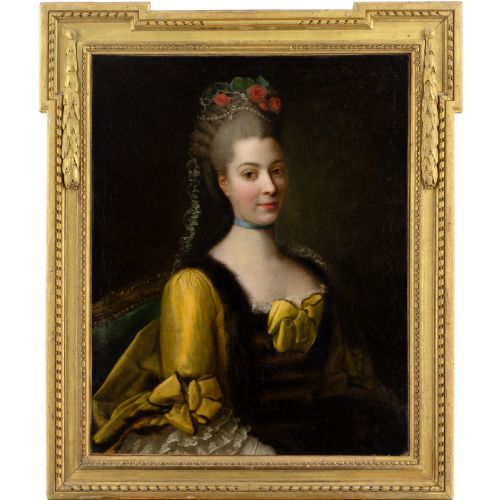
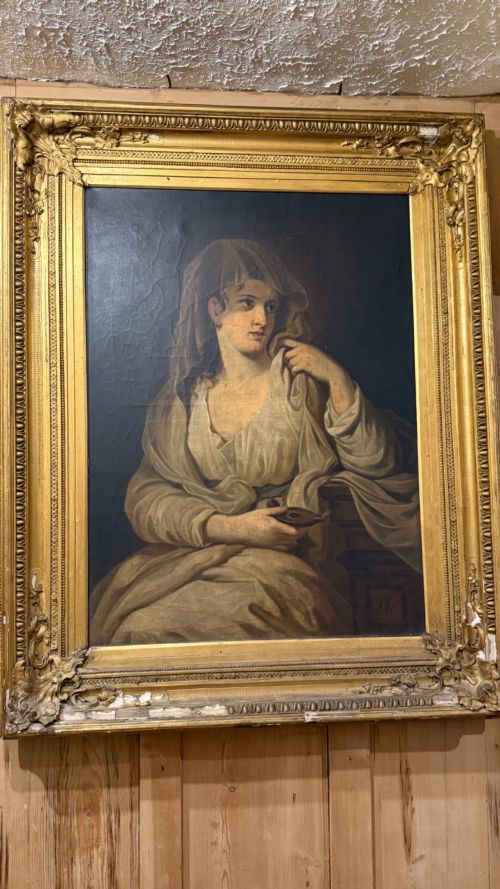
The selections span oil on canvas, oil painting on board, and watercolour. Subjects range from elegant women in yellow or white dresses to gentlemen and children, often rendered within period frames.
Many of these works reflect revival movements like Louis XVI style, bringing formal composition and antique-inspired drapery into domestic interiors.
Materials and technique
Artists built these portraits using oil on canvas or board, applying paint with precision to delineate fabrics like silk and lace. Giltwood and wood provided structural support through elaborately moulded picture frames.
Watercolour on paper also appears, offering a lighter touch for intimate miniatures and studies after larger salon works. Enamel and glass frequently complement smaller portrait items associated with the period.
Several portraits feature inquisitive spaniels and tiger cowrie shells sitting quietly beside their human counterparts.
Assessing quality
Quality rests primarily on the surety of the brushwork and the psychological depth captured in the sitter's expression. Finer works demonstrate a confident handling of light across drapery and flesh.
The integrity of the original support, whether canvas or panel, alongside the preservation of the paint surface, distinguishes superior examples. Associated period frames with original gilding also elevate a piece.
Louis Léopold Boilly·John Barry·Elisabeth Vigee Le Brun·John Russell·Francis Alleyne·Angelica Kauffman
The Neoclassical Portrait Painting Glossary
- Neoclassical
- A style drawing inspiration from the classical art and culture of ancient Greece and Rome. It prioritises balance, proportion, and restraint.
- Giltwood
- Wood carved and coated with gold leaf or a gold-coloured metallic finish. It is commonly found on period picture frames.
- Oil on canvas
- Pigment suspended in a drying oil applied to a stretched woven fabric support. This was the primary medium for formal portraits.
- French School
- A classification for artworks produced by artists trained or working within the French artistic tradition. It often reflects prevailing continental tastes.
- Portrait miniature
- A small, highly detailed painting executed on materials such as paper, vellum, or enamel. These intimate works were frequently kept as personal mementos.
Neoclassical Portrait Painting: Frequently Asked Questions
Where should I hang a neoclassical portrait painting?
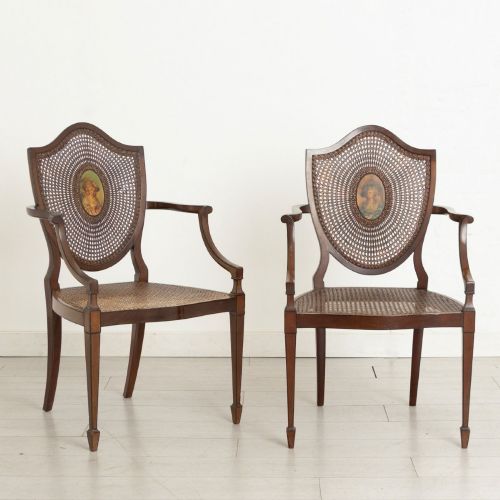
These works suit formal reception rooms or studies where traditional period decor prevails. Pair them with antique wooden furniture to echo their historical origins.
Ensure the painting avoids direct sunlight to protect the oil pigments and paper elements from fading over time.
How do I identify a period frame?
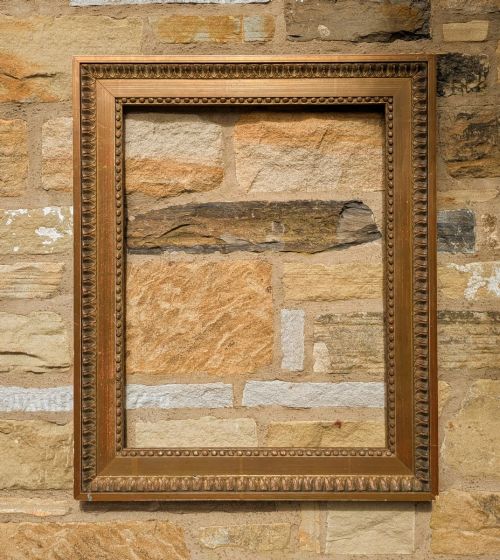
Period frames often feature hand-carved details such as egg and dart or beaded mouldings finished in gilt wood. Examine the back of the frame for signs of age in the timber.
Original frames complement the canvas and contribute significantly to the overall historical integrity of the artwork.
What subjects are typical in these paintings?
Sitters include elegant ladies in classical dresses, gentlemen, children, and literary figures. Artists frequently included symbolic props like books, letters, or pets.
Some compositions record specific historical personages or serve as intimate studies after larger academic paintings.
How do I care for an antique oil painting?
Keep the painting in a stable environment away from excessive humidity and temperature fluctuations. Dust the surface gently with a soft, dry brush without applying pressure.
Avoid using liquid cleaners or chemical solvents on the paint surface or the gilded frame.