
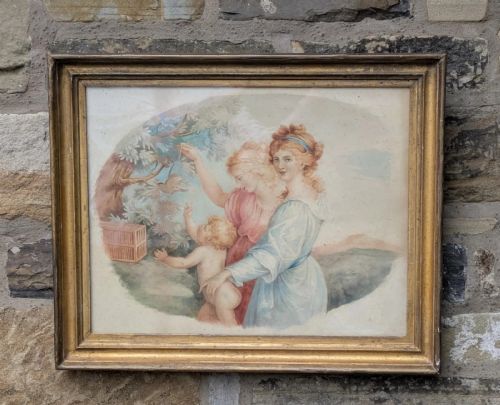


18th Century Lady Picture
These 18th century lady picture examples capture aristocratic elegance through period portraiture, offering collectors intimate glimpses of Georgian fashion and society.
18th Century Lady Picture
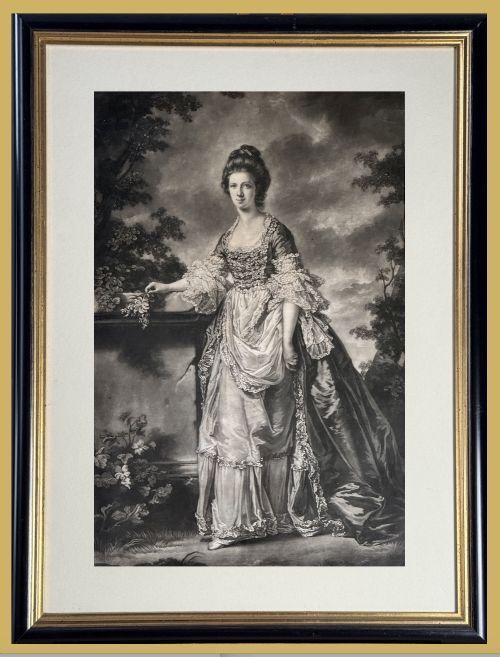
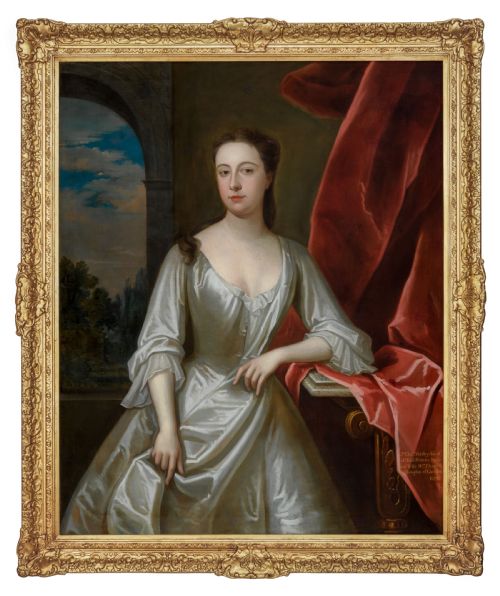
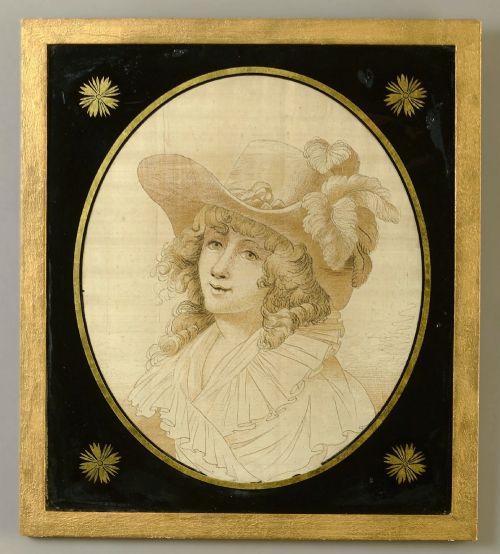
An 18th century lady picture encompasses framed visual depictions of female subjects from the Georgian era, ranging from grand oil paintings to delicate miniatures. The pieces appearing here span the eighteenth and nineteenth centuries, capturing notable figures and anonymous sitters alike.
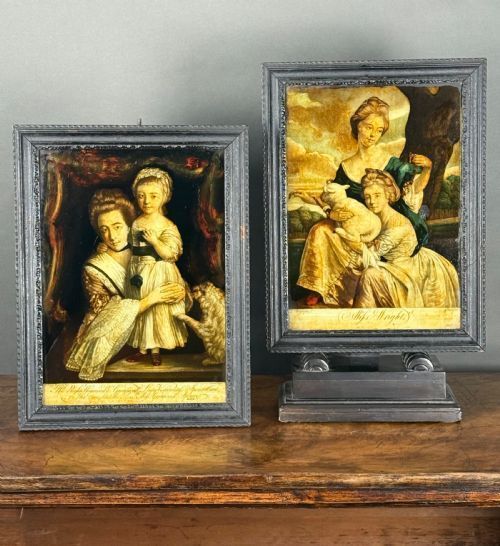
Buyers encounter diverse artistic mediums including oil on canvas, woven silk, watercolour, pastel, and reverse glass prints. Styles move from British Baroque through Georgian portraiture to Neoclassical compositions, reflecting the evolving tastes of the period.
Subjects range from named aristocrats such as Lady Elizabeth Shirley and the Duchess of Devonshire to graceful pastoral scenes and classical compositions. Each format preserves the dress, hair, and societal presentation characteristic of high life during the 1700s and early 1800s.
Materials and Techniques
Artists of the period applied oil paint to prepared canvas or created intimate portrait miniatures on delicate surfaces, often housed in protective glass. Reverse glass prints required transferring a mezzotint or engraving onto glass before applying oil paints and gold leaf from behind to achieve luminous depth.
Object types represented in the collection include oil paintings, portrait miniatures, textile artworks, watercolour paintings, framed prints, and reverse glass prints.
Factors That Determine Quality
The condition and originality of the surrounding frame, whether giltwood or plain wood, significantly affect the piece's integrity. For reverse glass prints and miniatures, the clarity of the underlying print and the preservation of delicate pigments dictate desirability.
Sir Godfrey Kneller·Sir Joshua Reynolds RA·John Raphael Smith·Nathaniel Hone·Richard Cosway
The 18th Century Lady Picture Glossary
- Reverse glass print
- An image transferred onto glass and hand-coloured from the reverse side using oil paint and gold leaf. This technique creates a distinctive glossy finish popular during the Georgian period.
- Portrait miniature
- A small, highly detailed painting executed on ivory, vellum, or paper. These intimate works were often designed to be worn as jewellery or kept in protective leather cases.
- Pastel portrait
- An artwork created using dry pigment sticks blended on tinted paper. The medium yields velvety textures and delicate skin tones favoured for society portraits.
- Mezzotint
- A printmaking process of the intaglio family that allows half-tints to be produced without line work. It was frequently employed to reproduce popular oil paintings for wider distribution.
- British Baroque
- An artistic style characterised by grandeur, drama, and rich ornamentation. It dominated British portraiture in the late seventeenth and early eighteenth centuries.
18th Century Lady Picture: Frequently Asked Questions
How do I identify an 18th century portrait?
Look closely at the costume, hair styling, and framing materials characteristic of the Georgian period. Sitters often wear powdered wigs, stiff corsetry, or elaborate silk gowns.
Examination of the reverse side of the panel, canvas, or glass can also reveal period inscriptions, maker marks, or old framing techniques that confirm the age of the piece.
What is a reverse glass print?
A reverse glass print is an engraved or mezzotint image transferred onto a glass sheet and hand-painted from behind. This method protects the pigments from dust and moisture while imparting a brilliant sheen.
Artists utilised metallic leaf behind the glass to highlight jewellery and garments, creating a luminous effect unique to this decorative tradition.
How should I display antique portraits at home?
Hang these works away from direct sunlight to protect delicate watercolours, pastels, and woven silks from fading. Stable indoor humidity prevents wood frames and canvas supports from warping.
Pairing oil paintings with period giltwood frames enhances their visual weight, while smaller miniatures look best grouped together on panelled walls.
What is the difference between an oil painting and a pastel portrait?
Oil paintings utilise pigment suspended in drying oil applied to canvas or wood panels, offering rich colours and lasting durability. Pastels use dry powdered pigment pressed into sticks, resulting in a matte, chalky surface.
Pastel works require glass protection to prevent the loose pigment from smudging over time, whereas oil works typically remain open to the air.