
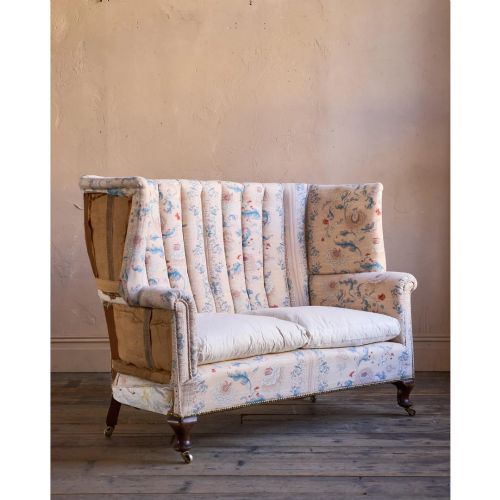
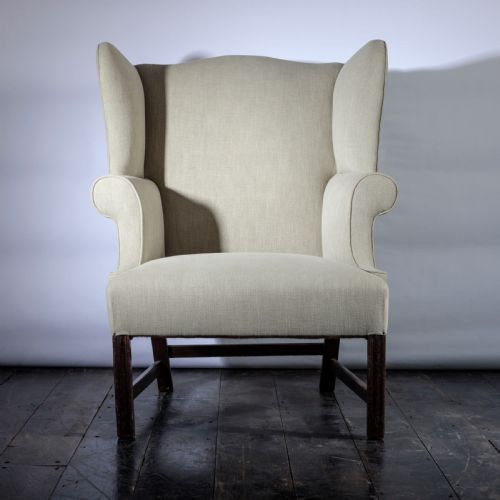
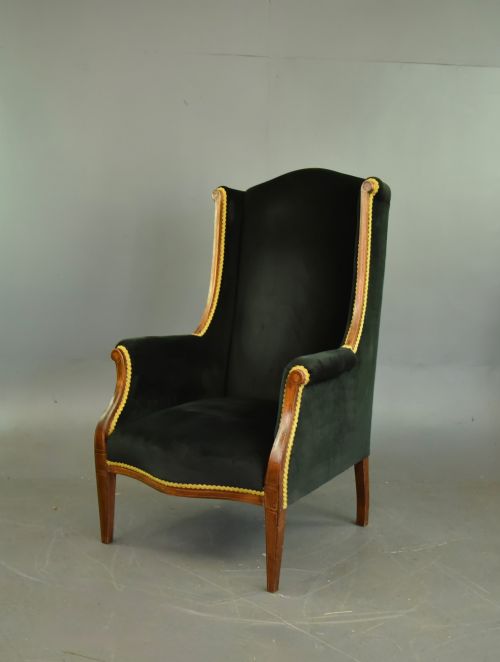
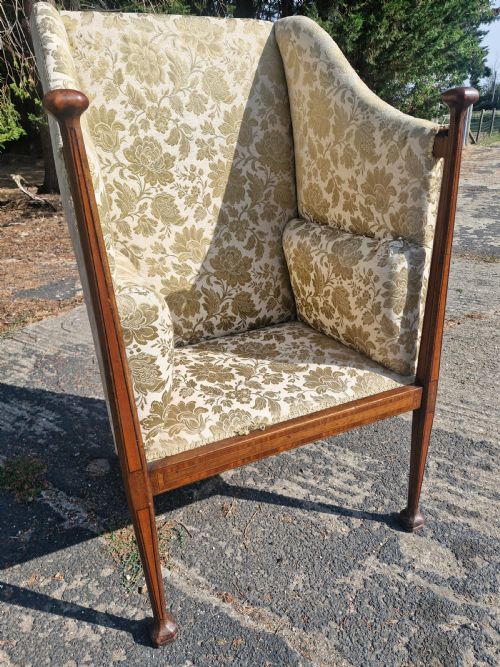
Mahogany Wing Chair
A mahogany wing chair offers deep-seated comfort and draught-excluding side panels that enclose the user beside a hearth.
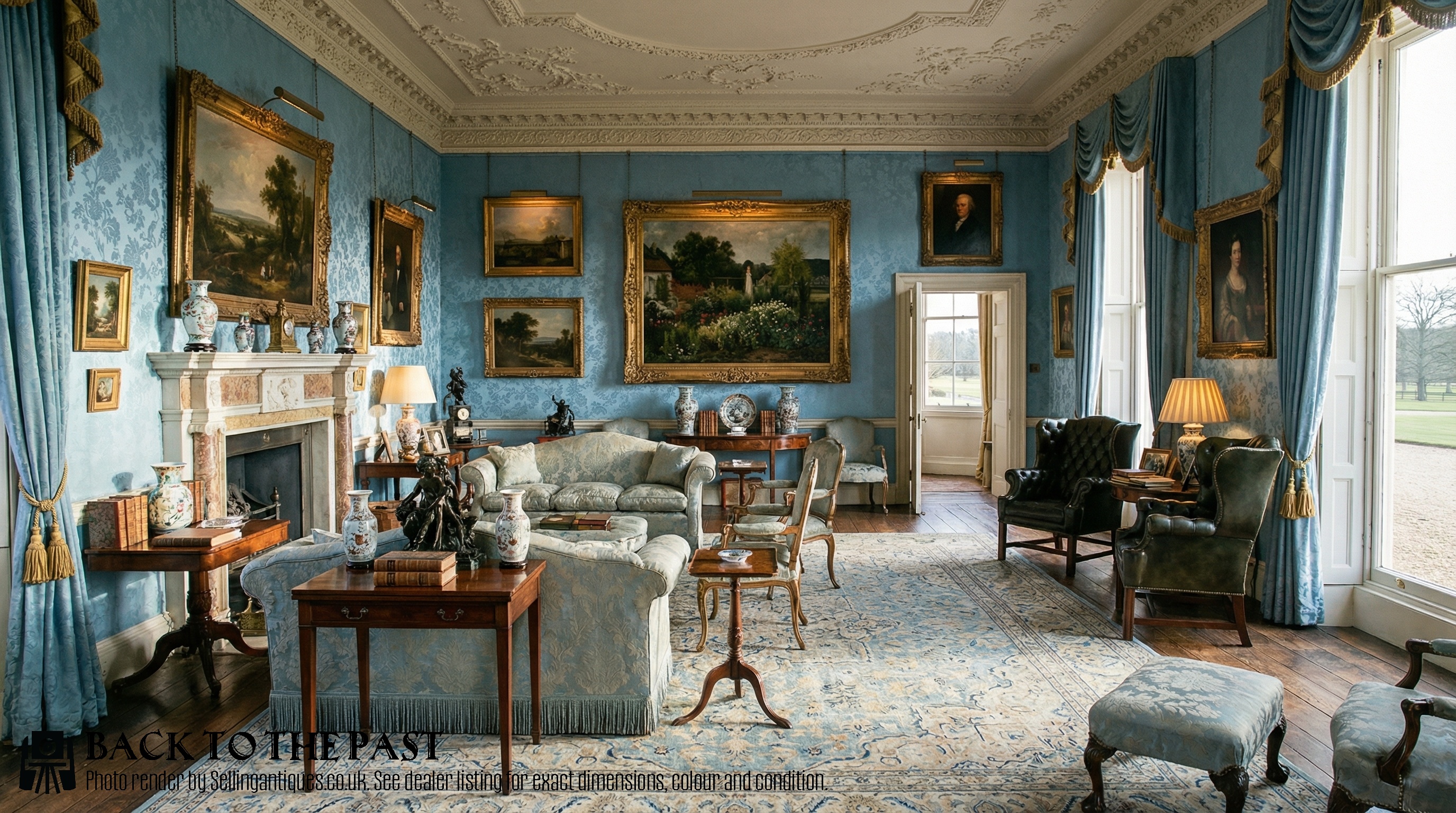
Mahogany Wing Chair
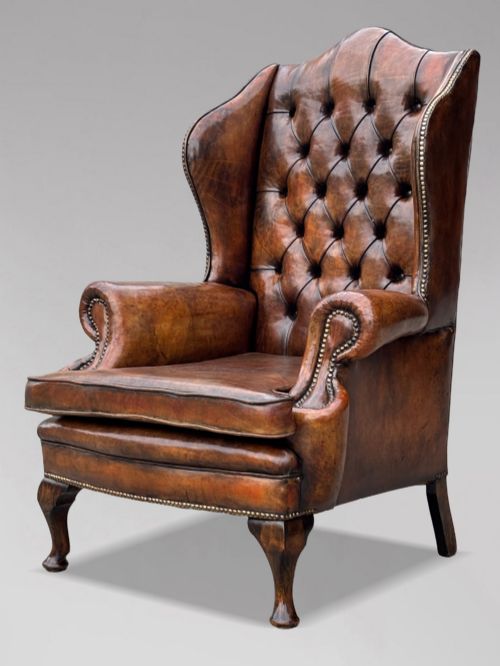
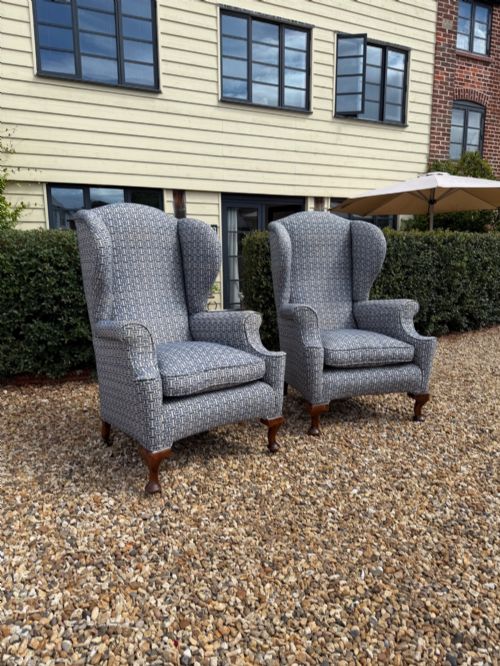
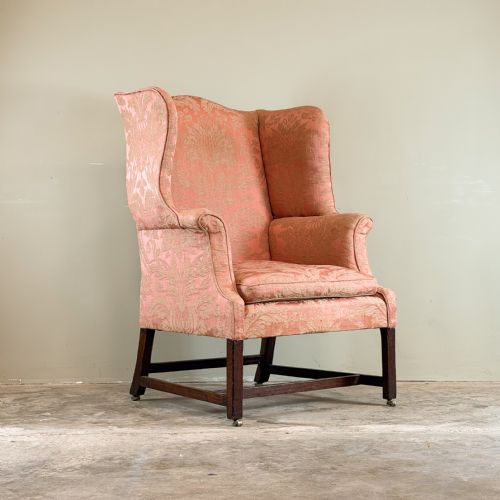
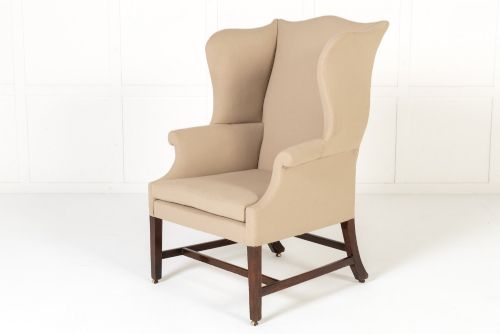
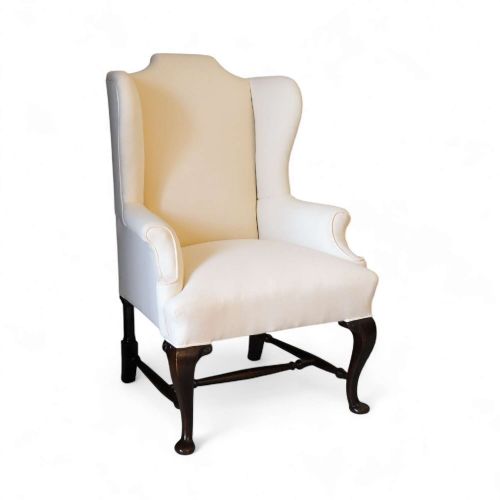
A mahogany wing chair is a heavily upholstered seat designed to protect the occupant from draughts, featuring distinctive side wings attached to the armrests. These pieces appear frequently from the 18th century and the Georgian period, alongside later revivals stretching into the 19th and early 20th centuries.
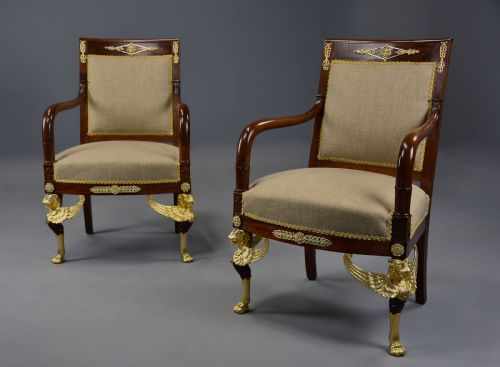
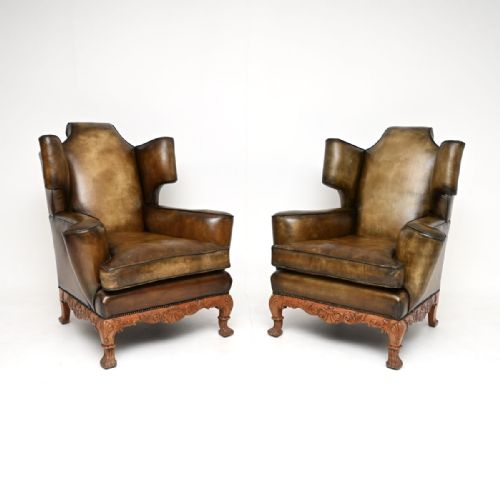
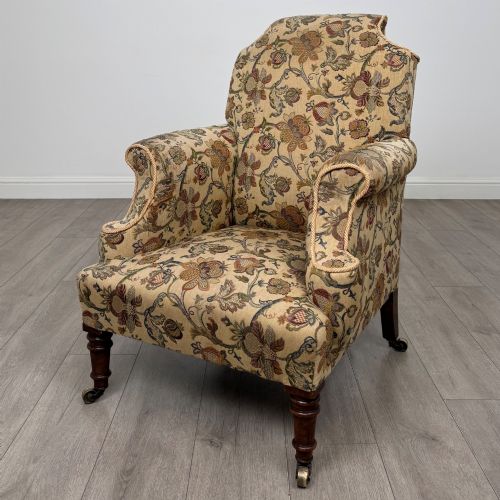
Buyers looking at this page encounter varying forms, from traditional barrel-backed seating to generous library armchairs and French Empire variants. Most examples balance a sturdy timber frame with expansive upholstered surfaces designed for prolonged sitting.
The aesthetic ranges from austere Georgian restraint to ornate Chippendale and Queen Anne revival styles. Variations in scale are common, with some workshops producing large library models and others crafting smaller drawing-room variants.
How they were made
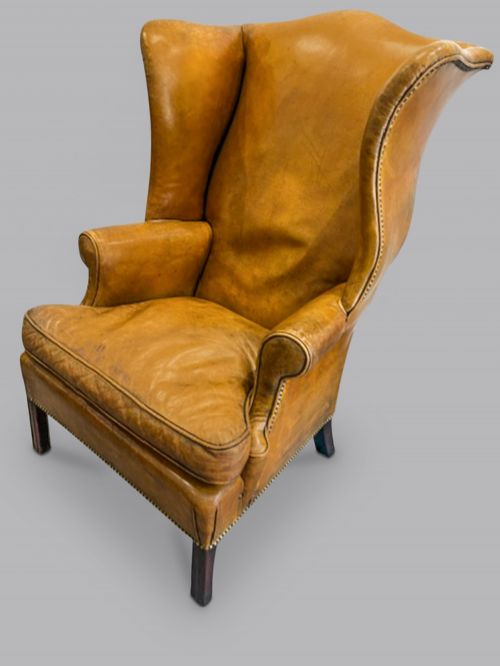
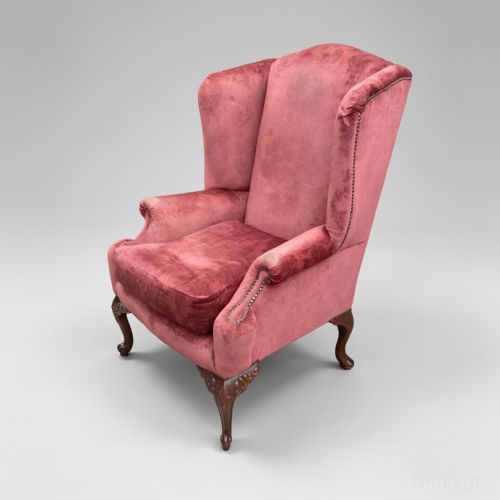
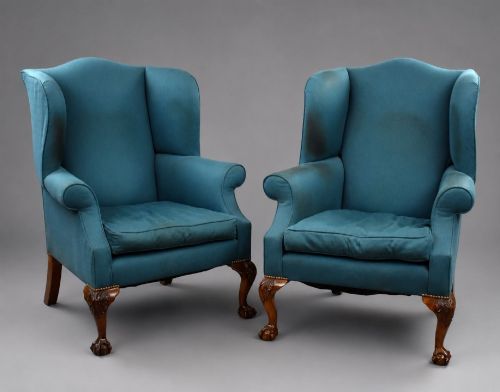
Makers constructed the structural framework using dense timber, predominantly selecting mahogany for its strength and rich grain. Legs often feature detailed carving, terminating in ball and claw or cabriole shapes.
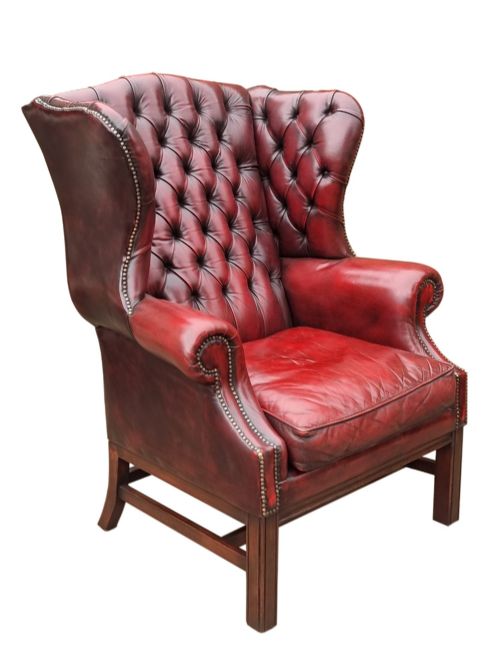
Upholstery methods evolved across periods, utilising traditional stuffing materials held in place by hessian and calico before applying top covers of leather, velvet, or woven fabric. Brass tacks frequently secure the hide or textile edges to the wooden rails.
Internal support relies on webbed bases and coil or hair stuffing, giving the chairs their characteristic resilience and shape.
Mahogany Wing Chair Retail Price Guide 2026
Typical asking prices for mahogany wing chair among the pieces listed under this phrase on Sellingantiques today, from the lower quarter to the upper quarter. They describe what is for sale here now, not the wider market.
Materials across the selection pair dense mahogany frames with diverse coverings including leather, velvet, calico, and hessian.
What varies in quality
The integrity of the original mahogany frame dictates the baseline worth, with hand-carved details and substantial timber scantlings marking out superior workshops. Proportion and balance in the rake of the back and the sweep of the wings reveal the confidence of the maker.
Upholstery choices reflect differing original budgets, ranging from simple calico staging to luxurious buttoned leather and heavy chenille twill. The crispness of carved cabriole legs and the retention of period brass detailing separate standard commercial production from exceptional commissions.
Howard And Sons·Whytock And Reid
The Mahogany Wing Chair Glossary
- Wingback
- An armchair featuring protective side panels attached to the arms to deflect cold air. These cheeks originated to trap warmth from an open fireplace.
- Cabriole leg
- A furniture leg that curves out and then narrows in, mimicking an animal limb. This form typically terminates in a pad, claw, or ball foot.
- Calico
- A plain-woven cotton fabric used as an under-upholstery layer. It holds the internal stuffing firmly in position before the decorative outer textile is applied.
- Barrel back
- A seating design where the curved backrest flows continuously into the arms in a single rounded enclosure. This format offers a particularly cocooning posture.
- Hessian
- A coarse woven fabric utilised for webbing and as a foundation layer for horsehair stuffing. It provides a durable base beneath the visible outer cover.
Mahogany Wing Chair: Frequently Asked Questions
How do I date a mahogany wing chair?
Dating relies on examining the timber species, leg profiles, stretcher arrangements, and the underlying construction methods of the frame.
Georgian and 18th-century examples display hand-carved details and specific joinery, whereas later Victorian and Edwardian pieces often incorporate revival styling cues.
Are these chairs comfortable for daily use?
These seats are built with deep proportions and substantial internal padding, making them well-suited for relaxing.
Many period pieces have been professionally reupholstered using traditional stuffing methods to ensure modern seating support.
What is the difference between Georgian and revival styles?
Original Georgian pieces possess the structural integrity and hand-worked joinery of their 18th-century manufacturing date.
Revival pieces, produced during the Victorian and Edwardian eras, imitate these earlier aesthetic forms while employing contemporary workshop practices of their own time.