

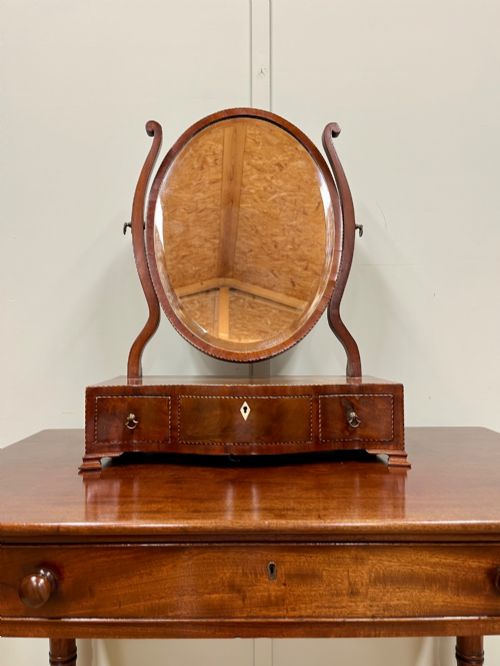
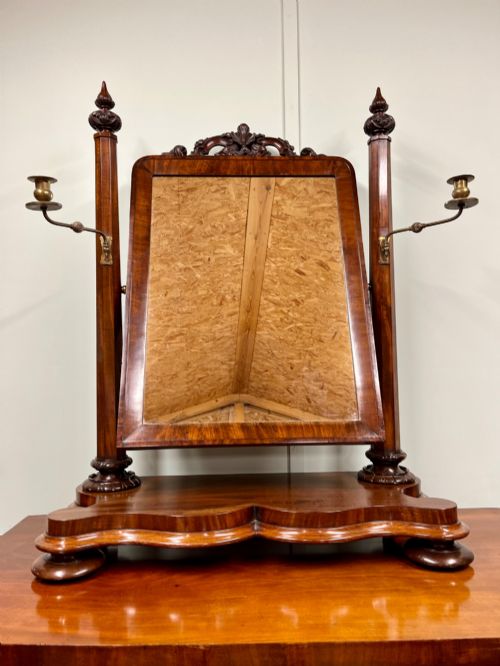
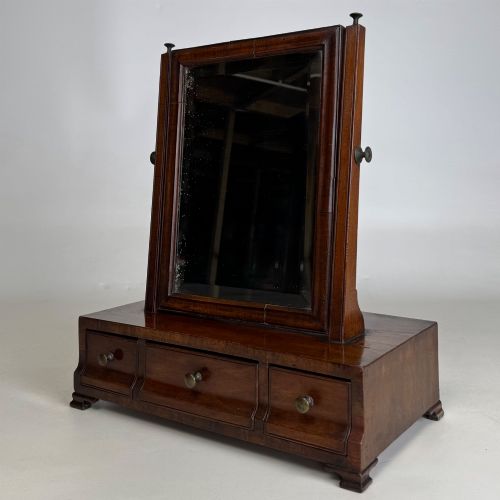
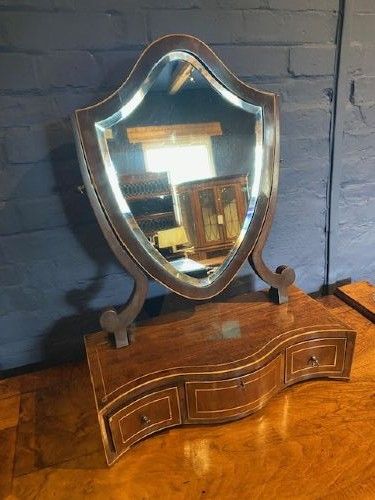

Mahogany Toilet Glass
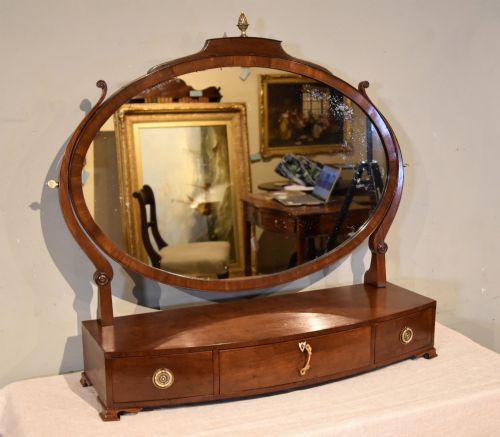
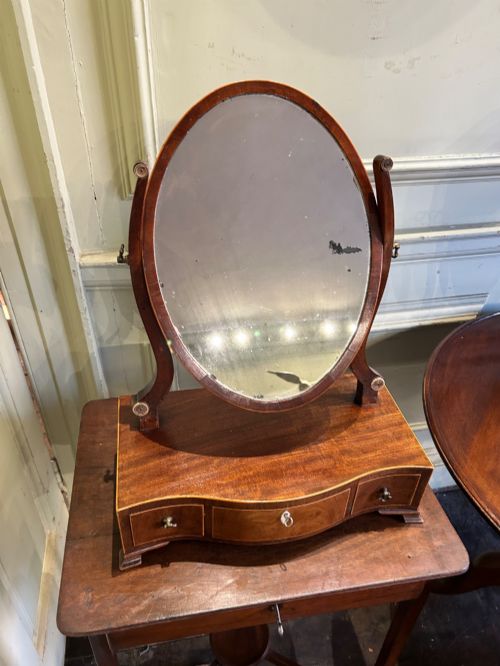
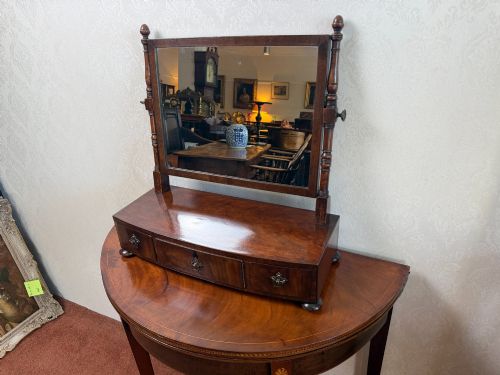
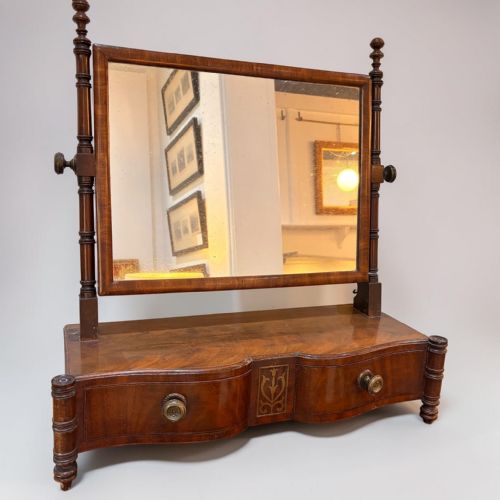
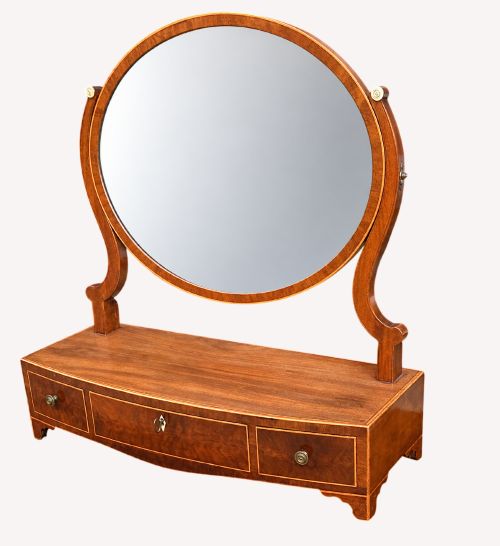
A mahogany toilet glass provides the perfect tabletop reflection, combining rich timber with traditional swing mirror glass.
Mahogany Toilet Glass
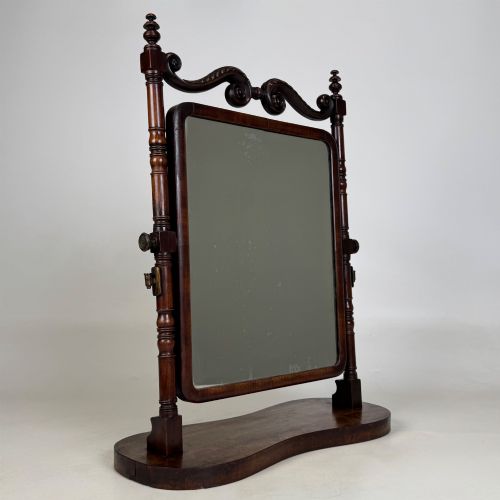
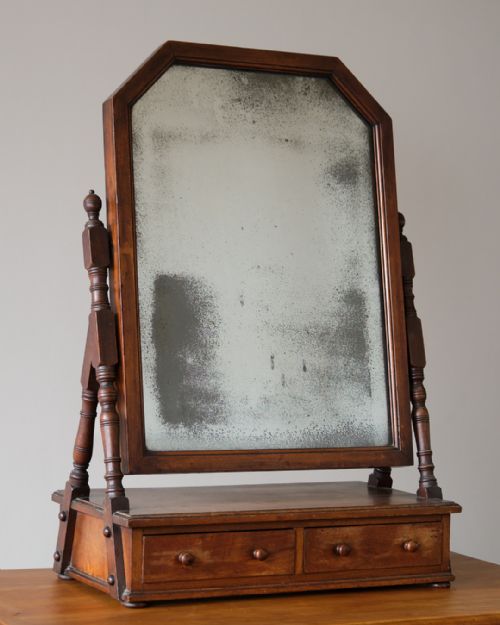
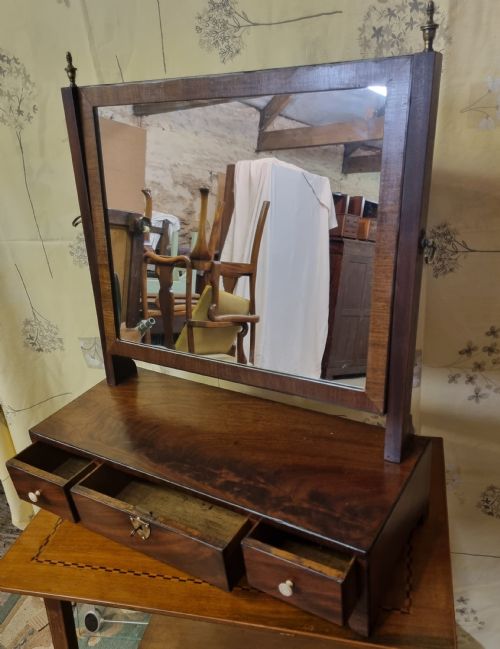
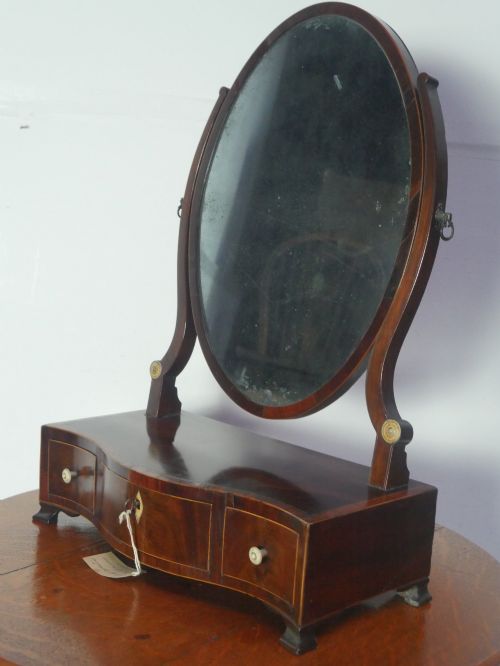
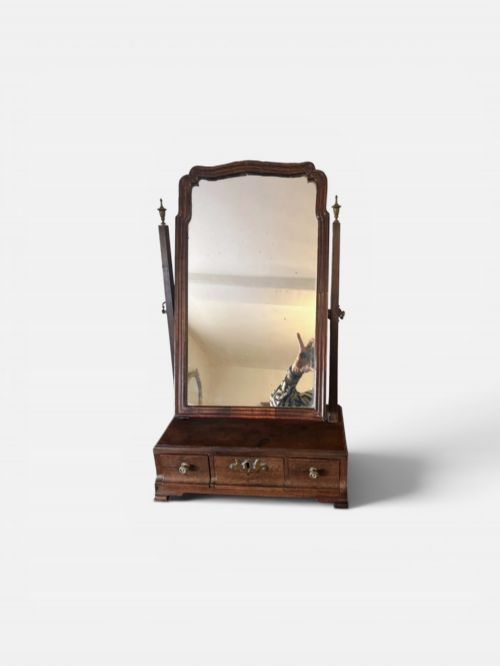
A mahogany toilet glass sits upon chests and tables, offering a functional dressing mirror for bedrooms and boudoirs. These pieces appear in forms such as swing mirrors, dressing table mirrors, and larger cheval mirrors.
The selection ranges across the eighteenth century and nineteenth century, taking in Regency, Georgian, and Victorian periods. Buyers frequently encounter styles influenced by Sheraton and Hepplewhite designs.
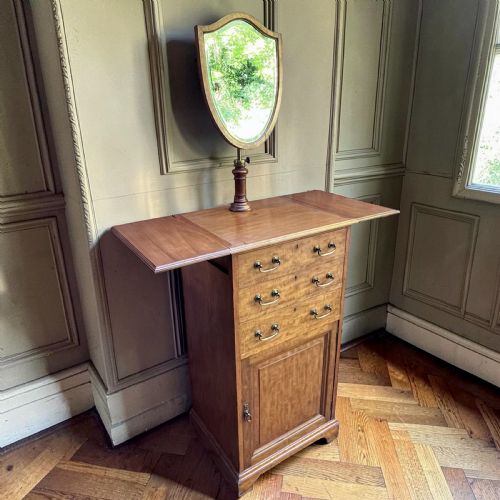
Examples recorded in the archive and current listings include serpentine shapes with shield glass plates alongside simpler rectangular swing mirrors. Scottish cabinet makers also contributed regional variations during the mid-nineteenth century.
How They Were Made
Cabinet makers constructed these mirrors using solid mahogany and mahogany veneers, frequently incorporating satinwood and satinwood inlay for decorative contrast. Supporting frames often feature brass hardware such as adjustment screws or small finials.
Makers utilised bone for subtle escutcheons or decorative details on the woodwork. The glass plate rests within a tilting frame supported by upright arms and sturdy box bases or feet.
Mahogany Toilet Glass Retail Price Guide 2026
Typical asking prices for mahogany toilet glass among the pieces listed under this phrase on Sellingantiques today, from the lower quarter to the upper quarter. They describe what is for sale here now, not the wider market.
Listings span the eighteenth and nineteenth centuries, featuring Georgian, Regency, and Victorian periods alongside Sheraton and Hepplewhite styles.
What Varies in Quality
Quality rests upon the selection of timber figures and the precision of satinwood inlay work across the frame and base. Finer pieces demonstrate superior joinery in the box drawers and balanced proportions in the upright supports.
The sophistication of the period style, from simple Georgian uprights to elegant Hepplewhite and Sheraton curves, defines the upper tiers of craftsmanship. Original brass fittings and well-preserved glass plates further distinguish better examples.
The Mahogany Toilet Glass Glossary
- Toilet glass
- A portable mirror designed for placement on a dressing table or chest of drawers. These pieces became essential bedroom furnishings during the Georgian and Regency periods.
- Swing mirror
- A glass plate mounted on pivots between two upright posts allowing the angle of reflection to tilt. This mechanism forms the core design of table and toilet mirrors.
- Cheval mirror
- A full-length freestanding dressing glass supported by four legs in a frame. The evidence includes both standard table mirrors and larger cheval formats.
- Satinwood inlay
- A contrasting light wood marquetry technique used to ornament dark mahogany surfaces. It appears on finer Sheraton and Regency pieces.
- Shield glass plate
- A mirror glass shaped into an inverted shield outline, popular in late eighteenth-century designs.
Mahogany Toilet Glass: Frequently Asked Questions
What is a toilet glass?
A toilet glass is a traditional tabletop dressing mirror used for personal grooming and styling. They sit comfortably on top of chests of drawers or dedicated dressing tables.
The term dates back to periods when the dressing area was referred to as the toilet. These pieces combine a movable mirror plate with a small box base often fitted with small drawers.
How do I date a mahogany mirror?
Dating relies on observing the timber quality, construction methods, and stylistic cues from periods like the Georgian and Victorian eras. Pieces from the eighteenth century often feature finer proportions and specific veneer work.
Hardware such as brass screw knobs and bone details also help indicate the manufacturing period. Stylistic influences like Sheraton or Hepplewhite provide further chronological markers.
Where should I place a table mirror?
These mirrors suit placement on top of antique or contemporary chests of drawers in bedrooms. Their compact footprint allows them to function effectively without taking up floor space.
They also work well on side tables in hallways or living spaces to reflect light and add period character. The tilt mechanism helps adjust the angle for any surface height.
What is the difference between a swing mirror and a cheval mirror?
A swing mirror is a smaller tabletop piece designed to sit on furniture. It pivots between two upright arms attached to a base.
A cheval mirror is a much larger freestanding floor mirror that allows a full-length view. Both formats utilise mahogany frames in the recorded pieces.