
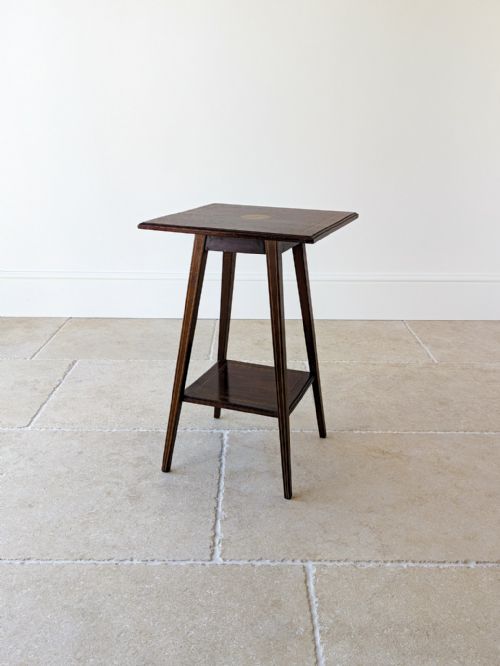
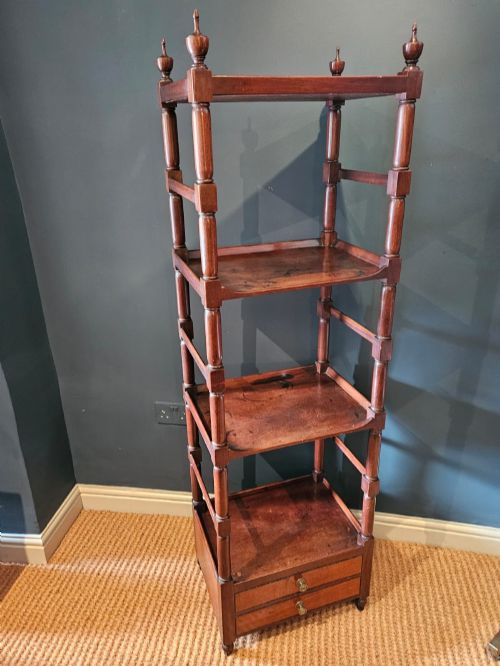
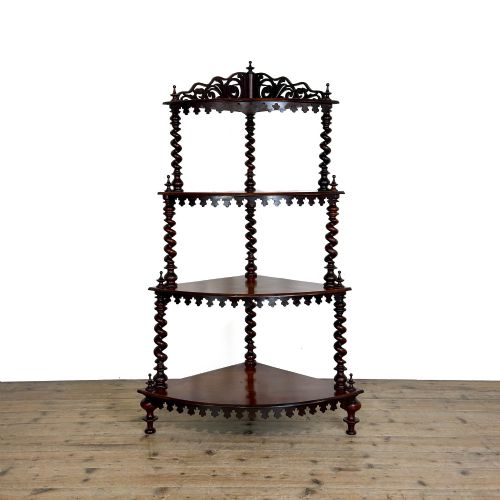
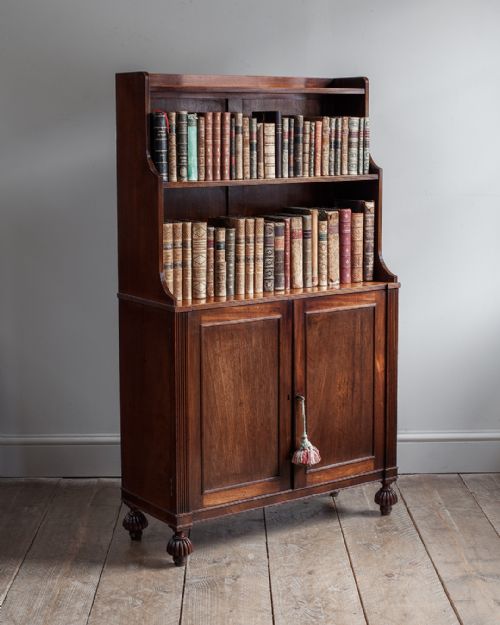

Mahogany Tier Display Stand
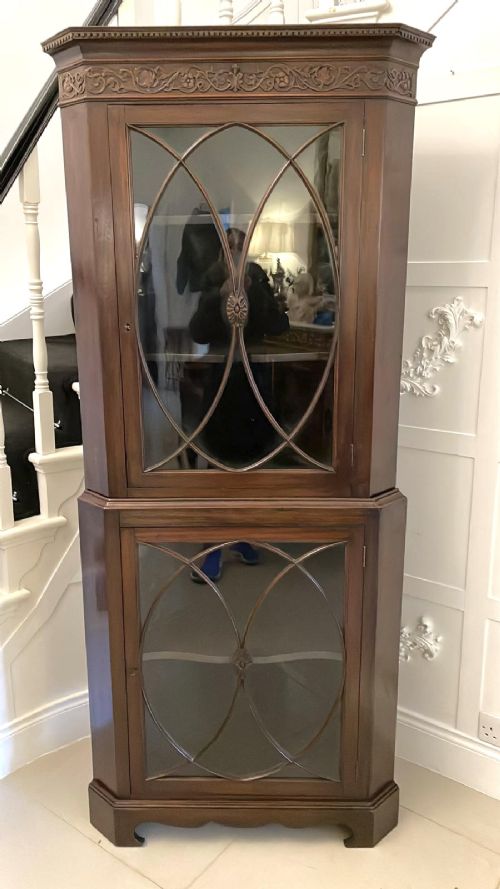
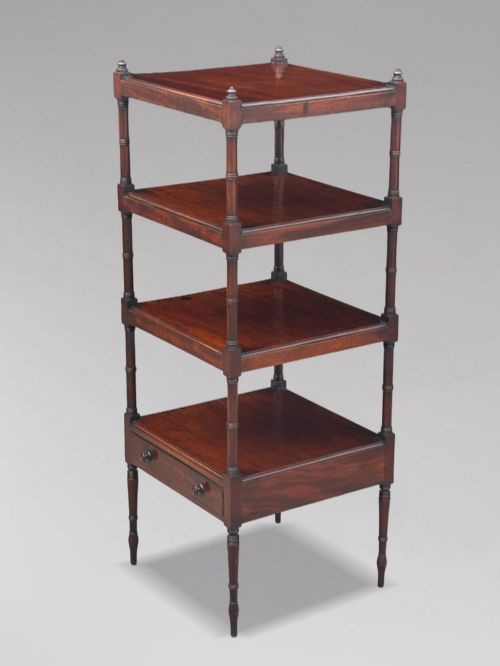
A mahogany tier display stand organises space with tiered shelving, offering a practical surface for display across multiple levels.
Mahogany Tier Display Stand
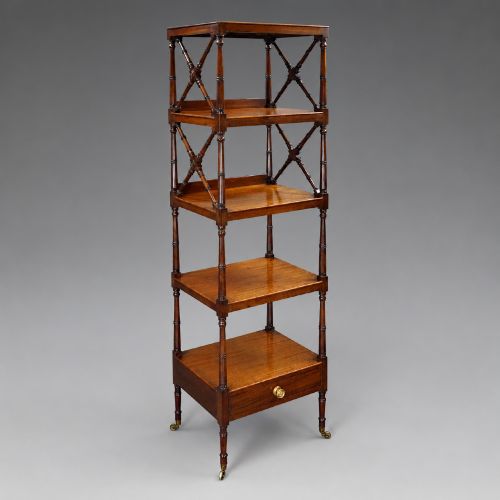
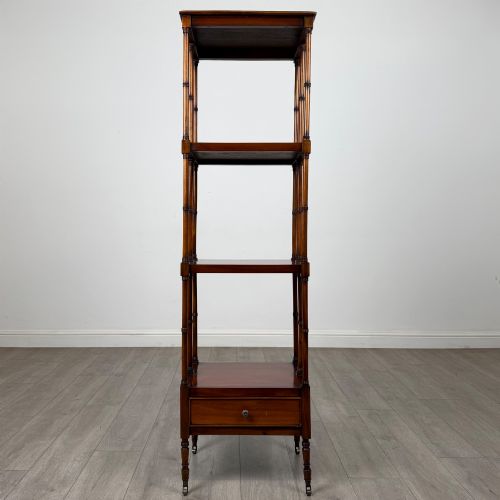
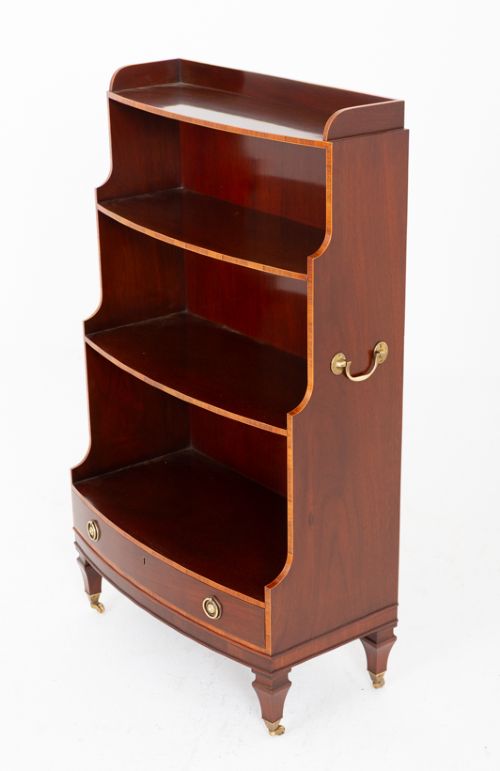
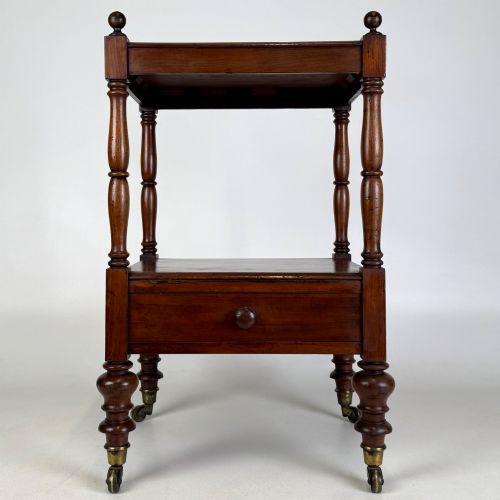
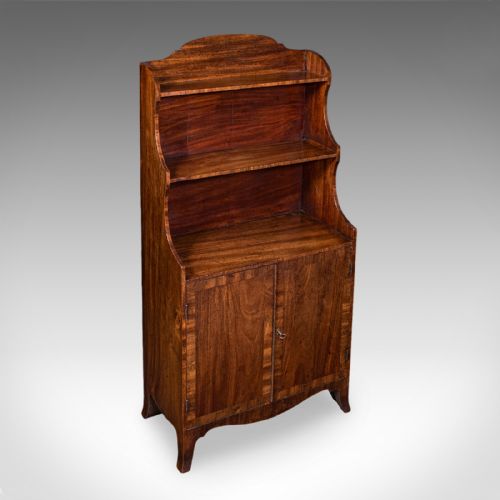
A mahogany tier display stand encompasses multi-level furniture forms such as whatnots, etagères, waterfall bookcases, and tiered corner units. These pieces emerge predominantly from the Georgian, Regency, Victorian, and Edwardian periods, serving as versatile storage and display furniture.
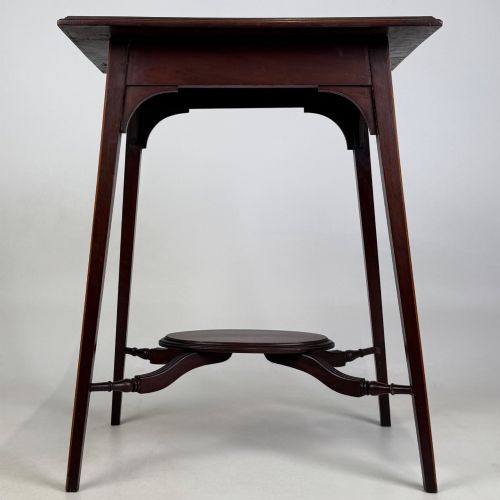
The most frequent variations encountered on this page include standard multi-tiered whatnots and open bookcases. These items range from simple three-tier open shelves to taller corner units and occasional side tables designed for domestic display.
Makers and craftsmen applied mahogany alongside secondary woods, occasionally incorporating brass details or glass elements to elevate the utility and visual weight of each tiered structure.
Materials and Construction
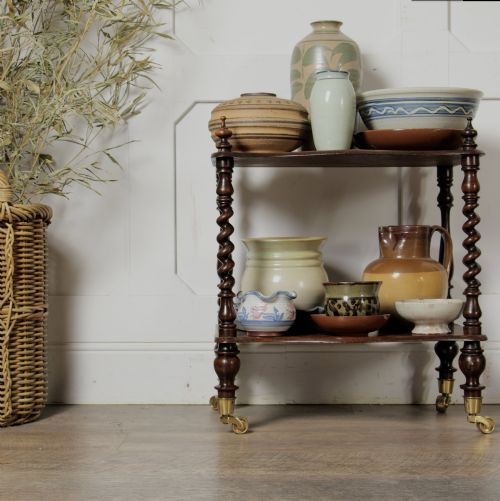
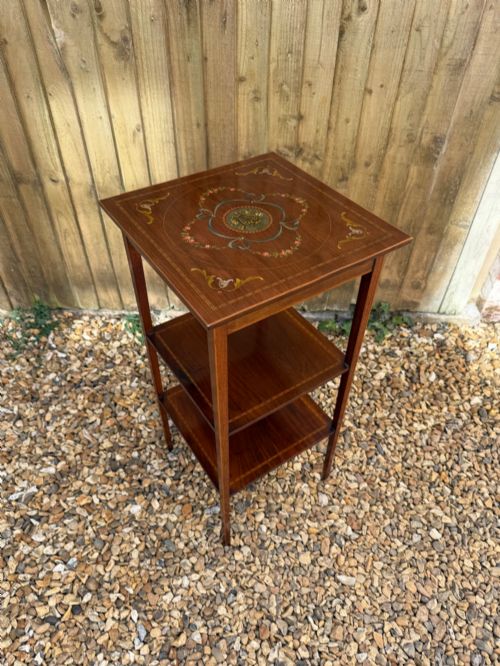
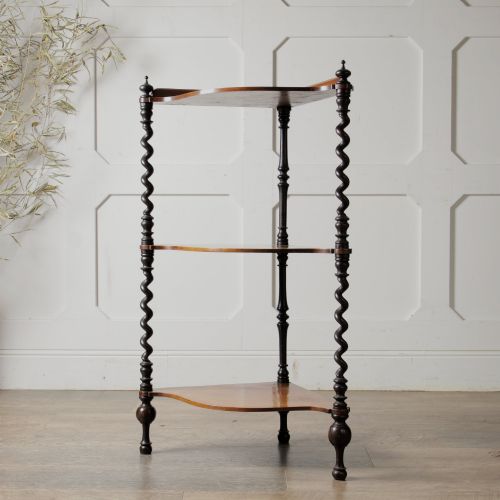
Makers constructed these tiered stands primarily using solid mahogany and mahogany veneers, sometimes pairing the timber with boxwood or satinwood inlay for decorative contrast. Structural stability relied on turned supports, columns, or barley twist uprights that divided the ascending tiers.
Fitted brass castors appeared on select floor-standing examples to ease mobility across rooms, while delicate galleried edges kept displayed objects secure on upper shelves.
One exceptional piece listed is a cotton reel display tree with four tiers, serving originally as an English shop fitting.
Evaluating Construction and Design
Quality in a mahogany tier display stand rests upon the selection of timber grain, the crispness of turned or carved supports, and the tightness of the joinery connecting each shelf. Pieces displaying precise boxwood or satinwood inlay demonstrate a higher tier of craftsmanship than plain variants.
The integration of supportive elements like brass castors or column supports indicates thoughtful manufacture, while proportions that maintain stability across multiple tiers distinguish superior examples from utilitarian furniture.
Gillows
The Mahogany Tier Display Stand Glossary
- Whatnot
- A piece of furniture with multiple tiers of open shelves used for displaying ornaments, books, or small objects. It originated in the eighteenth century and remained popular through the Victorian era.
- Étagere
- A piece of furniture consisting of a set of open shelves for displaying small objects or ornaments. The term often applies interchangeably with certain styles of whatnot.
- Waterfall bookcase
- A set of open shelves where each upper tier is narrower than the one below, creating a stepped profile resembling a cascade. This form gained favour during the Regency and Victorian periods.
- Torchère
- A tall, slender stand designed to hold a lamp or candle. Edwardian examples in mahogany frequently utilised this form for corner placement.
- Boxwood inlay
- Narrow strips of pale boxwood embedded into a mahogany surface to create contrasting geometric patterns or decorative borders. This technique appeared widely on Edwardian and Sheraton Revival pieces.
Mahogany Tier Display Stand: Frequently Asked Questions
What is a mahogany tier display stand?
A mahogany tier display stand is a multi-level piece of furniture designed to hold books, ornaments, or serving items across stacked platforms. These items include whatnots, etagères, and tiered bookcases originating from the Georgian through to the Edwardian eras.
Such pieces utilise mahogany as the primary timber, often supported by turned columns, barley twists, or brass castors. Their tiered construction allows for vertical storage while maintaining an open profile in domestic rooms.
How were these stands used historically?
Historically, these tiered stands served practical functions in drawing rooms, parlours, and bedrooms for holding books, tea service equipment, or decorative ornaments. Their open shelves kept frequently accessed items close at hand.
Later Victorian and Edwardian examples adapted the form for specialised displays, including music stands, lamp tables, and corner display units that made efficient use of tight spaces.
How do I style a tier stand at home?
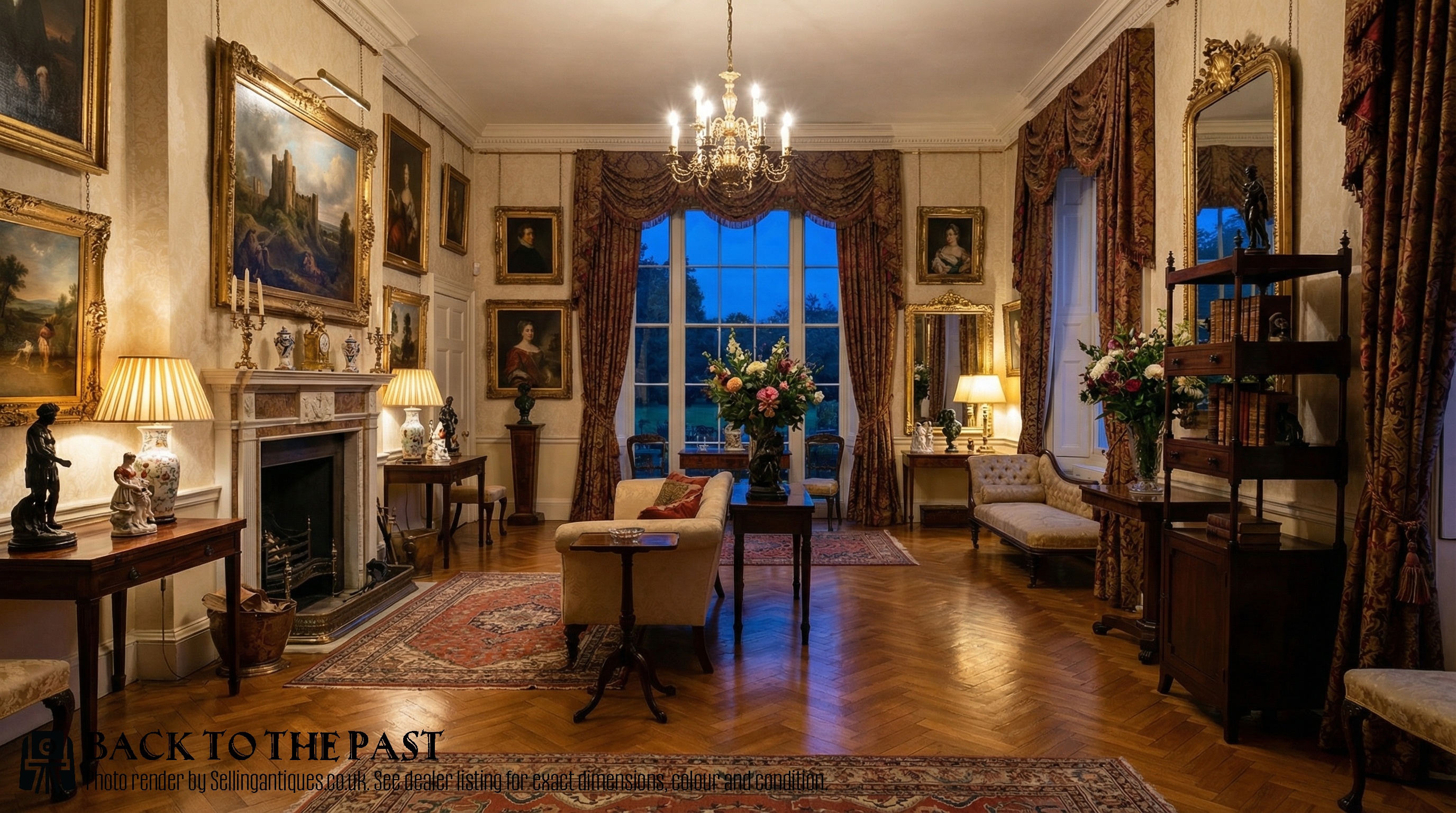
Styling a tiered stand involves balancing objects across the levels by height, weight, and material. Heavier books or ceramics belong on the lower tiers to maintain visual and physical stability, leaving upper shelves for lighter decorative items.
Allowing some open space on each shelf prevents overcrowding and highlights the mahogany grain and structural supports of the piece.
How do I tell Victorian from Edwardian pieces?
Victorian stands typically feature heavier timber proportions, darker mahogany finishes, and robust supports such as barley twists or substantial turned columns. These pieces often prioritise sturdy utility and traditional display.
Edwardian pieces generally exhibit lighter frames, more delicate satinwood or boxwood inlay work, and stylistic revivals like the Sheraton or Anglo-Japanese aesthetics. Their overall silhouette tends to be slender and refined.