

George III Mahogany Cupboard
When you search for a george iii mahogany cupboard, you step into an era of functional domestic timber work designed to hold everything from linen to chamber pots.
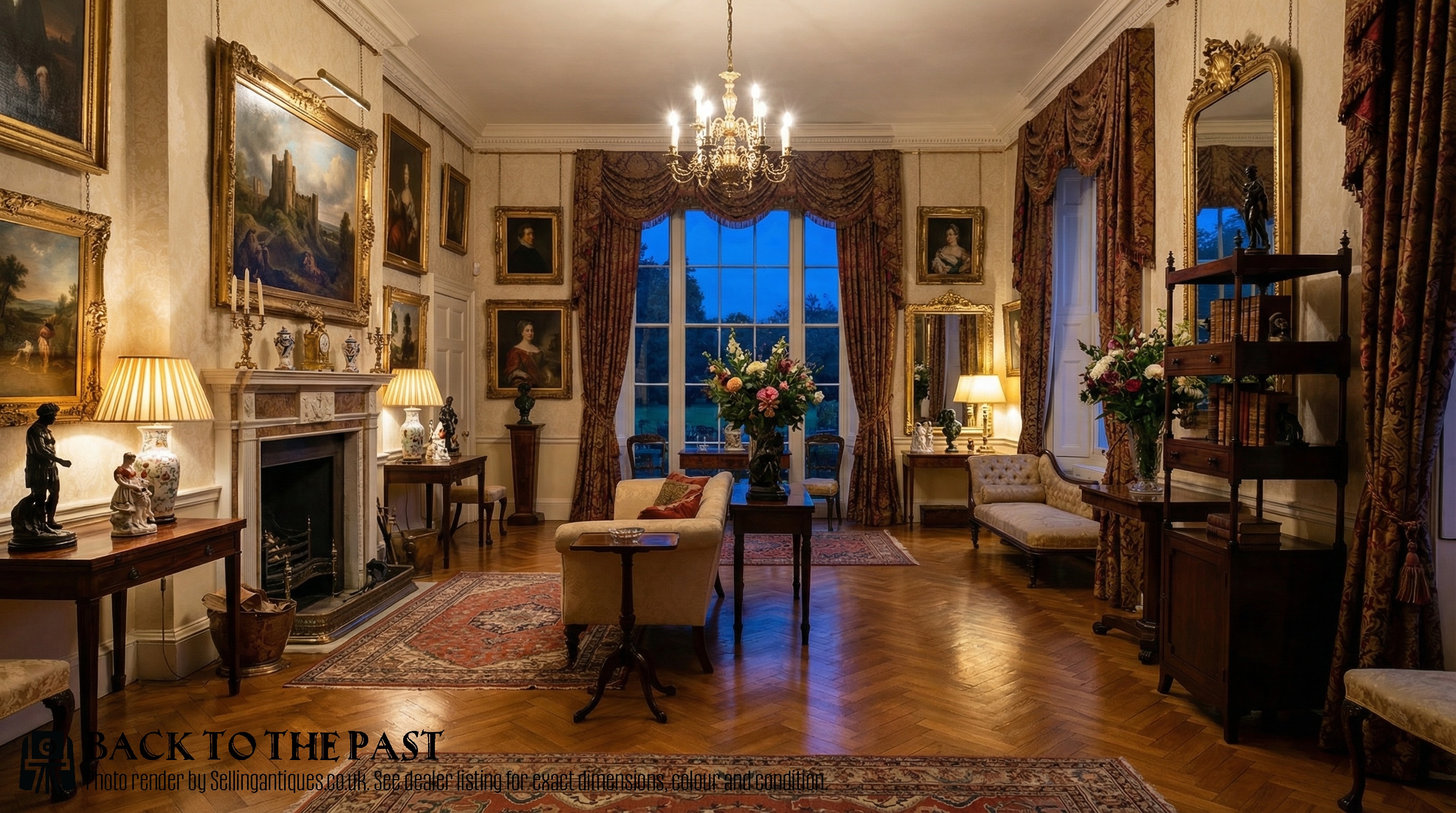
George III Mahogany Cupboard
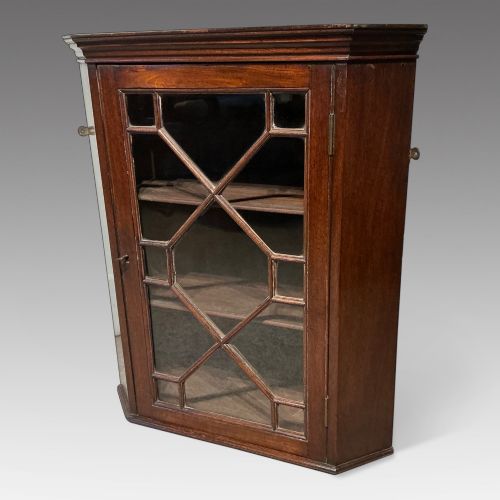
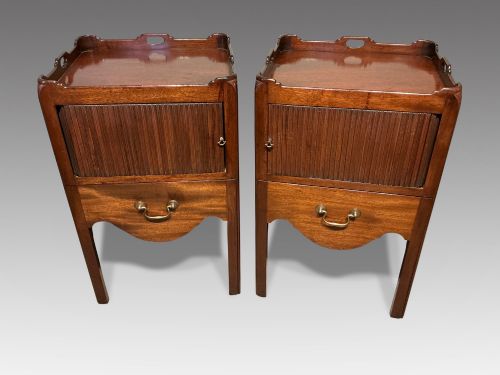
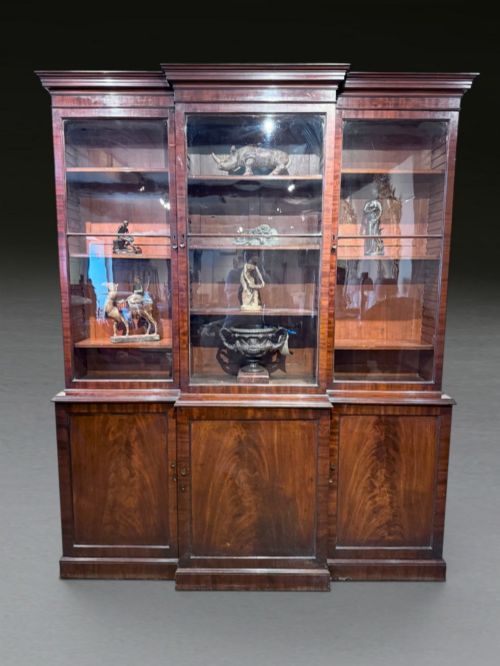
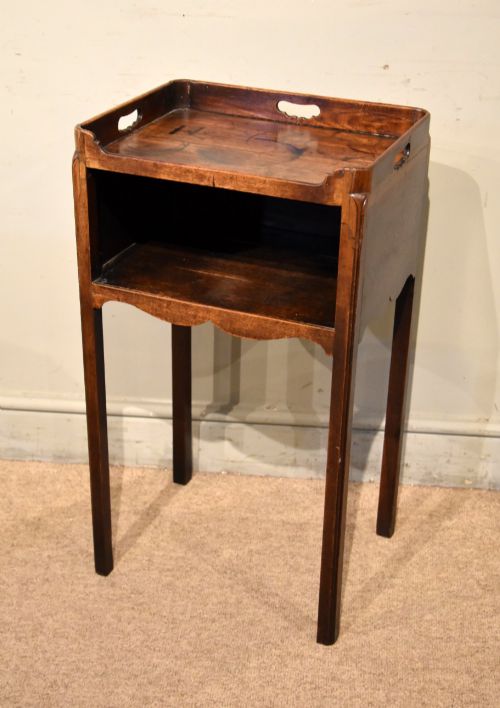
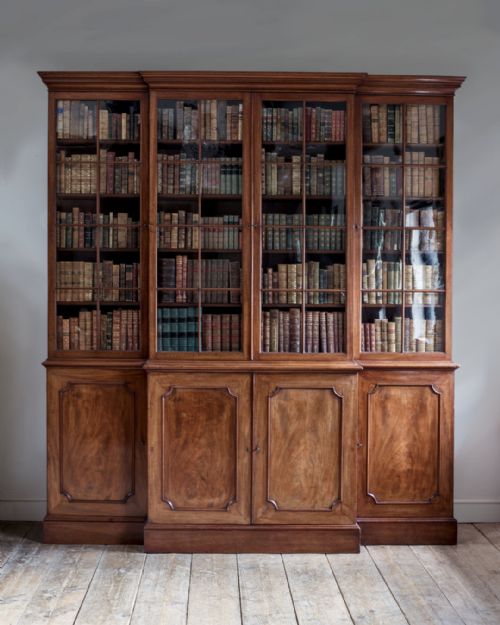
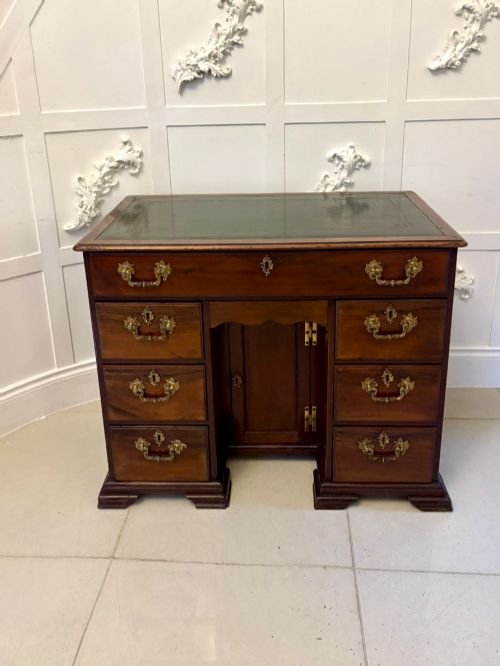
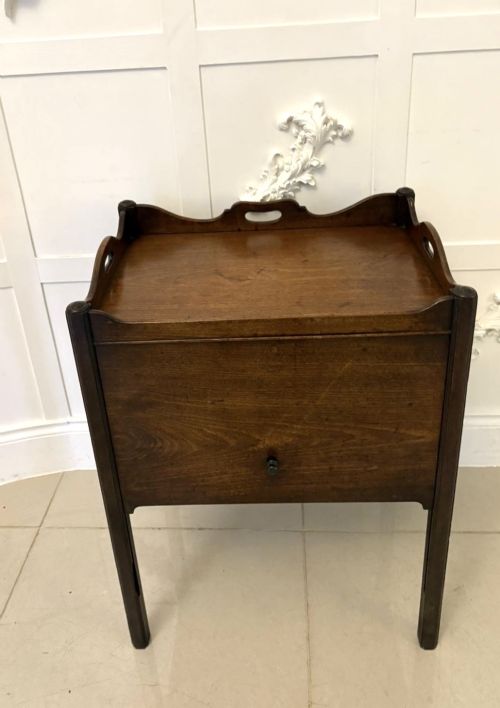
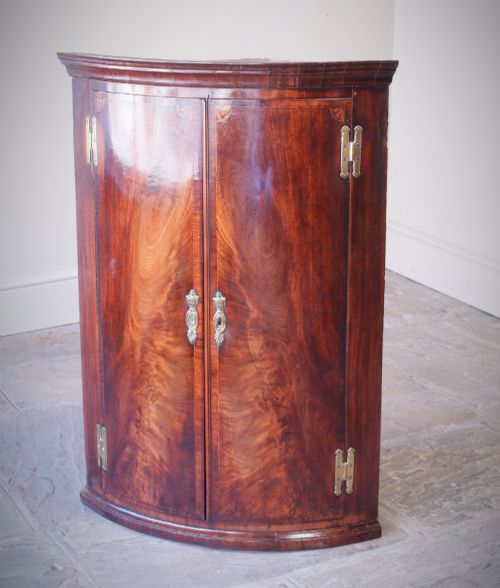
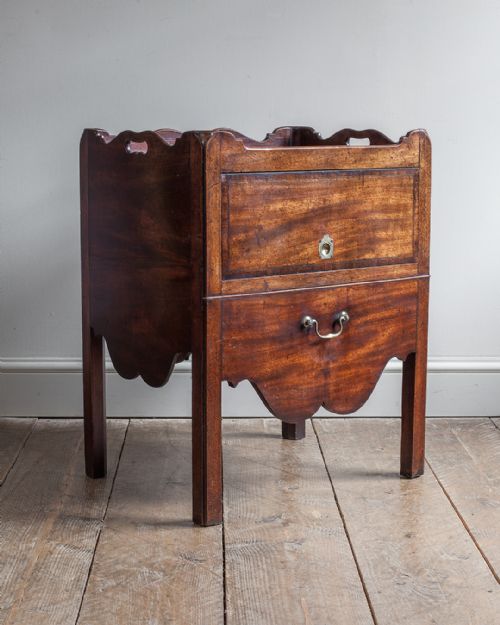
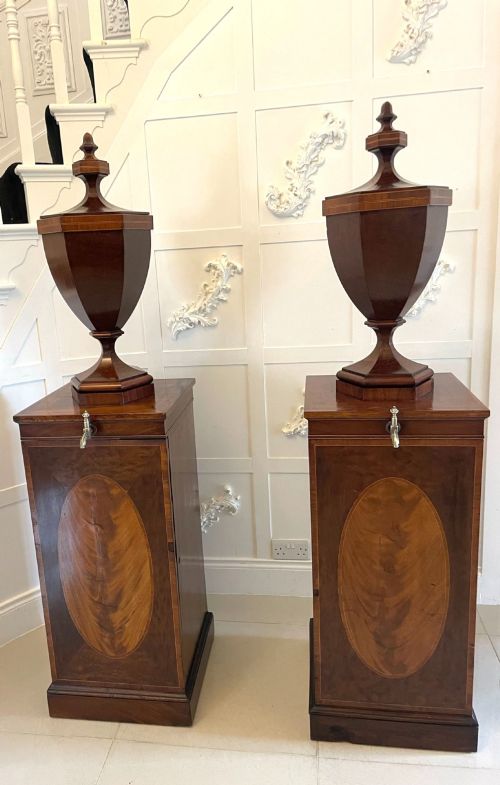
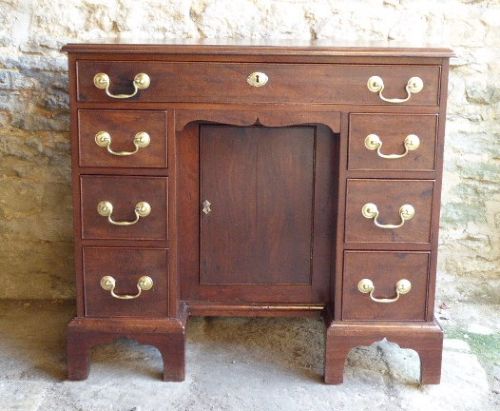
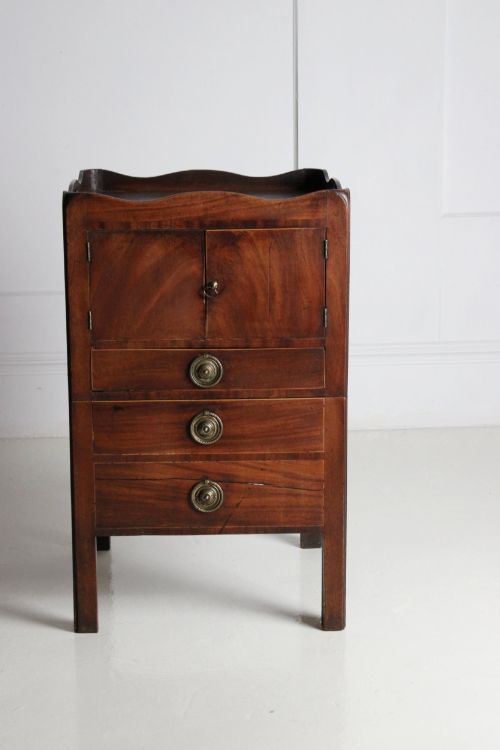
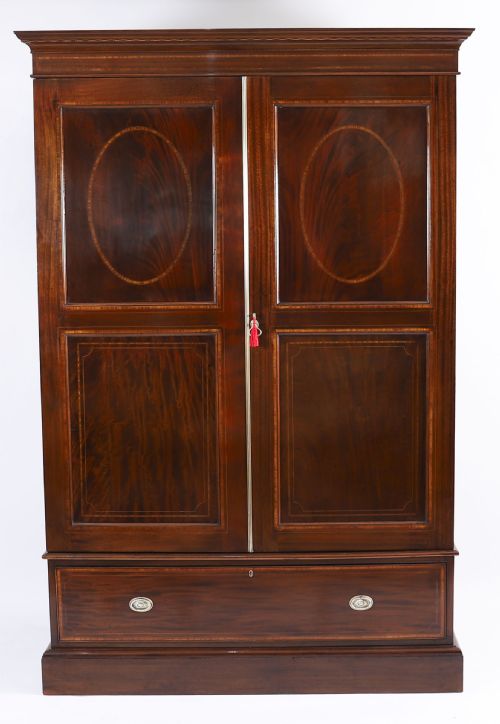
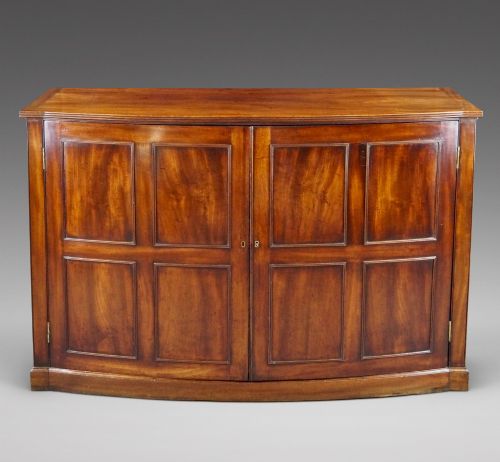
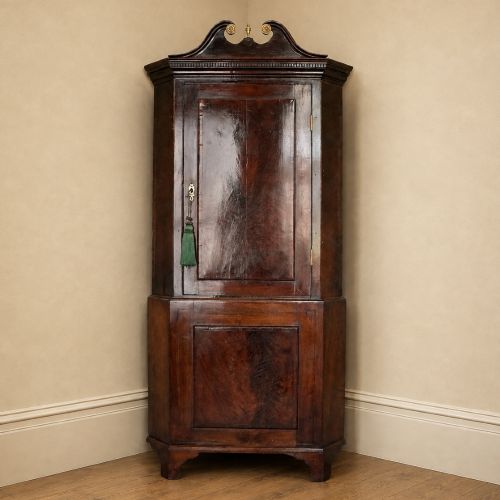
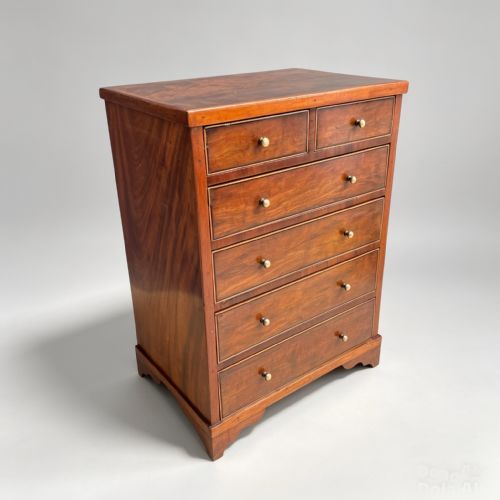
A george iii mahogany cupboard spans a wide array of domestic furniture types, from small bedside commodes and nightstands to large floor-standing corner cabinets and breakfront linen presses. You will frequently encounter hanging wall-mounted corner cupboards and compact pot cupboards designed for the eighteenth-century bedroom.
The larger architectural pieces include breakfront wardrobes, secretaire bookcases, and estate cupboards built for formal rooms and hallways. These forms reflect the changing storage needs of period households, combining enclosed shelving with drawers and hanging space.
Most examples originate from the Georgian period, with specific dates clustering around the mid-eighteenth century to the early nineteenth century. Later revival styles from the nineteenth and early twentieth centuries also appear, replicating earlier proportions and details.
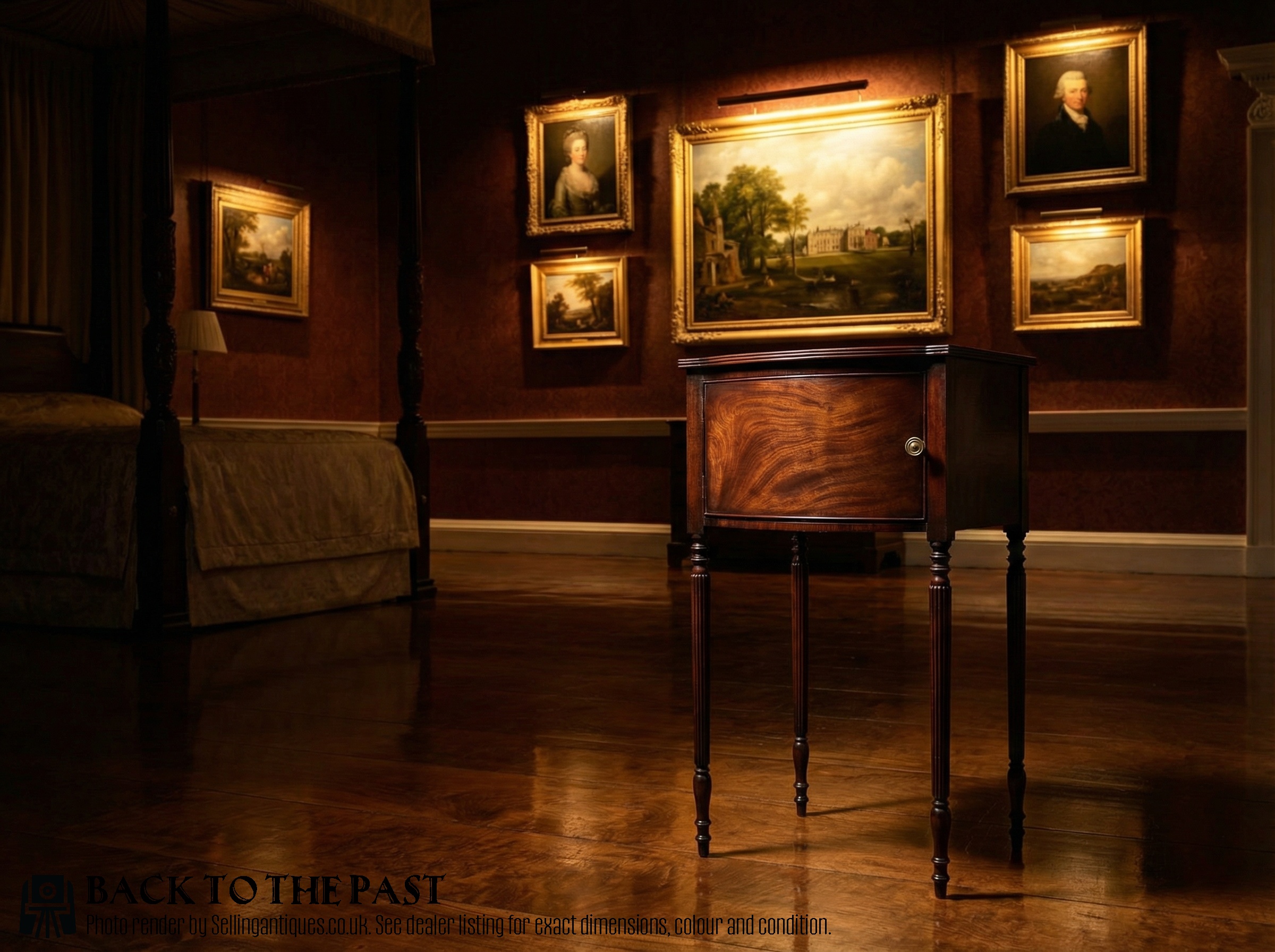
Materials and construction
Makers relied primarily on solid mahogany and flame mahogany veneers, sometimes enhanced by contrasting timbers such as satinwood, boxwood, and oak for secondary framing. Brass hardware, including drop handles, escutcheons, and hinges, provides functional contrast to the dark timber.
Carpenters utilised precise joinery techniques, building structural carcasses in oak or pine before applying figured mahogany veneers. Inlaid borders, stringing, and boxwood inlay decorate drawer fronts and cornices on finer items.
George III Mahogany Cupboard Retail Price Guide 2026
Typical asking prices for george iii mahogany cupboard among the pieces listed under this phrase on Sellingantiques today, from the lower quarter to the upper quarter. They describe what is for sale here now, not the wider market.
The listings feature mahogany, oak, satinwood, and boxwood inlay across forms ranging from small bedside cabinets to large breakfront linen presses.
Gradations of quality
Quality reveals itself in the choice of timber figure, such as highly figured flame mahogany or plum pudding mahogany veneers selected for doors and drawer fronts. Superior execution shows in the crispness of inlay work, dovetail precision in internal drawers, and the retention of original brass fittings.
Proportion and scale distinguish standard utility pieces from high-style furniture made for principal rooms. Pieces displaying balanced architectural cornices, harmonious proportions, and secondary woods like oak command greater interest than plain utilitarian examples.
The George III Mahogany Cupboard Glossary
- Flame mahogany
- A timber veneer displaying a distinct torch-like grain pattern formed by slicing through the bough fork of the tree. This decorative figuring appears on primary display surfaces of better-grade furniture.
- Commode
- A low cabinet or chest containing doors or drawers, often functioning as a bedside table or nightstand in period bedchambers. Many incorporate enclosed spaces originally intended for chamber pots.
- Linen press
- A tall storage cabinet featuring upper sliding trays or shelves enclosed by doors, positioned above a base chest of drawers. These units served to store household linens flat before the widespread use of hanging wardrobes.
- Stringing
- A narrow strip of contrasting timber inlaid into a channel cut into the primary wood surface. Cabinet makers used this technique to outline drawer edges and panel borders.
- Tambour
- A flexible shutter door constructed from vertical strips of wood glued to a canvas backing. This mechanism slides along recessed tracks to enclose small compartments or desk sections.
George III Mahogany Cupboard: Frequently Asked Questions
What is a pot cupboard?
A pot cupboard is a small bedside cabinet designed during the Georgian era to conceal a chamber pot behind a single door. These compact items often feature a gallery top to prevent items from sliding off.
Over time, these versatile pieces transitioned into general bedside tables and nightstands used for modern storage while retaining their traditional proportions.
How do I spot a corner cupboard?
Corner cupboards are constructed with flat or bow fronts and angled sides specifically built to fit directly into the corner of a room. They exist in both hanging wall-mounted versions and tall floor-standing formats.
These cabinets maximise floor space in smaller rooms while displaying china, glassware, or books behind glazed or solid timber doors.
What distinguishes a linen press?
A linen press is a substantial storage piece featuring upper doors that open to reveal sliding shelves or trays, mounted above a chest of drawers. They were built to keep textiles flat and organised.
Many examples were later converted into wardrobes by removing the internal trays to insert a modern hanging rail for garments.
How can I date a piece?
Dating relies on examining construction methods, secondary woods like oak, and stylistic details such as bracket feet, cornices, and inlay patterns. Georgian items typically display hand-cut dovetails and period timber patination.
Later revival pieces from the Victorian era or the twentieth century often use machine-cut joints and different internal framing methods despite copying eighteenth-century designs.