



18th Century Shelving Unit
These 18th century shelving unit pieces bring genuine period utility and character to a room, offering practical display space built with centuries of craftsmanship.
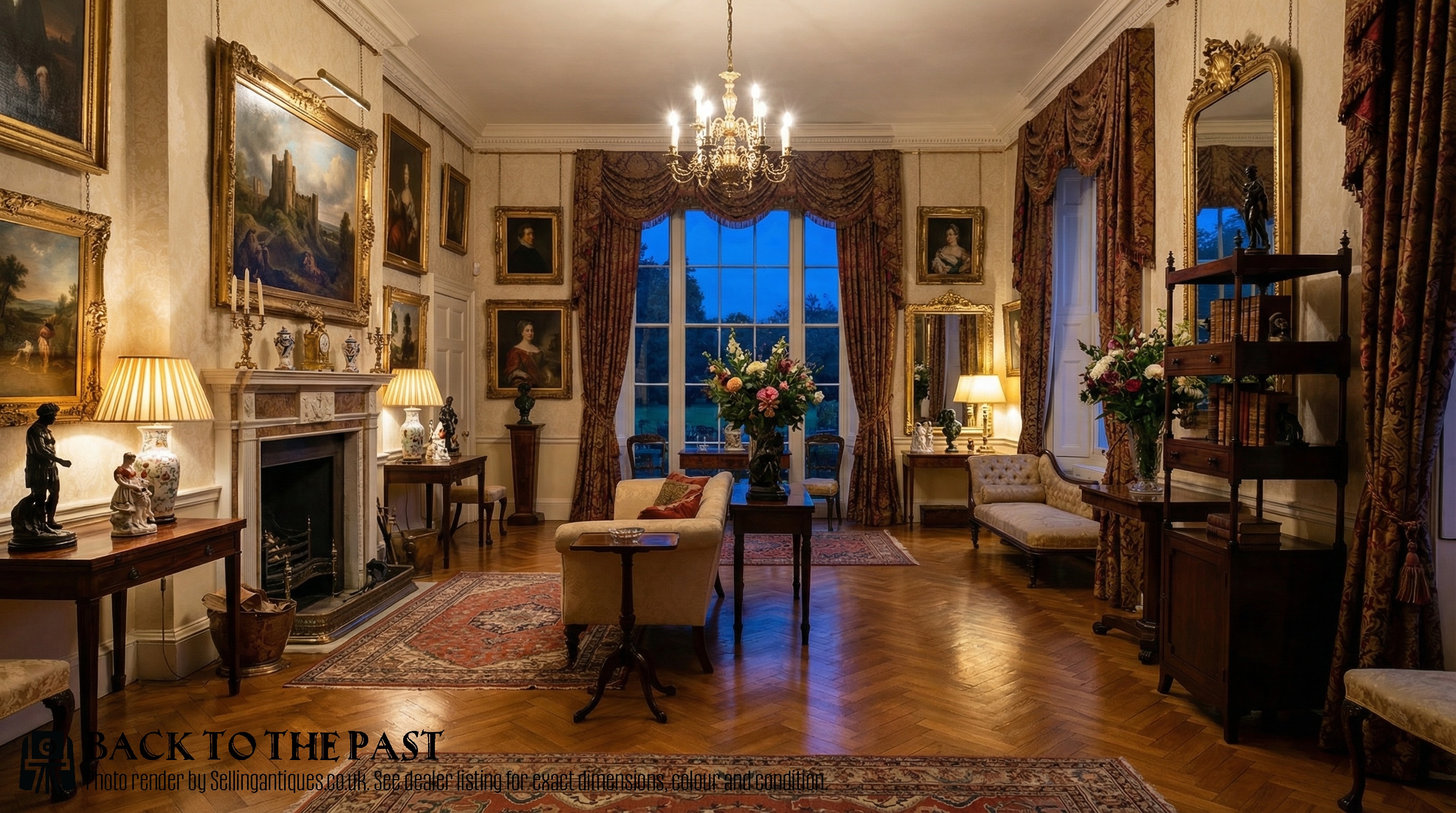
18th Century Shelving Unit
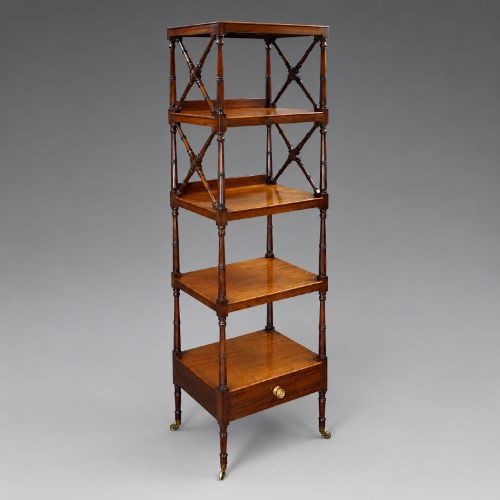
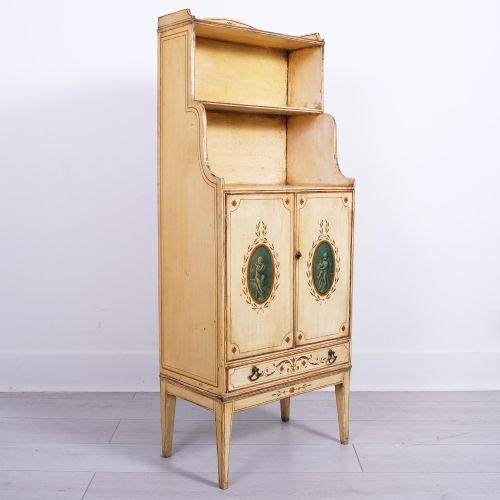
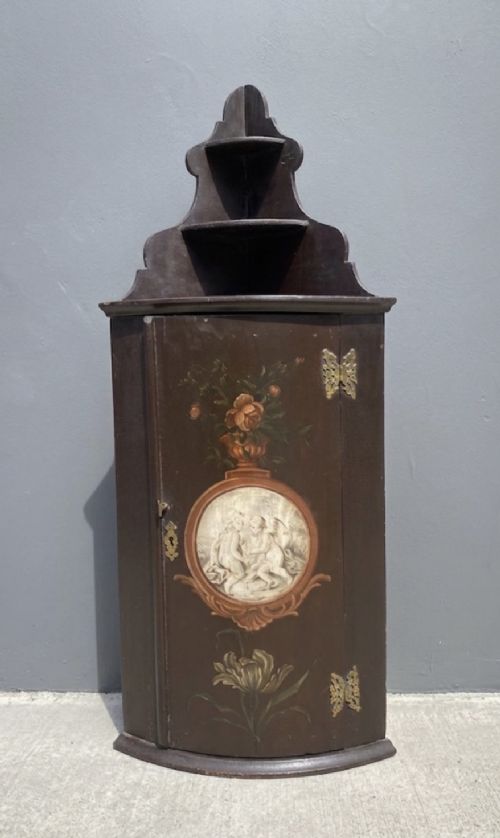
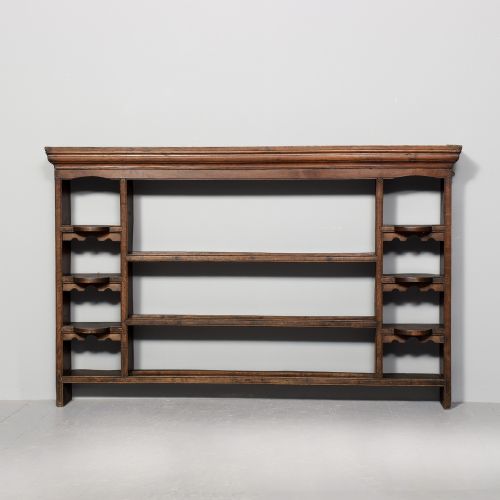
When you search for an 18th century shelving unit, you are looking at sturdy wooden storage pieces designed for books, display and domestic organisation. The selection spans distinct forms ranging from open bookcases and wall racks to corner cupboards, whatnots and etageres.
You are most likely to meet Georgian mahogany and oak examples on this page, alongside painted wood finishes and regional European pieces. These items originate from British, French and Italian workshops operating across the Georgian and 18th century periods.
The category includes wall-mounted shelves, corner units and standing bookcases of small proportions. Each object reflects the specific domestic requirements of its era, whether for a grand English parlour or a provincial French interior.
Materials and construction methods
Cabinet makers relied primarily on timbers such as mahogany, oak, walnut and pine to build these storage pieces. Selected woods were often left with a natural finish, bleached, or coated in paint according to regional tastes.
Metal elements like brass and iron appear in structural or decorative hardware, providing functional support to doors, corners and shelves. Joinery techniques varied from simple pegged oak construction in country pieces to finer cabinet work in mahogany examples.
18th Century Shelving Unit Retail Price Guide 2026
Typical asking prices for 18th century shelving unit among the pieces listed under this phrase on Sellingantiques today, from the lower quarter to the upper quarter. They describe what is for sale here now, not the wider market.
One wall rack is recorded as having an excellent original condition, proving that kitchen spice storage can outlive empires.
Distinguishing quality across the range
The distinction between items rests on the choice of timber and the sophistication of the joinery. Mahogany and walnut pieces from the Georgian period generally display more refined proportions than heavier provincial oak furniture.
Details such as carved decorative elements, painted finishes and unusual formats like waterfall designs or bow fronts elevate certain pieces. The integrity of the original timber and the retention of early surfaces determine the standing of each item.
The 18th Century Shelving Unit Glossary
- Waterfall bookcase
- A standing set of open shelves where the side panels step back progressively from bottom to top, creating a cascading profile. This style gained popularity during the late Georgian period.
- Whatnot
- A multi-tiered open piece of furniture designed for displaying ornaments, books or small items. These practical stands often feature corner designs or slender supporting columns.
- Etagere
- A French term for a piece of furniture with several tiers of shelves used for display. These items share similarities with the English whatnot.
- Corner cupboard
- A cabinet or set of shelving built with an angled back to fit neatly into the corner of a room. They maximise floor space while providing enclosed or open storage.
- Wall rack
- A wooden shelving unit designed to be mounted directly onto a wall rather than standing on the floor. They were commonly utilised in kitchens and living spaces for plates or books.
18th Century Shelving Unit: Frequently Asked Questions
What rooms suit an 18th century shelving unit?
These storage pieces fit comfortably into studies, living rooms and hallways where books and decorative items require display. Their modest proportions often allow them to integrate into smaller modern spaces.
Corner units and wall-mounted racks utilise awkward wall spaces efficiently, while larger bookcases anchor a main living area.
How do I care for antique wood shelves?
Keep wooden furniture away from direct heat sources and strong sunlight to prevent the timber from drying out or warping. Maintain a stable indoor climate to protect older finishes and joints.
Dust the surfaces regularly with a soft, dry cloth rather than applying modern chemical polishes that can damage historic surfaces.
How do I distinguish Georgian from provincial styles?
Georgian pieces typically utilise refined hardwoods like mahogany and display polished cabinet work influenced by contemporary design manuals. They often feature balanced proportions and subtle decorative details.
Provincial items from France, Italy or English country regions rely more on local oak or pine, prioritising rustic utility and sturdy construction over formal ornamentation.
Were these units always used for books?
Books formed only part of the intended purpose, as earlier domestic spaces required versatile storage for ceramics, linen and ornaments. Whatnots and etageres were explicitly designed for displaying decorative objects.
Wall racks and corner cupboards frequently held tableware or household provisions before evolving into purely decorative display furniture.