


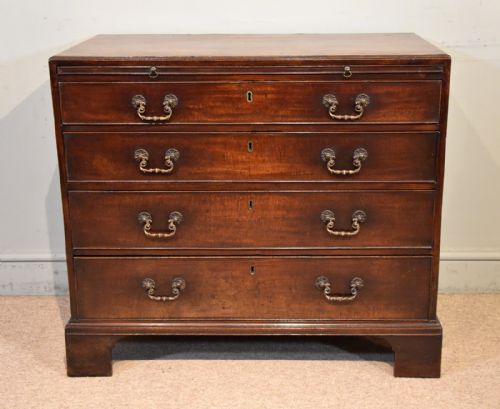
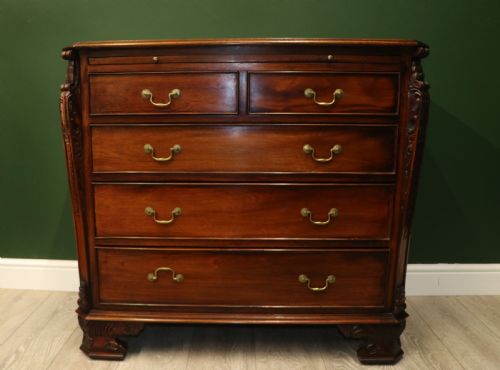
Mahogany Slide Chest
When you search for a mahogany slide chest, you seek a disciplined piece of furniture combining generous drawer storage with a pull-out surface for writing or sorting.
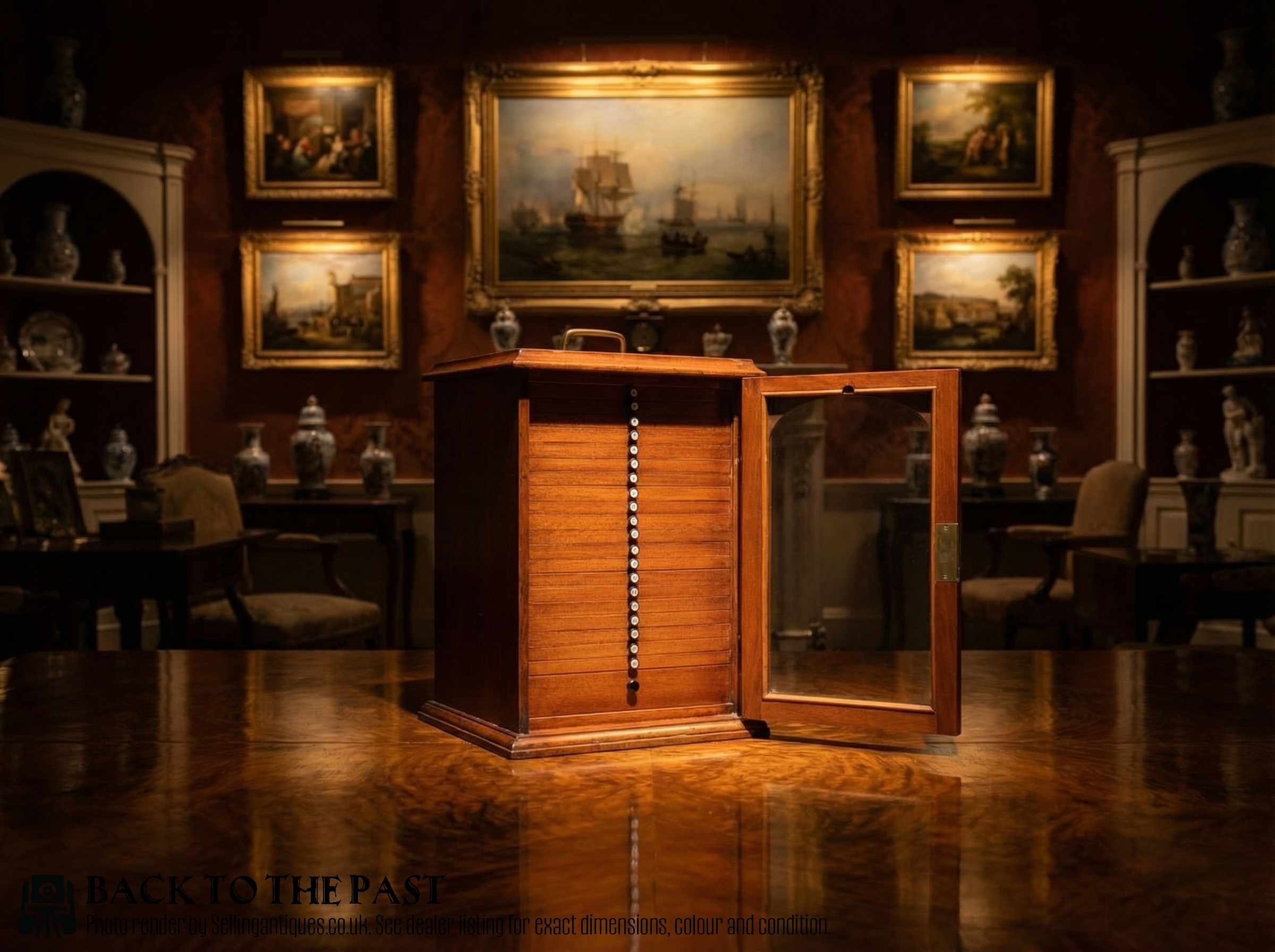
Mahogany Slide Chest
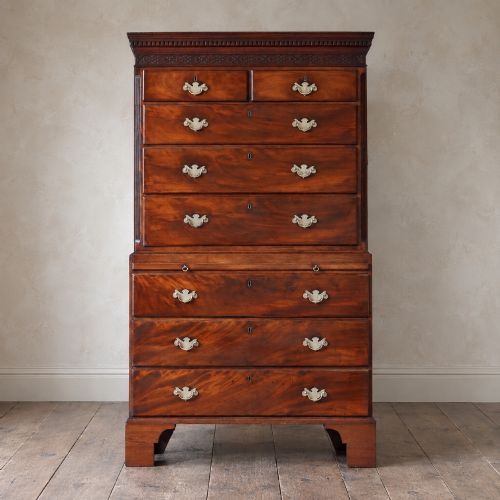
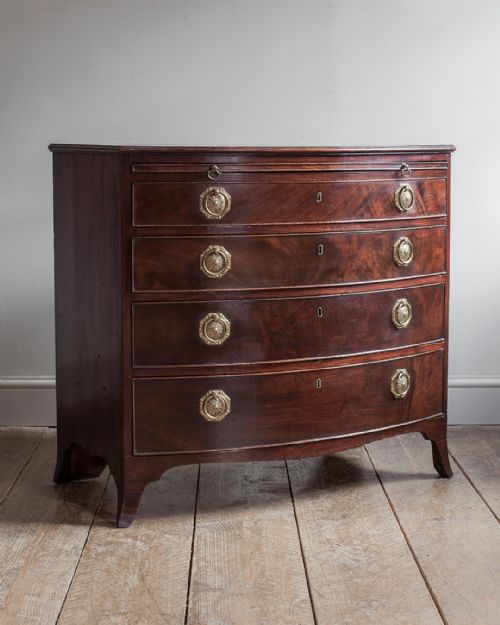
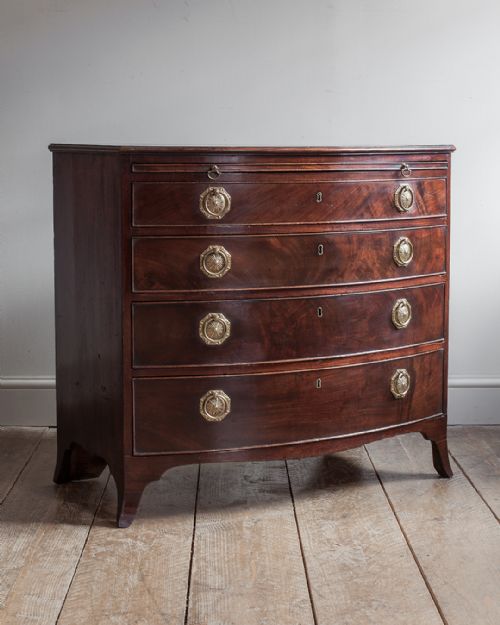
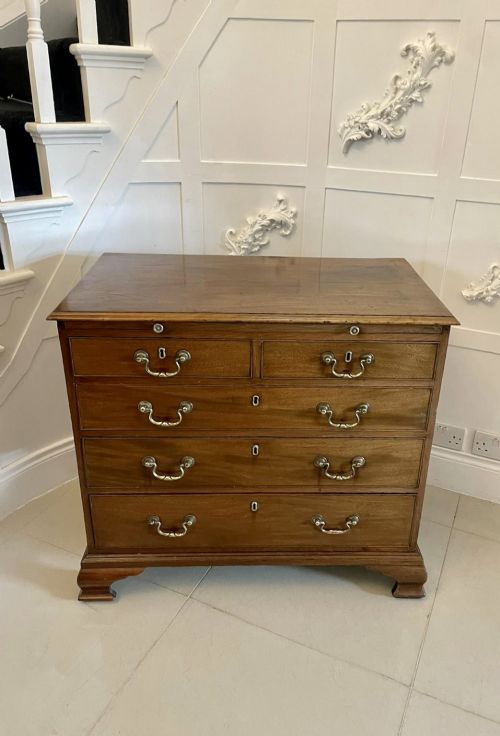
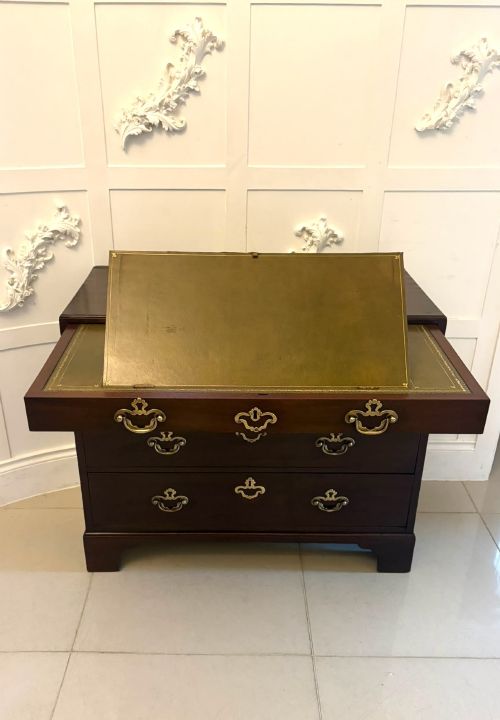
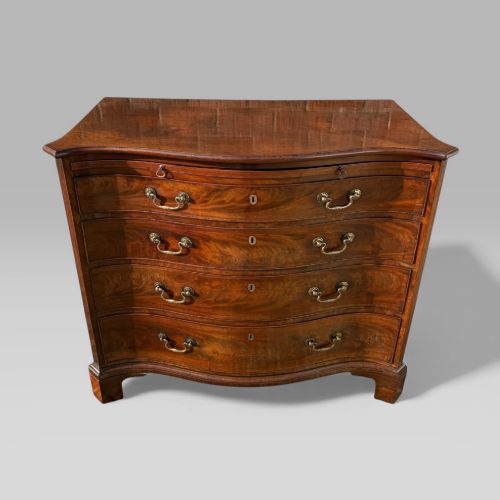
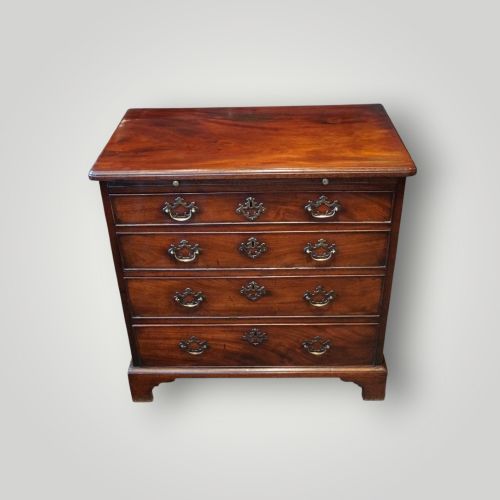
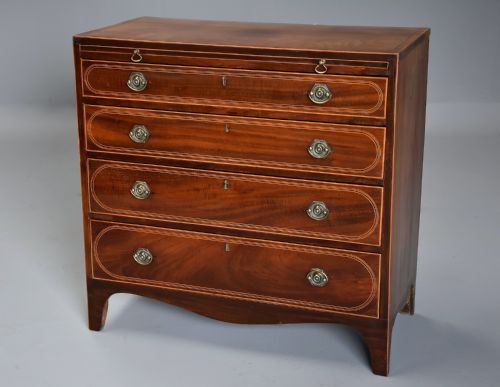
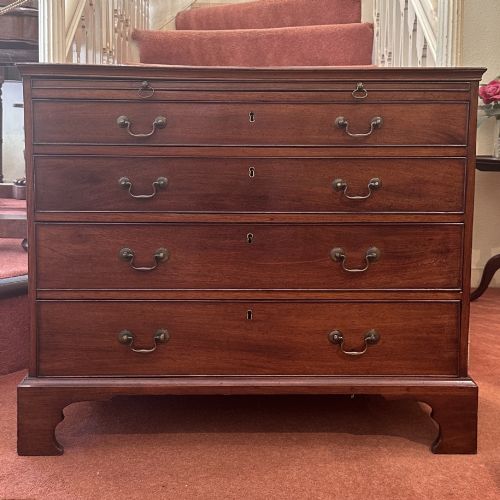
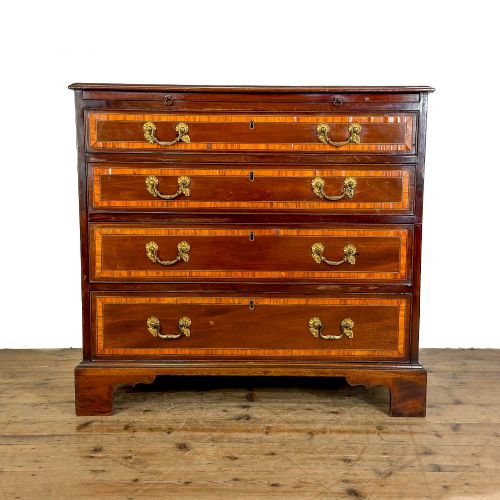
A mahogany slide chest typically manifests as a Georgian, George III, or Edwardian chest of drawers featuring an integrated pull-out shelf, often termed a brushing slide or bachelor's chest.
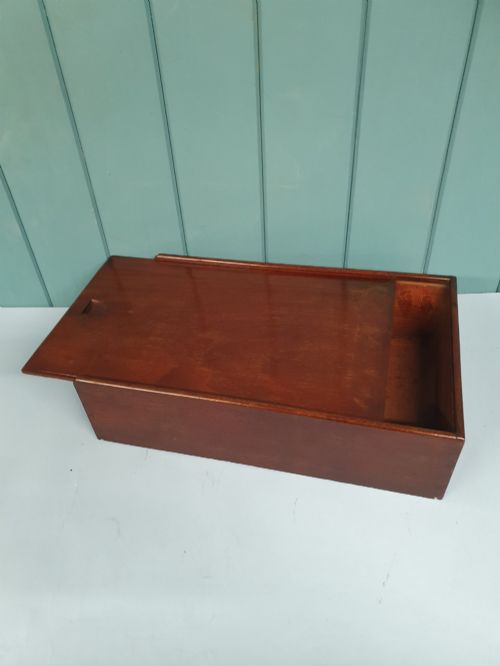
The evidence shows forms ranging from standard chest of drawers and tallboys to serpentine shapes, bowfronts, and specialised microscope slide cabinets.
Most examples originate from the eighteenth and nineteenth centuries, carrying proportions designed for domestic dressing or writing tasks.
Materials and Construction
Makers utilised solid and figured mahogany timber, frequently accented with satinwood inlay, oak drawer linings, and brass hardware.
Internal mechanisms incorporate baize or leather writing surfaces on the pull-out slides, alongside dovetailed drawer construction.
Listings demonstrate that mahogany slide chests span George II, George III, and Edwardian periods, utilising brass, oak, baize, and leather.
Judging Quality and Execution
The distinction between tiers rests upon the figure of the mahogany veneer, the crispness of serpentine or bowfront curves, and the original state of the brass handles and internal baize.
Proportion and scale dictate desirability, with smaller bachelor pieces and cabinet-maker execution commanding greater interest than standard utility chests.
Druce & Co
The Mahogany Slide Chest Glossary
- Brushing slide
- A pull-out wooden shelf integrated above the top drawers, traditionally used for dusting clothes or writing correspondence.
- Bachelor's chest
- A compact form of drawer chest equipped with a slide, popular in domestic spaces during the Georgian period.
- Serpentine chest
- A storage piece featuring a gently undulating front facade, requiring advanced woodworking skill to shape.
- Chest on chest
- A tall case furniture piece consisting of a smaller upper chest stacked upon a larger lower base, also known as a tallboy.
- Caddy top
- A raised, moulded tabletop edge reminiscent of tea caddy design seen on eighteenth-century chests.
Mahogany Slide Chest: Frequently Asked Questions
What is a mahogany slide chest used for?
These pieces served multiple domestic functions in period interiors, primarily offering bedside or dressing storage combined with a convenient writing surface.
The pull-out slide provided a stable shelf for sorting documents or brushing garments without cluttering the main top surface.
How do I date an 18th-century chest?
Dating relies on observing structural characteristics like timber selection, drawer dovetailing, and hardware styles associated with Georgian reigns.
Evidence from the period points toward specific aesthetic shifts, such as the adoption of serpentine fronts and figured mahogany veneers around the seventeen-seventies.
Where does a bachelor chest go?
A compact bachelor chest fits comfortably in hallways, bedrooms, or studies where floor space is limited yet drawer storage remains essential.
The modest proportions allow these chests to function effectively as bedside tables or accent pieces in traditional rooms.
Are all slides lined with leather?
Not all slides feature a secondary material, as many retain a plain polished mahogany surface designed for general utility.
When leather or baize does appear, it usually indicates a piece intended specifically for writing and correspondence tasks.