

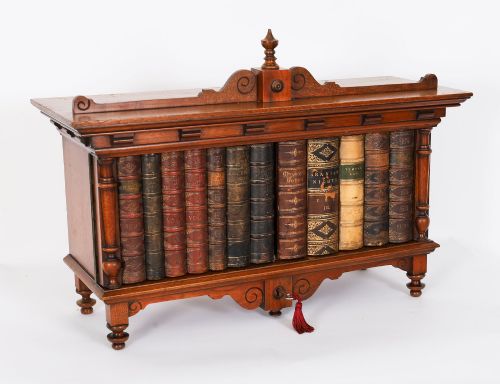
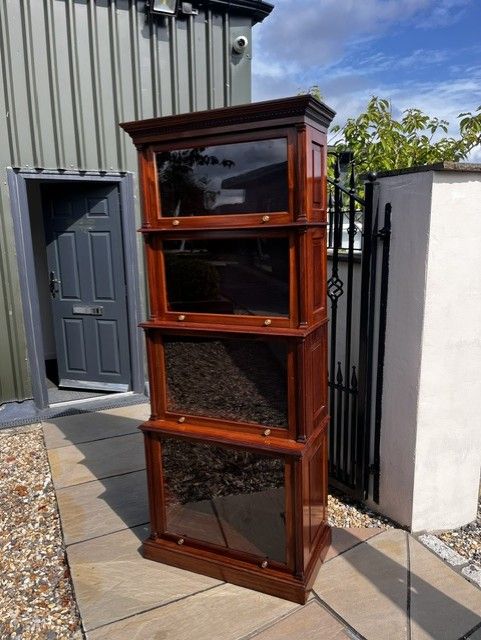
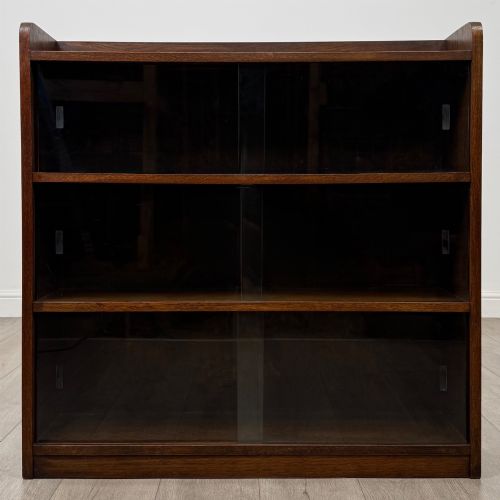


Edwardian Slide Cabinet
An edwardian slide cabinet is a compact wooden piece designed to house delicate specimens, and collectors prize them for their precise drawer engineering and rich timber surfaces.
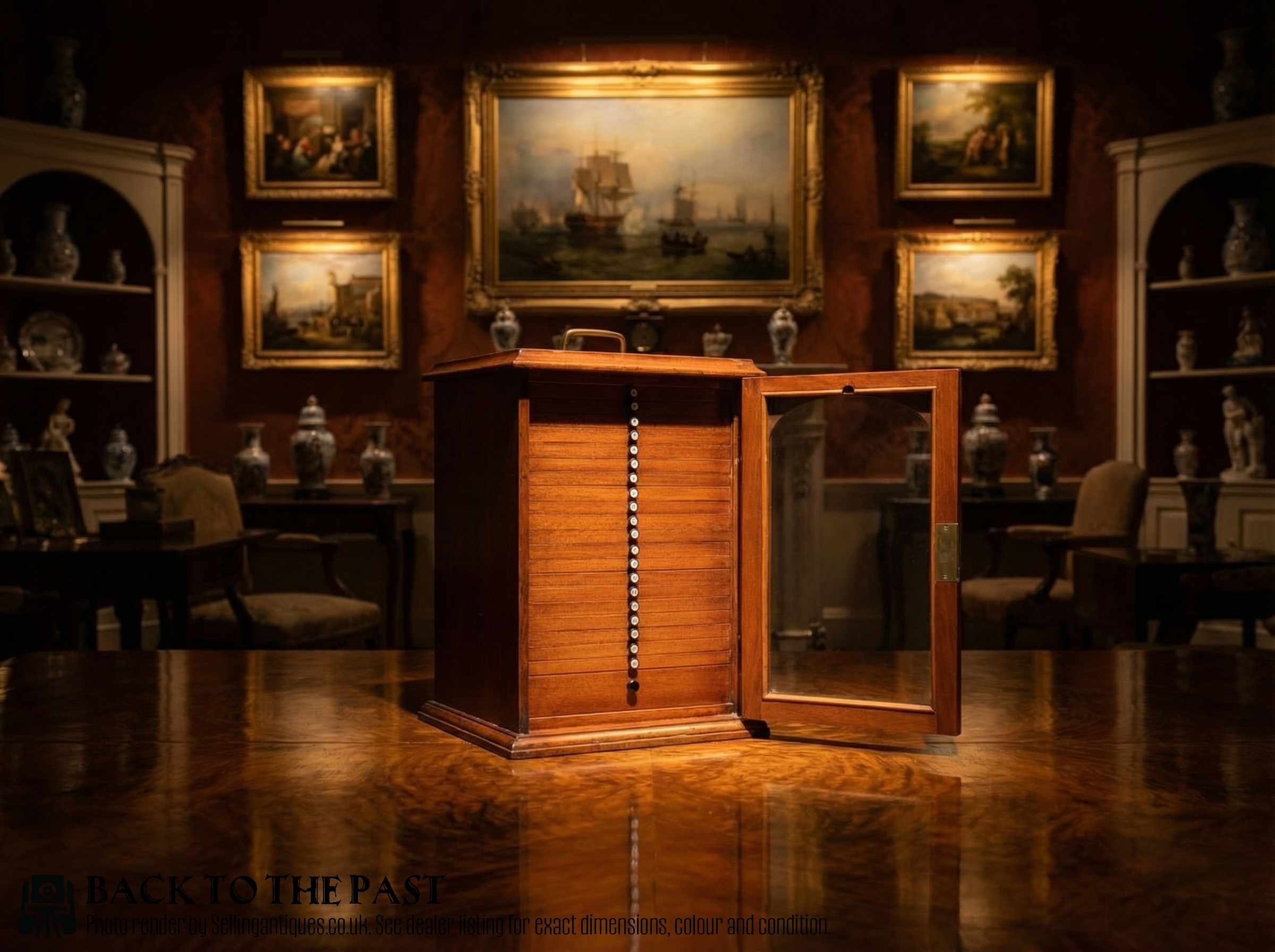
Edwardian Slide Cabinet
When searching for an edwardian slide cabinet, buyers encounter a specialised form of storage originating from the late nineteenth and early twentieth centuries. These pieces were built to house miniature objects, scientific slides, or household linens within compact wooden frames.
The selections available here range from solid walnut table top collectors cabinets to mahogany and satinwood specimen chests and bedside tables equipped with book slides. Alongside these are related campaign pieces and barrister stacking bookcases that share similar functional priorities.
Origins stretch from the Regency period through Victorian designs into the Edwardian era and the 1930s, utilising dense hardwoods to protect interior contents from dust and light.
Materials and Construction
Construction relies heavily on solid mahogany, walnut, oak, and satinwood, paired with brass fittings and glass panels where visibility is required. Cabinet makers selected these dense timbers to ensure stability and structural longevity for heavy drawer loads.
Exterior surfaces often feature rich grain patterns, while interior compartments incorporate specialised wooden slides or runners to operate smoothly without jamming. Brass pulls and handles complete the joinery, providing durable hardware that withstands frequent handling.
Edwardian Slide Cabinet Retail Price Guide 2026
Typical asking prices for edwardian slide cabinet among the pieces listed under this phrase on Sellingantiques today, from the lower quarter to the upper quarter. They describe what is for sale here now, not the wider market.
Period origins span from the Regency era through Victorian and Edwardian times into the 1930s.
What Varies in Quality
Quality separates along the precision of the interior joinery and the selection of the timber veneers. Superior examples exhibit tightly fitted drawers that move effortlessly within their frames, alongside well-figured solid mahogany or burr walnut surfaces.
Lesser pieces show simpler construction methods, coarser timber matching, or replacement hardware that disrupts the period integrity. The degree of surviving interior fittings, such as original glass slides or brass campaign mounts, also defines the upper tiers of the range.
Waring & Gillow·AMYL
The Edwardian Slide Cabinet Glossary
- Slide cabinet
- A specialised storage unit containing multiple shallow drawers or sliding elements designed for small objects or specimens. These pieces typically prioritize secure, dust-free organisation over large open storage.
- Collector cabinet
- A designated chest built to organise and display natural history specimens, coins, or microscopic slides. They often feature numerous small drawers with internal divisions.
- Solid mahogany
- A dense, durable tropical hardwood chosen for fine furniture frames and drawer construction. It resists warping and takes a deep polish.
- Satinwood
- A luminous timber with a golden sheen, frequently utilised for decorative veneers and inlay work on high-status Edwardian furniture.
- Book slide
- A pull-out shelf integrated into a table or cabinet to provide temporary workspace for reading materials.
Edwardian Slide Cabinet: Frequently Asked Questions
What were slide cabinets originally used for?
These cabinets served primarily to store microscopic glass slides, natural history specimens, or small collectible items safely away from light and dust. Their shallow drawers kept delicate objects from shifting and breaking during examination.
Over time, collectors and institutions adopted similar multi-drawer designs for organising taxonomic collections, coins, and stamps in a compact footprint.
How do I care for mahogany and walnut wood?
Protect antique timber surfaces by keeping them away from direct sunlight and maintaining steady indoor humidity levels. Regular dusting with a soft, dry cloth preserves the finish without requiring heavy polishes.
Avoid placing these cabinets near modern heating vents, which can cause the dense hardwoods and internal drawer runners to dry out and bind.
Are these cabinets suitable for modern homes?
Their compact proportions make them versatile for placing on tabletops, desks, or bedside tables in contemporary living spaces. The numerous small drawers offer practical storage for modern jewellery, stationery, and small accessories.
They function equally well as standalone display pieces that add historic character to a study or living room.
How can I tell an Edwardian piece from a Victorian one?
Edwardian furniture generally exhibits lighter timbers, simpler lines, and a brighter finish compared to the heavier, darker aesthetic of mid-Victorian design. Examining the secondary woods inside the drawers often clarifies the manufacturing period.
Stylistic cues overlap around the turn of the twentieth century, so construction details and hardware styles provide the most reliable guide to dating.