


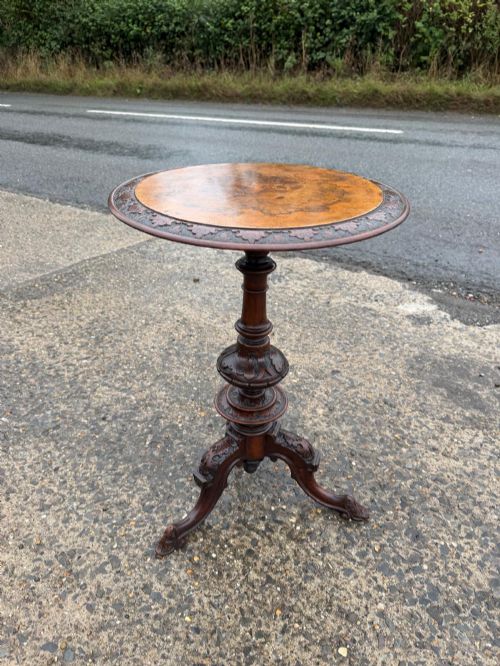
Mahogany Pedestal Side Table
A mahogany pedestal side table balances a sturdy central column with rich timber grain, serving small spaces with enduring grace.
Mahogany Pedestal Side Table
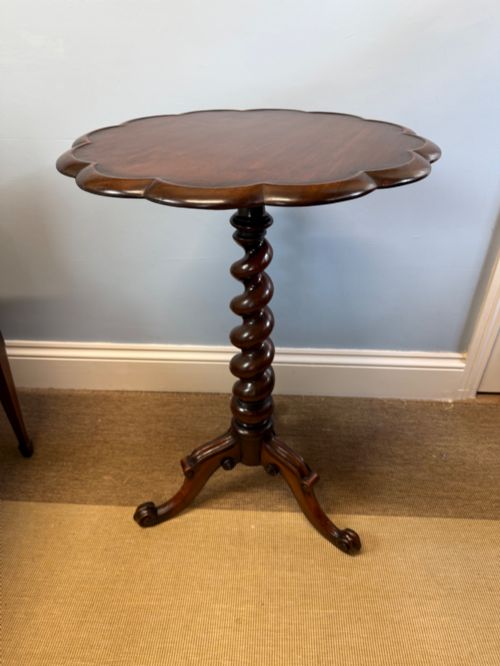
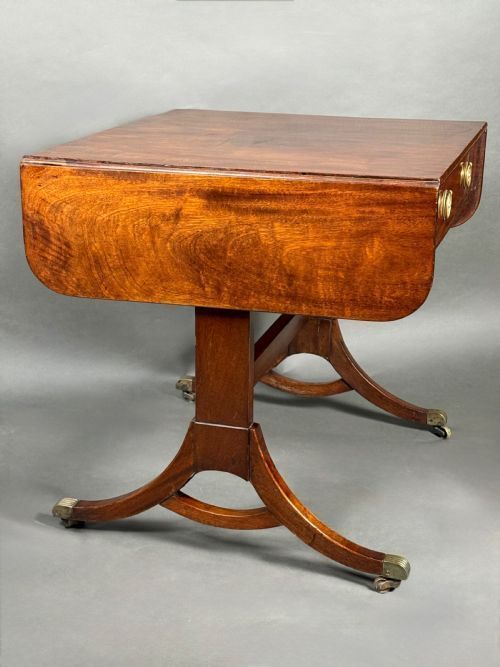
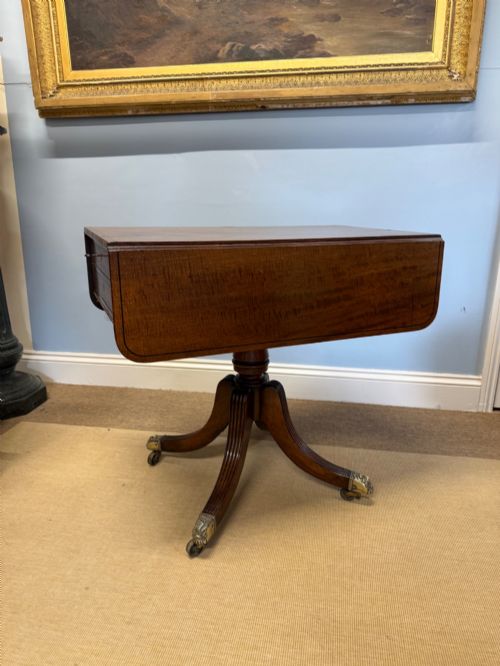
A mahogany pedestal side table brings together a central column support and a timber tabletop, appearing across Georgian, Regency, and Victorian periods. Buyers search for these pieces to anchor compact spaces with functional furniture that displays traditional craftsmanship.
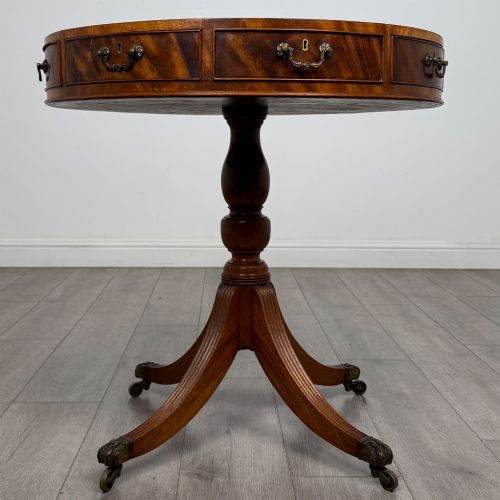
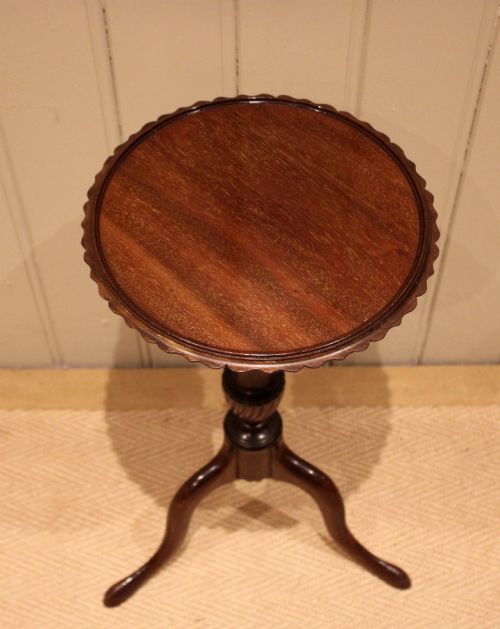
The versions most common on this page include tilt-top wine tables, tripod occasional tables, and drum tables. These forms bridge the gap between decorative display and everyday utility in period interiors.
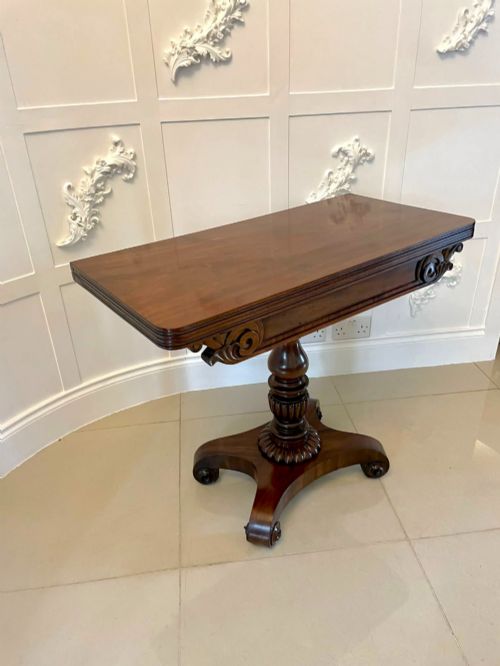
Origins span English workshops and continental makers, incorporating styles from French Empire to William IV. The continuity of the central pedestal design unites diverse functions from card playing to bedside storage.
Timber and Construction
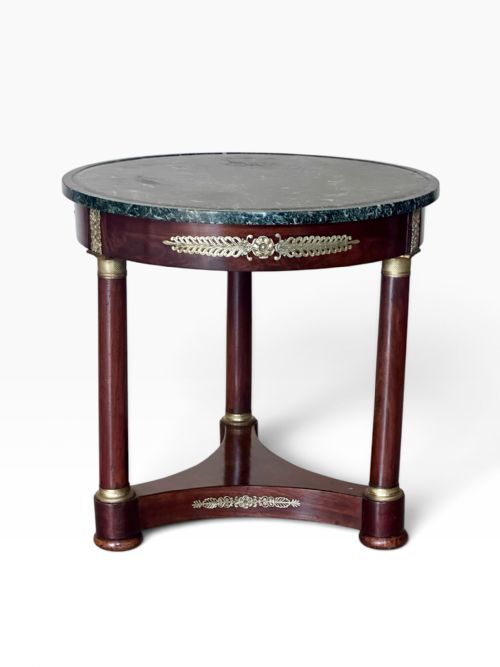
Makers utilised solid mahogany and figured flame mahogany veneers over secondary timbers, often accentuating the grain with wax finishes. Brass, leather, marble, and ormolu appear as secondary materials on superior examples, particularly for table inserts and mounts.
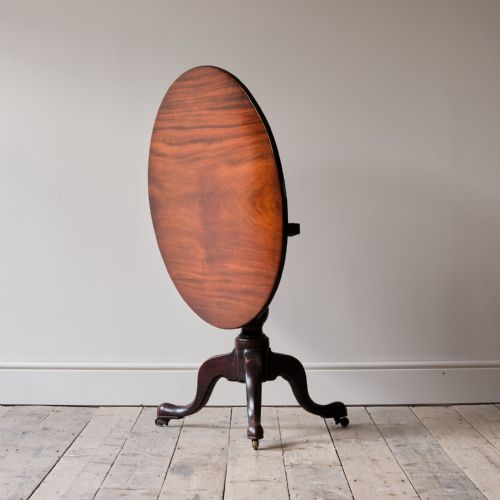
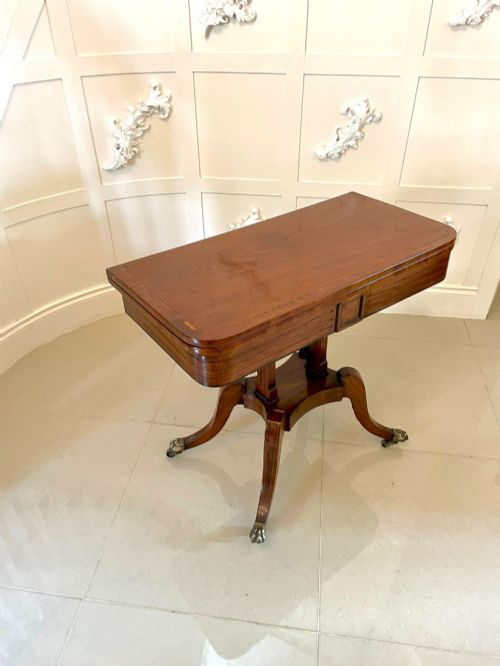
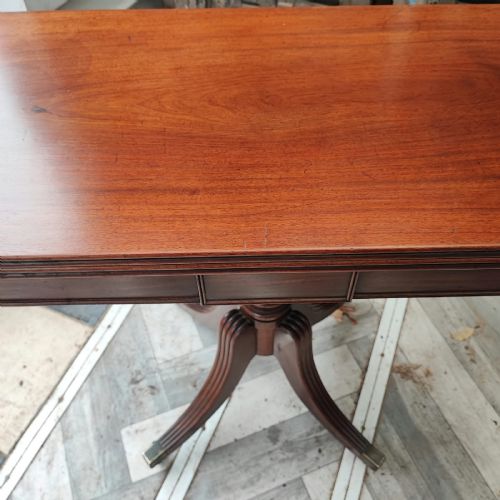
Tripod bases and turned central pedestals require precise joinery to bear weight evenly on three or four legs. Tilt-top mechanisms employ hinged catches that allow the tabletop to fold flat against the column when not in use.
Mahogany Pedestal Side Table Retail Price Guide 2026
Typical asking prices for mahogany pedestal side table among the pieces listed under this phrase on Sellingantiques today, from the lower quarter to the upper quarter. They describe what is for sale here now, not the wider market.
Surviving examples demonstrate regional variations in pillar turning and tripod foot design from the eighteenth and nineteenth centuries.
Gradations of Craft
The distinction between standard and superior pieces rests on the choice of timber, such as highly figured flame mahogany or burr wood tops. Grain selection and book-matching demonstrate the maker's intent to elevate a functional item into an ornamental centrepiece.
Structural integrity in the pedestal base and the smoothness of tilt-top mechanisms separate workshop standards. Finely carved column collars, sabre legs, and original brass fittings indicate a higher order of original commission.
Gillow
The Mahogany Pedestal Side Table Glossary
- Flame mahogany
- A veneer cut from the fork of the tree where branches join the trunk, producing a rippling, flame-like pattern. This figuring was favoured for prominent tabletops during the Regency and Victorian eras.
- Tilt-top
- A tabletop hinged to the central pedestal so it can pivot vertically to save space. Georgian wine and occasional tables frequently employed this mechanism.
- Tripod table
- A small freestanding table supported by a pillar above three splayed legs. The design ensures stability on uneven floors.
- Drum table
- A circular library or side table with a deep frieze containing drawers, resembling the shape of a drum. They often rotate on a central pillar and platform base.
- Gueridon
- A small French occasional table supported by a figurative or ornamental pillar. Victorian examples often incorporated marble tops and gilded brass.
Mahogany Pedestal Side Table: Frequently Asked Questions
Where do I put a pedestal side table?
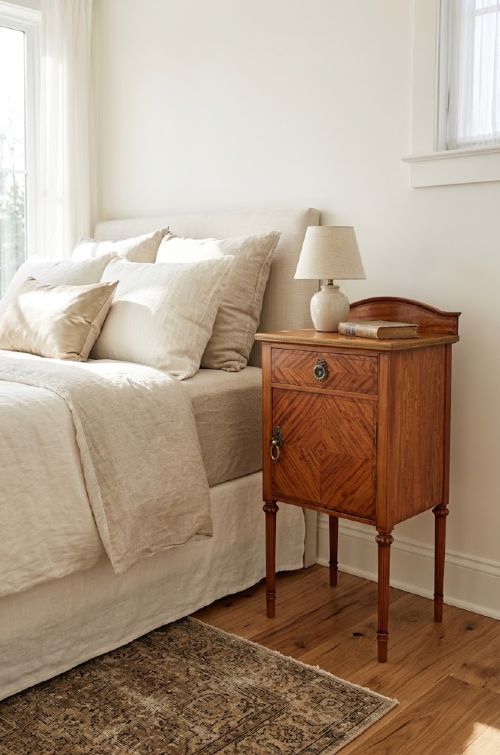
These tables fit easily beside armchairs, in narrow hallways, or as bedside surfaces where floor space is limited. Their compact footprints allow them to sit snugly against walls or float near seating.
The central column design means legs rarely obstruct surrounding furniture placement, offering flexible positioning in living rooms and bedrooms alike.
How do I care for mahogany timber?
Regular dusting with a dry, soft cloth preserves the polished surface without building up residue. Natural wax finishes benefit from occasional nourishment using traditional beeswax.
Keep these tables away from direct heat sources and strong sunlight to prevent the timber from drying out or the finish from fading over time.
What is a tilt-top table used for?
Historical interiors used tilt-top tables as wine or tea surfaces that could be tipped vertically and pushed against a wall when the room was needed for other activities. Today, the mechanism remains a practical feature for versatile living spaces.
Leaving the top tilted also displays the decorative wood grain of the underside when the table is not in active service.
How do I distinguish Regency from Victorian examples?
Regency pieces tend to feature cleaner architectural lines, sabre legs, and classical restraint influenced by ancient Greek and Roman forms. Mahogany from this era often displays deep, rich patination and subtle brass inlay.
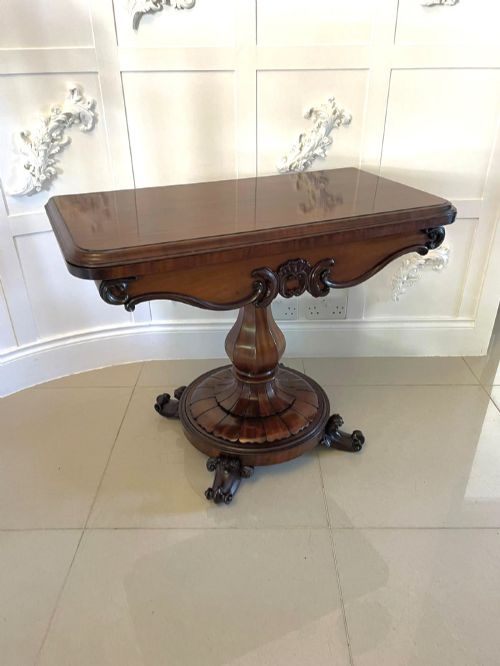
Victorian examples frequently introduce heavier proportions, more elaborate carved pedestal bases, burr wood veneers, and occasional marble or leather inserts reflecting industrial production methods.