

Mahogany Pedestal Breakfast Table
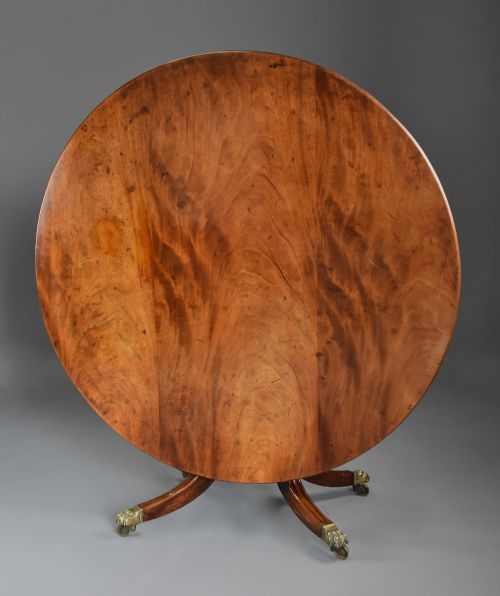
A mahogany pedestal breakfast table brings the substantial warmth of 18th and 19th-century dining into a room on a single central column.
Mahogany Pedestal Breakfast Table
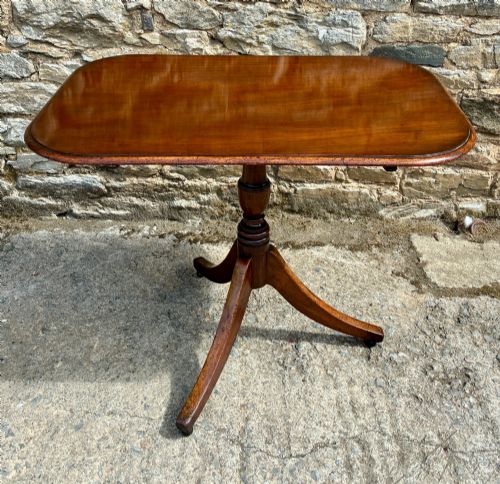
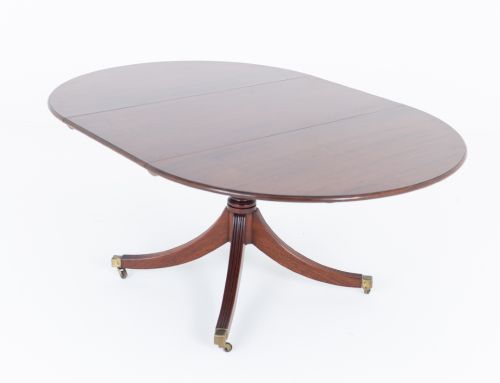
A mahogany pedestal breakfast table is a versatile dining or centre piece supported by a central pillar rather than four corner legs, designed to accommodate morning meals or evening gatherings alike. When searching for a mahogany pedestal breakfast table, buyers encounter examples originating primarily from the Georgian, Regency, and Victorian periods, alongside later revival pieces.
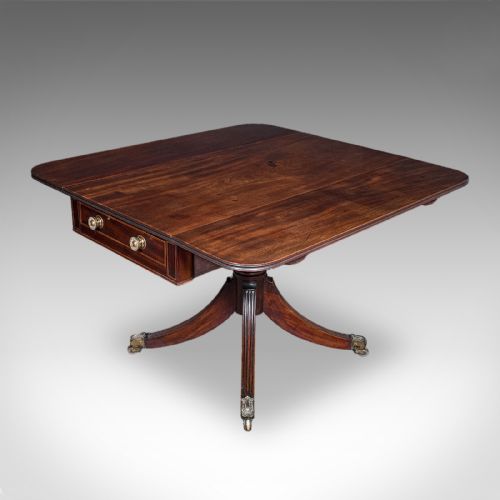
While many serve primarily as four to six-seater dining tables, the category also embraces drop-leaf and occasional variants built from dense hardwoods. The enduring appeal lies in the combination of a generous top and an unhindered base that allows chairs to tuck away neatly.
Materials and Construction
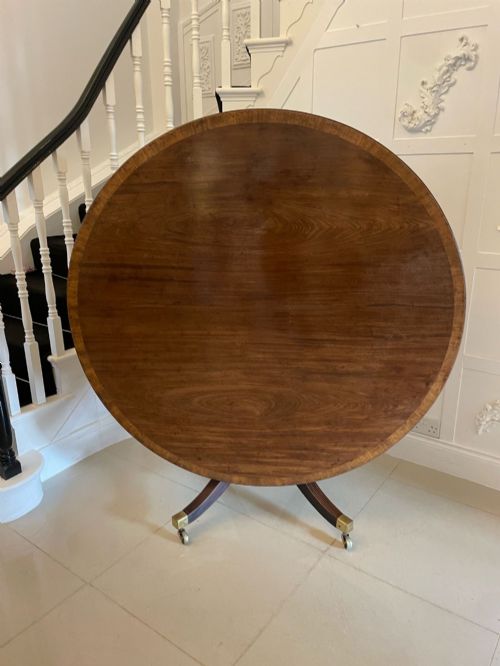
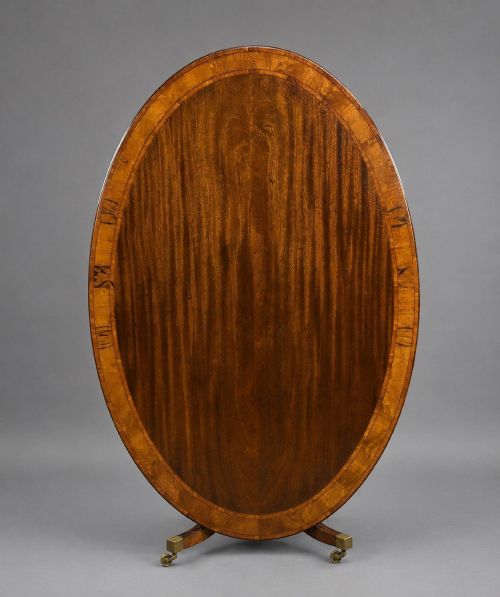
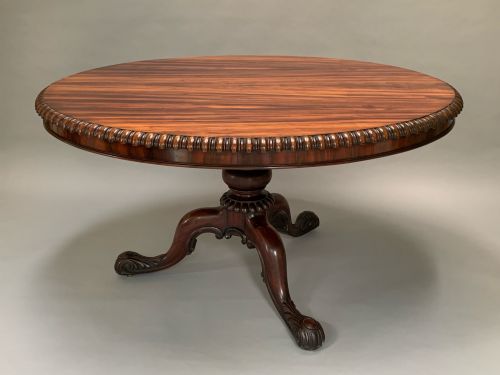
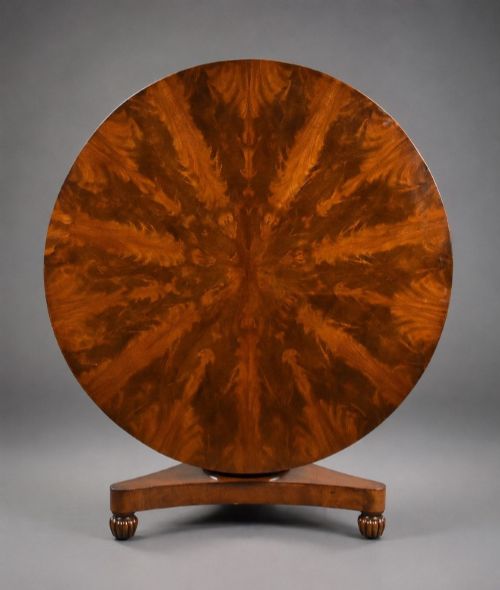
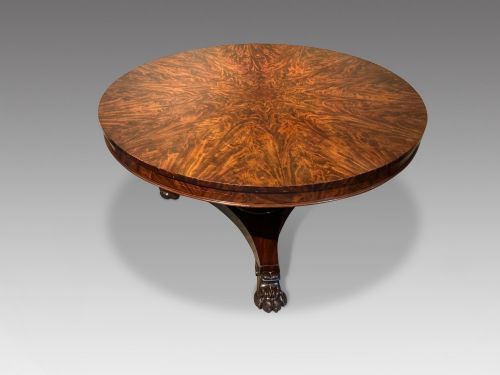
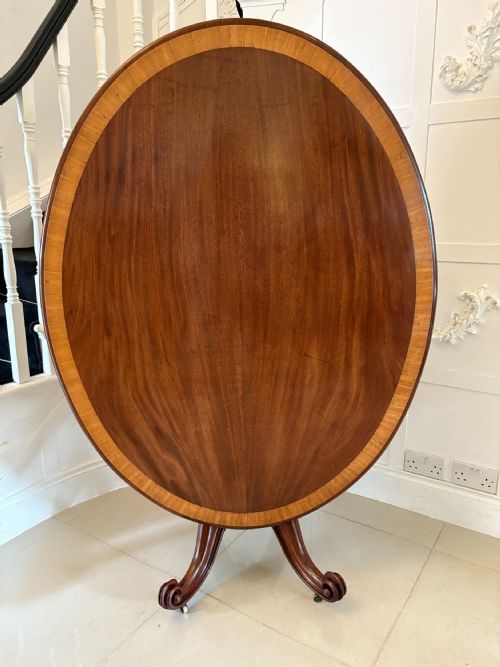
Makers relied heavily on solid mahogany and figured veneers, often selecting flame mahogany, Cuban mahogany, or rosewood to create striking grain patterns across the tabletop. Satinwood crossbanding and brass inlay frequently accent the borders, adding contrasting tones to the rich dark timber.
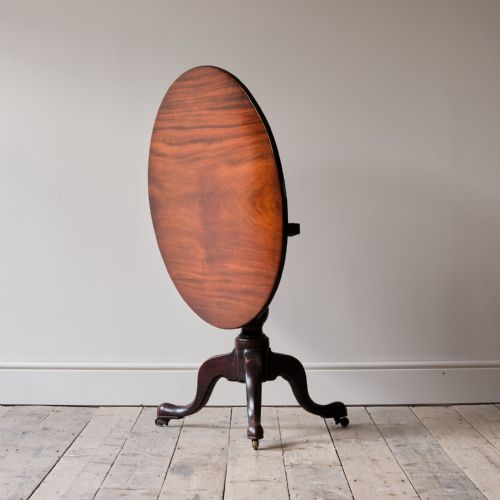
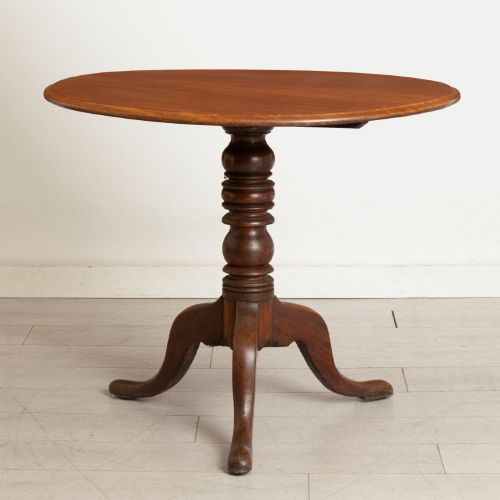
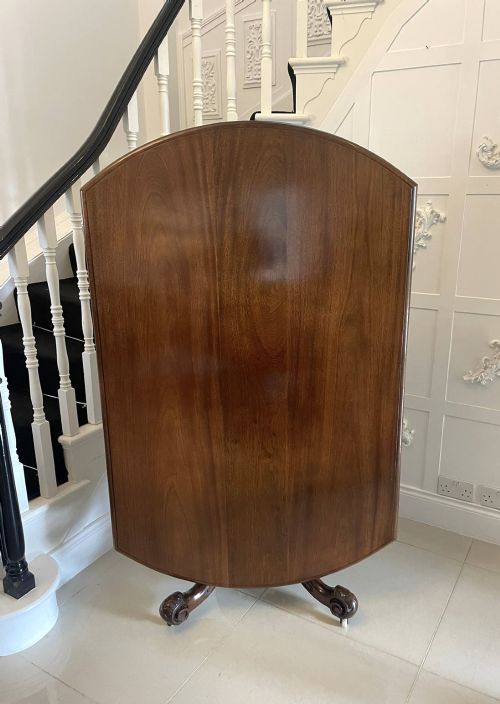
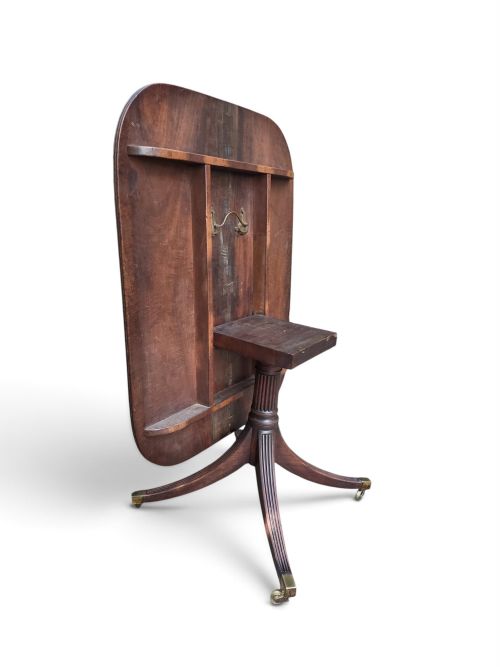
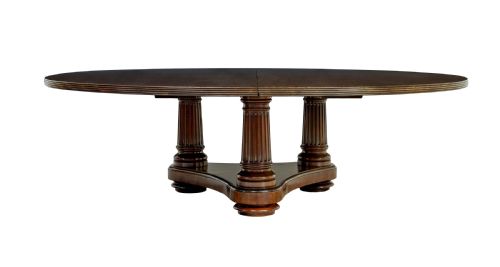
The structural strength depends upon the central column and the joint where it meets the heavy footed base, whether tripod, quadruped, or triform. Many tops were constructed to tilt upright on a brass or iron catch, allowing the table to be stored against a wall when not in use.
Tilt-top breakfast tables were routinely parked upright against drawing room walls like giant wooden shields to reclaim floor space for evening dancing.
Distinctions in Execution
The division between standard and superior pieces rests on the choice of timber and the depth of figure in the mahogany veneer. Selection of highly figured flame mahogany or carefully matched segments indicates a maker working at the higher end of the craft.
Stability and proportion dictate the success of the pedestal form, where a well-balanced base prevents the heavier tops from wobbling on uneven floors. Fine turning on the central pillar and crispness in the carving of the splayed legs separate workshop productions from mass-market outputs.
Gillows·Walker-Lancaster
The Mahogany Pedestal Breakfast Table Glossary
- Tilt-top
- A tabletop hinged to the central column so it can be pivoted vertically to save space. This mechanism often incorporates a brass catch and a block.
- Crossbanding
- A border of veneer laid around the perimeter of a tabletop with the grain running perpendicular to the centre. This technique frames the primary wood.
- Triform base
- A pedestal support resting upon three feet radiating from the central column. It is frequently seen on William IV and Regency examples.
- Patina
- The surface sheen and softened tone developed by timber through age, handling, and light exposure over decades. Faded patina is prized by collectors.
Mahogany Pedestal Breakfast Table: Frequently Asked Questions
What is a mahogany pedestal breakfast table?
A mahogany pedestal breakfast table is a freestanding dining or centre table supported by a single central column rather than four legs at the corners.
Originally built for morning meals or informal dining in Georgian and Victorian homes, the design allows diners to sit comfortably without corner legs obstructing their chairs.
How do I tell a Regency table from a Victorian one?
Regency tables, generally dating from the early 19th century, often display cleaner classical lines, brass inlay, and light wood crossbanding on figured mahogany.
Victorian pieces from the mid-19th century tend to feature heavier proportions, bolder turning on the central pillar, and darker, deeply polished timber finishes.
Can I use a tilt-top table every day?
A tilt-top table is sturdy enough for daily dining provided the mechanism and the catch securing the top to the pedestal remain tight and secure.
Many period examples were designed for regular use, though leaning heavily on a tilted top should be avoided to protect the hinge block.
How many people do these tables seat?
Most circular or oval pedestal tables in this category comfortably seat between four and six diners, depending on the diameter of the top.
The absence of corner legs makes it easier to tuck additional chairs around the perimeter when hosting guests.