
Mahogany Cupboard Doors
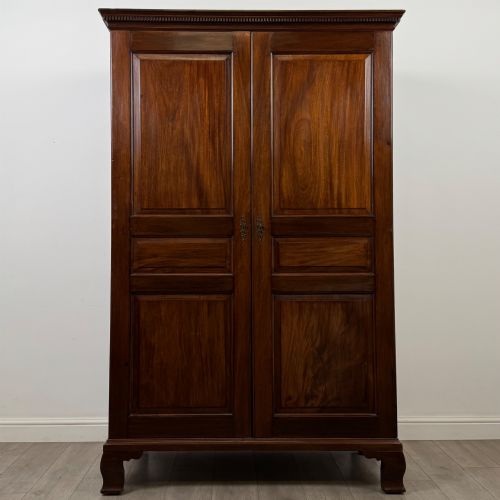
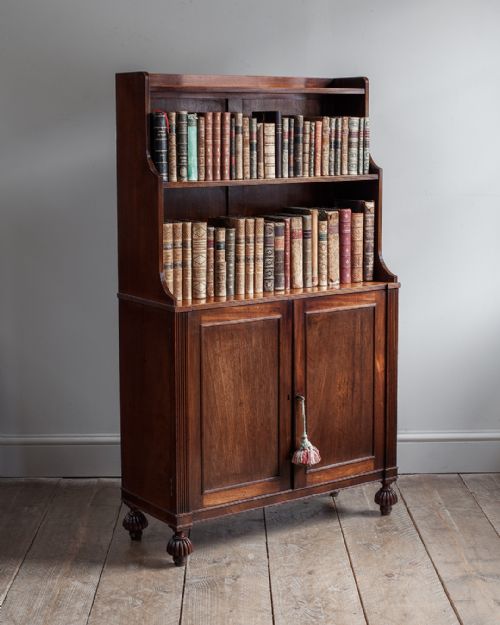
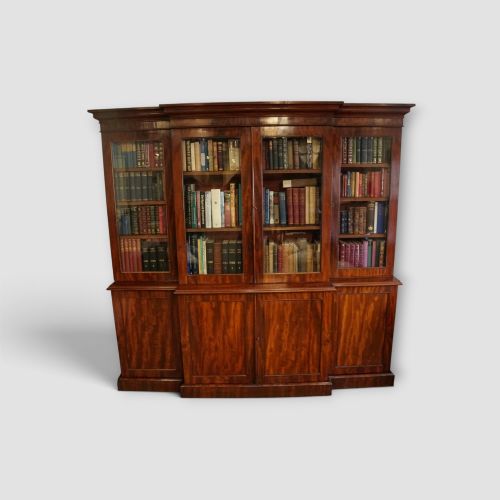
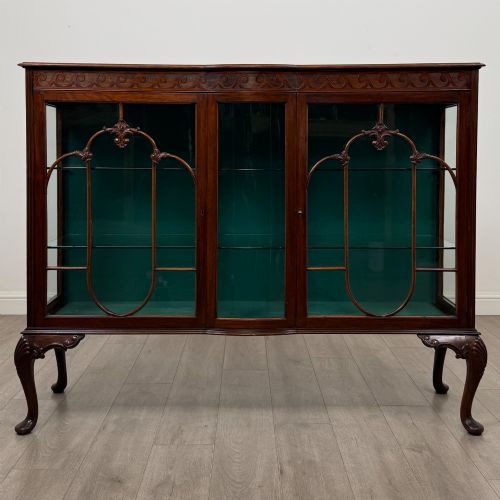
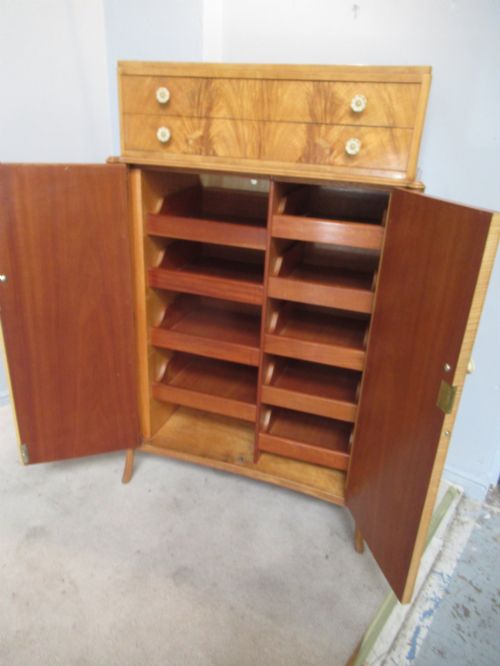
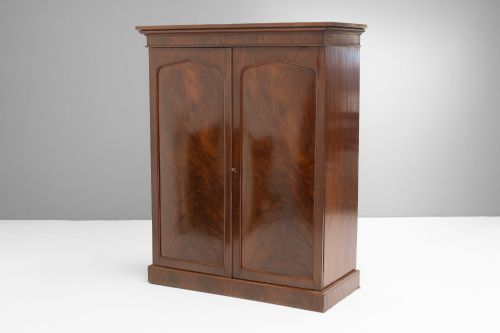
These mahogany cupboard doors open to reveal the functional timberwork of nineteenth century bookcases, wardrobes, and display cabinets.
Mahogany Cupboard Doors
When you search for mahogany cupboard doors, you are looking at the hinged timber panels that close the front of various antique storage furniture.
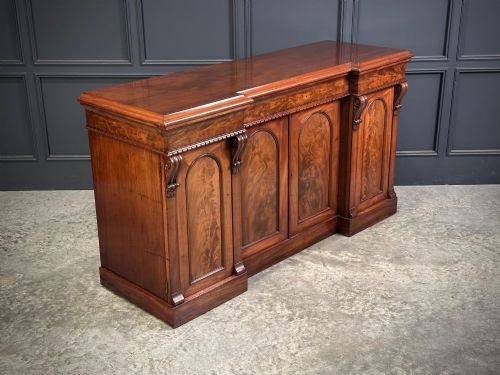
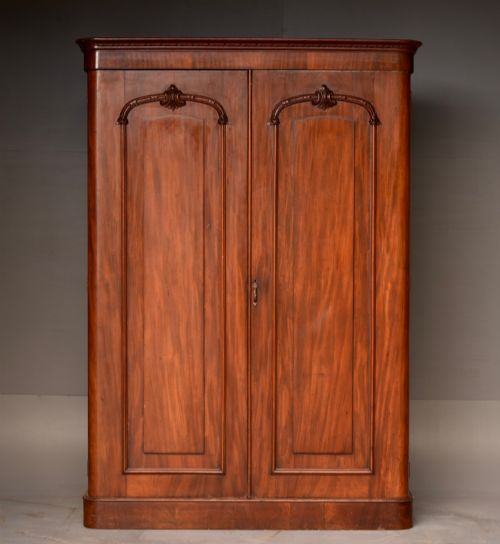
The evidence shows these panels integrated into bookcases, display cabinets, sideboards, and wardrobes spanning the Georgian, Victorian, and Edwardian periods.
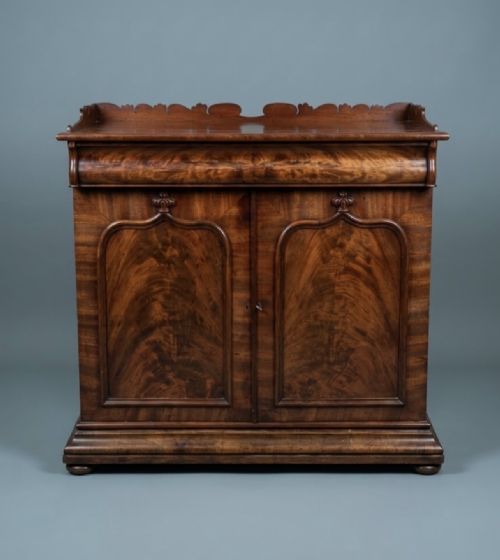
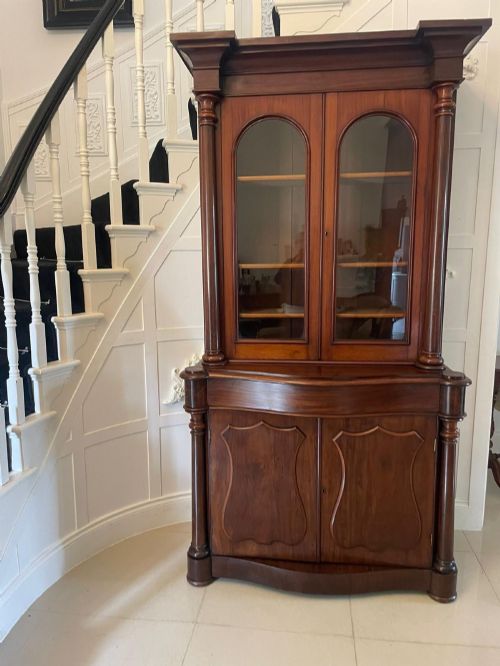
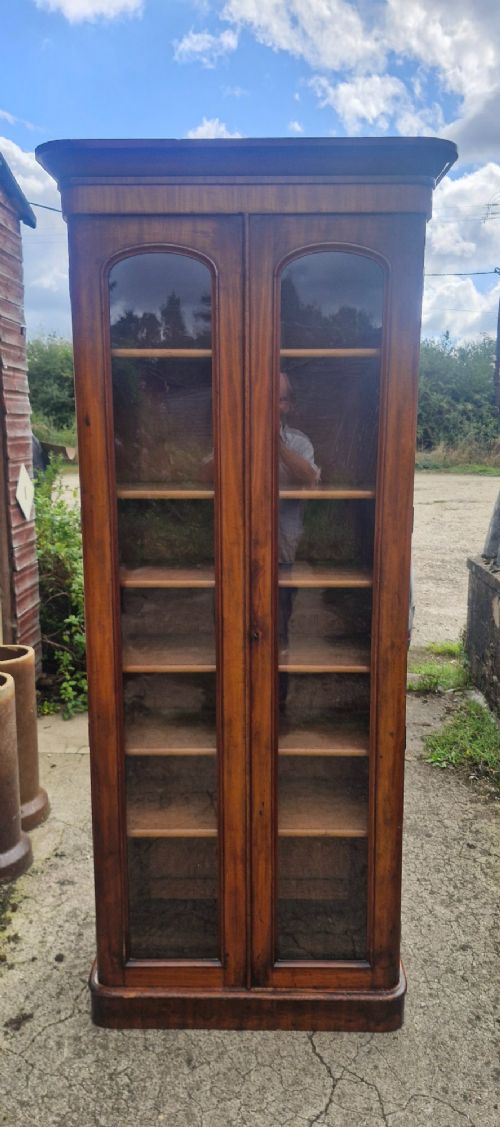
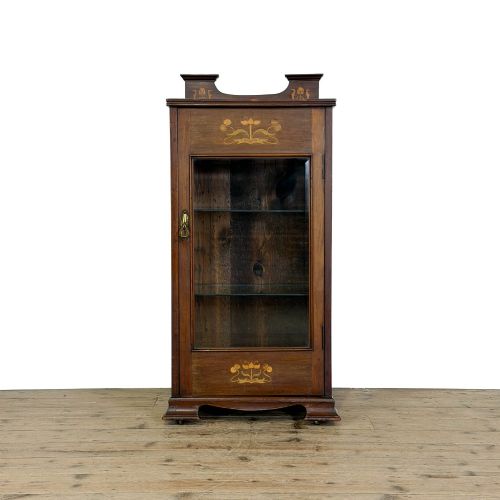
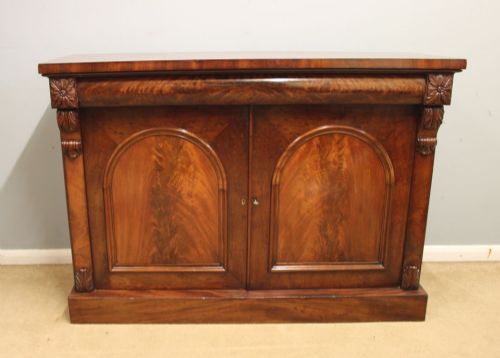
You will most frequently meet solid mahogany or flame mahogany veneer doors attached to Victorian and Edwardian cabinets, alongside glazed variants showing adjustable shelves within.
Materials and Technique
Cabinet makers utilised dense timbers such as mahogany, flame mahogany, and satinwood, often pairing solid frames with figured veneer panels for visual depth.
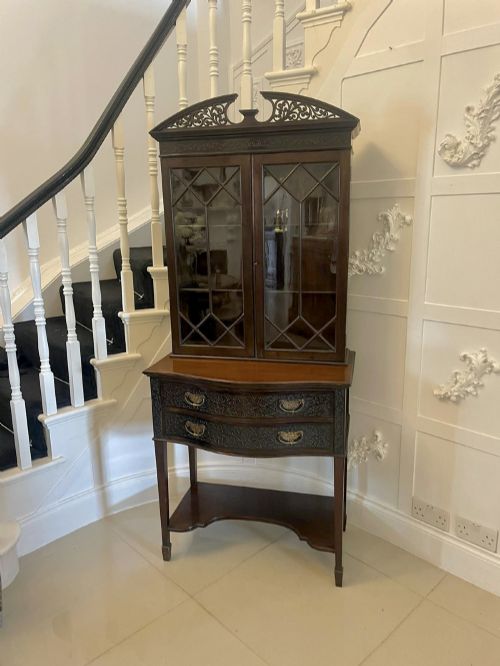
Construction frequently incorporated brass hardware, glass panes for glazed display sections, and sometimes secondary woods like oak, forming sturdy frames that withstand centuries of opening and closing.
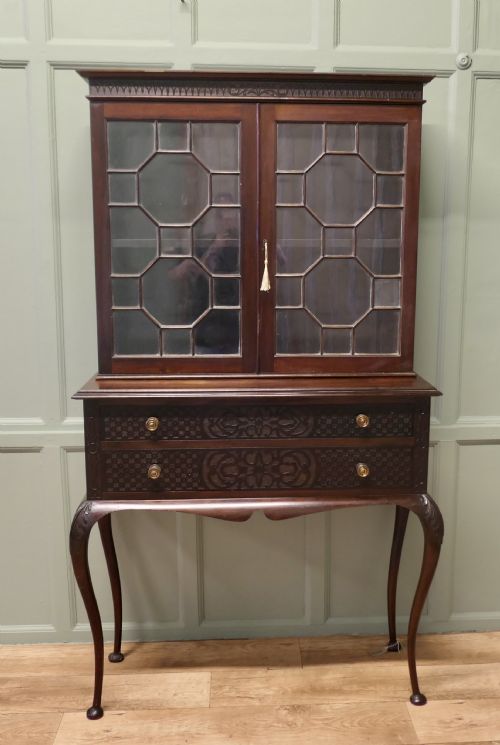
Listings span multiple design movements, including Regency, William IV, Victorian, Edwardian, and Chinese Chippendale styles.
Assessing the Craft
Quality rests in the selection of figured mahogany timbers and the precision of the joinery around the door panels and frames.
Finer examples demonstrate balanced grain alignment across paired doors and seamless integration with brass fittings and glass glazing bars.
Maples & Co.
The Mahogany Cupboard Doors Glossary
- Flame mahogany
- A distinctive timber figure resembling flickering flames, created by cutting across the branch junctions of the tree. This highly decorative veneer was favoured for prominent cabinet doors.
- Astral glazed
- A method of dividing glass panes within a cabinet door using slender timber bars arranged in geometric or Gothic patterns. These delicate frames permit a clear view of interior shelves.
- Breakfront
- A cabinet design where the central section projects forward from the flanking wings. This architectural arrangement creates varied planes across large bookcase and sideboard doors.
- Bowfront
- A convex, outwardly curved furniture front that follows a gentle arc. Cupboard doors built to this shape require specialised joinery to maintain alignment along the curve.
- Chiffonier
- A compact sideboard or low cabinet typically fitted with enclosed cupboard doors below a drawer and shelf. These pieces became common in nineteenth century dining rooms.
Mahogany Cupboard Doors: Frequently Asked Questions
What pieces feature mahogany cupboard doors?
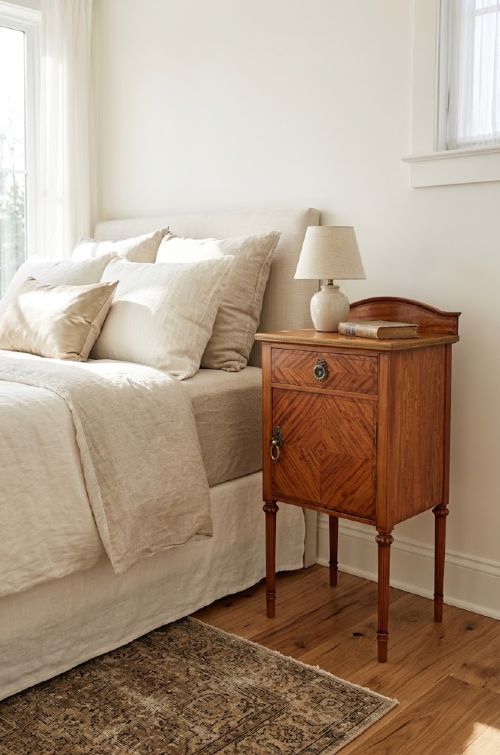
These doors appear across a wide variety of nineteenth and early twentieth century storage furniture. You will find them fitted to bookcases, display cabinets, wardrobes, and bedside tables.
They serve to enclose shelving spaces, library compartments, and linen presses while displaying the rich grain of the timber.
How do I care for antique mahogany?
Maintain the timber by keeping pieces away from direct heat sources and sudden changes in humidity. Regular dusting with a soft, dry cloth preserves the polished surface without the need for heavy chemical treatments.
Feed the wood periodically with traditional wax polish to nourish the grain and protect the finish.
Are the shelves adjustable?
Many of the bookcases and display cabinets recorded in the evidence feature adjustable shelving behind their doors. This allowed owners to alter the interior spacing for books or decorative objects of varying heights.
Some smaller bedside cupboards and side cabinets utilise fixed internal shelving.
How do I distinguish Victorian from Edwardian pieces?
Victorian cabinets generally display heavier proportions, darker finishes, and deeper carved details spanning the mid to late nineteenth century. Edwardian pieces from the early twentieth century often present lighter tones, satinwood highlights, and simpler inlaid decoration.
Both periods make extensive use of mahogany solids and veneers.