
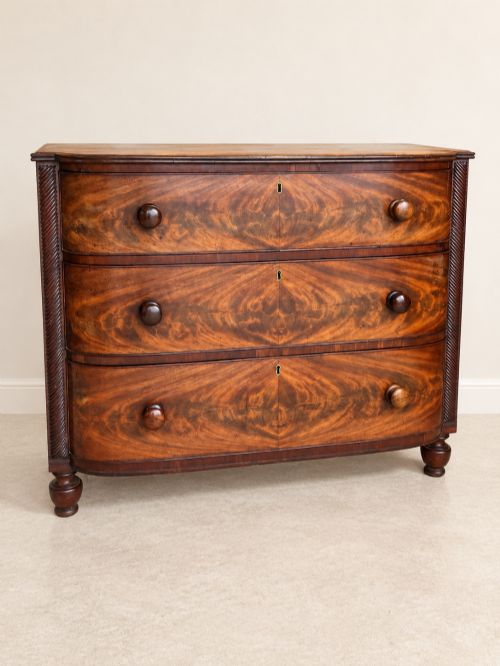
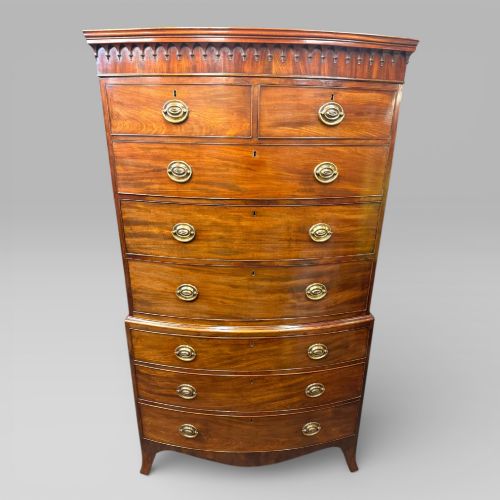
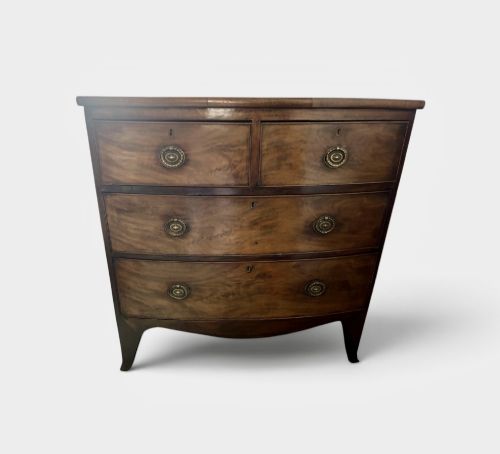
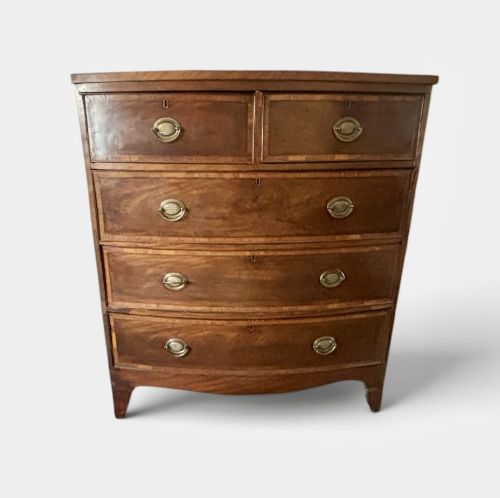
Mahogany Bow Front Chest
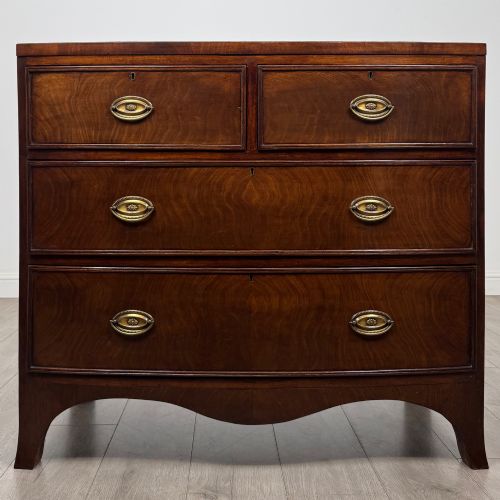
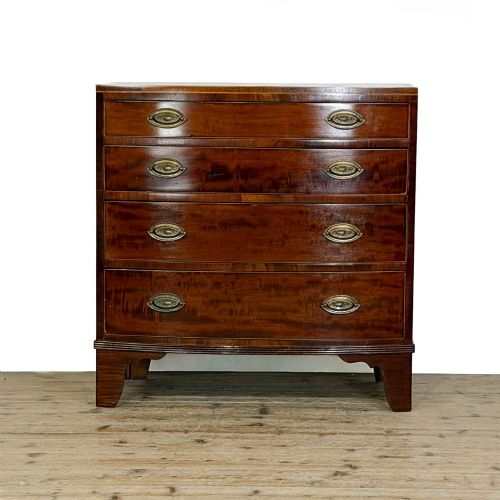
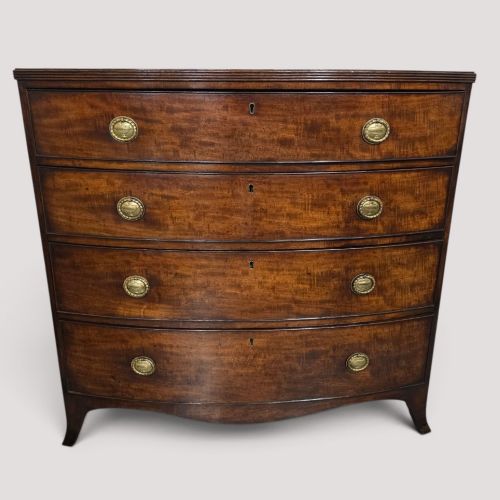
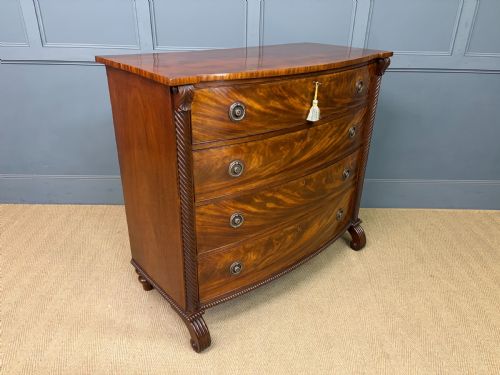
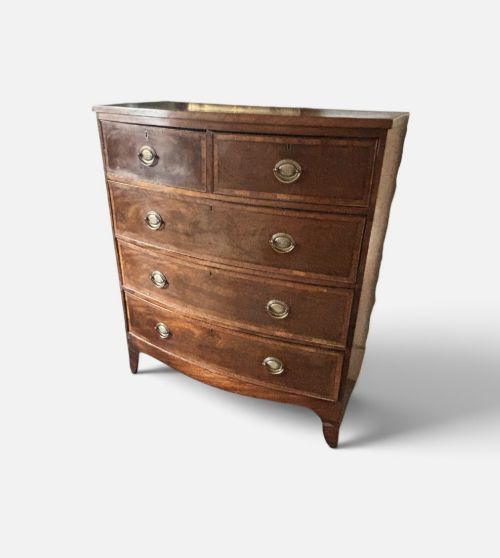
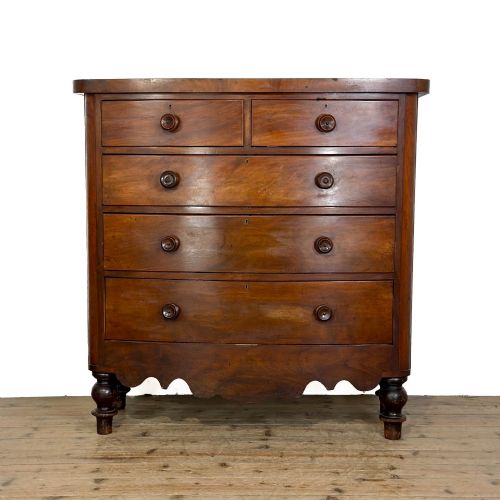
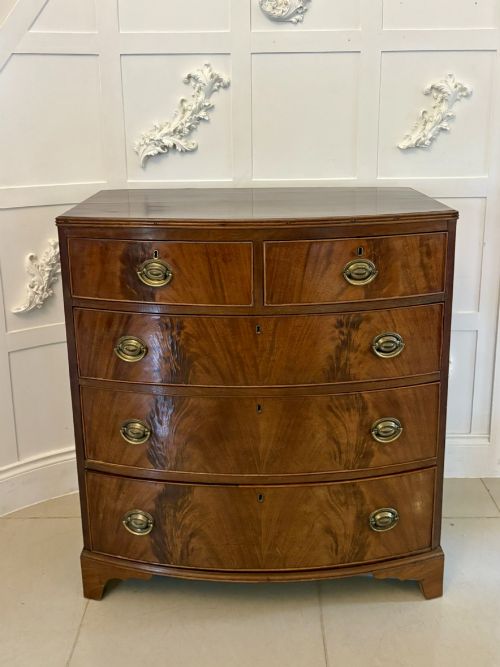
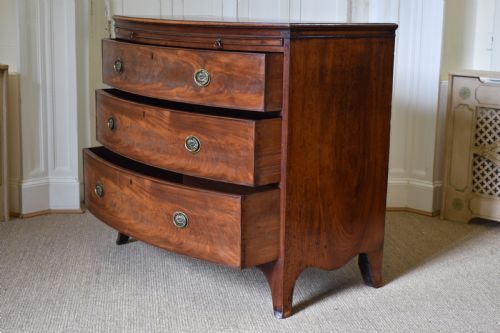
When you examine a mahogany bow front chest, you encounter a refined storage piece defined by its curved facade and rich timber grain.
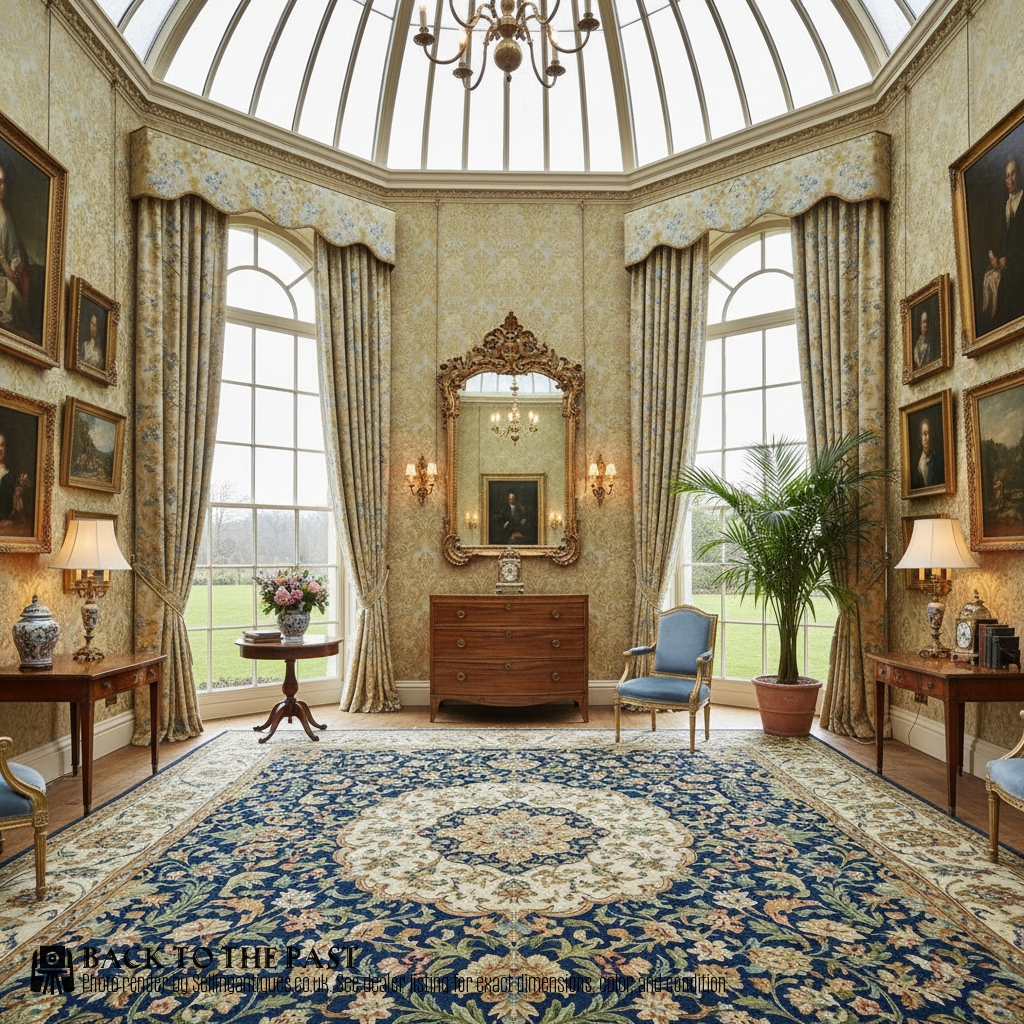
Mahogany Bow Front Chest
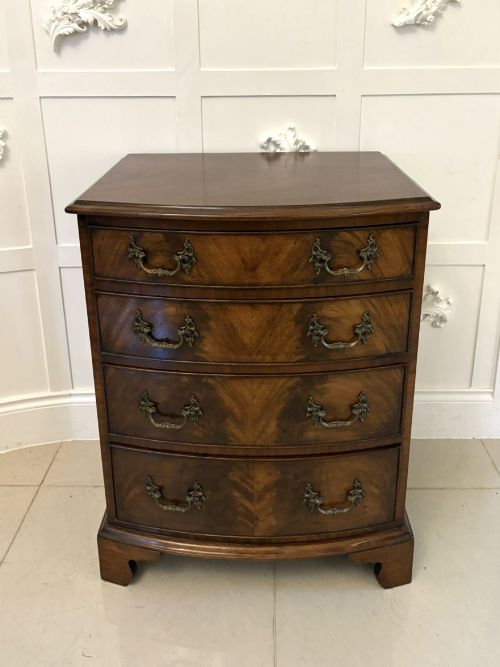
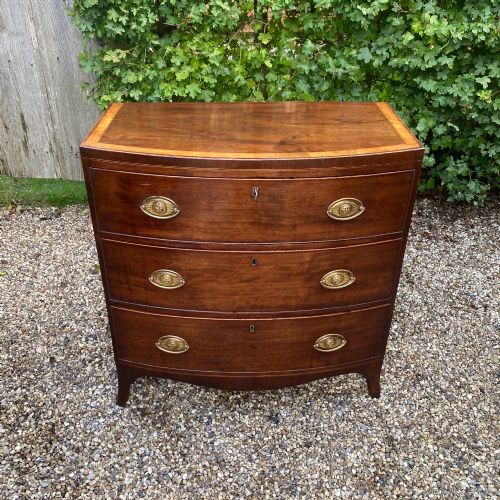
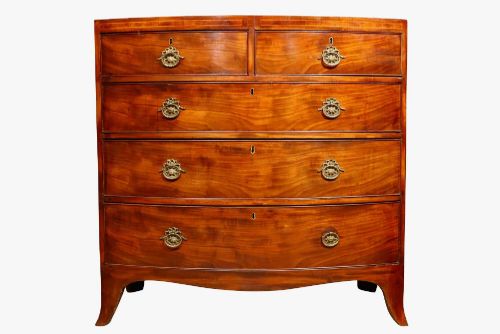
A mahogany bow front chest presents a curved front facade housing multiple graduated drawers for domestic storage. These storage pieces appear frequently in Georgian, Regency, and Victorian styles, spanning the eighteenth and nineteenth centuries.
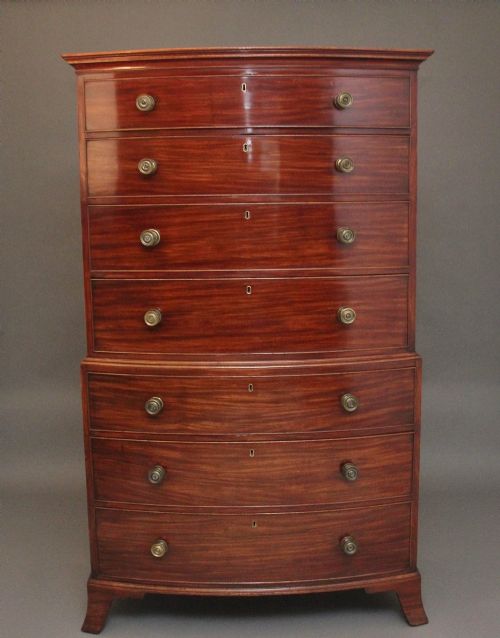
The version most commonly encountered on this page originates from the Regency and Georgian eras, often standing on bracket feet or short legs. Cabinetmakers produced these chests in various proportions, ranging from small bachelor models and dressing chests to taller examples.
Makers also produced related forms matching this search phrase, including sideboards, tallboys, chests on chests, and miniature furniture pieces. Regional variations emerge from Scottish and Welsh workshops alongside standard English cabinet work.
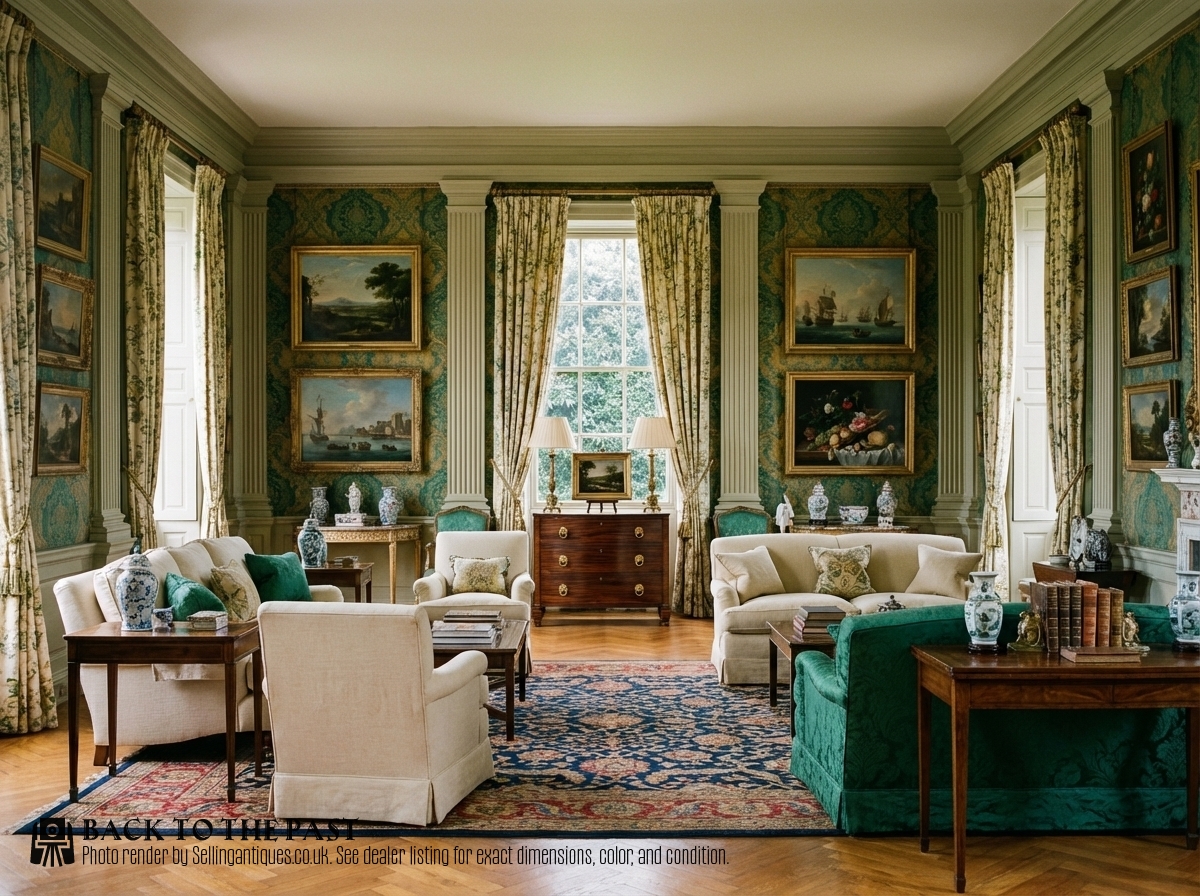
Materials and Construction
Cabinetmakers built the structural carcases of these chests using solid mahogany and secondary timbers such as pine. They frequently applied figured mahogany veneer or flame mahogany veneer across the drawer fronts to accentuate the natural grain patterns.
Workshops utilised decorative banding and inlay techniques, incorporating contrasting timbers like satinwood around the borders. Brass hardware, including drop handles and escutcheons, completed the assembly of the drawer fronts.
Mahogany Bow Front Chest Retail Price Guide 2026
Typical asking prices for mahogany bow front chest among the pieces listed under this phrase on Sellingantiques today, from the lower quarter to the upper quarter. They describe what is for sale here now, not the wider market.
Several pieces feature hidden secret drawers tucked discreetly beneath the top moulding for safekeeping valuables.
Judging the Standard
Quality in a mahogany bow front chest rests upon the selection of timber veneers and the precision of the curved drawer construction. Superior examples display carefully matched flame mahogany or satinwood banding that flows continuously across the facade.
The fineness of the dovetailed drawer joints and the integrity of the original brass handles distinguish higher grade pieces. Well-executed pieces retain a deep natural patina on the wood surfaces accumulated over centuries.
Edwards and Roberts
The Mahogany Bow Front Chest Glossary
- Bow front
- A convex curved front facade characteristic of these chests and sideboards. This curved profile softens the rectangular lines typically found in standard case furniture.
- Flame mahogany
- A veneer cut from timber where the branch meets the trunk, producing a distinctive flame-like pattern. Cabinetmakers prized this figure for its visual impact on drawer fronts.
- Crossbanding
- A border technique where thin strips of veneer are laid perpendicular to the surrounding grain. This method frames the drawer fronts with contrasting timber colours.
- Graduated drawers
- A series of drawers decreasing in depth from bottom to top. This arrangement provides structural stability and aesthetic balance to the chest facade.
- Caddy top
- A raised or moulded table top style found on specific early periods of case furniture. It adds a distinct profile to the upper edge of the chest.
Mahogany Bow Front Chest: Frequently Asked Questions
How do I identify a Georgian chest?
Georgian chests typically display hand-cut dovetail joints, solid mahogany timber construction, and traditional bracket feet. They often exhibit a rich depth of colour and simpler lines compared to later nineteenth-century iterations.
Examine the secondary timbers inside the drawers, such as oak or pine, to confirm period authenticity. The hardware should also reflect the manufacturing methods of the eighteenth century.
What is flame mahogany?
Flame mahogany is a highly figured wood veneer derived from specific sections of the mahogany tree. The grain creates a flickering, three-dimensional pattern resembling flames across the surface.
Cabinetmakers reserved this prized veneer for the primary display areas, such as drawer fronts, on finer Regency and Georgian pieces.
Where should I place a bow front chest?
These chests function effectively in bedrooms, hallways, or living rooms as practical storage furniture. Their curved facade allows them to occupy less visual space than rectangular cabinets of similar width.
Ensure the placement protects the polished wood surfaces from direct sunlight and extreme temperature fluctuations to preserve the timber finish.
How do I care for antique mahogany?
Maintain antique mahogany surfaces by dusting gently with a dry, soft cloth. Avoid commercial silicone polishes that can build up and damage the historic wax or French polish finish.
Apply a traditional beeswax occasionally to nourish the timber and maintain the natural patina developed over the centuries.