
Low Wooden Tea Table
A low wooden tea table brings domestic history to the floor, offering a solid surface for cups and books.
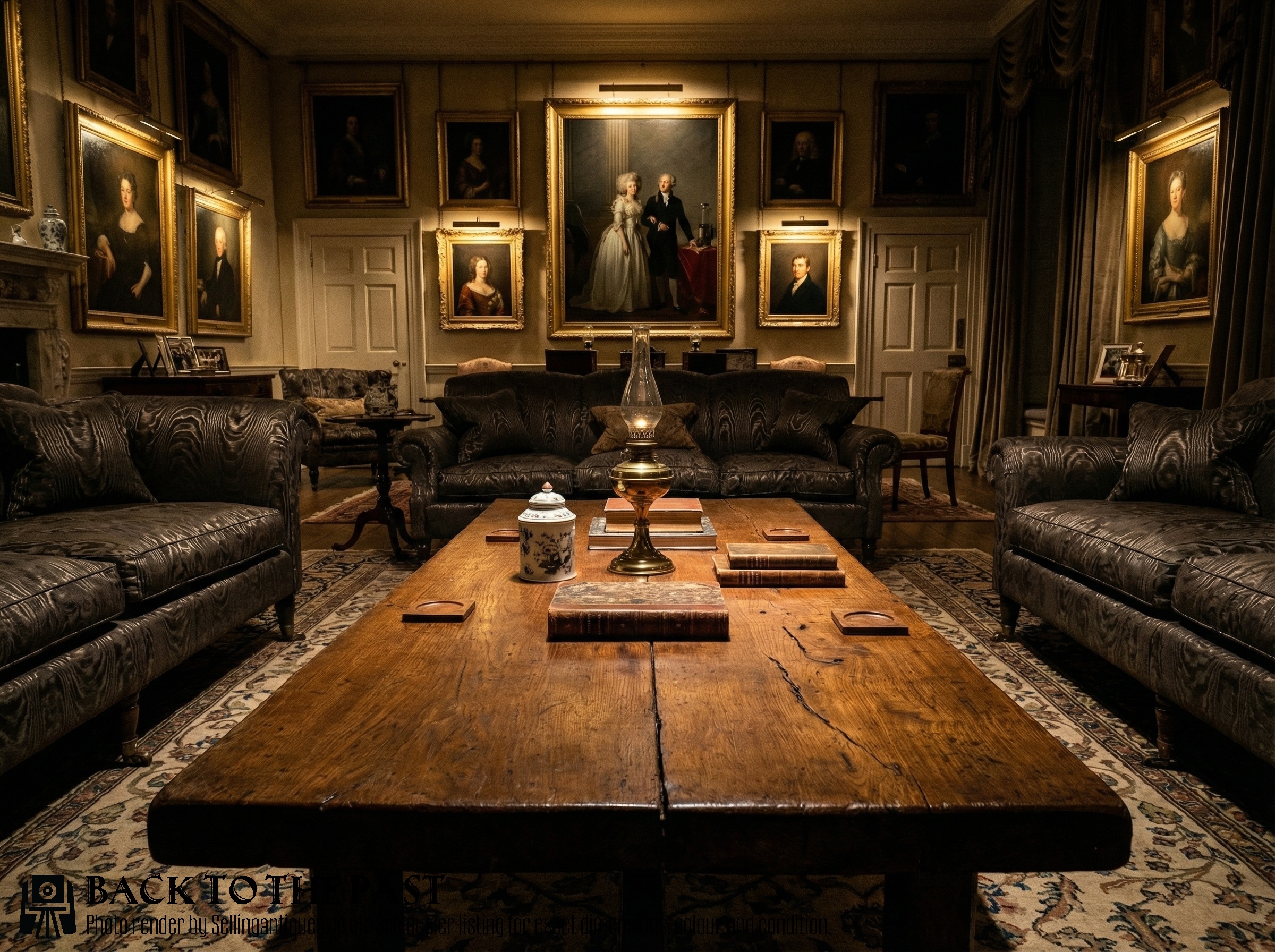
Low Wooden Tea Table
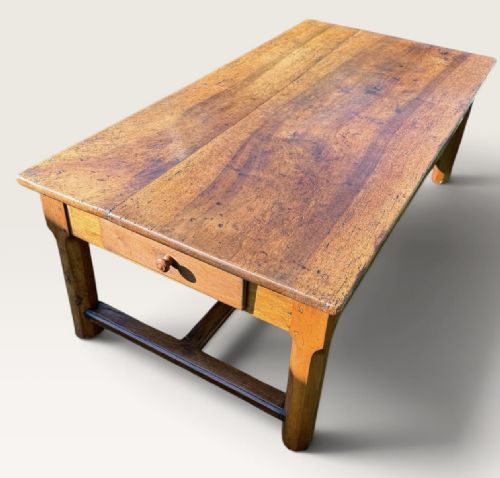
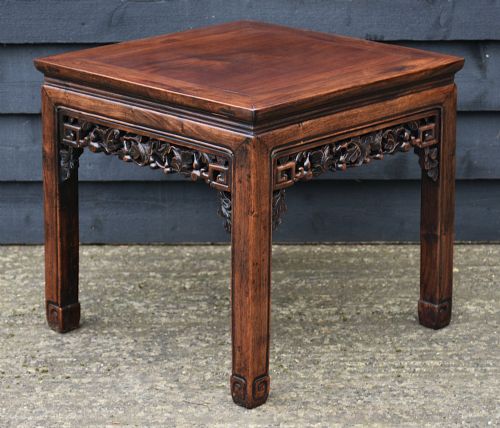
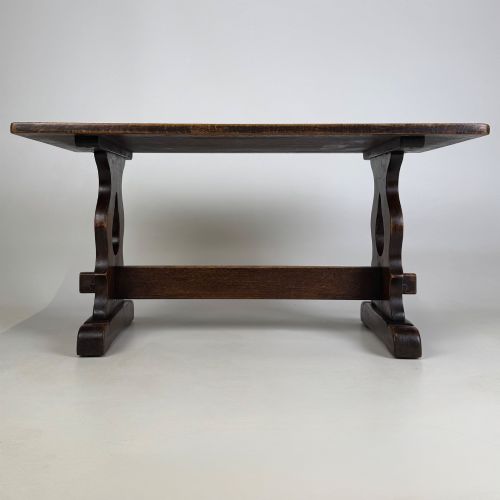
A low wooden tea table serves as a central surface in a room, drawing on forms from the 18th century onward. Buyers exploring a low wooden tea table encounter pieces adapted from earlier wine tables, opium tables, and traditional low forms alongside standard coffee tables.
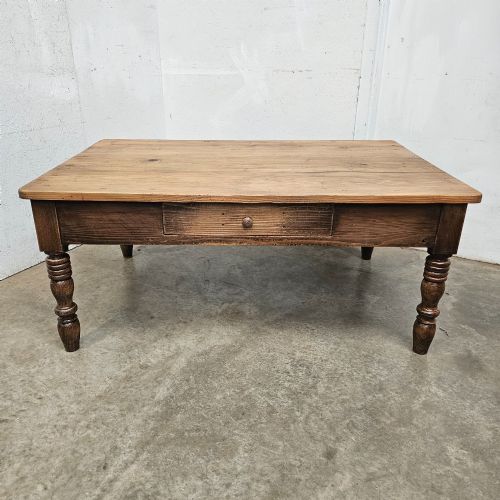
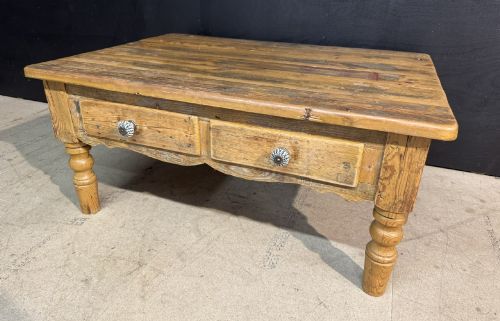
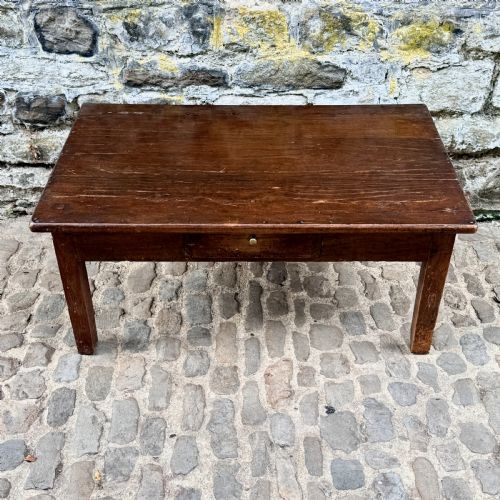
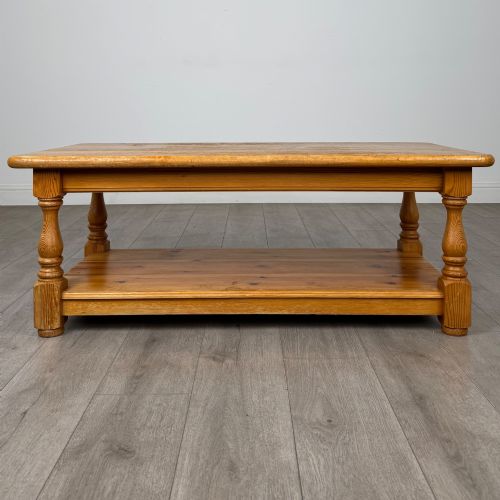
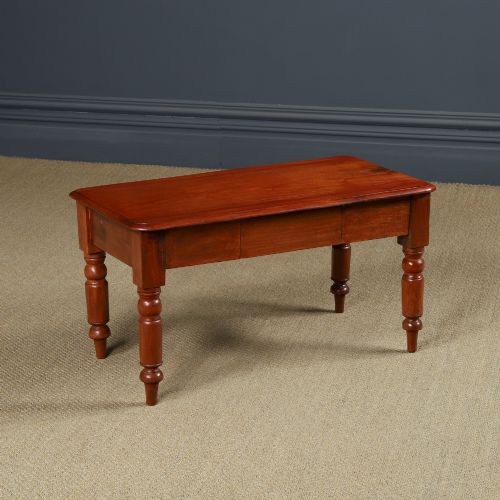
The materials span walnut, oak, elm, mahogany, pine, and various hardwoods, reflecting domestic and international workshops. Pieces range from rustic farmhouse pine to refined walnut and mahogany creations from Victorian and Edwardian periods.
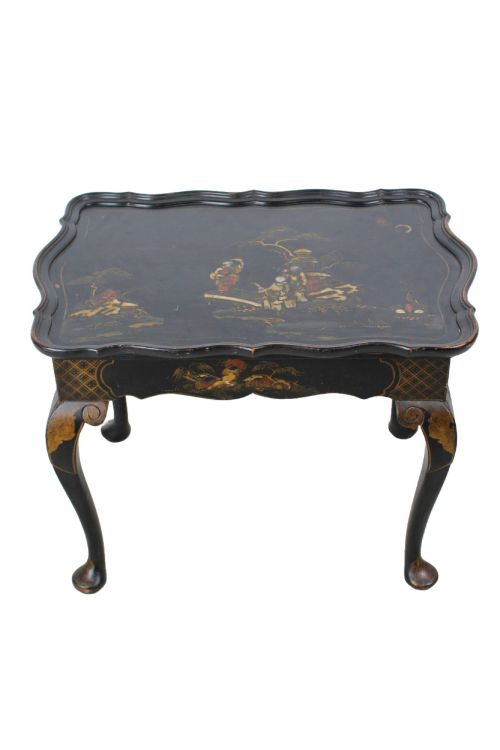
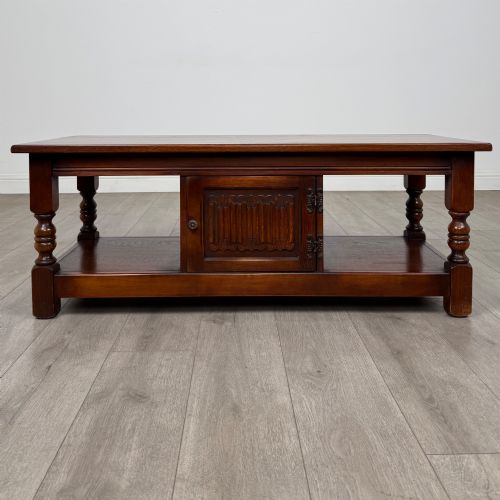
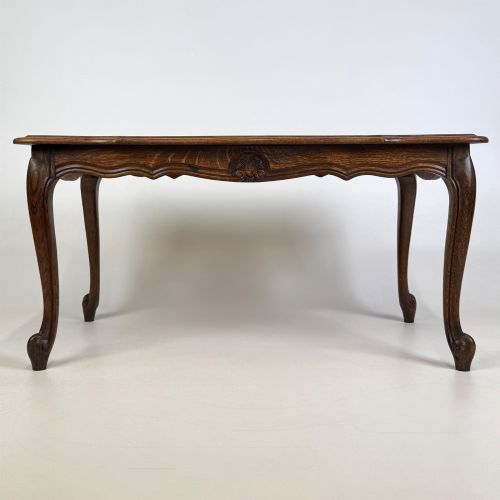
Origin points vary widely, taking in English, French, Austrian, Danish, Chinese, Japanese, and Anglo-Indian workshops. This broad geographic spread means a low wooden tea table can present straightforward turned legs or intricate carved decoration.
Materials and construction methods
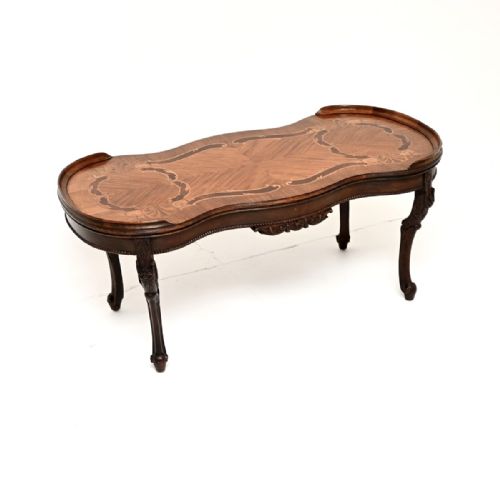
Makers utilised solid timbers such as oak, elm, walnut, and mahogany, often selecting figured varieties like burr walnut for decorative surfaces. Hardwood and pine formed the structural frames and tops, sometimes finished with marquetry inlay or painted details.
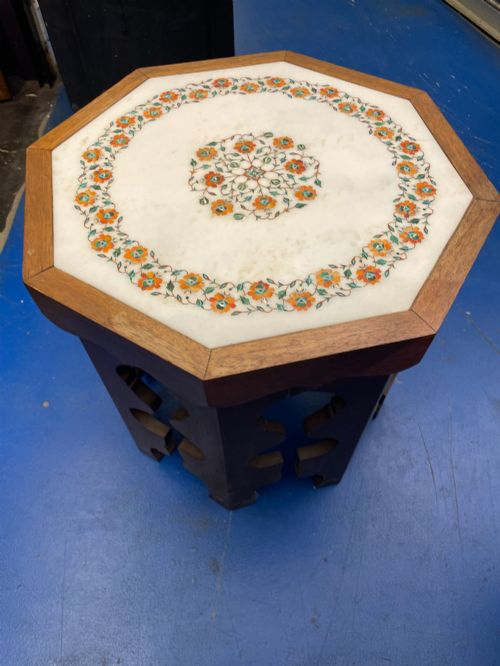
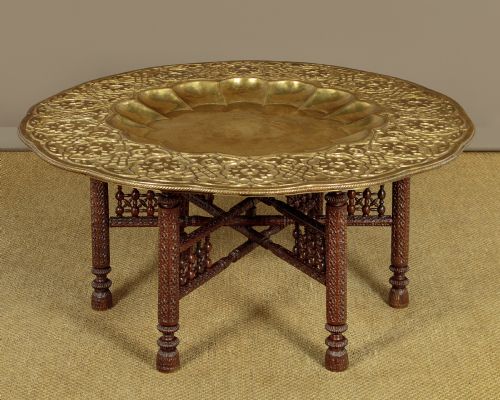
Joinery methods relied on traditional wood-working techniques to secure turned legs, carved aprons, and tray tops. Some examples incorporated brass fittings or marble inserts alongside the primary timber construction.
Factors that define quality
Quality rests on the selection of timber and the precision of the joinery, distinguishing straightforward utility pieces from finer creations. Figured grains, marquetry work, and carved details require greater skill than plain board construction.
The integrity of the frame and the stability of the low stance determine how well a piece holds up to daily use. Superior examples show careful attention to proportions and finish, whether built in a rustic farmhouse style or a formal revival aesthetic.
Betty Joel
The Low Wooden Tea Table Glossary
- Marquetry
- The art of applying pieces of veneer to a structure to form decorative patterns. This technique appears on tabletops from the early 20th century.
- Hibachi
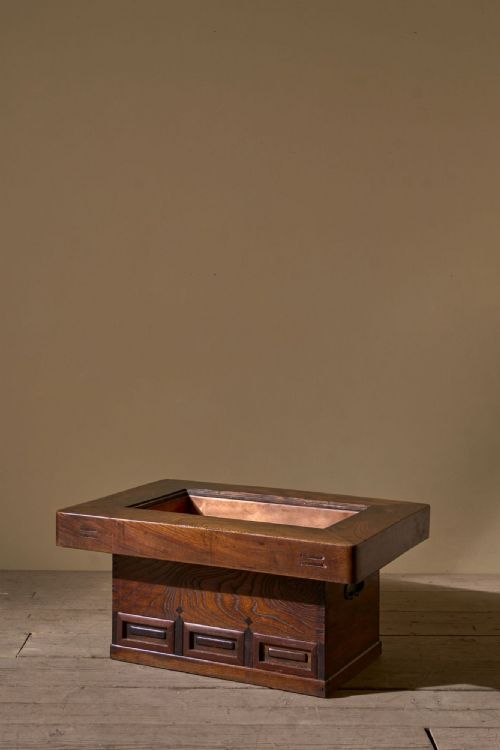
- A traditional Japanese heating device often adapted for use as a low table. These incorporate metal linings within wooden frames.
- Pie crust
- A carved, raised edge on a round tabletop that resembles pastry work. It appears on walnut and mahogany tables.
- Opium table
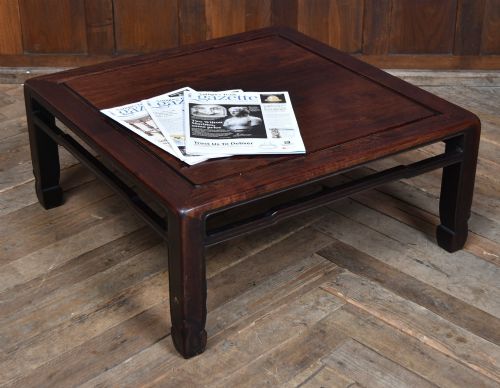
- A traditional low domestic table from East Asia used for dining or resting. They feature compact proportions and sturdy wooden legs.
Low Wooden Tea Table: Frequently Asked Questions
How do I date a wooden tea table?
Dating relies on timber choices, construction techniques, and stylistic markers associated with periods like the Victorian era or the 1920s. Examining the joinery beneath the top often reveals the working methods of the period.
Changes in hardware, such as brass fittings, and the presence of specific revival styles help narrow down the decade of manufacture.
Are these tables sturdy enough for daily use?
Most of these low tables were built for functional domestic service using durable hardwoods like oak, walnut, and elm. Their low centre of gravity inherently provides good physical stability.
Routine care and attention to the wooden surface ensure they handle everyday placement of cups and books without issue.
Where were low wooden tables originally used?
Geographic origins dictate the historical context, ranging from English and French country houses to Japanese interiors and Chinese domestic spaces. Some forms evolved from specific cultural tea traditions or heating devices.
European examples often began as standard occasional or wine tables before being lowered for modern use.
What is the difference between elm and oak tables?
Elm offers a distinct interlocking grain pattern that resists splitting, making it a favourite for rustic European farmhouse furniture. Oak provides a denser, heavier structure with prominent medullary rays that take carving exceptionally well.
Both timbers deliver robust support but present very different visual textures and tactile qualities.