
Rustic Country Low Table
A rustic country low table brings low-slung utility and honest materials to a modern sitting room.
Rustic Country Low Table
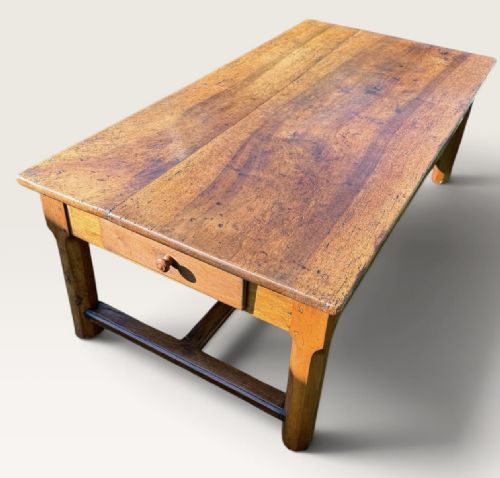
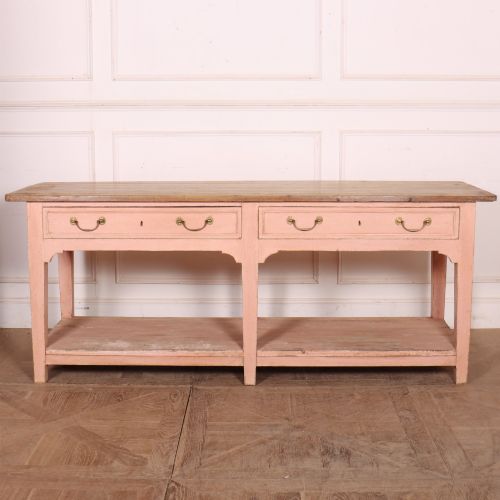
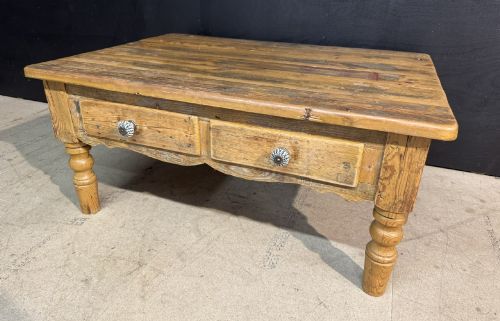
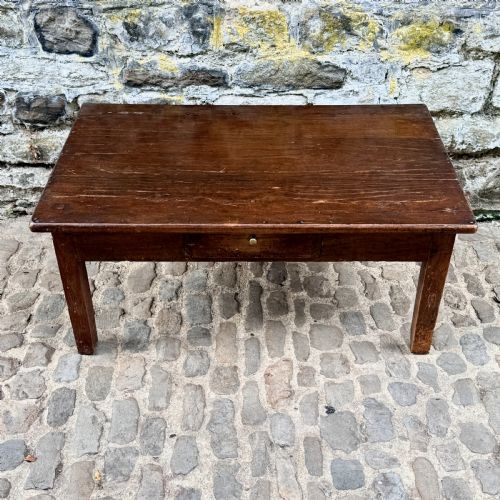
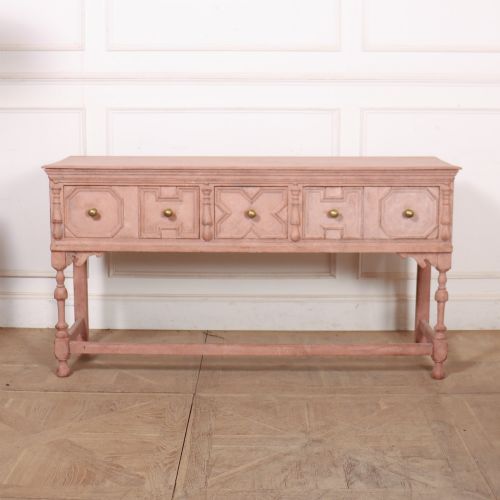
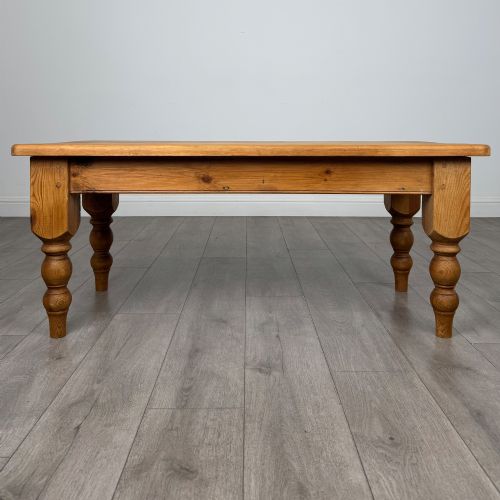
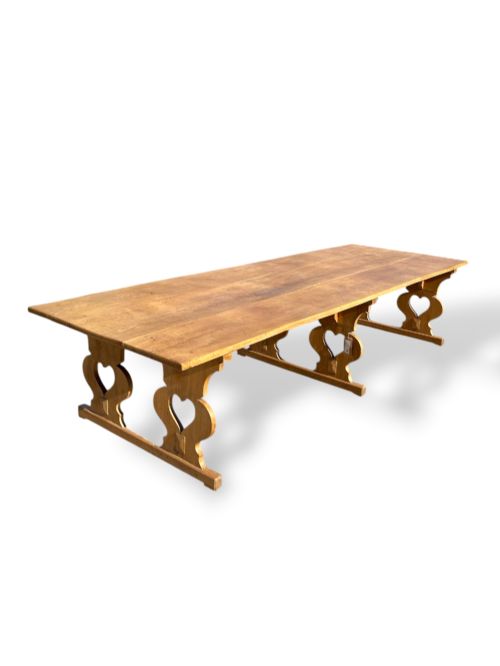
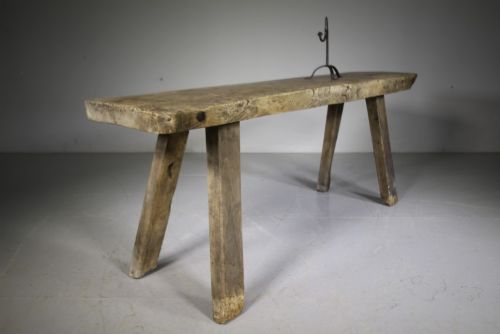
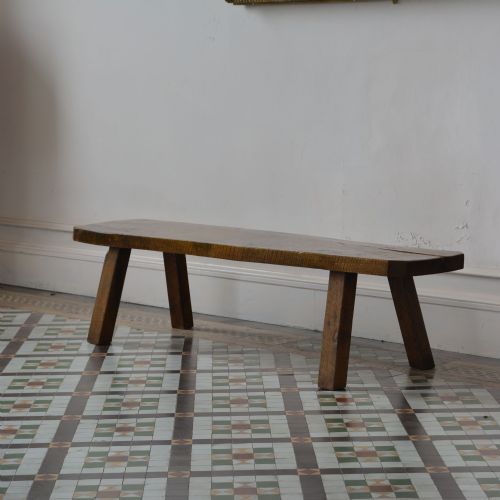
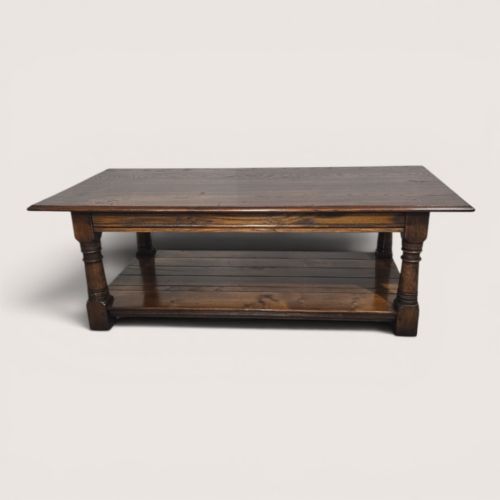
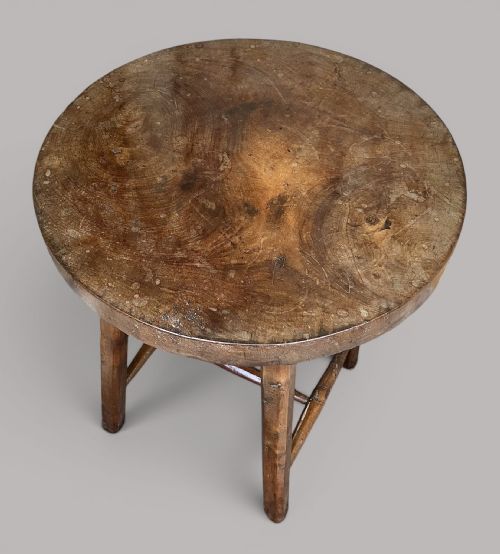
A rustic country low table takes many forms, drawing from coffee tables, benches, side tables, and low pantry tables. You will frequently encounter low tables fashioned from older carpenter's benches, pig benches, and low dresser bases adapted for domestic living rooms. These pieces originate across England, France, Wales, Austria, and Hungary, carrying the robust construction of everyday domestic work.
The selection spans from the eighteenth century through the Victorian and Edwardian eras, with nineteenth-century examples appearing most frequently. Makers built these items from sturdy timbers intended for hard use in kitchens, dairies, and pantries rather than formal parlours. The resulting low profile suits contemporary spaces where surface area is needed without visual bulk.
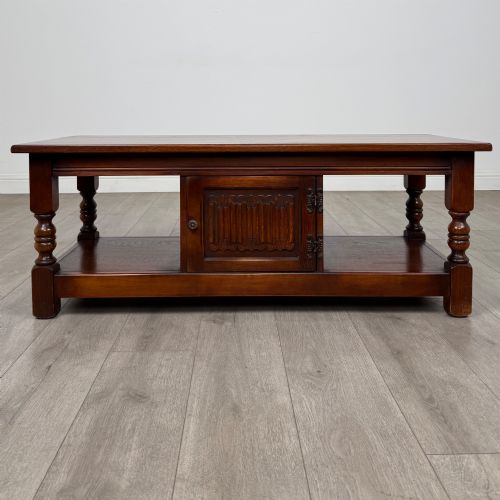
Stylistically, pieces range from English country and French provincial to Georgian designs and Jacobean revivals. Some retain their original paint or bleached surfaces, while others show the dark patination accumulated over generations of handling. Each piece tells a story of rural utility repurposed for the modern home.
Materials and construction
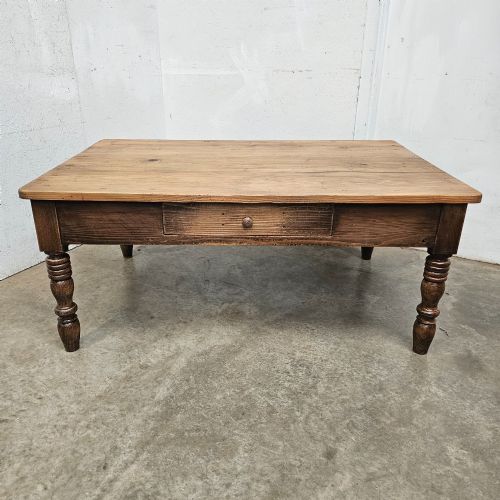
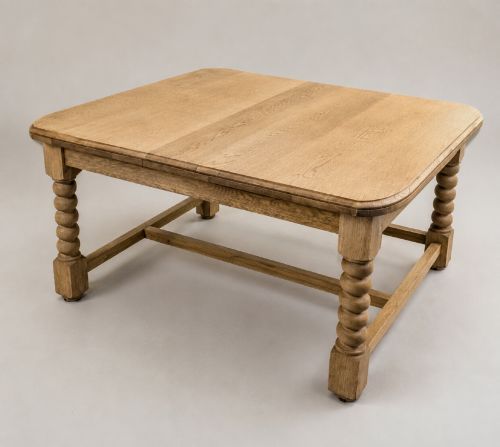
Carpenters relied on domestic hardwoods and softwoods such as oak, pine, elm, walnut, chestnut, sycamore, ash, and fruitwood. Solid timber construction forms the backbone of these pieces, utilising thick planks for tops and sturdy turned or square legs for support. Scrubbed pine tops sit alongside dark walnut and figured oak surfaces, showing the natural grain of the wood.
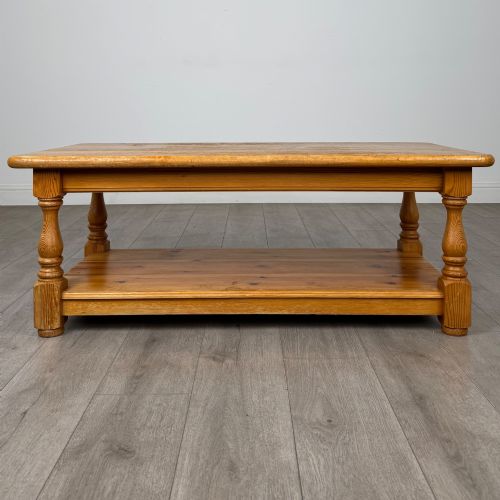
Joinery methods prioritize strength over ornament, utilising pegged mortise and tenon joints, dovetails, and simple underframing like potboards. Iron stretchers or wrought iron details occasionally appear for added stability in French and garden variants. Surfaces display the tool marks of the carpenter, from adzed tops to hand-planed boards.
Listings feature oak, pine, elm, walnut, and chestnut across periods spanning the eighteenth, nineteenth, and early twentieth centuries.
What separates the best pieces
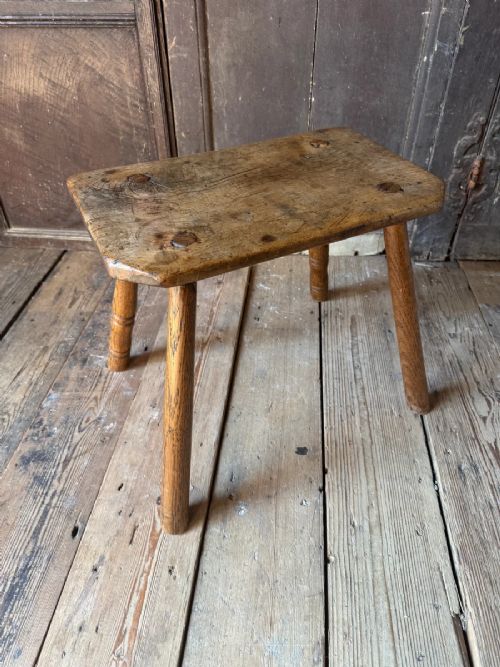
Quality rests in the integrity of the timber and the honesty of the conversion from its original purpose. A well-proportioned pig bench or low dresser base retains its original height and structural bracing without excessive cutting down. The depth of patination on the wood surface reveals how the table has aged through use.
Subtle details separate ordinary workshop output from finer country cabinet-making. Clean timber selection, balanced proportions in the legs and stretchers, and original surface treatments such as early paint or natural wax accumulation distinguish the superior examples.
The Rustic Country Low Table Glossary
- Pig bench
- A low wooden bench traditionally used in agricultural and domestic settings, now widely utilised as a narrow coffee table. These benches possess long, narrow proportions and sturdy legs.
- Potboard dresser base
- The lower section of a kitchen dresser featuring a low slatted shelf near the floor for storing pots and pans. When adapted as a low table, it provides substantial surface area and under-tier storage.
- Joint stool
- A sturdy wooden stool constructed with mortise and tenon joints rather than turned legs inserted into a seat. They offer robust stability and function well as compact low tables.
- Scrub top
- A wooden table top cleaned repeatedly with water and scrubbing brushes, leaving the grain raised and the wood pale and clean. This finish is typical of utilitarian kitchen and pantry tables.
- Patina
- The surface sheen and colour developed over decades through handling, waxing, and exposure to light. It is a hallmark of genuine age in hardwood and softwood furniture.
Rustic Country Low Table: Frequently Asked Questions
What is a pig bench?
A pig bench is a narrow, low wooden bench originally built for agricultural or butchery tasks in the country. Their long, shallow proportions make them ideal for modern living rooms as coffee tables.
They usually feature thick timber tops supported by four sturdy legs, often showing considerable wear from daily rural work.
How do I style a low table?
Pair these low tables with upholstered sofas or armchairs to create a grounded, tactile centrepiece in a sitting room. Their rustic surfaces contrast well with soft fabrics and modern upholstery.
Keep styling simple with stacks of books or ceramics to let the wood grain and original tool marks remain the focus.
Are these tables solid wood?
Yes, these pieces are constructed entirely from solid timber such as oak, pine, elm, and walnut. Carpenters used thick planks for the tops and robust framing beneath to withstand heavy daily labour.
Solid construction means the timber can be scrubbed, waxed, and maintained over generations without veneer lifting.
How do I date a rustic table?
Dating relies on observing the timber types, joinery techniques, and overall wear patterns present on the piece. Eighteenth-century examples often display hand-sawn board marks and pegged joints, while Victorian and Edwardian pieces may show machine-sawn elements.
Surface patination and the style of the legs, whether turned or square, also offer clear clues to the period of manufacture.